How to Hunt Mule Deer in Texas
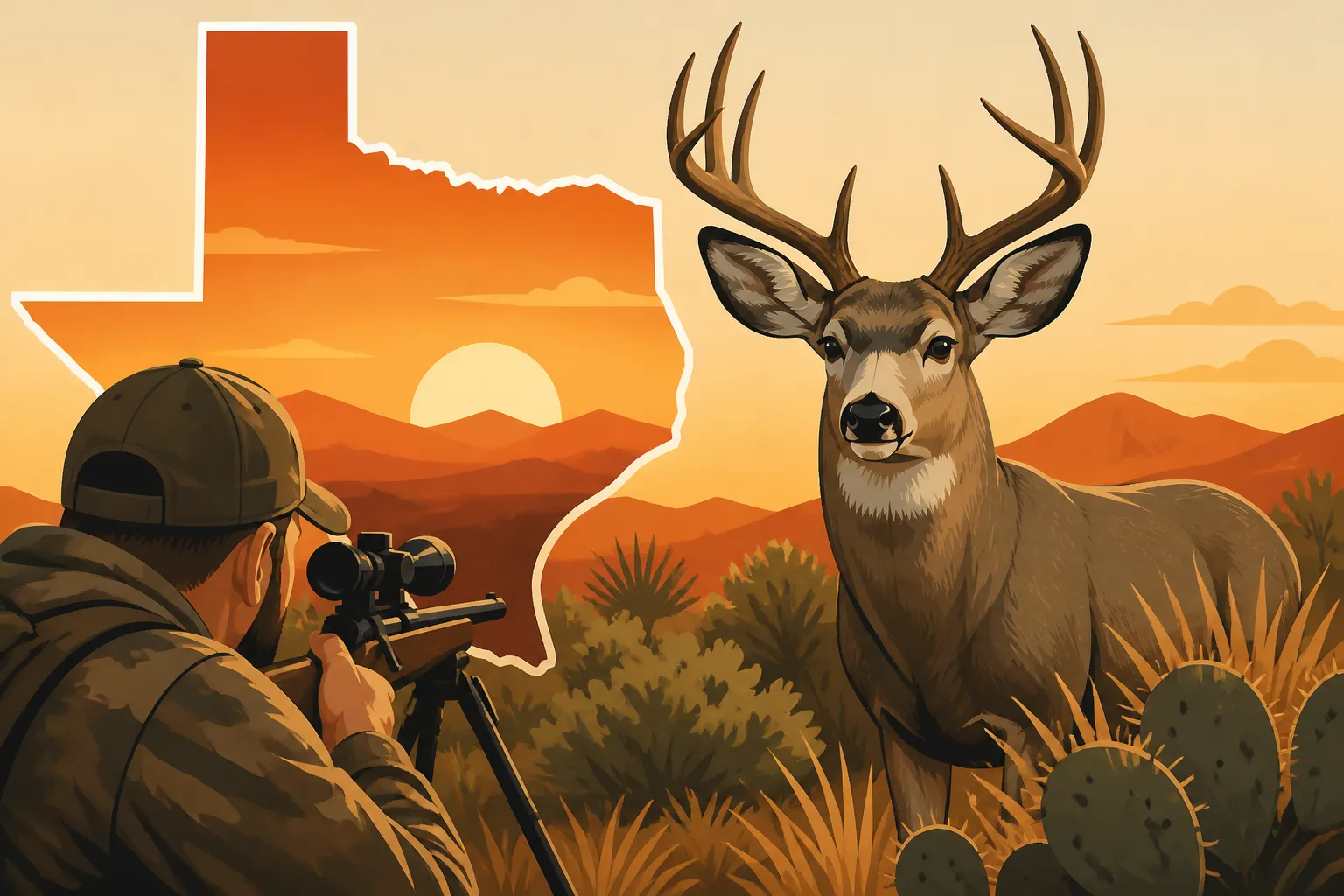
Hunting mule deer in Texas presents a unique set of challenges and rewards, often leaving hunters scratching their heads about where to even begin in our vast state. Unlike the more common whitetail, mule deer inhabit specific, often rugged regions, demanding different strategies and gear. This comprehensive guide will walk you through everything you need to know to successfully pursue mule deer in Texas, from understanding their habitat to mastering the tactics that put you on a trophy buck.
Understanding Texas Mule Deer: Where They Roam
Mule deer, affectionately known as "mulies," are a magnificent game animal, distinguished by their large ears (like a mule), stockier bodies, and bifurcated antlers that fork rather than grow off a main beam. In Texas, their range is quite specific, primarily confined to the western stretches of the state. If you’re dreaming of a mulie hunt, you won’t find them in the East Texas pineywoods or the South Texas brush country. Their habitat demands open spaces, elevation changes, and rugged terrain, which Texas delivers in two key regions.
The Panhandle's Vast Prairies and Canyons
When you think of the Texas Panhandle, vast, flat agricultural lands often come to mind. However, hidden within this region are incredible canyons, river breaks, and rough terrain that provide perfect sanctuary for mule deer. Areas like the breaks of the Canadian River, the Palo Duro Canyon system, and smaller canyons and draws offer pockets of cover, water, and forage. This isn't the classic "mountain" mule deer hunting of the Rockies, but rather a more nuanced pursuit across sprawling, often windswept landscapes. The deer here are accustomed to open spaces, making them acutely aware of their surroundings. Hunters in these areas need to be prepared for long sightlines and the ability to spot deer from great distances. The challenge often lies in closing the distance once a deer is spotted, as cover can be sparse and the wind notoriously unpredictable.
Trans-Pecos Mountains and Deserts
Further to the southwest, the Trans-Pecos region presents a dramatically different, yet equally suitable, mule deer habitat. This is where Texas truly earns its "mountain" hunting stripes, with ranges like the Davis Mountains, Guadalupe Mountains, and the Glass Mountains providing steep slopes, rocky outcroppings, and high desert plateaus. The landscape here is unforgiving but incredibly beautiful, a stark contrast to the Panhandle. Mule deer in the Trans-Pecos thrive in these arid, elevated environments, often blending seamlessly into the rocky slopes. Hunting here typically involves significant elevation changes, requiring good physical conditioning and a willingness to navigate rough terrain. Water sources are critical in this desert environment, and often serve as key indicators of deer activity. When you're planning your hunt, remember that these areas are vast and remote, demanding thorough preparation and self-sufficiency. For those looking to dive deeper into the specifics of hunting these animals in these iconic regions, our guide on Mule Deer Hunting in Texas: Panhandle & Trans-Pecos offers an even more detailed breakdown.
Essential Preparation and Gear for Texas Mule Deer
Hunting mule deer in Texas isn't a spur-of-the-moment decision. It requires careful planning, the right equipment, and a good understanding of the specific environment you'll be entering. Preparation is arguably as important as the hunt itself, especially given the challenging landscapes.
Scouting and E-Scouting Strategies
Before you even set foot on the ground, modern technology offers incredible advantages for scouting. E-scouting, using satellite imagery and mapping apps like onX Hunt or HuntStand, can give you a crucial head start. Look for obvious terrain features such as canyon rims, saddles, drainages, isolated pockets of brush, and potential water sources. Identify natural funnels where deer might travel, and potential bedding areas on leeward slopes. For public land hunters, this is even more critical, as you need to find areas that are both accessible and hold deer.
Once you’re boots-on-the-ground, traditional scouting methods come into play. Look for tracks, scat, rub lines on small mesquites or junipers, and fresh scrapes, though mule deer don't scrape as extensively as whitetail. Glassing from high vantage points during early morning and late evening can reveal travel patterns and feeding habits. Pay close attention to areas with good forage, like browse from native shrubs and forbs, especially after rainfall. Understanding How to Scout for Deer Before Season in Texas can significantly boost your chances.
Optics and Long-Range Gear Considerations
Mule deer hunting is often a game of long distances. Whether you're scanning vast prairies or analyzing mountain faces, high-quality optics are non-negotiable. Forget your entry-level binoculars; you'll want something with excellent light transmission and magnification.
- Binoculars: A good pair of 10×42 or even 12×50 binoculars are essential for glassing large areas. Consider brands like Vortex, Leupold, or Swarovski if your budget allows.
- Spotting Scope: For truly distant observations and to confirm antler size, a spotting scope (e.g., 20-60x80mm) mounted on a sturdy tripod is invaluable. This allows you to differentiate between a legal buck under Texas Mule Deer Antler Restrictions (20-Inch Rule) and a smaller one without having to move.
- Rangefinder: Since shots can be long, a reliable rangefinder is critical for ethical and accurate shooting. Look for models with angle compensation, which is a must in hilly or mountainous terrain.
- Rifle and Ammunition: Given the potential for longer shots, a flat-shooting rifle chambered in calibers like .270 Win, .30-06, 7mm Rem Mag, or .300 Win Mag is often favored. Practice shooting from various field positions, especially prone with a bipod, as stable shooting opportunities might be scarce. Ensure your rifle is accurately zeroed and you know your bullet's trajectory at extended ranges. Our guide on Best Hunting Optics for Texas: Scopes, Binos & Rangefinders provides excellent recommendations tailored for Texas hunting.
Physical Conditioning and Field Essentials
Hunting in the Panhandle or Trans-Pecos regions can be physically demanding. Expect to walk long distances, often over uneven terrain, and potentially climb steep inclines. Good physical conditioning will enhance your experience and increase your chances of success. Start a walking or hiking regimen well before your hunt, incorporating hills or stairs if possible.
Beyond your hunting gear, remember these field essentials:
- Water: Dehydration is a serious risk in these arid environments. Carry more water than you think you’ll need, and consider a water filter or purification tablets.
- Navigation: A reliable GPS device or a smartphone with a mapping app (and external battery pack) is essential. Carry a physical map and compass as a backup.
- First-Aid Kit: Be prepared for minor injuries, snake bites, or other emergencies.
- Weather-Appropriate Clothing: Texas weather can be unpredictable, with large temperature swings from day to night. Layering is key. For more tailored advice, consider our guide on Best Gear for Mule Deer Hunting in Texas.
Effective Mule Deer Hunting Tactics in Texas
Mule deer are creatures of habit but incredibly adaptable. The vastness of their habitat means you won't always find them where you expect. Patience and keen observation are your best allies.
Spot-and-Stalk in Open Country
This is the quintessential mule deer hunting method, particularly effective in the open landscapes of the Panhandle and the broken terrain of the Trans-Pecos. The process usually involves:
- Locating: Find a high vantage point before sunrise and systematically glass the landscape. Start with areas that offer food and cover, paying close attention to shadows and any irregular shapes. Take your time; many deer are found by noticing a slight flicker or a single ear against a rock.
- Evaluating: Once you spot deer, don’t immediately grab your rifle. Use your spotting scope to evaluate the animals. Determine the number of deer, their sex, and if there’s a legal buck worth pursuing. Observe their behavior – are they feeding, bedding, or moving?
- Planning the Stalk: This is where the art comes in. Identify a route that keeps you out of sight and downwind. Consider the terrain features: ridges, draws, brush lines, and rocks that can provide cover. Wind direction is paramount; mule deer have an incredible sense of smell. Visualize each step of your approach, anticipating where the deer might move.
- Executing the Stalk: Move slowly and deliberately. Use every bit of cover available. Stop frequently to glass ahead and ensure the deer haven’t moved or spotted you. The closer you get, the slower you need to move. Be prepared to crawl the last hundred yards if necessary. For those who want to perfect this skill, our Spot-and-Stalk Hunting in Texas (Exotics & Mule Deer) guide offers fantastic insights.
Glassing Techniques for Distant Bucks
Effective glassing is an art form. It's not just about looking; it's about seeing. Too many hunters quickly scan an area and move on, missing deer that are perfectly camouflaged.
- Grid System: Mentally divide the landscape into a grid. Start at one edge, systematically moving your optics across the grid, then down a section, and back across. This ensures you cover every inch of terrain.
- Look for Details: Don’t just look for entire deer. Look for horizontal lines (a deer's back), the glint of an antler, the distinct shape of an ear, or a patch of hide that doesn't quite match the surroundings. Often, you'll spot a small piece of a deer before the whole animal reveals itself.
- Utilize Tripods: For extended glassing, mount your binoculars on a tripod. This reduces fatigue and eliminates shake, allowing you to pick up subtle movements or shapes you'd otherwise miss. When you're sitting for hours, especially during peak feeding times in the early morning or late evening, a stable platform makes all the difference.
Utilizing Terrain Features and Wind
Understanding how mule deer use the terrain and adapting to the wind are critical components of success.
- Terrain for Cover: Mule deer often bed on slopes that provide a commanding view of the area below, allowing them to spot predators (or hunters) approaching. They might also choose leeward slopes (sheltered from the wind) for comfort. When stalking, use every dip, rise, and clump of brush to break up your silhouette. In the Trans-Pecos, this might mean hugging a ridgeline or using the shadows of rock formations.
- Wind is King: Mule deer rely heavily on their sense of smell. Always approach from downwind. Even a slight swirl can give you away. Monitor wind flags or use a wind checker frequently. If the wind shifts unexpectedly during a stalk, you might need to back out and re-evaluate your approach, or even abandon the stalk to try again later. It's frustrating, but a blown stalk is better than spooking a deer permanently. The wind in the Panhandle, in particular, can be relentless and shift rapidly, making constant vigilance essential.
Texas Mule Deer Seasons and Regulations
Navigating hunting seasons and regulations in Texas can feel like a labyrinth, but it’s crucial for a legal and successful hunt. Mule deer regulations are specific and vary by region.
Key Season Dates and Zones
Mule deer hunting in Texas typically takes place in the Panhandle and Trans-Pecos regions, with season dates generally falling in November for rifle hunting. Archery season usually precedes the general season by a few weeks. It's absolutely vital to check the current Texas Parks and Wildlife Department (TPWD) Outdoor Annual for the most up-to-date dates, as they can change annually.
The state is divided into specific zones, and mule deer are managed carefully. For example, some counties in the Panhandle might have slightly different dates or regulations than those in the Trans-Pecos. Always verify the specific dates for the county you plan to hunt. You can find detailed breakdowns of these periods in resources like Texas Mule Deer Season Dates 2026 and Texas Hunting Seasons: Complete Calendar by Species.
Permit System and Harvest Limits
Mule deer hunting in Texas is often managed through a permit or draw system, especially on public lands or certain WMAs. Private land hunting still requires a general hunting license, but landowners often receive tags based on their property's management plan.
- Public Land Drawn Hunts: If you're hoping to hunt mule deer on public lands in Texas, you'll likely need to apply for a drawn hunt through the TPWD public hunt draw system. These hunts are highly coveted due to limited availability and excellent hunting opportunities. Applying for Texas Drawn Hunts & Public Hunt Draw 2027 requires planning ahead, as application periods close months before the season.
- Harvest Limits: The bag limit for mule deer in Texas is typically one antlered buck per hunter per season. There might also be specific antler restrictions in place, such as the minimum 20-inch spread rule in certain Trans-Pecos counties, to promote older age classes of bucks. Always review the current regulations carefully to understand legal requirements and avoid violations. For a quick reference, here's a general comparison of the two main regions:
| Feature | Panhandle Region (e.g., Briscoe, Childress, Cottle Counties) | Trans-Pecos Region (e.g., Culberson, Hudspeth, Presidio Counties) |
|---|---|---|
| Typical Terrain | Vast prairies, deep canyons, river breaks, rolling hills | Mountains, high desert, rocky slopes, arroyos |
| Elevation | Lower to moderate | Moderate to high (up to 8,000+ ft) |
| Hunting Style | Spot-and-stalk, often covering very long distances visually | Spot-and-stalk, significant hiking/climbing |
| Primary Cover | Mesquite, juniper, sumac, cedar breaks | Junipers, oaks, agave, cactus, rock formations |
| Access | Mix of private ranches and limited public hunt opportunities | Large private ranches, some WMA public access (e.g., Black Gap WMA: Trans-Pecos Mule Deer) |
| Physical Demands | Moderate to High (long walks, wind exposure) | High (steep climbs, rugged terrain, high elevation) |
| Typical Season Dates | Early to mid-November (check TPWD for exact dates) | Late November to early December (check TPWD for exact dates) |
| Antler Restrictions | Variable, check county-specific rules | Often 20-inch outside spread or specific points (check TPWD) |
Hunting mule deer in Texas is a deeply rewarding experience, offering a chance to connect with wild landscapes and challenging game. With proper research, preparation, and respect for the regulations, you're well on your way to a memorable hunt.
Disclaimer
Hunting is an inherently dangerous activity. Always prioritize safety, understand and follow all local, state, and federal hunting regulations, and ensure you have the necessary licenses and permits. This guide is for informational purposes only and does not substitute for professional instruction, landowner permission, or official Texas Parks and Wildlife Department regulations. Always consult the current TPWD Outdoor Annual before embarking on any hunting trip in Texas.