Texas Blackbuck Antelope Hunting Regulations 2026
Hunting blackbuck antelope in Texas is an experience many hunters dream about, but understanding the specific regulations can sometimes feel like trying to hit a moving target. Unlike native game animals, blackbuck fall into a unique category in Texas, which means the rules you're used to for deer or turkey don't quite apply. This guide is here to cut through the confusion and give you a clear picture of the Texas blackbuck antelope hunting regulations, so you can plan your hunt with confidence and clarity.
Blackbuck Antelope: An Exotic Species in Texas
Before we dive into the nitty-gritty of regulations, it's crucial to understand what makes blackbuck antelope unique in the context of Texas hunting. They're not native to our great state, and that fundamental difference shapes almost every aspect of their management and the rules surrounding their harvest.
Why Blackbuck Are Not Native Game Animals
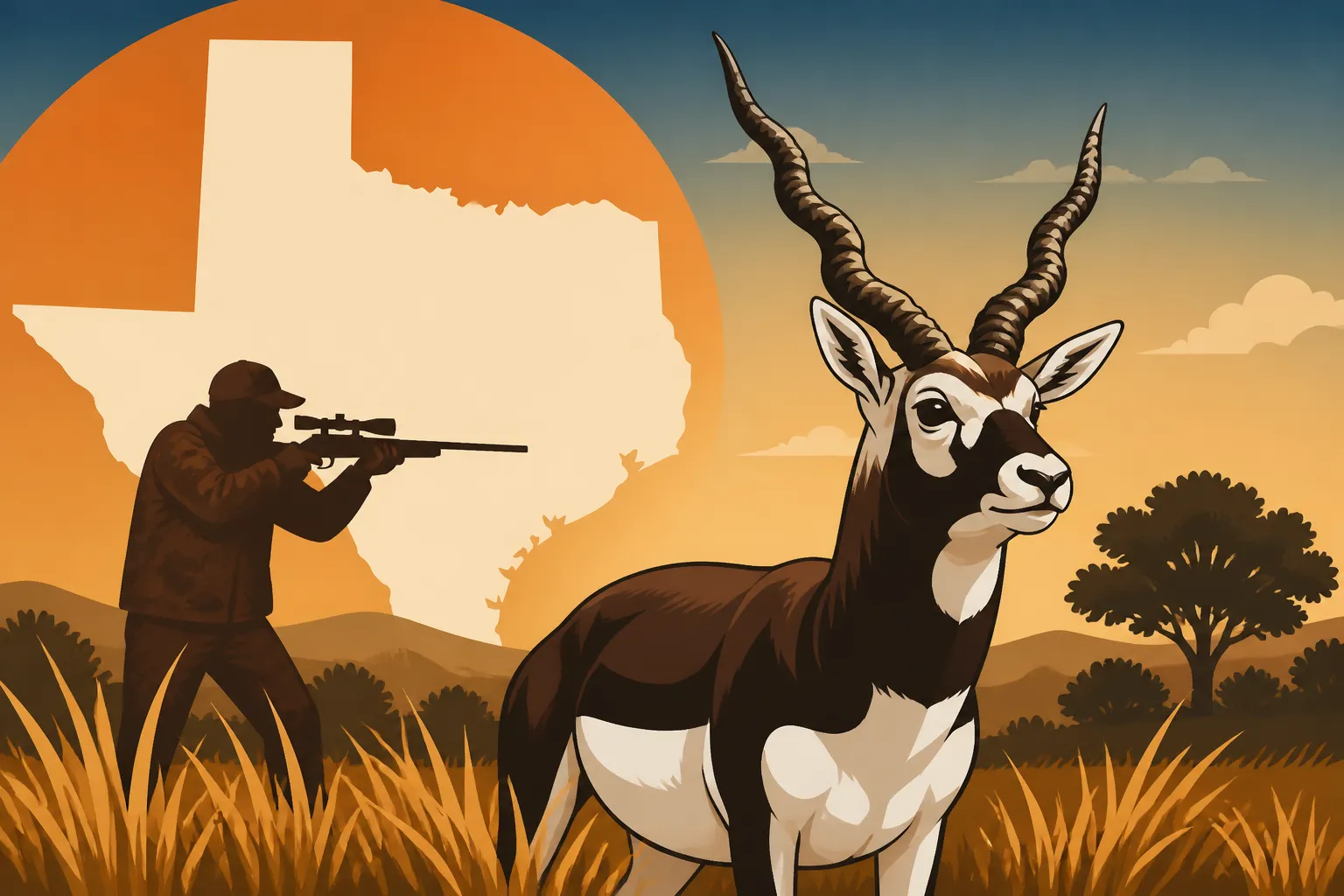
Blackbuck antelope (Antilope cervicapra) originally hail from the grasslands of India and Nepal. They were first introduced to Texas in the early to mid-20th century, primarily by private landowners who were keen on establishing new game species for hunting and diversification of their ranches. These animals adapted surprisingly well to the Texas landscape, particularly in areas with open grasslands and scattered brush, which somewhat mimics their ancestral homes.
Because they are not indigenous to North America, the Texas Parks and Wildlife Department (TPWD) classifies blackbuck as "exotic" livestock, rather than native game animals. This designation is key. It means that the typical state-mandated hunting seasons, bag limits, and specific tagging requirements that apply to species like white-tailed deer or feral hogs simply do not apply to blackbuck. They are essentially considered the private property of the landowner, much like cattle or sheep. This status significantly simplifies the state's regulatory oversight compared to native wildlife, placing much of the management responsibility and rule-setting in the hands of the individual ranch owners.
Common Habitats and Distribution in Texas
While blackbuck can be found in various regions across Texas, they thrive particularly well in certain environments. You'll primarily encounter significant populations on private ranches within the Edwards Plateau, often referred to as the Texas Hill Country, and in parts of South Texas. These areas offer the ideal mix of open pastureland for grazing, scattered cover for bedding and protection, and diverse topography that blackbuck seem to appreciate.
Many blackbuck populations in Texas are managed within high-fenced operations, which allows ranchers to closely manage herds for genetic quality, health, and trophy potential. However, don't let that fool you into thinking they're strictly confined. There are also smaller, free-ranging populations that have either escaped from ranches or were intentionally released into larger, low-fenced properties, offering a different kind of challenge for hunters seeking a truly wild experience. When considering where to hunt, it's worth noting that the vast majority of opportunities will be on private land, often through guided hunts or specific exotic hunting leases.
Navigating the Texas Hunting Regulations for Blackbuck
Now that we understand their status, let's talk about the actual rules you need to follow. While the regulations are less restrictive than for native species, there are still foundational requirements every hunter must meet.
Essential Licensing Requirements
This is one area where there’s no getting around state regulations: you absolutely need a valid Texas hunting license to hunt blackbuck antelope. While blackbuck themselves don't require specific tags, a general hunting license is the baseline requirement for any hunting activity in Texas, regardless of whether the animal is exotic or native. This license verifies that you've met the state's eligibility criteria, including hunter education requirements if applicable.
For residents, the annual Texas hunting license is straightforward. Non-residents will need to purchase a Non-resident General Hunting License. Many hunters opt for the popular Texas Super Combo License: Cost, Types & How to Buy (2026), which bundles various licenses and endorsements, making it a convenient choice if you plan on hunting multiple species throughout the year. It's a simple step, but one you absolutely cannot overlook. Think of it as your passport to hunting in Texas—even for exotics. If you're ever wondering, "Do Exotics Require a Hunting License in Texas?", the answer is a resounding yes, a general one at least!
Understanding Seasons, Bag Limits, and Legal Hours of Take
Here's where the exotic status really shines for blackbuck hunters. When it comes to traditional "seasons" or state-mandated "bag limits," you can pretty much toss those concepts out the window for blackbuck.
- Year-Round Hunting: Unlike deer or turkey, which have very specific windows for hunting, blackbuck antelope can be hunted year-round in Texas. This flexibility is a huge advantage, allowing hunters to schedule their trips outside of peak native game seasons or during times that best suit their schedule and the ranch's availability.
- No State-Mandated Bag Limit: Because blackbuck are considered private property, the state of Texas does not impose a bag limit on them. The "limit" is entirely at the discretion of the landowner or outfitter. This means you might be able to harvest more than one animal during your hunt, depending on the ranch's management plan and your hunt package. Always clarify the harvest limits with your outfitter well in advance.
- Legal Hours of Take: Generally, legal hunting hours in Texas are defined as 30 minutes before sunrise to 30 minutes after sunset. This typically applies to all game. However, on private land, landowners have significant leeway regarding exotic species. Some ranches might permit hunting outside of these traditional hours, particularly if utilizing methods like thermal or night vision equipment, although this is more commonly associated with feral hog hunting. Always confirm the specific permitted hunting hours with your outfitter to avoid any misunderstandings.
Approved Methods of Take and Ethical Considerations
Texas offers a wide array of legal methods for taking exotic animals like blackbuck. The most common methods include:
- Firearms: Rifles are by far the most popular choice for blackbuck. Given their somewhat slender build and often wary nature, a flat-shooting rifle in a common deer caliber is usually ideal. Think calibers like .243 Winchester, 6.5 Creedmoor, .270 Winchester, or even a .308 Winchester. The key isn't brute force, but precision. Blackbuck are known for their speed and agility, so ethical shot placement is paramount to a quick, humane harvest. Aim for the vitals, just behind the shoulder, as you would with a whitetail.
- Archery: For the bowhunting enthusiast, blackbuck present a thrilling challenge. Their keen eyesight and skittishness make getting within bow range a true test of skill. Traditional compound bows or even crossbows are legal, but stealth and patience are absolute necessities. If you're considering Bowhunting in Texas: Archery Season Guide for blackbuck, ensure your equipment is well-tuned and you've practiced extensively at various ranges.
- Muzzleloaders and Other Primitive Weapons: Muzzleloaders are also a legal and viable option for hunting blackbuck, offering a different kind of hunting experience. Shotguns loaded with slugs are also permitted, though less common for blackbuck due to their smaller target area and often longer shot distances.
- Ethical Hunting: Even though blackbuck are exotics and not subject to the same strict game laws as native species, ethical hunting practices remain crucial. Always strive for a clean, humane kill. This means knowing your effective range, using appropriate ammunition, and being prepared to track an animal if necessary. Reputable outfitters will emphasize ethical hunting, and you, as a hunter, should uphold these standards.
Practical Aspects of a Texas Blackbuck Hunt
While the regulations are relatively simple, the logistics of a blackbuck hunt involve a few more considerations, especially since most opportunities are on private ranches.
The Importance of Reputable Outfitters and Leases
For most hunters, pursuing blackbuck in Texas means booking a hunt with a professional outfitter or securing a spot on an exotic hunting lease. Given that blackbuck are almost exclusively found on private land, this is your primary avenue.
- What to Look for in an Outfitter: When researching outfitters, look for transparency in their pricing, including what's covered in the hunt package (lodging, meals, guide, initial processing, caping) and any additional trophy fees. Check their references, read reviews, and don't hesitate to ask specific questions about their success rates, guide experience, and the size and health of their blackbuck herds. Some excellent resources for finding guides can be found in our guide to Best Hunting Outfitters in Texas by Region.
- Understanding Hunt Packages and Trophy Fees: Exotic hunts often come with a base price for the experience and then an additional "trophy fee" depending on the size or score of the animal you harvest. This is standard practice and incentivizes outfitters to manage for quality animals. Make sure you understand these costs upfront to avoid surprises.
- Hunting Leases: While less common specifically for blackbuck, some larger hunting leases might include exotic game populations. Our guide on Hunting Leases in Texas: Complete Guide (Cost & How to Find) can provide more insight into this option, though often blackbuck are part of a package deal on a dedicated exotic ranch.
Preparing for a Successful Blackbuck Harvest
Once you've booked your hunt, preparation is key to ensuring a rewarding experience.
- Gear Selection:
- Rifle and Ammunition: As mentioned, a well-placed shot is crucial. Practice with your chosen rifle and ammunition extensively to be confident in your shot placement at various ranges.
- Optics: Good binoculars and a reliable rangefinder are indispensable. Blackbuck have excellent eyesight, and judging distance in open terrain is critical. A quality rifle scope is also a must-have for precision. Consider reviewing our recommendations for Best Hunting Optics for Texas: Scopes, Binos & Rangefinders.
- Clothing: Texas weather can be unpredictable, even year-round. Dress in layers, and choose camouflage that blends with the open grass and brush country. Comfort is key, especially if you'll be doing a lot of stalking.
- Pre-Hunt Communication: Talk to your guide or ranch manager well before your hunt. Discuss hunting strategies, typical shot distances, the terrain you'll be hunting, and what kind of physical exertion to expect. This communication helps set realistic expectations and allows you to prepare adequately.
- Physical Preparation: Blackbuck hunts often involve a fair amount of walking and stalking across varied terrain. Being in decent physical shape will significantly enhance your experience and increase your chances of success.
- Post-Harvest Considerations: Understand the outfitter's procedures for field dressing, caping, and meat processing. Some offer these services in-house, others have arrangements with local processors. Knowing Field Dressing & Processing Game in Texas Heat is a vital skill for any hunter, especially in Texas. Blackbuck meat is lean and delicious, often compared to venison but with a milder flavor.
| Category | Native Texas Game (e.g., Whitetail Deer) | Exotic Game (e.g., Blackbuck Antelope) |
|---|---|---|
| Hunting License | Required (General + specific tags/endorsements) | Required (General hunting license) |
| State Season Dates | Specific, regulated seasons | Year-round hunting allowed |
| State Bag Limit | Yes, regulated by species/county | No state bag limit (landowner sets) |
| Tags/Permits | Specific tags required (e.g., deer tags) | No specific state tags required |
| Hunting Location | Public and private land | Primarily private land |
| Management Body | Texas Parks and Wildlife Department (TPWD) | Landowner/Outfitter |
| Carcass Transport | Subject to CWD regulations (if cervid) | Generally fewer restrictions |
Comparing Blackbuck to Other Texas Exotic Hunts
Texas is renowned for its diverse exotic hunting opportunities, and blackbuck are just one star in a constellation of non-native species. Understanding how their regulations compare can provide a broader perspective.
Similarities and Differences in Regulations
The regulatory framework for blackbuck is largely consistent with other popular exotic species found in Texas, such as Axis deer, Aoudad sheep, and Nilgai. The key similarities include:
- General Hunting License Required: For any of these exotics, you'll still need your valid Texas hunting license. No exceptions there.
- Year-Round Hunting: Like blackbuck, most other exotics can be hunted year-round, offering immense scheduling flexibility. This is a huge draw for hunters looking to extend their time in the field beyond the traditional fall seasons.
- No State Bag Limits or Tags: Again, due to their exotic status, there are typically no state-mandated bag limits or specific tags required for these species. The landowner sets these parameters based on their management goals and hunt packages.
- Private Land Dominance: The vast majority of hunting opportunities for all exotics, including blackbuck, occur on private ranches, often through guided hunts.
While the general regulatory approach is consistent, the hunting experience and the specific challenges each species presents can vary wildly. For instance, Axis Deer Hunting in Texas (Free-Range vs High-Fence) might involve different terrain or stalking techniques than a blackbuck hunt, even if the licensing is the same. Similarly, the mountainous terrain often associated with Aoudad Sheep Hunting in Texas requires a vastly different physical and optical approach compared to a blackbuck chase on the plains.
Unique Hunting Challenges and Experiences
Each exotic species offers a distinct hunting experience, and blackbuck are no exception. Their characteristics present specific challenges that make the hunt memorable:
- Keen Eyesight and Speed: Blackbuck possess incredible vision and are remarkably skittish. They are built for speed, and once spooked, they can disappear across open terrain in a blink. This makes stalking a true art form, requiring patience, careful planning, and excellent use of whatever cover is available. It's often a game of "cat and mouse" in the open.
- The Thrill of the Stalk: Because of their wariness and preferred open habitat, blackbuck hunting often involves a significant amount of stalking. This isn't usually a sit-in-a-blind-over-a-feeder type of hunt, though those options exist. Instead, you'll be moving, reading the wind, and trying to get within shooting range undetected. This dynamic element is a huge draw for many hunters. Our detailed guide on How to Hunt Blackbuck Antelope in Texas (Step by Step) delves deeper into these tactical aspects.
- Distinct Trophy Characteristics: A mature blackbuck buck, with its striking black and white coat and spiraling, ringed horns, is truly a beautiful animal and a prized trophy. The unique appearance of a quality blackbuck adds another layer of satisfaction to a successful hunt.
Hunting blackbuck in Texas offers a fantastic opportunity to pursue a unique and challenging animal without the typical calendar constraints of native game seasons. By understanding the straightforward licensing requirements and the "landowner's rules" approach, you'll be well-prepared to embark on an unforgettable hunting adventure.
Disclaimer
Please note that hunting regulations, while generally stable for exotic species, can be subject to change. Always consult the most current Texas Parks and Wildlife Department Outdoor Annual or contact TPWD directly before your hunt to ensure you are fully compliant with all applicable laws and regulations for the 2026 season and beyond. Additionally, confirm all specific rules and fees with your chosen hunting outfitter or landowner.