How to Hunt Aoudad Sheep in Texas
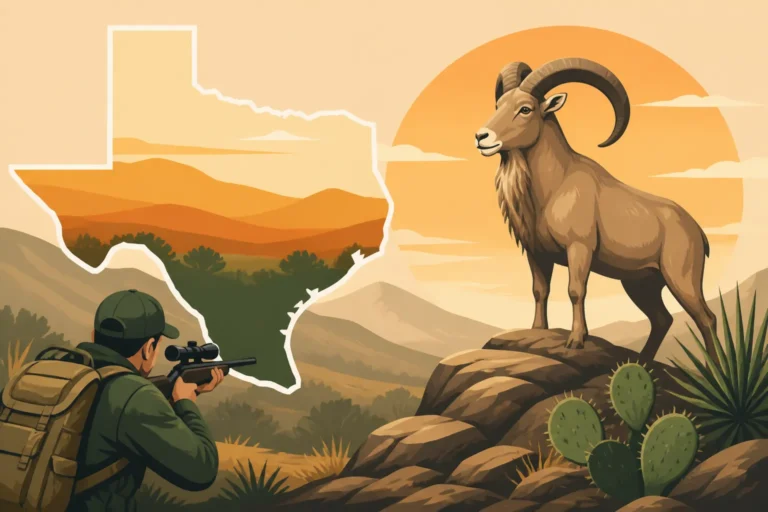
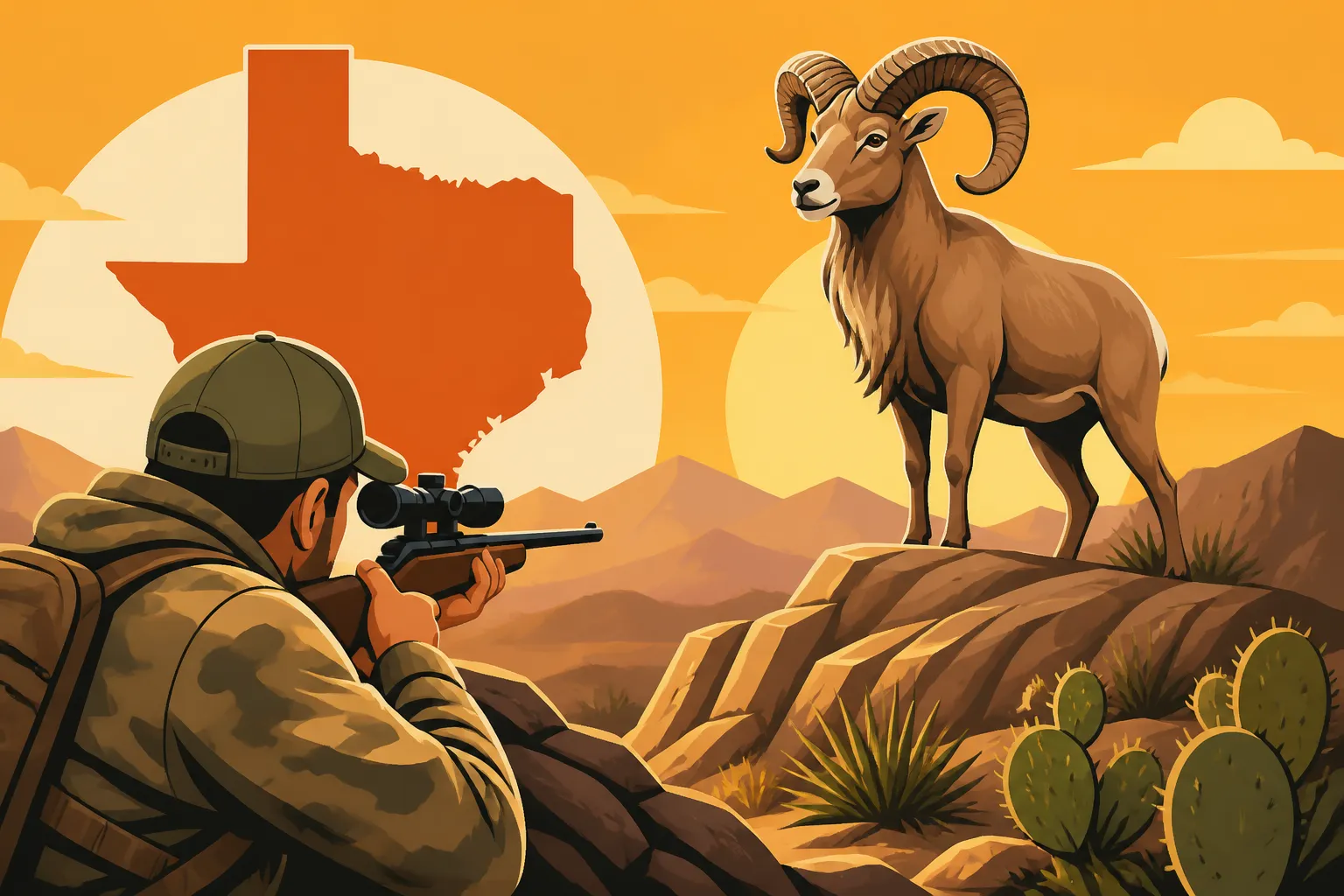
Hunting aoudad sheep in Texas is an experience unlike almost any other, often leaving even seasoned hunters feeling humbled by the sheer ruggedness of their habitat and the elusive nature of these magnificent animals. If you've ever dreamt of tackling a true mountain hunt without leaving the Lone Star State, but felt overwhelmed by where to start or how to approach these wary sheep, this comprehensive guide will equip you with the knowledge and tactics you need for a successful aoudad hunt.
Understanding the Aoudad in Texas
Aoudad, also known as Barbary sheep, are an incredible game animal that have found a thriving home in the vast, unforgiving landscapes of Texas. While they aren't native, they've adapted remarkably well and offer an incredibly challenging hunt. Before you even think about packing your rifle, understanding the animal itself is paramount.
Aoudad Biology and Behavior
These aren't your typical whitetail deer; aoudad are built for survival in harsh, arid environments. Originating from North Africa, they are robust, muscular animals with shaggy manes that extend from their throat down their front legs. Rams can weigh anywhere from 200 to over 300 pounds, with ewes being smaller but still formidable. Their coloring, typically sandy brown to reddish-brown, provides exceptional camouflage against the rocks and scrub brush of their preferred terrain.
What makes them truly challenging is their eyesight and hearing – they are legendary for it. Picture a set of binoculars with extreme magnification constantly scanning their surroundings, coupled with ears that can pick up the slightest rustle of a rock dislodged a quarter-mile away. They often travel in small herds, sometimes numbering over a dozen, and their collective senses make them incredibly difficult to approach. They are grazers and browsers, constantly moving, and their diet consists of grasses, forbs, and even prickly pear cactus, which they handle with surprising ease. This constant movement across vast territories means they don't stay put in one spot for long, demanding a dynamic hunting approach.
Prime Aoudad Habitat in Texas
While aoudad are considered an exotic species and can be found on high-fence ranches across various parts of Texas, their true domain in the free-range sense is the rugged, mountainous terrain of the Trans-Pecos region. Think West Texas, the Big Bend area, and counties like Brewster, Presidio, Jeff Davis, and Culberson. Here, towering peaks, deep canyons, and vast, open expanses define their world. The elevation can range dramatically, from desert flats to over 8,000 feet in some areas.
You'll also find huntable populations in parts of the Texas Hill Country, particularly on larger ranches, but the true wild hunt experience is found out west. Access can be a real hurdle, as much of this land is privately owned. However, there are limited opportunities for public land aoudad hunting, notably at the Black Gap WMA, which demands incredible physical endurance and careful planning due to its extreme remoteness and ruggedness. These areas are characterized by rocky outcrops, sparse vegetation, and often, extreme temperature fluctuations. Understanding the specific nuances of these environments is key, as it dictates everything from your boot choice to your shooting lanes. For anyone considering hunting these vast, open spaces, it's worth reading more about Panhandle & Trans-Pecos Hunting in Texas to prepare for the unique challenges of the region.
Legalities and Regulations for Aoudad Hunting
One of the unique aspects of hunting aoudad in Texas is their status as an exotic animal. This means they are not considered native game and, as such, are generally not regulated by the Texas Parks and Wildlife Department (TPWD) on private land. This is great news for hunters because it means there is typically no closed season, no bag limit, and no specific antler or horn restrictions when hunting on private property. You just need a valid Texas Hunting License: Cost, Types & How to Buy (2026).
However, if you're venturing onto public lands, like the Black Gap WMA, the rules change considerably. These hunts are usually part of a drawn hunt system and will have very specific regulations regarding dates, bag limits, and legal weapons. Always double-check the current Outdoor Annual or the TPWD website for the latest regulations, especially if CWD (Chronic Wasting Disease) zones are a concern in your hunting area, as specific carcass transport rules might apply. Even though aoudad are exotics, responsible hunting practices, including ethical harvest and respect for the land, are always paramount.
Essential Gear and Preparations for Aoudad Hunting
Hunting aoudad is not a casual affair. The terrain, the weather, and the sheep's keen senses demand meticulous preparation and the right equipment. Skimping on gear here is a recipe for frustration and potential failure.
Rifles and Ammunition Selection
When you're staring across a canyon at an aoudad that's 400, 500, or even 600 yards away, you need a rifle that can deliver. This is long-range country, and many shots on aoudad happen beyond what most deer hunters are accustomed to. Therefore, selecting the right caliber is crucial.
You'll want a flat-shooting cartridge that can retain energy at extended distances and handle the inevitable wind that whips through the mountains. Popular choices include:
- .270 Winchester: A classic workhorse, capable of taking aoudad with proper bullet selection.
- 7mm Remington Magnum: A great all-around choice, offering excellent ballistics and power.
- .30-06 Springfield: Another versatile cartridge that, with heavier bullets, can be very effective.
- .300 Winchester Magnum: A superb choice for reaching out and touching those distant rams, providing plenty of knockdown power.
- 6.5 Creedmoor or 6.5 PRC: Newer favorites known for their exceptional accuracy and ballistic coefficients, making them excellent for long-range precision.
Regardless of your chosen caliber, opt for high-quality, bonded, or monolithic bullets designed for deep penetration and reliable expansion. Barnes TSX, Hornady ELD-X, or Nosler AccuBond are excellent examples. Practice shooting at varying distances, especially out to 400-600 yards, and understand your rifle's capabilities and limitations. A stable shooting platform, like a bipod or shooting sticks, is also non-negotiable for making those critical long shots.
Optics for Spot-and-Stalk
In the vast, open country where aoudad live, your eyes are your most important tool, and high-quality optics are an extension of those eyes. This isn't a sit-in-a-blind-and-wait kind of hunt; it's a relentless game of hide-and-seek, or more accurately, find-and-stalk.
- Binoculars: A good pair of 10×42 or even 12×50 binoculars is essential. Look for clear glass, good light-gathering capabilities, and a wide field of view. You'll spend hours behind them, scanning distant slopes and rock formations. Brands like Maven, Vortex, or Steiner offer excellent performance.
- Spotting Scope: For confirming trophy quality, assessing shot angles, and watching aoudad's movements from a safe distance without spooking them, a spotting scope (e.g., 20-60×80) is invaluable. Paired with a sturdy tripod, it allows you to literally pick apart mountainsides.
- Rangefinder: A laser rangefinder with angle compensation is an absolute must. Estimating distances in steep, broken terrain is notoriously difficult, and a precise reading is critical for accurate bullet placement. Many modern rangefinders, like those from Leupold or Sig Sauer, offer advanced ballistic features.
For a deeper dive into choosing the right visual aids for your hunt, you might want to check out Best Hunting Optics for Texas: Scopes, Binos & Rangefinders. Investing in the best optics you can afford will significantly increase your chances of success and reduce frustration.
Physical Conditioning and Clothing
This is where many hunters underestimate the aoudad challenge. An aoudad hunt in West Texas is physically demanding, often involving strenuous hikes up and down steep, rocky terrain, frequently at elevation. You'll be carrying your rifle, pack, water, and optics, sometimes for miles. If you're not in decent physical shape, you'll struggle, making it harder to stay focused, steady for a shot, or even enjoy the experience.
Start a cardio and strength training regimen months before your hunt. Focus on hiking with a weighted pack, stair climbing, and exercises that build leg and core strength.
For clothing, think layers. The weather in West Texas mountains can swing wildly in a single day, from freezing mornings to scorching afternoons.
- Base Layers: Moisture-wicking synthetics are best to manage sweat.
- Mid-Layers: Fleece or insulated jackets for warmth.
- Outer Shell: A windproof and waterproof layer is critical for unexpected rain or strong winds.
- Footwear: This is perhaps your most important piece of clothing. Invest in high-quality, stiff-soled, waterproof hiking boots with excellent ankle support. Brands like Kenetrek or Crispi are popular among serious mountain hunters. Break them in thoroughly before your hunt to avoid painful blisters.
- Snake Boots: Depending on the specific terrain and time of year, consider snake boots or gaiters, especially in areas with rattlesnakes.
- Sun Protection: A wide-brimmed hat, sunglasses, and sunscreen are crucial for long days under the intense Texas sun.
Don't forget a sturdy Best Hunting Backpack for Texas to carry all your essentials, including plenty of water – dehydration is a serious risk in these arid environments.
Proven Aoudad Hunting Tactics
Successfully hunting aoudad comes down to patience, perseverance, and a deep respect for the animal's incredible survival instincts. It's truly a test of a hunter's skill.
The Art of Spot-and-Stalk
Spot-and-stalk is, without a doubt, the primary and most effective method for hunting free-range aoudad. This involves systematically glassing vast areas from elevated positions, locating animals, and then carefully planning and executing a stalk to get within shooting range.
- Glassing: This is where your high-quality optics shine. Find a vantage point that allows you to see across multiple canyons and ridgelines. Set up your spotting scope and binoculars on a tripod. Start glassing just before first light and continue through the morning. Pay attention to subtle movements, changes in color, or reflections. Aoudad often blend in perfectly, so look for parts of an animal – an ear, a horn tip, a patch of their distinctive mane. Be thorough; some hunters spend hours glassing a single mountain face before spotting anything.
- The Stalk: Once you've spotted your target, the real work begins. This involves a meticulous approach to minimize detection.
- Wind: Always keep the wind in your favor. Aoudad have an excellent sense of smell.
- Terrain: Use every fold, ridge, and rock for cover. Stay low, move slowly, and avoid skylining yourself.
- Patience: A stalk can take hours, even all day. Be prepared to stop, watch, and wait for the animals to move into a more favorable position or for clouds to provide cover.
- Approach Angle: Try to approach from above or parallel if possible, as aoudad often look down into valleys.
This is the essence of Spot-and-Stalk Hunting in Texas (Exotics & Mule Deer), requiring both physical stamina and mental discipline. Remember, a failed stalk isn't a failure, it's a learning opportunity to refine your skills.
Exploiting Aoudad Behavior
Understanding the daily routine and instincts of aoudad can give you a significant edge. They are creatures of habit, particularly when it comes to feeding and resting.
- Morning and Evening Activity: Like many game animals, aoudad are most active during the cooler parts of the day – early morning and late evening. This is when they move from their bedding areas to feed. Focus your primary glassing efforts during these times. They will often feed on open slopes or in canyon bottoms before retreating to higher, more secure bedding areas during the heat of the day.
- Water Sources: While aoudad can go for extended periods without water, they will eventually seek it out, especially during dry periods. Identifying springs, tanks, or other reliable water sources can be crucial, though these can also be heavily vegetated and difficult to glass.
- Bedding Areas: During the mid-day heat, aoudad will typically bed down in areas that offer shade, protection from the wind, and excellent visibility of their surroundings. These are often on steep slopes, under rock overhangs, or within thick brush. Approaching a bedded aoudad requires extreme caution, as they are alert even when resting. Look for the subtle flick of an ear or the slow turn of a head.
- Reaction to Pressure: Aoudad are incredibly wary. Once they are spooked, they will often run to higher, rougher terrain and won't stop until they feel completely safe, which could be miles away. Minimize sudden movements, loud noises, and avoid letting them pick up your scent. If you spook a herd, don't necessarily give up; sometimes, they will stop to look back, offering a fleeting shot opportunity, but often, the hunt for that specific animal or herd is over for the day.
Shot Placement and Follow-up
When you finally get an ethical shot opportunity, knowing where to place your bullet is paramount. Aoudad are notoriously tough animals, and they don't give up easily.
- Vital Areas: The primary vital zone is the heart-lung area, similar to a deer. Aim for a spot just behind the shoulder, about one-third of the way up the body. A double-lung shot is often ideal. If you have a broadside shot, this is your best bet.
- Angled Shots: Aoudad on steep terrain often present angled shots. If they are quartering away, aim to penetrate the vitals by aiming towards the opposite shoulder. If they are quartering towards you, you might need to aim closer to the shoulder to get into the lungs. Avoid head-on shots unless absolutely necessary, as they present a small target and a high risk of wounding.
- Bone Structure: Be aware of their thick shoulder bones. Use a stout bullet that can penetrate bone and reach the vitals.
- After the Shot: Assume your animal is hit until proven otherwise. Watch its reaction carefully. Aoudad often drop and then try to regain their footing, or they may bolt and run a short distance before collapsing. If it runs, mark the exact spot where the animal was standing and its direction of travel. Wait at least 30 minutes (or longer if unsure of the hit) before beginning to track.
- Tracking: Tracking an aoudad in rocky terrain can be incredibly difficult, as they leave minimal blood trails. Look for scuff marks, overturned rocks, broken vegetation, and any drops of blood. Use your binoculars to scan ahead for the downed animal, especially if it ran into a canyon or thick brush. If you're hunting late in the day, consider backing out and returning at first light with fresh eyes and a full day ahead of you to continue the track.
Post-Harvest Considerations
Congratulations! You've successfully harvested an aoudad, an incredible feat of hunting skill and perseverance. But the work isn't over. Getting your animal off the mountain and properly cared for is just as important as the hunt itself.
Field Dressing in Remote Terrain
The moment an aoudad hits the ground, especially in the warm Texas climate, the clock starts ticking. Field dressing immediately is critical to cooling the meat and preventing spoilage.
- Speed is Key: Get to the animal quickly and begin the field dressing process. Remove the entrails to allow the body cavity to cool as fast as possible.
- Cooling: In the harsh West Texas heat, often far from any road, cooling the carcass is a major challenge. If you're fortunate enough to have packed a larger cooler and plenty of ice, consider quartering the animal and placing the meat directly on ice, if feasible. Otherwise, once field dressed, prop the animal open to maximize airflow. Consider utilizing game bags to protect the meat from flies and dirt while allowing it to breathe. For advice on handling game in warmer conditions, you might find How to Cool a Deer Fast in Texas Heat helpful.
- Weight: A full-grown aoudad ram is heavy. Even quartered, the meat and hide can be substantial. Have a plan for how you will get the animal out. This might involve multiple trips with a good hunting backpack, using a game cart if the terrain allows (though unlikely in rugged mountains), or even arranging for a pack animal or vehicle access if you're on a guided hunt.
Transporting and Processing Your Aoudad
Once you've field dressed and cooled your aoudad as much as possible, the next step is getting it back home or to a processor.
- Getting it Off the Mountain: This is often the most physically grueling part of the entire hunt. If you've quartered the animal, load the quarters into durable game bags and then into your backpack. Be prepared for multiple, slow trips if you're hunting solo or with a small group.
- Local Processors: Many small towns in the Trans-Pecos or Hill Country regions will have local game processors who are familiar with handling exotic game. If possible, call ahead to verify they can take aoudad and understand their drop-off procedures.
- Meat Characteristics: Aoudad meat is a lean, flavorful red meat, often compared to venison but with its own distinct taste. Many hunters prize it. It's excellent for steaks, roasts, ground meat, and various sausages. Be sure to convey your preferences to your processor.
- Cape and Skull: If you plan to have a European mount or a shoulder mount, ensure you properly cape the animal, paying close attention to the details around the head and neck. Keep the cape cool and clean, and get it to a taxidermist as soon as possible. Their impressive horns make for a fantastic trophy!
| Caliber | Typical Bullet Weight (grains) | Pros | Cons |
|---|---|---|---|
| .270 Win | 130-150 | Flat-shooting, widely available ammo, moderate recoil. | Can be borderline for very long shots on heavy rams without premium bullets. |
| .30-06 Spring. | 150-180 | Versatile, good energy, widely available ammo. | More rainbow trajectory than magnum calibers at extreme ranges. |
| 7mm Rem Mag | 150-175 | Excellent long-range ballistics, ample energy, good wind bucking. | Heavier recoil than .270/.30-06, more expensive ammo. |
| .300 Win Mag | 180-200 | Superb long-range power, knockdown capability, handles wind well. | Significant recoil, expensive ammo, potential for over-penetration on close shots. |
| 6.5 Creedmoor | 120-147 | Exceptional accuracy, low recoil, good ballistic coefficient. | Less kinetic energy than magnum calibers for very large rams at extreme ranges. |
Disclaimer
Please remember that hunting regulations, license requirements, and local conditions can change. Always consult the most current Texas Parks and Wildlife Department Outdoor Annual or their official website for the latest and most accurate information before planning any hunting trip.