How to Hunt Bobcat in Texas
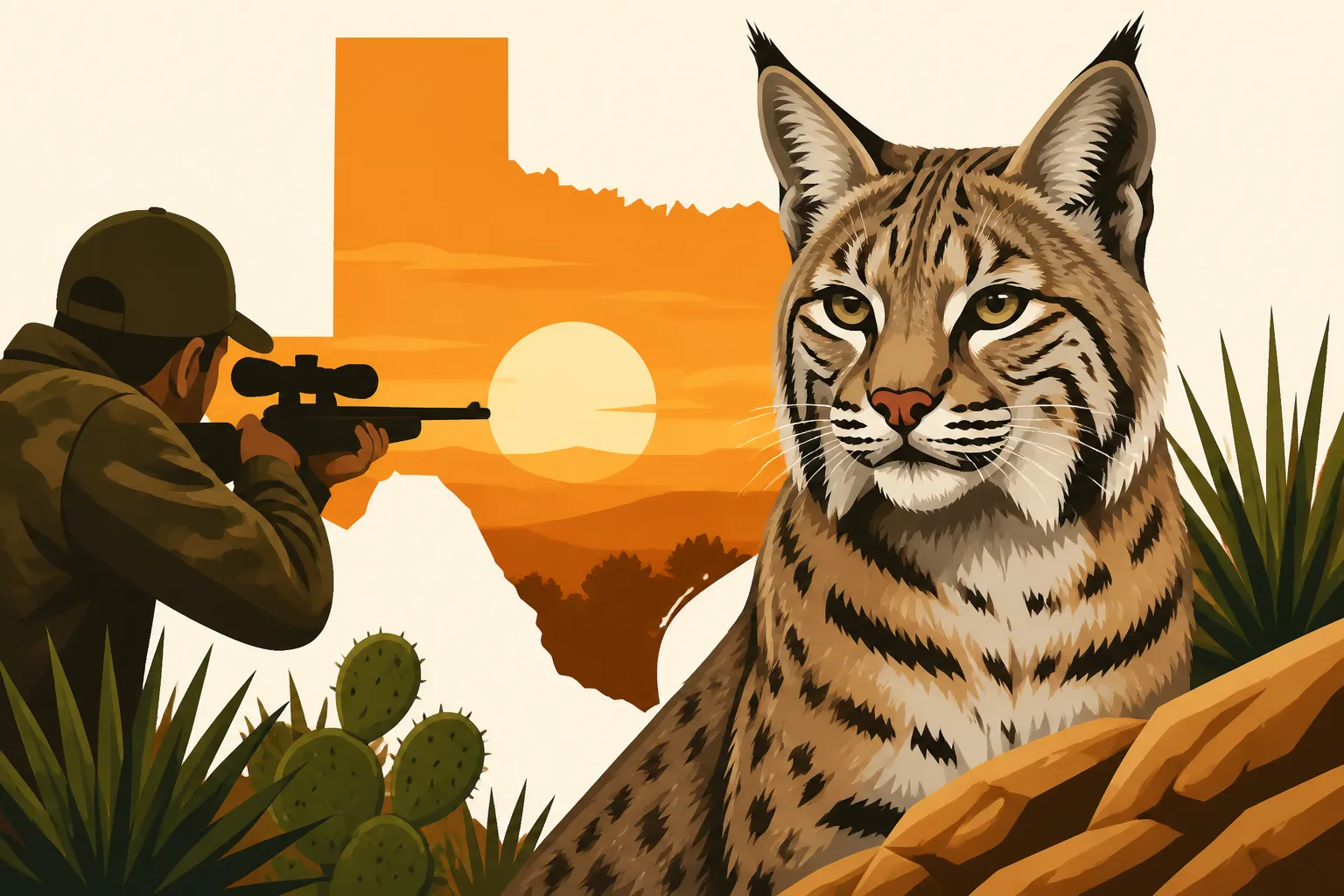
Trying to understand the elusive bobcat and figure out the best ways to successfully hunt them in Texas can feel like chasing a ghost. These cunning felines are incredibly smart and adaptable, making them a formidable challenge for even seasoned hunters. This guide will walk you through everything you need to know about pursuing bobcats in the Lone Star State, from understanding their habits to mastering effective hunting techniques and selecting the right gear.
Understanding Bobcat Behavior and Habitat in Texas
Bobcats ( Lynx rufus) are truly fascinating creatures, and grasping their natural tendencies is the first step to becoming a successful bobcat hunter. They're built for stealth and survival, thriving in a variety of Texas landscapes.
Bobcat Ecology in the Lone Star State
Texas is home to a robust bobcat population, largely due to its diverse and expansive habitat. These medium-sized wild cats are incredibly adaptable, making a living in everything from the dense South Texas brush country to the rugged West Texas mountains, and even the more timbered areas of East Texas. They are opportunistic predators, meaning they'll eat whatever is most readily available. Their diet primarily consists of rabbits, hares, and rodents, but they won't hesitate to take birds, small deer, or even domestic livestock if the opportunity arises. This broad diet contributes to their widespread success across the state.
Bobcats are generally solitary animals, especially the males, though females will raise their kittens alone. They are territorial, marking their areas with scat, urine, and claw marks. While they can be active any time of day, they are primarily crepuscular and nocturnal, meaning they are most active during dawn, dusk, and throughout the night. This low-light activity is a critical factor in planning your hunts. Their keen senses of sight and hearing are exceptionally sharp, allowing them to detect prey and danger from a distance, which is why a careful approach and understanding of their habits are paramount.
Prime Bobcat Habitats Across Texas
When you're thinking about where to find bobcats, visualize areas with good cover, water sources, and plenty of their preferred prey. In Texas, this means they can be found statewide, but certain regions offer better opportunities than others. The Brush Country of South Texas, with its dense mesquite, prickly pear, and various thorny shrubs, provides perfect concealment and an abundance of rabbits and rodents. This dense cover makes them challenging to spot, but also provides excellent ambush points for the cats.
Moving west, the Trans-Pecos region's rugged mountains, canyons, and arroyos also hold good numbers of bobcats, especially where there are rocky outcrops and caves for denning. Even the more open, rolling plains of North Central Texas and the Panhandle can be productive, particularly in areas with creek bottoms, shelterbelts, and undisturbed pastureland that provides cover and sustenance. In East Texas, the piney woods and mixed hardwood forests, especially around clear-cuts or along river drainages, will harbor bobcats. Basically, if an area looks "catty" – meaning it offers good cover, easy travel lanes, and a consistent food supply – you're likely in a prime bobcat spot. Thinking about how these wild cats move through terrain, often sticking to draws, fencelines, and the edges of dense cover, will help you identify key locations.
Seasonal Activity and Movement Patterns
Bobcat activity can shift slightly with the seasons, largely influenced by prey availability and breeding cycles. While they are active year-round, you might notice different patterns. During the cooler months of fall and winter, their movements can be more predictable as they focus heavily on hunting to maintain their body temperature and find sufficient food. This is often a preferred time for hunters because the sparse vegetation in some areas can make spotting them a bit easier, and their pelts are prime for trapping or harvest.
The breeding season, which typically runs from late winter into early spring (roughly January through March in much of Texas), can also influence their behavior. Males will travel more extensively during this time, seeking out receptive females. This increased movement can sometimes make them more vulnerable to calling. Conversely, during the scorching Texas summer, bobcats often become even more strictly nocturnal and crepuscular, seeking refuge from the heat during the day. Water sources become even more critical during these hot months, and focusing your efforts around these areas, especially at dawn and dusk, can be more productive. Knowing when The Texas Rut occurs for deer, for example, can also give you insight into when other prey species might be more vulnerable, potentially influencing bobcat movements.
Legal Framework for Bobcat Hunting in Texas
Before you even think about setting foot in the field, understanding the specific regulations governing bobcat hunting in Texas is absolutely crucial. Texas Parks and Wildlife Department (TPWD) sets these rules to ensure sustainable populations and ethical hunting practices. Don't ever assume; always check the latest Outdoor Annual.
Licensing and Regulations
To hunt bobcats in Texas, you generally need a valid Texas hunting license. For residents, this could be a General Hunting License or a Super Combo License, which covers a wide array of game animals and includes various endorsements. Non-residents will need a Non-Resident General Hunting License. It's important to remember that while bobcats are considered a game animal, they are also furbearers. This means that if you intend to sell the pelt or any part of the animal commercially, additional trapping licenses or endorsements might be required, even if you harvested it via hunting methods. Always consult the most current Texas Parks and Wildlife Outdoor Annual for precise requirements.
Unlike many big game species, there's no specific "bobcat season" in Texas. They can be hunted year-round, day or night, as long as you have the appropriate license and permission to hunt on the land. However, if you plan to hunt at night using artificial lights or thermal/night vision devices, you must be hunting on private land and have explicit landowner permission. On public hunting lands, such as certain WMAs managed by TPWD, night hunting with artificial lights is generally prohibited. Always verify specific regulations for any public land you plan to hunt.
Seasons, Bag Limits, and Reporting
As mentioned, there is no closed season for bobcats in Texas; you can pursue them 365 days a year. This continuous open season is largely due to their robust population and their designation as a furbearer rather than a strictly regulated game animal with specific hunting seasons like deer or turkey. Similarly, there are no statewide bag limits for bobcats in Texas. You are not restricted to a certain number per day or per season, which provides considerable flexibility for hunters and trappers.
However, just because there isn't a bag limit doesn't mean you should harvest indiscriminately. Responsible hunting practices dictate that you only take what you intend to use. There's also no mandatory harvest reporting for bobcats, unlike with deer or turkey. This means you don't need to log your bobcat kills into the My Texas Hunt Harvest app or physically tag them like you would a whitetail. Despite the lack of strict limits, it's wise to stay informed about local populations. If you're utilizing public lands through the Annual Public Hunting Permit, always check the specific regulations for that particular WMA, as some might have local rules or recommendations that differ from the statewide norms.
Carcass Tagging and Export Rules
While general hunting of bobcats doesn't require tagging, if you plan to possess the pelt for commercial purposes, like selling it to a fur buyer or taxidermist, there are additional requirements. Bobcat pelts must be "furbearer tagged" if they are to be sold, purchased, or otherwise commercially transferred within Texas or shipped out of state. These tags are obtained from authorized TPWD agents. The purpose of these tags is to track the commercial harvest of furbearers and ensure compliance with wildlife laws, particularly those related to interstate commerce.
| Activity/Item | License Required | Season | Bag Limit | Reporting | Furbearer Tag Needed (if commercial) |
|---|---|---|---|---|---|
| Hunting Bobcat | General Hunting | Year-Round | None | None | Yes (for commercial pelts) |
| Trapping Bobcat | Trapper's License | Restricted | None | None | Yes (for commercial pelts) |
| Night Hunting (private land) | General Hunting | Year-Round | None | None | Yes (for commercial pelts) |
This commercial tagging applies regardless of whether the bobcat was hunted with a rifle, shotgun, or taken via trapping. If you're simply keeping the pelt for personal use (e.g., a rug or mount for your home), these commercial tagging rules typically don't apply. However, if you're taking a bobcat out of state, even for personal taxidermy, it's always prudent to check the regulations of the destination state to avoid any issues. Understanding these nuances is key, especially if you're hunting with the intent of utilizing the valuable fur.
Effective Bobcat Hunting Tactics
Successfully hunting a bobcat often comes down to patience, stealth, and employing the right tactics at the right time. These cats are incredibly wary, making them a true trophy for any hunter.
Calling Techniques: Sounds That Lure Them In
Electronic callers are perhaps the most effective tool for luring in a bobcat. These devices can replicate a variety of distress sounds that pique a bobcat's predatory instincts. Rabbit distress calls, such as cottontail or jackrabbit screams, are incredibly effective because rabbits are a primary food source for bobcats. Bird distress calls, like those of woodpeckers or blue jays, can also work wonders, especially if bobcats in your area are accustomed to preying on birds. You can also try fawn distress calls, particularly in areas with good deer populations.
When calling, position yourself downwind of where you expect the bobcat to approach. Bobcats have an incredible sense of smell, and if they catch your scent, the game is over. Start with a soft, pleading call, gradually increasing in volume. Call for about 30 seconds to a minute, then be silent for several minutes, scanning constantly. Bobcat responses can be lightning-fast or they might take their sweet time, slowly creeping in to investigate. They often approach cautiously, using cover, so be prepared for them to appear from unexpected angles. Patience is paramount; a stand should last at least 20-30 minutes, sometimes longer, especially in colder weather. Many a hunter has called in a coyote while trying to call in a bobcat, and sometimes bobcats will respond to the same sounds. Check out Predator Calling for Coyotes in Texas for more tips on effective calling.
Ambush and Stand Hunting Strategies
Setting up an ambush is another highly effective method, particularly when combined with calling. Find a spot with good visibility, preferably elevated, that allows you to see downwind and observe natural travel corridors. This could be a rocky outcrop, a small hill, or even a comfortable blind. Consider what direction the wind is blowing and choose a setup that keeps your scent out of the bobcat's potential approach path. Natural funnels, like narrow draws, creek beds, or fence lines where cover on both sides forces animals into a smaller area, are ideal ambush points.
Once you've chosen your location, set up quietly and remain absolutely motionless. Any sudden movement or sound can alert a cautious bobcat. Using a compact, portable ground blind or even just natural brush can help break up your outline. If you're hunting in areas with feeders for other game, sometimes bobcats will patrol the edges for rodents or sick animals. While you can't technically hunt over bait for bobcats, understanding their opportunistic nature can inform your stand locations. Remember, these cats are masters of stealth; they can blend into their surroundings remarkably well, so keen observation and a good pair of binoculars are your best friends.
Spot-and-Stalk and Tracking
For the more adventurous hunter, spot-and-stalk can be an exhilarating challenge, though it's often more difficult than calling. This method involves slowly moving through prime bobcat habitat, looking for fresh tracks, scat, or even the bobcat itself. It requires exceptional woodsmanship and the ability to move silently and read the terrain. Areas with patchy cover and open ground, like parts of the Trans-Pecos or the Rolling Plains, might lend themselves better to this tactic.
When tracking, look for the distinctive, round, pad-dominant paw prints that lack claw marks (unless the cat was running). Focus on fresh tracks, especially after a rain or in soft soil. Follow them slowly, paying attention to the cat's direction of travel and its likely next moves based on the terrain. They often hug cover or utilize game trails. A good pair of quality binoculars is essential for scanning ahead and to the sides for any sign of movement. If you do spot a bobcat at a distance, the challenge then becomes closing the gap without being detected, which is where your scent control and ability to move like a ghost truly come into play. This method often yields fewer opportunities but offers an immense sense of accomplishment when successful.
Trapping and Snaring
Trapping is a highly effective, and often preferred, method for harvesting bobcats in Texas, especially for those interested in their valuable pelts. Trapping allows for a consistent take and can be done during specific furbearer seasons. It requires a separate Trapper's License in addition to your general hunting license. Foothold traps, particularly coil-spring or long-spring models in appropriate sizes (typically #1.5 to #3), are commonly used. Snares are also effective, often set in fence crossings, pinch points, or well-used travel corridors.
Successful trapping relies on understanding bobcat movements and using effective lure and bait. Bobcat sets often include visual attractants like feathers or bits of tinfoil hanging near the trap, combined with curiosity lures (like gland lures or urine) and meat baits (like rabbit or bird scraps). Traps must be checked regularly, typically every 24-36 hours, to ensure humane treatment of any captured animals. All traps must be tagged with the trapper's license number or name and address. Trapping regulations are very specific and can vary by county, so always double-check the latest furbearer regulations in the Outdoor Annual. For general information on predator control, you might also find insights in Hog Trapping in Texas: Methods That Work, as some principles of animal behavior and trap placement can overlap.
Essential Gear and Equipment for Bobcat Hunting
Having the right gear won't guarantee success, but it will certainly increase your odds and make your time in the field more comfortable and productive when chasing Texas bobcats.
Firearms and Ammunition Choices
When it comes to firearms for bobcat hunting, accuracy and minimal pelt damage are key, especially if you intend to keep the fur. Many hunters opt for small-caliber, high-velocity rifles. The .223 Remington is a perennial favorite, offering flat trajectories and more than enough power to dispatch a bobcat cleanly. Pairing it with a V-Max or similar frangible bullet can minimize exit wounds and pelt damage. The .22-250 Remington is another excellent choice, providing even higher velocity. For those who prefer a rimfire, the .22 WMR or .17 HMR can be effective at closer ranges, especially when calling, but shot placement is even more critical to avoid a wounded animal.
Shotguns loaded with buckshot or heavy birdshot can also be effective in dense cover or at close range, particularly if a bobcat comes charging into a call. #4 buckshot or even heavier turkey loads can be devastating at 30-40 yards. Ultimately, choose a firearm you are proficient and comfortable with, ensuring it can consistently place shots accurately. Consider the terrain you'll be hunting in; a lighter, more maneuverable rifle is better for stalking in thick brush, while a heavier, more stable platform might be preferred for long-range calling stands.
Optics and Night Hunting Gear
Optics are indispensable for bobcat hunting. A good pair of binoculars, like an 8×42 or 10×42, is vital for scanning the brush, spotting subtle movements, and identifying a bobcat quickly when it responds to a call. Don't skimp here; clear, bright glass makes a huge difference, especially in low light conditions when bobcats are most active. A quality rifle scope with appropriate magnification (e.g., 3-9x or 4-12x) will ensure precise shot placement.
If you plan to hunt at night on private land with landowner permission, thermal optics can be a game-changer. Thermal scopes or thermal monoculars allow you to detect the heat signature of an animal, making it much easier to spot a camouflaged bobcat in the dark. Brands like Pulsar and AGM offer excellent thermal devices popular among Texas hunters. While night vision can also work, thermal generally offers superior detection capabilities for predators like bobcats. For a deep dive, you can learn more about Best Thermal Scopes for Hog Hunting in Texas or consider the general advice in Best Hunting Optics for Texas: Scopes, Binos & Rangefinders. Understanding the differences between Thermal Scope vs Night Vision for Hog Hunting can also help you make an informed decision for your specific needs.
Camouflage, Scent Control, and Other Essentials
Bobcats have exceptional eyesight, so effective camouflage is paramount. Choose patterns that blend in with the dominant vegetation of your hunting area – whether it's the mottled greens and browns of the East Texas woods or the arid tones of the western scrubland. Beyond just clothing, consider covering your face and hands to break up your human outline completely. Movement is a bobcat's biggest visual trigger, so remaining still is even more important than the specific camo pattern.
Scent control is equally critical. Bobcats have a highly developed sense of smell. Using scent-eliminating sprays, washing your hunting clothes in scent-free detergent, and storing them away from everyday odors can help. Additionally, playing the wind correctly is your best line of defense against being smelled. Beyond camo and scent, a comfortable seat or cushion for long stands, a good headlamp (with a red light option to preserve night vision), and plenty of water are essential. Consider wearing durable snake boots, especially in the warmer months, as Texas has plenty of venomous snakes that share bobcat habitat. You can find excellent options and compare them in articles like Best Snake Boots for Texas Hunting.
Disclaimer
Please remember that hunting regulations can change. It is always the hunter's responsibility to consult the latest Texas Parks and Wildlife Department Outdoor Annual or website for the most up-to-date and specific regulations regarding licenses, seasons, bag limits, and any other rules pertaining to bobcat hunting in Texas before heading into the field.