Nilgai Season & Bag Limit in Texas
Hunting exotic game in Texas can sometimes feel like navigating a maze of regulations, especially when it comes to unique species like the nilgai. Unlike native wildlife with strict state-set seasons and bag limits, nilgai operate under a different set of rules, often leaving hunters wondering exactly what they need to know before heading afield. This guide is here to untangle that confusion, providing a clear, comprehensive overview of nilgai season, bag limits, and everything else you need to know for a successful hunt in the Lone Star State.
Understanding Nilgai in Texas
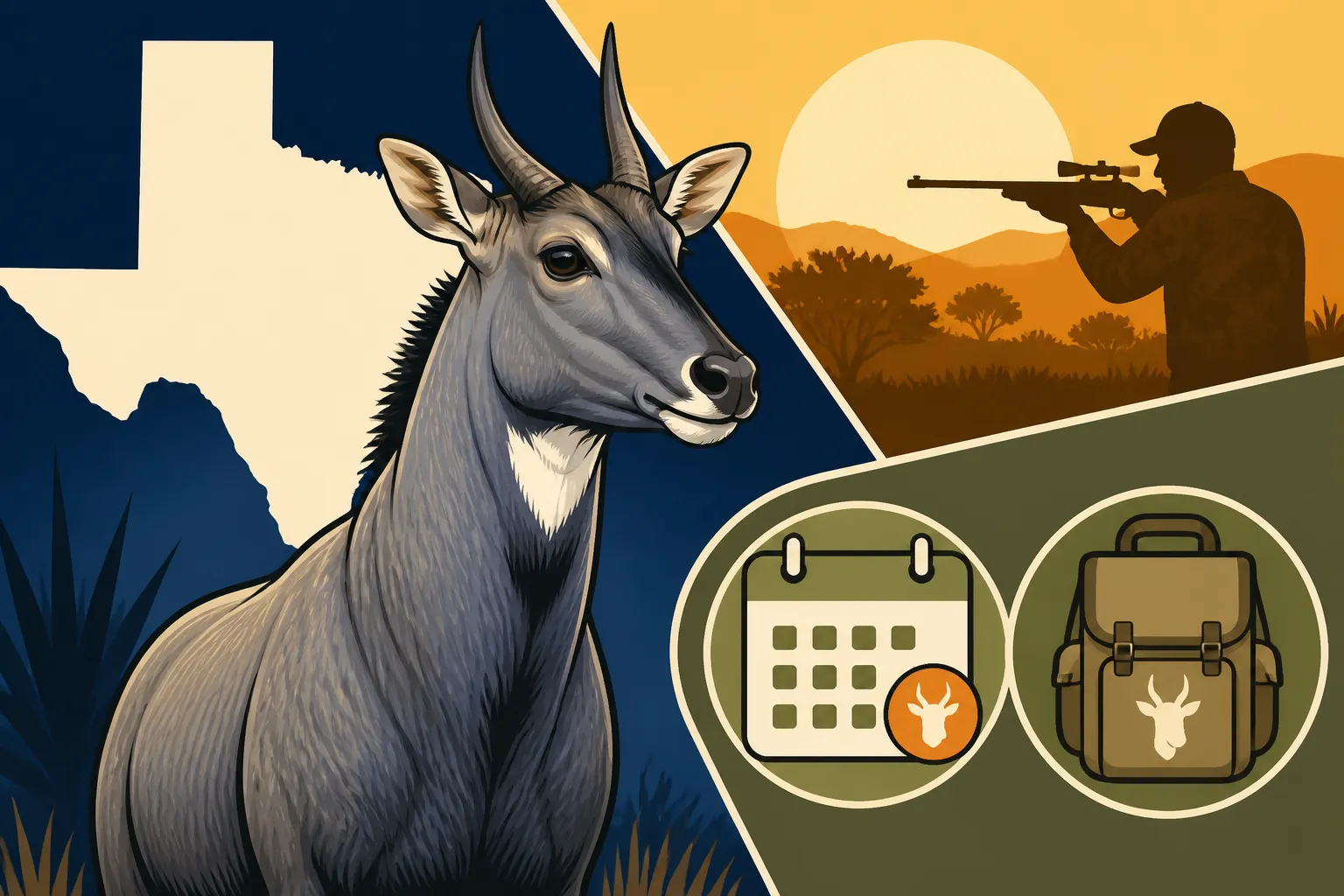
Nilgai, often called "blue bull" due to the mature males' bluish-gray coat, are a fascinating and challenging exotic species to hunt in Texas. Originating from India and Pakistan, these large antelopes were introduced to South Texas in the 1930s and have since established a robust free-ranging population, primarily on vast ranches along the Gulf Coast. Their sheer size, keen senses, and preferred dense brush habitat make them a formidable quarry.
Nilgai Biology and Behavior
Nilgai are the largest antelope species native to Asia, with mature bulls weighing upwards of 600-700 pounds and standing nearly 5 feet tall at the shoulder. They are distinguished by their robust build, short, conical horns on males, and a distinctive white throat patch. Cows are typically smaller and brownish-yellow, lacking horns. These animals are incredibly hardy and have adapted exceptionally well to the South Texas landscape, thriving in the thorny brush country.
Their diet primarily consists of grasses, forbs, and browse, making them highly adaptable to various rangelands. Nilgai are generally crepuscular, meaning they are most active during dawn and dusk, but it's not uncommon to see them moving during cooler parts of the day, especially in more remote areas. They are known for their incredible speed and stamina when spooked, often busting through dense cover with surprising agility. Their senses, particularly their eyesight and hearing, are exceptionally acute, making close approaches a significant challenge for even the most seasoned hunter. Understanding these behavioral patterns is crucial for anyone planning to hunt them, as it directly influences scouting, approach, and shot placement.
Primary Habitat and Range in Texas
While nilgai can be found in scattered populations across Texas, their stronghold is undoubtedly the vast private ranches of South Texas, particularly in counties like Kenedy, Willacy, and Kleberg, which border the Gulf Coast. This region, characterized by extensive tracts of dense thorny brush, mesquite, and coastal prairie, offers the perfect environment for nilgai to thrive. The King Ranch, for example, is home to one of the largest free-ranging nilgai populations outside of their native Asia.
These expansive, low-fenced properties allow nilgai to roam freely, establishing their own territories and migratory patterns within the ranchland. This free-ranging nature makes hunting them incredibly exciting and unpredictable, far removed from the more contained experience sometimes associated with high-fence exotics. However, it also means that hunters must be prepared for long stalks, difficult tracking, and the distinct possibility of nilgai disappearing into thick cover, requiring considerable patience and persistence. Access to these prime hunting grounds is almost exclusively through private landowners or reputable hunting outfitters who manage the herds responsibly.
Nilgai Hunting Regulations
Here’s where things get refreshingly simple for nilgai compared to native game: Texas offers a unique regulatory framework for exotic species, and nilgai benefit from this hands-off approach. This simplifies planning but still requires adherence to general hunting principles.
Are There Specific Seasons for Nilgai?
One of the biggest questions new nilgai hunters ask is about the "nilgai season." The fantastic news is that, for nilgai and most other exotic game species on private land in Texas, there isn't a state-mandated hunting season. That’s right – nilgai can be hunted year-round! This flexibility is a huge advantage, allowing hunters to schedule their trips based on personal availability, weather conditions, or when nilgai are most active.
This year-round opportunity contrasts sharply with species like white-tailed deer or Rio Grande turkey, which have very specific open and closed dates that vary by zone. The absence of a fixed season for nilgai is due to their classification as an exotic species, meaning the state doesn't manage their population through seasonal hunting limits. Landowners and hunting outfitters on private land have the primary authority to set their own hunting schedules, often influenced by herd management goals, breeding cycles, and hunter demand. While you can hunt them any time, many hunters still prefer cooler months from late fall to early spring, as the intense South Texas summer heat can make tracking and field dressing a true challenge.
Understanding Bag Limits and Harvest Reporting
Just like with seasons, the state of Texas does not impose a statewide bag limit on nilgai harvested on private property. This means that if you’re hunting on a private ranch or lease, the bag limit is typically determined by the landowner or outfitter as part of their wildlife management plan. This flexibility allows for targeted management strategies, ensuring healthy populations while providing ample hunting opportunities. It’s not uncommon for an outfitter to offer a package that includes one bull and one cow nilgai, or perhaps multiple animals if herd reduction is a priority.
Despite the lack of a state-set bag limit, it is absolutely crucial to understand that a valid Texas hunting license is still required for hunting nilgai, just as it is for all game species. Furthermore, while there’s no specific nilgai harvest reporting requirement for the state, many outfitters will have their own internal reporting systems to track their herd's health and hunter success. It’s always best practice to clarify the exact bag limits and any reporting procedures directly with your outfitter or landowner before your hunt begins. When it comes to all forms of Texas Hunting Tags & Harvest Reporting, understanding what applies to exotic game is key.
License Requirements for Nilgai Hunting
Even though nilgai are exotics without state-set seasons or bag limits, you cannot simply go out and hunt them without the proper credentials. You will absolutely need a valid Texas hunting license to legally hunt nilgai. For most residents, the "Super Combo" license covers everything you need, including nilgai. Non-residents will need to purchase a non-resident general hunting license. This requirement ensures that all hunters are properly identified and helps fund critical wildlife conservation efforts across the state.
Beyond the general hunting license, there are no special stamps, permits, or endorsements specifically for nilgai. This contrasts with migratory birds, which require federal and state endorsements. Before purchasing your license, it's a good idea to double-check the current requirements on the Texas Parks and Wildlife Department (TPWD) website or review the latest Texas Hunting License: Cost, Types & How to Buy (2026) guide to ensure you have the most up-to-date information. While the licensing process is straightforward, ensuring you have the correct documentation in hand is the first and most fundamental step toward a legal and enjoyable nilgai hunt.
Hunting Nilgai Effectively
Nilgai are known for being exceptionally tough animals, demanding precise shot placement and often requiring powerful cartridges. Their keen senses and ability to vanish into the brush make them a challenging pursuit. Success often hinges on a combination of strategic planning, patient stalking, and appropriate gear.
Spot-and-Stalk Tactics for Nilgai
The most popular and often most effective method for hunting nilgai in Texas is spot-and-stalk. This is due to their free-ranging nature and preference for vast, open-brush country interspersed with clearings. You'll often spend hours glassing vast areas from elevated positions, such as vehicle tops, high racks, or hills, searching for that tell-tale bluish-gray coat or a flick of an ear in the brush. Once spotted, the real work begins: planning your approach.
Nilgai have incredible eyesight, so utilizing natural cover, staying downwind, and moving slowly and deliberately are paramount. They can be incredibly wary, and the slightest mistake – a sudden movement, a glint of sun off a scope, or an unfavorable wind shift – can send them crashing through the brush, never to be seen again. This type of hunting requires immense patience and physical stamina, as stalks can be long, arduous, and sometimes ultimately unsuccessful. However, the thrill of a successful Spot-and-Stalk Hunting in Texas (Exotics & Mule Deer) hunt on such a challenging animal is truly rewarding. Platforms like GoHunt, with their detailed mapping and land ownership data, can be incredibly useful for pre-scouting terrain and understanding potential escape routes, even on private land, if provided access to detailed maps.
Gear Considerations for Nilgai Hunts
Given their size and toughness, selecting the right gear for a nilgai hunt is critical. A powerful rifle chambered in a cartridge capable of delivering significant energy is highly recommended. Calibers like .300 Win Mag, .338 Win Mag, .375 H&H, or even a heavy .30-06 with premium bullets are popular choices. Bullet construction is key; choose heavy, bonded, or monolithic bullets designed for deep penetration and controlled expansion. Nilgai have thick hides and dense bone structure, particularly around the shoulders.
Optics are equally important. High-quality binoculars (10x or 12x magnification) are essential for long-range glassing in the wide-open South Texas landscapes. A reliable rangefinder is non-negotiable for accurate shot placement. For your rifle, a durable scope with good light-gathering capabilities and a clear, precise reticle is vital. Consider reviewing guides like Best Hunting Optics for Texas: Scopes, Binos & Rangefinders for specific recommendations. Beyond firearms and optics, don't forget comfortable, durable hunting boots capable of handling rough terrain and thorns, as well as plenty of water. The South Texas sun is no joke, even in cooler months.
Choosing an Outfitter or Lease
For most hunters, especially those without access to private land in the nilgai's core range, securing a hunt through a reputable outfitter or on a hunting lease is the way to go. Given the expansive nature of nilgai habitat, finding an outfitter that specializes in Nilgai Hunting in South Texas is crucial. A good outfitter will not only have access to prime nilgai country but also experienced guides who understand nilgai behavior, movement patterns, and the best tactics for a successful hunt.
When researching outfitters, look for those with a strong track record, positive reviews, and clear communication about what’s included in the hunt package, such as lodging, meals, transportation during the hunt, and initial field dressing services. Don't be shy about asking for references. If you're considering a hunting lease, understand that nilgai leases are often highly sought after due to the year-round hunting potential. Resources like GoHunt and specific guides on Hunting Leases in Texas: Complete Guide (Cost & How to Find) can help in your research, though finding an exclusive nilgai lease can be challenging and often comes with a higher price tag due to the unique opportunity it presents.
Harvesting and Processing Nilgai
The hunt doesn't end when the shot breaks. Nilgai are massive animals, and the hard work truly begins once you've successfully harvested one. Proper handling is essential, especially in the warm Texas climate, to ensure the quality of the exceptional meat.
Field Dressing a Nilgai in Texas Heat
Due to their large size, field dressing a nilgai is a significant undertaking, and it's even more critical in the often-warm Texas climate. The goal is to cool the carcass down as quickly as possible to prevent spoilage. This means getting the hide off and the viscera out immediately. A gutless method can sometimes be employed, especially for solo hunters or those without heavy equipment, but a full field dress is usually preferred for maximizing cooling. You'll need sharp, sturdy knives, a bone saw, and plenty of clean cloths or paper towels.
Many outfitters will have ATVs or tractors equipped with winches to help with extraction, but be prepared for a manual effort if you're hunting in remote, inaccessible areas. Having a plan for game recovery and cooling before the hunt is paramount. If you anticipate a hunt in particularly warm weather, consider bringing large game bags and plenty of ice to pack into the cavity as soon as the animal is dressed. For detailed instructions on proper handling, you might find guides like Field Dressing & Processing Game in Texas Heat invaluable. This step ensures that the effort you put into the hunt pays off with high-quality meat.
Meat Quality and Preparation
Nilgai meat is widely regarded as some of the finest wild game meat available. It's lean, tender, and has a mild, almost beef-like flavor, with very little of the "gamey" taste that some people associate with venison. This makes it incredibly versatile in the kitchen, appealing to a broad range of palates, including those who might typically shy away from wild game. The lack of strong game flavor is often attributed to their diet of grasses and forbs, similar to cattle.
Nilgai meat can be prepared in countless ways: steaks, roasts, ground meat, jerky, and sausages are all excellent options. Because it's so lean, it benefits from marinades or adding a bit of fat (like bacon or pork fat) when grinding for burgers or sausage to prevent it from drying out during cooking. Many hunters also value the hide for its durability and unique appearance. Harvesting a nilgai not only offers a challenging hunting experience but also provides a substantial amount of delicious, healthy protein for your freezer, making it a truly rewarding hunt from start to finish.
Nilgai Season and Bag Limit Summary Table
To give you a quick reference for the key regulations discussed, here’s a summary of nilgai season and bag limits in Texas. Remember, this applies to private land, which is where almost all nilgai hunting takes place.
| Regulatory Aspect | Detail for Nilgai in Texas (Private Land) |
|---|---|
| Hunting Season | Year-round (No state-mandated closed season) |
| Bag Limit | No state-mandated bag limit; determined by landowner/outfitter |
| License Required | Yes, a valid Texas hunting license (e.g., Super Combo) |
| Special Permits | No federal or state special permits for nilgai |
| Harvest Reporting | No state-mandated reporting; landowner/outfitter may require internal tracking |
| Legal Hunting Hours | Typically 30 minutes before sunrise to 30 minutes after sunset (unless permitted for night hunting by landowner) |
| Legal Weapon | Rifle, shotgun, archery, muzzleloader (check landowner rules) |
This table highlights the incredible flexibility afforded to nilgai hunters in Texas. The primary variable you'll need to confirm is with the specific ranch or outfitter you're hunting with, as they will set the specific terms of your hunt, including daily bag limits and preferred methods.
Final Thoughts on Nilgai Hunting in Texas
Hunting nilgai in Texas is an adventure unlike any other, offering a unique blend of challenging stalks, powerful animals, and incredible meat. The relaxed state regulations regarding season and bag limits provide immense flexibility, allowing you to plan a hunt almost any time of year. However, don't let the lack of restrictive state rules fool you into thinking it's an easy undertaking. These formidable antelopes demand respect, proper preparation, and the right gear.
Whether you're an experienced hunter looking for a new challenge or considering your first exotic hunt, nilgai offer a truly memorable experience. Remember to secure your valid hunting license, communicate clearly with your outfitter or landowner about their specific ranch rules, and prepare for a physically demanding but ultimately rewarding pursuit. The sheer quantity and quality of nilgai meat alone make the effort worthwhile, and the thrill of matching wits with such an impressive animal in the vast South Texas brush is something you won't soon forget.
Disclaimer
Please note that hunting regulations, license requirements, and season dates can change. While this guide aims to provide accurate and up-to-date information, it is always the hunter's responsibility to consult the current Texas Parks and Wildlife Department (TPWD) Outdoor Annual or website before any hunting activity to ensure compliance with all applicable laws and regulations.