Best Exotic Hunting Ranches in Texas
Trying to figure out where to hunt exotic game in Texas can feel like looking for a needle in a haystack, especially with so many ranches claiming to be the "best." It's tough to cut through the noise and find a reputable outfit that offers a quality experience, good game, and fair pricing. This guide is here to untangle that web, helping you identify some of the best exotic hunting ranches across Texas, understand what makes them stand out, and ultimately plan an unforgettable hunt.
The Allure of Exotic Hunting in Texas
Texas is a unique place for hunters, and if you've been around the block, you know our state offers something truly special when it comes to exotics. It’s not just about chasing whitetail every fall; there’s a whole world of adventure waiting. The frustration of limited seasons or scarce public land for native species often pushes hunters to discover the incredible year-round opportunities that exotic game presents right here at home.
Why Texas is the Exotic Hunting Capital
Texas's vast landscapes, diverse ecosystems, and private land ownership structure have uniquely positioned it as a mecca for exotic game hunting. Unlike many states where exotic animals are rare or highly regulated, Texas boasts thriving populations of species from all corners of the globe. This isn't just about big game; it's about the sheer variety that allows hunters to pursue animals they might only dream of seeing in their native habitats, right here in the Lone Star State. The climate, particularly in the Hill Country and South Texas, mimics many of the arid and semi-arid regions these animals call home, enabling them to flourish and create sustainable populations.
One of the biggest draws is the opportunity to hunt year-round for many exotic species. There aren't the rigid seasonal constraints you find with native whitetail or turkey hunting, offering incredible flexibility for hunters with busy schedules or those looking for an off-season adventure. This constant availability means ranches can cater to a steady stream of clients, leading to more specialized operations and higher quality experiences. Plus, for many, the challenge of hunting an unfamiliar species provides a refreshing change from traditional hunts. This is a stark contrast to the Texas Hunting Seasons: Complete Calendar by Species which outlines the more restrictive periods for native game.
It's also about conservation, believe it or not. Many of these exotic species thrive on Texas ranches, contributing to healthy populations that might be struggling in their native lands due to habitat loss or poaching. Ranch owners invest heavily in land management, feeding programs, and veterinary care to ensure these animals are healthy and provide a sustainable hunting resource. This approach helps preserve genetic diversity and provides a revenue stream that supports large tracts of open land, benefiting native wildlife as well. You can learn more about Texas Game Animals: What You Can Hunt to understand the full spectrum of huntable species in our state.
A World of Species at Your Fingertips
The sheer diversity of exotic species available for hunting in Texas is astounding. We're talking about everything from African plains game to Asian deer species and European mouflon sheep. This variety means there's an exotic hunt for every skill level, every budget, and every hunter's specific interest. Whether you're after a challenging stalk for a wary Aoudad in the Trans-Pecos or a majestic Axis deer in the Hill Country, Texas has you covered.
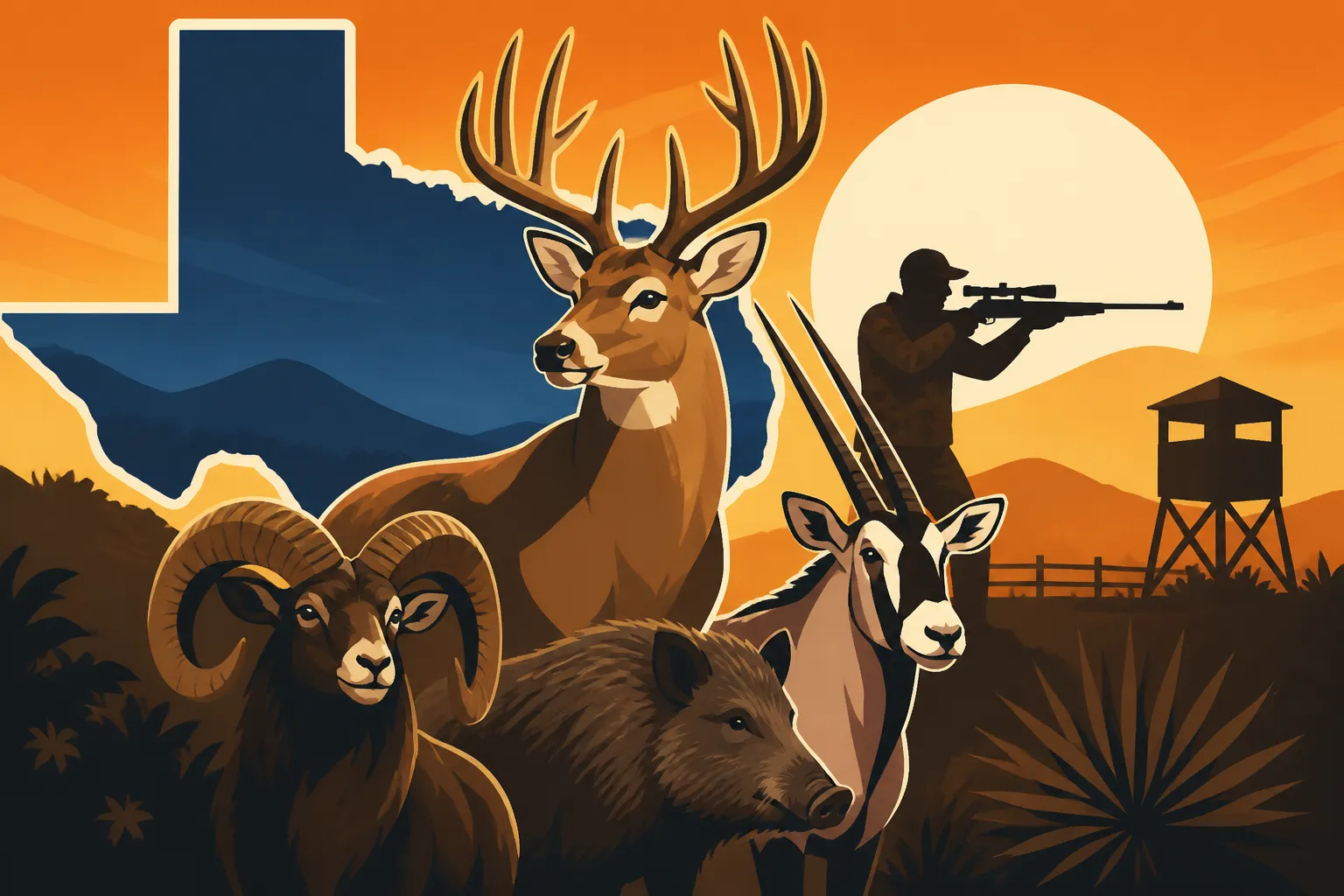
Some of the most popular exotics include the swift and beautiful Axis deer, known for its incredible venison and impressive antlers; the hardy Aoudad sheep, which offers a truly physically demanding hunt in rugged terrain; and the striking Blackbuck antelope, prized for its spiraling horns and elegant appearance. But it doesn't stop there. You can also find Nilgai, Fallow deer, Sika deer, Red Stag, Pere David's deer, Scimitar-horned Oryx, and even various species of Ibex and Mouflon. Each species presents its own unique challenge and reward, making every hunt a distinct adventure.
This array allows hunters to collect a diverse trophy room without ever leaving the state. Many ranches specialize in a few specific species, while others offer a wider "safari-style" experience, allowing hunters to combine several exotic hunts into one trip. It’s truly a choose-your-own-adventure scenario, making Texas a prime destination for both seasoned exotic hunters and those looking to try something new. For a deeper dive into all the possibilities, check out our Exotic Hunting in Texas: Axis, Aoudad, Blackbuck & More guide.
Understanding What Makes a Top Exotic Ranch
The hunting world, especially when it comes to exotics, can sometimes feel like the Wild West. How do you know you're choosing a reputable outfit that will deliver on its promises and provide a truly ethical and rewarding experience? It’s a valid concern, and knowing what to look for can save you a lot of headache and disappointment.
Reputation and Ethical Practices
When you're dropping a significant amount of money on an exotic hunt, the ranch's reputation is paramount. You want to choose an outfitter known for fair chase, honest dealings, and exceptional animal care. Unfortunately, not all operations are created equal, and some might prioritize profit over animal welfare or hunter satisfaction. A top-tier ranch will have glowing reviews, often from repeat customers, and be transparent about their hunting methods, success rates, and what’s included in the price. Don't be shy about asking for references and doing your homework.
Ethical practices extend beyond just the hunt itself. It involves how the animals are managed, whether the guides are knowledgeable and respectful, and how the ranch contributes to conservation efforts. The best ranches will have robust wildlife management plans in place, ensuring healthy herds and sustainable harvesting. They'll also adhere to local and state regulations, even if exotic species aren't as strictly regulated as native game. Look for ranches that emphasize the quality of the hunt and the experience, not just a quick kill, which unfortunately can happen at less scrupulous operations.
A truly ethical ranch will also be upfront about its facilities, accommodations, and the overall experience. They won't promise something they can't deliver. This includes clear communication about any additional costs, like lodging, meals, trophy prep, or guide fees. You want to feel confident that you're supporting an operation that respects the animals, the land, and its hunters, ensuring your investment goes towards a truly memorable and responsible hunt.
Quality of Animals and Habitat
The primary reason you're booking an exotic hunt is for the animals, so their quality and health are critical. A premier ranch will have strong genetics within its herds, leading to impressive trophy potential. This isn't just about size; it's about healthy, vibrant animals that are a true representation of their species. Ranchers achieve this through careful breeding, selective harvesting, and providing optimal nutrition through supplemental feeding and habitat management.
The habitat itself plays a huge role in the hunting experience. While many exotic hunts occur behind high fences, the best ranches offer vast, naturalistic enclosures that provide a challenging hunt. These aren't small pens; they're often thousands of acres of diverse terrain – thick brush, rolling hills, open pastures – mimicking the animals' native environments. This ensures the animals are truly wild in their behavior, requiring genuine hunting skill rather than just a shooting gallery experience. For understanding the terrain, tools like onX Hunt can be incredibly useful, even on private ranches, for getting a lay of the land and understanding topography before your hunt.
A ranch that prioritizes habitat means a more engaging and memorable hunt. When you're able to spot-and-stalk a magnificent Red Stag through dense oak motts or track an elusive Aoudad up a rocky canyon, it transforms the experience from a simple harvest into a true hunting adventure. The best exotic hunting ranches in Texas understand this and invest heavily in creating environments that challenge hunters and allow animals to thrive.
Premier Exotic Hunting Regions and Ranches in Texas
Texas is a big state, and different regions offer unique experiences and specialize in various exotic species. Knowing where to start looking can feel overwhelming, but understanding the distinct characteristics of each prime area can help narrow down your search for that perfect exotic hunting ranch.
The Texas Hill Country
The Texas Hill Country, with its rolling limestone hills, live oaks, and cedar thickets, is arguably the heart of exotic hunting in the state. This region, encompassing counties like Kerr, Llano, Mason, and Gillespie, boasts the highest concentration of exotic game ranches. The terrain provides excellent cover for animals and offers a variety of hunting scenarios, from open country stalks to close-quarters encounters in dense brush. Many hunters find the scenic beauty of the Hill Country adds an extra layer of enjoyment to their trip, making it a favorite for many.
Ranches in this area often specialize in Axis deer, Fallow deer, Sika deer, Blackbuck antelope, and various sheep species like Mouflon and Aoudad. The mild climate generally allows for good hunting conditions year-round, making it a flexible destination. Some well-known operations, like Y.O. Ranch Headquarters near Mountain Home or Ox Ranch in Uvalde, have been pioneers in exotic game management and offer world-class experiences with a wide array of species, top-notch lodging, and expert guides. These ranches are not just about hunting; they often provide a full luxury resort experience that truly enhances the overall trip.
The accessibility of the Hill Country, being relatively central to major Texas cities like San Antonio and Austin, also makes it a popular choice. Many ranches offer convenient packages that include lodging, meals, and guide services, simplifying the planning process for hunters coming from out of state. It's truly a destination where you can experience diverse hunting while enjoying genuine Texas hospitality.
South Texas Brush Country
While primarily known for its legendary whitetail deer, the South Texas Brush Country also hosts some exceptional exotic hunting opportunities, particularly for species that thrive in arid, dense cover. Counties like Webb, La Salle, Dimmit, and Maverick, famous for their impenetrable brush, provide a truly wild feel even for high-fence exotic hunts. The challenge of navigating this dense environment adds an exciting dimension to the hunt, making every successful stalk or ambush incredibly rewarding. The feeling of being deep in the monte while chasing an exotic is something truly special.
Nilgai antelope, originally from India, have established a significant free-ranging population on large ranches along the South Texas coast and nearby counties, offering a truly unique hunting experience. These large, tough animals require heavy calibers and skilled tracking, making for an adrenaline-pumping chase. Other exotics like Axis deer and Blackbuck are also found here, often thriving in the vast, contiguous tracts of brush. The sheer scale of some South Texas ranches means that even within high fences, animals roam vast distances, providing a genuine challenge reminiscent of a true safari.
Ranches such as King Ranch, while mostly private and exclusive, have some of the most impressive Nilgai populations. For those seeking a more accessible experience, numerous reputable outfitters throughout the region, from the Laredo area down to the coast, offer guided hunts for Nilgai and other exotics. The emphasis here is often on ruggedness and immersion in the authentic Texas landscape, providing a contrasting experience to the more manicured Hill Country ranches. You can learn more about How to Hunt Nilgai in Texas for detailed tactics in this region.
Trans-Pecos Region (West Texas)
For the hunter seeking a true wilderness challenge, the Trans-Pecos region of West Texas is the ultimate destination for certain exotics, especially the Aoudad sheep. This rugged, mountainous desert landscape, with its vast expanses and extreme elevations, is perfectly suited for these hardy sheep. Hunting Aoudad here is not for the faint of heart; it involves strenuous hiking, long-range shooting, and serious physical endurance, but the reward of a successful hunt in such a majestic setting is unparalleled. The breathtaking views alone are worth the effort.
While Aoudad are the star, some ranches in the Trans-Pecos also offer opportunities for other exotics, though often in more contained, yet still expansive, areas. The appeal of this region lies in its raw, untamed beauty and the physically demanding nature of the hunt. Outfitters here tend to be highly specialized in mountain hunting tactics, requiring skilled guides who know the terrain and animal behavior intimately. Their local knowledge is absolutely crucial for a successful and safe hunt in this unforgiving environment.
The Black Gap WMA (a public land option with specific draw hunts) and various private ranches throughout the Davis Mountains and Big Bend region are prime locations for Aoudad. Planning a hunt in this remote area requires careful consideration of logistics, including travel, accommodations, and physical preparation. It's a hunt that demands respect for the environment and an appreciation for true backcountry adventure. You can learn more about How to Hunt Aoudad Sheep on a Texas Lease for specific strategies and expectations.
Planning Your Exotic Hunting Adventure
So you've decided an exotic hunt is for you – awesome! But now comes the nitty-gritty of making it happen. The planning phase can sometimes feel as daunting as the hunt itself, especially when you're navigating new species and unfamiliar territory. Don't worry, we'll break it down so you feel confident every step of the way.
Choosing the Right Ranch and Guide
Once you've decided on the species and region, the next step is finding the right ranch and, importantly, the right guide. This can make or break your hunt. A good guide isn't just someone who points out an animal; they're an expert tracker, a seasoned shot coach, a wealth of knowledge about the local flora and fauna, and often, excellent company. They should understand your hunting style, physical capabilities, and what you hope to achieve. Don't hesitate to interview potential guides or ask the ranch for their guide's credentials and experience with the specific exotic you're targeting.
When researching ranches, use resources like reputable hunting forums, social media groups, and dedicated hunting travel sites. Look for consistent positive feedback regarding animal quality, guide performance, and overall camp experience. Pay attention to how transparent the ranch is about its pricing and what is included. Some ranches operate on a "trophy fee" basis, where you pay for the animal only if harvested, while others offer all-inclusive packages. Ensure you understand all potential costs upfront, including taxidermy preparation, caping, and meat processing. A comprehensive hunting app like onX Hunt can also be invaluable during your research, allowing you to scout potential terrain types and understand property boundaries even if you're not on the ground yet.
Booking in advance is almost always recommended, especially for prime dates or popular species. Many top-tier ranches have limited availability, and their schedules fill up quickly. GoHunt is another excellent resource for planning hunts, providing detailed information and tools to help you narrow down your options and compare outfitters effectively. This due diligence ensures you secure the best possible experience.
Essential Gear and Preparation
The gear you need will largely depend on the exotic species you're pursuing and the specific hunting method. For instance, an Aoudad hunt in the mountains will require rugged hiking boots, layered clothing, and potentially long-range shooting equipment, whereas a Blackbuck hunt in open fields might necessitate lighter apparel and excellent binoculars. Always consult with your chosen ranch or guide for their specific recommendations; they know their terrain and animals best and can offer invaluable advice.
Regardless of the species, some basics are universally important. Quality optics, including binoculars and a rangefinder, are non-negotiable for spotting and judging animals accurately. A reliable rifle chambered in an appropriate caliber for the game (often .270 or larger for most medium to large exotics), along with sufficient ammunition, is key. Don't forget a good hunting knife for field dressing, a comfortable backpack for essentials, and plenty of water, especially in the Texas heat. Sun protection, including a hat and sunscreen, is also vital. Before heading out, make sure you're equipped with the right tools. Our guide on Best Hunting Gear for Beginners in Texas (By Budget) offers excellent advice for equipping yourself for any Texas hunt, exotic or otherwise.
Physical preparation is often overlooked, but it can significantly impact your enjoyment and success, especially for species like Aoudad. Even for less strenuous hunts, being in decent shape will make the experience more comfortable and allow you to cover more ground if needed. Practice your shooting well in advance to ensure you're confident with your rifle at various distances. Remember, an ethical shot is paramount, and preparation ensures you're ready when the moment of truth arrives. You might also want to read up on How to Field Dress a Deer in Hot Weather, as this skill translates well to most exotic game.
Cost and Value of an Exotic Hunt
Let's face it, one of the biggest questions on any hunter's mind when considering an exotic hunt is, "How much is this going to cost me?" It's a fair question, and it's easy to feel overwhelmed by the numbers you might see advertised. But understanding what goes into those costs, and the value you're truly getting, can help you plan a realistic budget and set your expectations.
Breaking Down the Expenses
Let's be real, exotic hunting in Texas isn't always cheap, but the value can be incredible. The costs can vary wildly depending on the species, the ranch's reputation, the size of the animal, and the level of service provided. Trophy fees for a common Axis deer might range from $2,500 to $4,500, while a larger, more elusive species like a Red Stag or a Trophy Aoudad could run $5,000 to $15,000 or even more. These fees usually cover the animal itself once harvested, so you're not paying if you don't take one home (though daily rates still apply).
Beyond the trophy fee, you'll typically have daily rates that cover lodging, meals, and guide services. These can range from $250 to $700+ per hunter per day, with non-hunting guests sometimes paying a reduced rate. Other potential costs include hunting license fees (though many exotics don't require one if hunted on private land, a general hunting license is always a good idea for overall compliance), meat processing, taxidermy preparation, and gratuities for your guide and camp staff. Airfare and ground transportation to the ranch will also need to be factored in, especially if you're traveling from outside Texas. You'll also need to consider your Texas Hunting License: Cost, Types & How to Buy (2026) as, even for exotics, a general license is often recommended or required depending on the specific hunt.
It’s crucial to get a detailed quote from the ranch that breaks down all these potential expenses. Ask explicitly about hidden fees or services that might seem included but aren't. Some ranches offer all-inclusive packages which, while appearing more expensive upfront, can actually simplify budgeting and prevent surprises down the road. Don't be afraid to compare different ranches and their offerings to find the best value for your budget and desired experience. Many hunters are also curious about the overall cost of hunting land, and how exotic hunts compare to securing Hunting Leases in Texas: Complete Guide (Cost & How to Find) for native species.
What You Get for Your Investment
When you invest in a quality exotic hunt in Texas, you're buying more than just an animal; you're purchasing an experience. This often includes comfortable lodging, delicious home-cooked meals, and the camaraderie that comes with sharing a camp with fellow hunters and experienced guides. Many ranches are family-owned and operated, offering a truly personal touch that makes you feel like part of the family, often creating bonds that last a lifetime. The stories shared around the campfire are often as memorable as the hunt itself.
You're also gaining access to professionally managed lands with healthy, thriving populations of unique animals. These ranches often employ skilled guides who are passionate about conservation and providing an ethical, fair chase hunt. Their expertise significantly increases your chances of success and enhances the overall learning experience, helping you understand the animals and their behavior. For those passionate about venison, the meat from species like Axis deer is widely considered some of the Best Wild Game Meat in Texas (Ranked). This is a big reason many pursue them, aside from the trophy.
Ultimately, the value of an exotic hunt comes down to the memories created, the challenges overcome, and the unique trophy (or freezer full of delicious meat) you take home. It's an opportunity to step out of your comfort zone, pursue a bucket-list animal, and explore some of the most beautiful parts of Texas. With careful planning and choosing a reputable ranch, your investment will yield dividends in unforgettable moments and lifelong stories. For those looking to hunt species like Axis deer, you might be interested in How to Hunt Axis Deer Year-Round as their patterns are different from native deer.
| Exotic Species | Typical Trophy Fee Range (Est.) | Primary Habitat in Texas | Hunt Difficulty (1-5, 5 being hardest) | Meat Quality |
|---|---|---|---|---|
| Axis Deer | $2,500 – $4,500 | Hill Country, South Texas | 2-3 | Excellent |
| Blackbuck Antelope | $2,000 – $4,000 | Hill Country, South Texas | 2-3 | Good |
| Fallow Deer | $3,000 – $6,000 | Hill Country, East Texas | 2-3 | Very Good |
| Sika Deer | $2,500 – $5,000 | Hill Country, East Texas | 2-3 | Very Good |
| Aoudad Sheep | $4,000 – $10,000+ | Trans-Pecos (Mountains) | 4-5 | Fair-Good |
| Nilgai Antelope | $3,500 – $7,000 | South Texas Coast | 3-4 | Excellent |
| Red Stag | $5,000 – $15,000+ | Hill Country | 3-4 | Very Good |
| Scimitar Oryx | $3,500 – $6,000 | Hill Country, South Texas | 3-4 | Excellent |
Important Hunting Disclaimer
Please remember that hunting regulations, seasons, and licensing requirements can change. Always consult the most current Texas Parks and Wildlife Department (TPWD) Outdoor Annual or their official website before planning any hunt. This guide is for informational purposes only and should not be considered legal advice. Ethical hunting practices and landowner regulations must always be followed.