Hog Hunting With Dogs in Texas
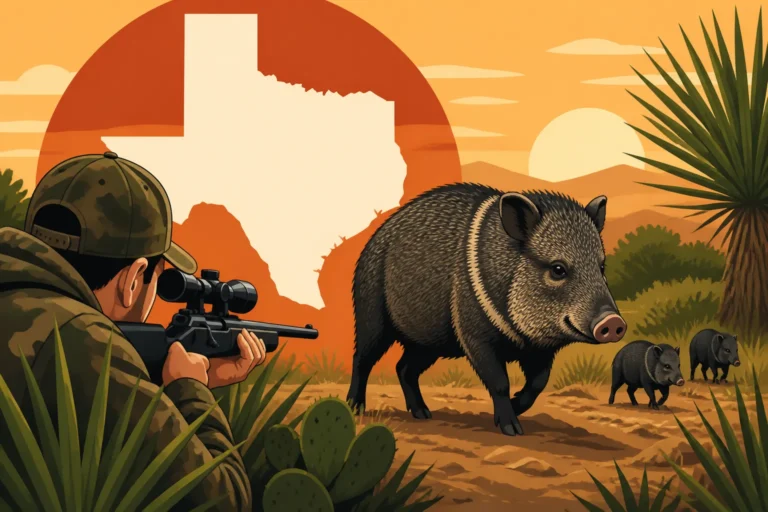
Texas is home to an astonishing and often overwhelming population of feral hogs, which are a major headache for landowners, farmers, and even other wildlife. These intelligent, destructive animals reproduce at an alarming rate, and trying to control them with traditional hunting methods alone can feel like an uphill battle. If you've ever spent countless hours stalking only to have a sounder vanish into thick brush, you know the frustration. This comprehensive guide will dive deep into a highly effective, albeit often misunderstood, method for tackling these prolific pests: hog hunting with dogs. We'll explore everything from the roles different dogs play to the legalities, necessary gear, and how to execute a successful hunt, so you can understand if this method is right for you.
The Reality of Hog Hunting with Dogs in Texas: What to Expect
Let's be real, hog hunting with dogs isn't for the faint of heart, nor is it some casual stroll in the woods. It's an intense, high-energy, and often adrenaline-fueled endeavor that requires a significant commitment from both the hunter and their canine companions. While many envision a dramatic chase scene, the reality is a nuanced interplay between instinct, training, and strategy, all aimed at controlling a resilient and sometimes dangerous animal. This method is incredibly effective for managing hog populations, especially in dense terrain where traditional spot-and-stalk or stand hunting proves difficult.
Why Dogs are So Effective for Hog Control
Feral hogs are masters of concealment. Their natural camouflage and ability to navigate dense brush make them incredibly hard to find and target using conventional hunting methods. This is where a well-trained dog team truly shines. Dogs possess an incredible sense of smell and an inherent drive to track, locate, and corner these elusive creatures. They can push hogs out of cover, hold them at bay for a hunter, or even physically restrain them, allowing for a quick and humane dispatch. For landowners struggling with crop damage or habitat destruction, employing dogs can significantly reduce hog numbers in a way other methods often can't. If you're looking for an effective way to control a rampant hog population, perhaps on your lease, consider looking into Feral Hog Hunting Tactics for Texas.
Setting Realistic Expectations for Dog Hunts
Before you even think about getting a dog or joining a hunt, it's crucial to set realistic expectations. This isn't a guaranteed trophy hunt every time, nor is it always neat and tidy. You'll be traversing challenging terrain, sometimes in extreme Texas heat, following dogs that are often moving at a fast pace. Hogs are powerful animals, and there's always a risk of injury to both dogs and hunters. Equipment can get damaged, and hunts can sometimes end without success. It's physically demanding, mentally taxing, and requires a resilient attitude. However, the satisfaction of a successful hunt, knowing you're making a real impact on a destructive species, is incredibly rewarding. Expect early mornings, long days, and the occasional late-night recovery.
Understanding the Different Roles of Hunting Dogs
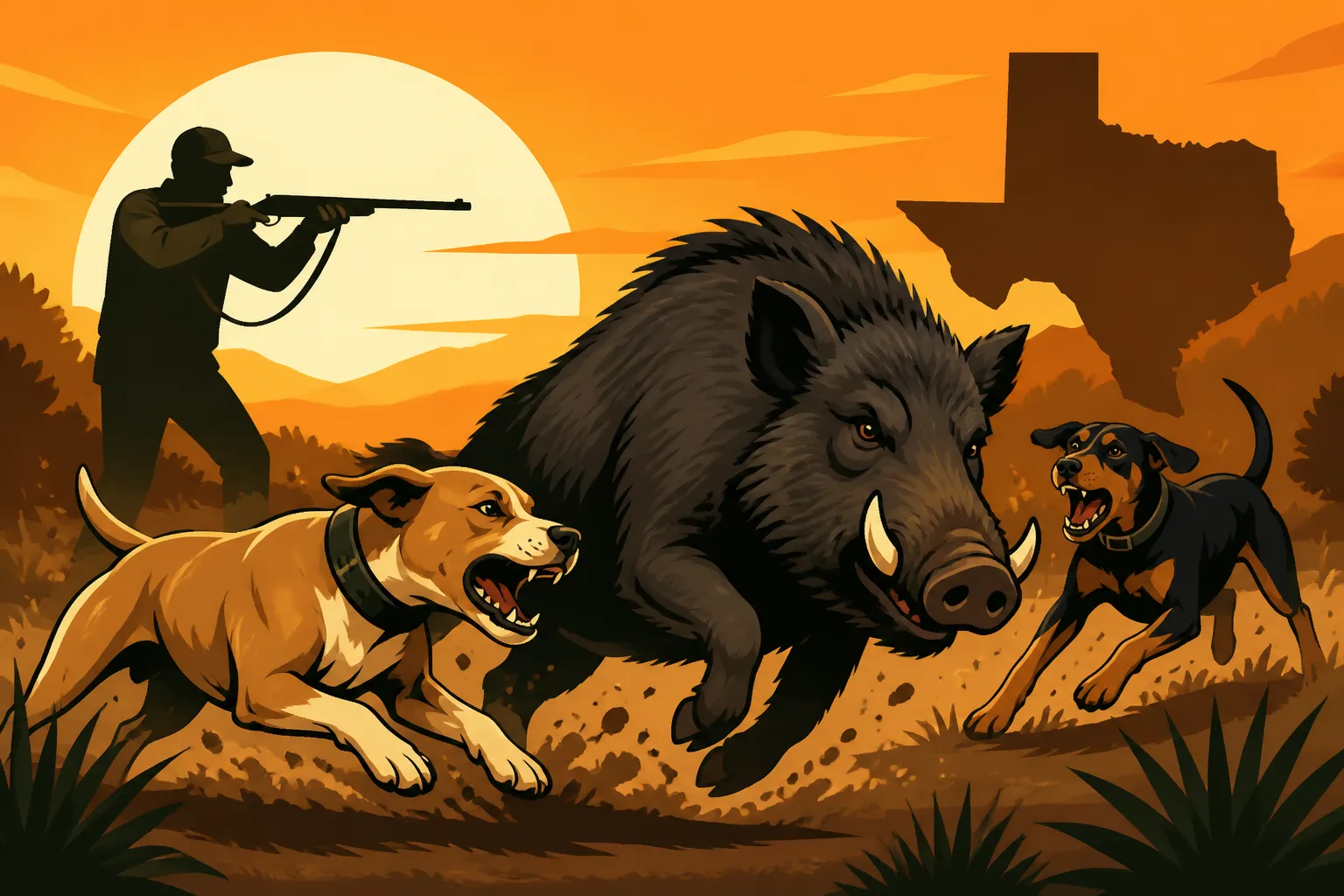
When we talk about hog hunting with dogs, it's not just "dogs" doing the work; it's a team of specialized canines, each with a distinct role. Think of it like a well-oiled machine, where each dog's specific skills contribute to the overall success of the hunt. Generally, these dogs fall into two main categories: bay dogs and catch dogs. A balanced team usually consists of a mix of both, working in harmony.
Bay Dogs: The Trackers and Holders
Bay dogs are often the first on the scene, responsible for tracking the hogs, locating them, and then "baying" them. To bay means to corner or surround the hog, barking persistently to keep it in one place without making physical contact. Their job is to keep the hog focused on them, creating a distraction and preventing it from escaping. These dogs are typically lighter, faster, and more agile, allowing them to evade the hog's charges.
Common breeds used as bay dogs include Catahoula Leopard Dogs, Black Mouth Curs, and some mixes of hounds and cur dogs. They need to be incredibly vocal, courageous, and smart enough to avoid getting injured. A good bay dog knows how to work the perimeter, keeping the hog agitated but not provoked into a full-on attack. Their barks serve as an auditory beacon for the hunters, guiding them to the action. Without effective bay dogs, hunters would often struggle to pinpoint the hog's exact location in dense cover, making the dispatch much harder. They're the early warning system and the steadfast anchors of the hunt.
Catch Dogs: The Closers
Once the bay dogs have a hog cornered and distracted, the catch dogs come into play. These are the heavy hitters, the dogs built for strength and stamina, whose job it is to physically engage and hold the hog, allowing the hunter to move in for a safe and humane dispatch. Catch dogs typically have powerful jaws and thick, protective hides, and are often fitted with specialized protective vests to minimize injury.
Breeds commonly used as catch dogs include American Bulldogs, Pit Bulls, Dogo Argentinos, and various mastiff mixes. These dogs are trained to grab hold of a hog, usually by the ear or flank, and keep it still. It sounds brutal, and it can be, but a well-trained catch dog aims to control the animal quickly, minimizing the duration of the struggle. The goal is a swift, ethical end to the hunt, and the catch dog facilitates this by neutralizing the hog's ability to run or charge the hunter. Their bravery is undeniable, and their training is paramount to ensuring their safety and the success of the hunt. Hunters usually approach the bayed hog cautiously, and only release the catch dogs when they are ready to move in for the final shot or knife dispatch. Understanding Best Shot Placement for Hogs is crucial here for a humane kill.
Legalities and Ethics of Using Dogs for Hog Hunting in Texas
Texas has some of the most liberal hunting laws when it comes to feral hogs, primarily because they are considered an exotic, invasive species causing billions of dollars in damage annually. However, even with this flexibility, there are still important legal and ethical considerations to keep in mind when hunting with dogs. It's not just about what you can do, but what you should do to ensure a safe, responsible, and ethical hunt.
Texas Parks and Wildlife Department Regulations
The good news for dog hunters in Texas is that feral hogs can be hunted year-round, day or night, with no bag limit, and with no closed season. This applies to hunting with dogs as well. You don't even need a hunting license to hunt feral hogs if you are a Texas resident hunting on private property, or if you are a non-resident landowner hunting on your own land. However, if you are hunting on public land, or if you are a non-resident hunting on someone else's private land, a valid Texas hunting license is required.
While the general rules are lax, it's important to remember that all other hunting regulations still apply. This includes respecting property boundaries, ensuring hunter safety, and adhering to any local ordinances that might restrict certain hunting activities. For example, discharging a firearm within city limits is typically illegal. When looking into Public Hog Hunting in Texas, always double-check specific WMA regulations, as they can have unique rules regarding methods, access, and even dog use.
| Regulation Aspect | Feral Hog Hunting in Texas (with Dogs) |
|---|---|
| Hunting License | Not required for Texas residents hunting on private land they own or have permission to hunt. Required for non-residents, or for anyone hunting on public land. |
| Season & Bag Limit | Year-round, no closed season, no bag limit. This applies to hunting with dogs. |
| Hunting Hours | Day or night permitted. |
| Weapon Restrictions | Generally none for private land, but always check local ordinances. For public land, follow WMA specific rules. |
| Private Land Consent | Always required. Written permission is highly recommended to avoid any disputes. |
| Public Land Rules | Vary significantly by WMA. Always consult the specific WMA regulations for dog hunting allowances, weapon types, and access restrictions. |
| Mandatory Harvest Reporting | Not required for feral hogs. |
Ethical Considerations and Public Perception
The sight of dogs engaging a hog can be unsettling for some, and it's important for dog hunters to understand and uphold the highest ethical standards. The primary goal should always be a quick, humane dispatch of the animal. Prolonged struggles or unnecessary suffering are not only unethical but also contribute to a negative public perception of hunting.
Key Ethical Practices:
- Minimizing Harm to Dogs: Your dogs are your partners. Investing in quality protective gear (like cut vests) and providing excellent training and veterinary care is paramount. A responsible hunter ensures their dogs' safety is a top priority.
- Prompt Dispatch: Once the hog is bayed or caught, hunters should move in swiftly to dispatch the animal. This means being in good physical condition to keep up with the dogs and being proficient with your chosen dispatch method (usually a knife or a handgun).
- Respect for Wildlife (even invasive ones): While hogs are a nuisance, they are still living creatures. Responsible hunters strive for clean kills and do not engage in activities that cause undue stress or injury.
- Landowner Relations: Always maintain clear communication with landowners and get explicit permission for hunting with dogs. Respect their property and any specific rules they may have.
- Proper Carcass Disposal: After a successful hunt, properly dispose of the hog carcass. This usually involves burying it or taking it to a designated processing facility. Leaving carcasses exposed is unsanitary and can attract other unwanted scavengers.
By adhering to these ethical guidelines, dog hunters can ensure they are not only effective in controlling hog populations but also acting as responsible stewards of the land and the animals.
Essential Gear and Safety for Dog Hunters
Hog hunting with dogs is a contact sport, and just like any intense activity, having the right gear is non-negotiable for the safety of both you and your canine team. Going into a dog hunt unprepared is asking for trouble, and in the dense Texas brush, trouble can find you fast. This isn't a list of "nice-to-haves"; these are essentials.
Protecting Your Canine Companions
Your dogs are your most valuable asset in the field, and protecting them is paramount. Hogs, especially large boars, can inflict serious damage with their tusks, which are razor-sharp and can cause deep lacerations.
- Protective Vests (Cut Vests): This is arguably the most critical piece of gear for catch dogs, and often for bay dogs too, especially those that get close to the action. These vests are typically made from multiple layers of puncture-resistant material like Kevlar or Cordura, designed to protect the dog's vital organs from tusks. High-quality vests also feature reflective strips for visibility and sometimes even flotation capabilities for water crossings. Brands like HogDogs and Elite K9 make excellent, durable options.
- GPS Tracking Collars: In the thick Texas brush, dogs can quickly disappear from sight and hearing. GPS collars, like those from Garmin (e.g., Alpha series) or SportDOG, are indispensable for knowing your dogs' exact location at all times. They often provide real-time tracking, allowing you to see their movement patterns, how far they've gone, and if they've stopped to bay a hog. Many systems also include e-collar functions for remote training and communication. Being able to locate a dog quickly, especially if it's injured or hung up, is crucial.
- First Aid Kits for Dogs: Injuries are a real possibility. A comprehensive dog first aid kit should include:
- Antiseptic wipes and sprays (e.g., chlorhexidine)
- Gauze pads and vet wrap
- Wound closure strips or staples
- Pain relievers (consult a vet for appropriate types and dosages)
- Hemostatic powder (to stop bleeding)
- Tweezers for removing thorns or splinters
- Saline solution for flushing wounds
- A muzzle, as an injured dog may bite out of pain.
Learning basic canine first aid is also highly recommended.
Hunter's Essential Gear
It's not just the dogs who need protection and proper equipment. Hunters also need to be prepared for the rugged environment and demanding nature of the hunt.
- Protective Clothing: Long sleeves and pants made of durable, tear-resistant material are a must to protect against thorns, briars, and insect bites. Snake boots are highly recommended, especially in areas with rattlesnakes or cottonmouths. Check out Best Snake Boots for Texas Hunting for recommendations.
- Footwear: Sturdy, comfortable, and waterproof hiking boots with good ankle support are essential for traversing uneven and brushy terrain. You'll be covering a lot of ground quickly.
- Communication Devices: Beyond the GPS collar's capabilities, a reliable two-way radio (FRS/GMRS) is vital for communicating with other hunters in your party, especially when cell service is spotty, which it often is in prime hog habitat.
- Navigation Tools: While GPS collars track dogs, a handheld GPS unit or a robust hunting app like onX Hunt or HuntStand on your phone can help you navigate the terrain, mark important locations, and find your way back. For more on this, look into Best Hunting Apps for Texas.
- Hydration and Nutrition: Carry plenty of water, especially in the Texas heat, and high-energy snacks. You'll be expending a lot of energy.
- Personal First Aid Kit: For yourself, carry a compact first aid kit with bandages, antiseptic, pain relievers, and any personal medications.
- Dispatch Weapon: A reliable, easy-to-handle handgun (like a .45 ACP or 10mm) or a sturdy, sharp hog-hunting knife is typically used for dispatch once the hog is contained by the catch dogs. Ensure you are proficient with your chosen method and practice safe handling.
- Headlamp/Flashlight: Many hunts start before dawn or extend into dusk, and sometimes a hog needs to be recovered after dark. A powerful headlamp with a red light option is invaluable.
Training Your Hog Dogs: A Lifelong Commitment
Just like any skilled athlete, a hog dog isn't born; it's made through dedication, consistent training, and often, a lot of patience. This isn't about teaching a dog a few tricks; it's about shaping their instincts into a highly effective and safe hunting partner. The training process is continuous, starting from puppyhood and evolving throughout their hunting career.
Basic Obedience and Socialization
Before any specialized hog hunting training can begin, a dog needs a solid foundation of basic obedience and good socialization. This is non-negotiable for safety, control, and developing a well-adjusted hunting companion.
- Commands: Your dog must respond instantly to commands like "come," "stay," "heel," and "leave it." These aren't just parlor tricks; they are critical safety measures in the field. Imagine your dog chasing a hog towards a highway—an instant "come" could save its life. Consistent practice in varied environments, with increasing distractions, is key.
- Leash Training: A dog that pulls constantly on a leash is a liability. They need to walk calmly, understanding that the leash is a tool for communication and control, not a tug-of-war rope.
- Socialization: Expose your puppy to various people, sounds, environments, and other animals (especially other dogs they'll be hunting with) from a young age. Well-socialized dogs are less likely to be aggressive towards people or other dogs, and they can better handle the chaotic environment of a hog hunt. A dog that is too timid or overly aggressive can be dangerous to itself and others.
Developing Scenting and Baying Instincts
Once basic obedience is rock-solid, you can start to focus on the specialized skills required for hog hunting. This phase hones their natural instincts into a controlled, effective hunting drive.
- Scent Training: Start by exposing puppies to hog scent from a young age. This can be done with hog hides, blood, or even just letting them explore areas where hogs have been. This builds their interest and familiarity with the target scent.
- Simulated Baying: This is often done in controlled environments, like a pen with a small, live hog. This allows the dogs to develop their baying technique—how to circle, bark, and hold the hog without making contact. Crucially, it teaches them to gauge the hog's movements and avoid its charges. This training helps minimize the risk of injury when they encounter a wild hog. Experienced trainers can read a dog's body language and correct any undesirable behaviors, like getting too close too soon.
- Introducing Other Dogs: As dogs progress, they are gradually introduced to hunting with other experienced bay dogs. They learn to work as a team, sharing the responsibility of holding the hog and backing each other up. This collaborative aspect is vital for effective and safe hog dogging.
Training for Catch Dogs: The Art of the Hold
Training a catch dog requires an even more specific and careful approach, given their role in direct engagement. The goal is to teach them to grab and hold, not to maim or fight unnecessarily.
- Bite Work (Controlled Environment): This is usually done with bite sleeves or protective suits, gradually transitioning to controlled encounters with small hogs in a pen. The dog is taught where to bite (typically the ear or jowl for control, or the flank) and how to hold firmly without thrashing. The focus is on a quick, decisive hold.
- Pressure Training: Catch dogs need to be able to withstand pressure. They'll be hit, shoved, and possibly bitten by the hog. Training involves simulated pressure to build their resilience and determination to hold until the hunter arrives.
- Timing and Release: Crucially, catch dogs are taught to release the hog on command. This control is vital for safety, allowing the hunter to intervene and dispatch the animal without further struggle, and to retrieve the dog safely.
- Protective Gear Familiarization: Introduce protective vests early in training so the dogs become comfortable wearing them. This ensures they aren't distracted or inhibited by the gear during an actual hunt.
Consistent, positive reinforcement, combined with clear boundaries and correction, is the cornerstone of all hog dog training. It's a journey, not a destination, and requires patience, understanding, and a deep bond between hunter and dog. For those considering hunting hogs at night, you'll find that having well-trained dogs, whether bay or catch, is even more critical for safety and efficiency, as explained in How to Hunt Hogs at Night With Thermal.
Executing a Successful Dog Hunt: From Start to Finish
A successful hog hunt with dogs is more than just turning dogs loose; it's a carefully orchestrated sequence of events, from pre-hunt preparation to post-hunt recovery. Every step is crucial for the safety of the dogs, the hunters, and for achieving a humane and effective outcome. It requires teamwork, communication, and a keen understanding of both hog behavior and your dogs' capabilities.
Pre-Hunt Scouting and Planning
Just like any other hunting method, proper scouting is essential for hog dogging. You can't just drive around hoping to stumble upon them.
- Sign Recognition: Look for fresh hog sign: rooted-up areas, wallows, rubs on trees, and tracks. Hogs prefer thick cover during the day, often near water sources. Recognizing areas where hogs are actively feeding and bedding will increase your chances significantly. Understanding How to Pattern Hogs on Your Lease can be a huge asset here.
- Terrain Assessment: Familiarize yourself with the terrain. Identify areas of dense cover where hogs might hide, open areas they might cross, and any potential hazards like fences, roads, or cliffs. Knowing the layout helps you anticipate hog movements and plan your approach.
- Weather Conditions: Hot weather can quickly tire out dogs and increase the risk of heatstroke. Cool, overcast days are generally preferable. Heavy rain can wash away scent, making tracking more difficult. Always check the forecast and plan accordingly.
- Team Coordination: If hunting with a group, establish clear roles and communication protocols beforehand. Who will handle the bay dogs? Who will follow with the catch dogs? What are the hand signals or radio codes?
The Hunt: From Release to Bay-Up
With scouting complete and a plan in place, it's time to unleash the hounds (literally!).
- Releasing the Bay Dogs: Bay dogs are typically released in areas with fresh hog sign. The lead bay dog, often the most experienced tracker, will pick up the scent and lead the pack. Hunters follow, listening intently to the dogs' barks and monitoring their GPS collars. The excitement builds as the dogs pick up speed and their barks become more urgent, indicating they're closing in.
- Following the Chase: This is where your physical fitness comes into play. You'll need to keep pace with the dogs, often jogging or briskly walking through challenging terrain. Rely on your GPS tracker to know their exact location and direction. This phase can be long or short, depending on how quickly the hogs are located and whether they stand their ground or try to run.
- The Bay-Up: The crescendo of the hunt is the "bay-up," when the bay dogs have successfully cornered a hog and are holding it in place with their continuous barking. You'll hear the distinct, steady rhythm of their barks, indicating the hog is contained. At this point, the hunters need to move in quickly but cautiously.
Dispatch and Recovery
Once the hog is bayed, the critical final steps begin, focused on safety and humane dispatch.
- Approaching the Bay: Approach the bay carefully, staying aware of the hog's position and the dogs' movements. Hogs can be incredibly aggressive and will charge if given the opportunity. Assess the situation: how many hogs, their size, and the density of the cover.
- Releasing the Catch Dogs (if necessary): If the hog is actively fighting or attempting to break through the bay, the catch dogs are released. Their job is to quickly engage and hold the hog, immobilizing it and making it safe for the hunter to approach. This is the moment when protective vests are truly tested.
- Humane Dispatch: With the hog held by the catch dogs, the hunter moves in for the dispatch. As mentioned earlier, a handgun or a sharp knife is typically used for a quick, humane kill. This requires precision and confidence. For larger hogs, a well-placed knife to the heart or a shot to the brain is often preferred for a swift end. Knowing Best Shot Placement for Hogs is vital for this critical moment.
- Dog Retrieval and First Aid: Immediately after dispatch, ensure all dogs are safely retrieved and checked for injuries. Administer any necessary first aid on the spot. Even minor cuts should be cleaned and disinfected to prevent infection.
- Carcass Handling: If you plan to process the hog for meat, begin the field dressing process as quickly as possible, especially in warm Texas weather. Learn How to Field Dress a Deer in Hot Weather as many principles apply to hogs. Transport the hog out of the brush, often with a game cart or by dragging it, to a vehicle for further processing. If you're wondering Are Feral Hogs Good to Eat?, the answer is often a resounding yes, especially younger hogs!
Executing a successful dog hunt is a testament to careful planning, dedicated training, and respect for both the animals and the intense nature of the endeavor.
Disclaimer
Hunting is an inherently dangerous activity. This guide provides general information and recommendations. Always prioritize safety, adhere to all local, state, and federal regulations, and obtain proper landowner permissions. The use of dogs in hunting carries risks, and hunters are responsible for the well-being of their animals and themselves. Consult with experienced local hunters and wildlife officials for specific guidance in your area.