Best Hunting Method for Aoudad Sheep in Texas
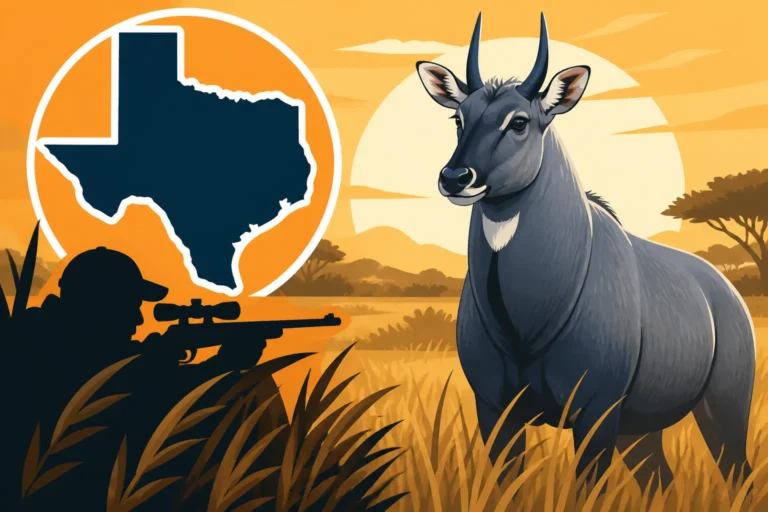
One of the most common frustrations for Texas hunters transitioning from the cedar breaks of the Hill Country to the rugged rimrock of the Trans-Pecos is the realization that traditional stand-and-feeder tactics simply don't work for Aoudad. These "poor man’s sheep" are nomadic, incredibly observant, and inhabit terrain that punishes the unprepared. This guide breaks down why the spot-and-stalk method is the undisputed king for bagging a trophy Barbary ram.
Why Traditional Blind Hunting Often Fails for Aoudad
If you have spent your life hunting Whitetail in a box blind, the idea of sitting over a feeder and waiting for game to appear is second nature. However, applying this mindset to Aoudad is a recipe for a very long, very quiet weekend. While Aoudad are technically exotics and can be found on many high-fenced ranches where they might eventually wander past a corn pile, true free-range Aoudad hunting in the mountains is a different beast entirely. They don't have a small home range like a deer, and they certainly don't follow a strict 7:00 AM breakfast schedule.
The Ghost of the Rimrock
Aoudad are masters of blending into the caliche and red dirt of West Texas. They have a nomadic spirit, often traveling miles in a single day across vertical terrain that would make a mountain goat think twice. Because they are gregarious and travel in large herds, they have dozens of eyes constantly scanning for danger. When you sit in a blind, you are restricted to a tiny sliver of the landscape. If the herd decides to spend the week three ridges over because they found a particular patch of green briar or a hidden seep, you are out of luck.
Success in Aoudad Sheep Hunting in Texas requires you to go to them, rather than waiting for them to come to you. Their eyesight is legendary; they can spot movement from miles away, and if they see a silhouette that looks out of place—like a boxy blind on a ridge—they will simply adjust their route and stay out of range. You have to be mobile, adaptive, and willing to cover ground.
Topography and the Feeder Limitation
In the vast expanses of the Trans-Pecos or the Caprock, the wind is a constant factor. Aoudad are highly sensitive to scent, and a stationary blind often traps your scent in a way that "swirls" through canyons. Furthermore, putting a feeder in the middle of a steep rimrock face is often logistically impossible. Most feeders are placed in valley floors or on flat mesas, but Aoudad prefer the "middle ground"—those steep, treacherous slopes and benches where they feel most secure.
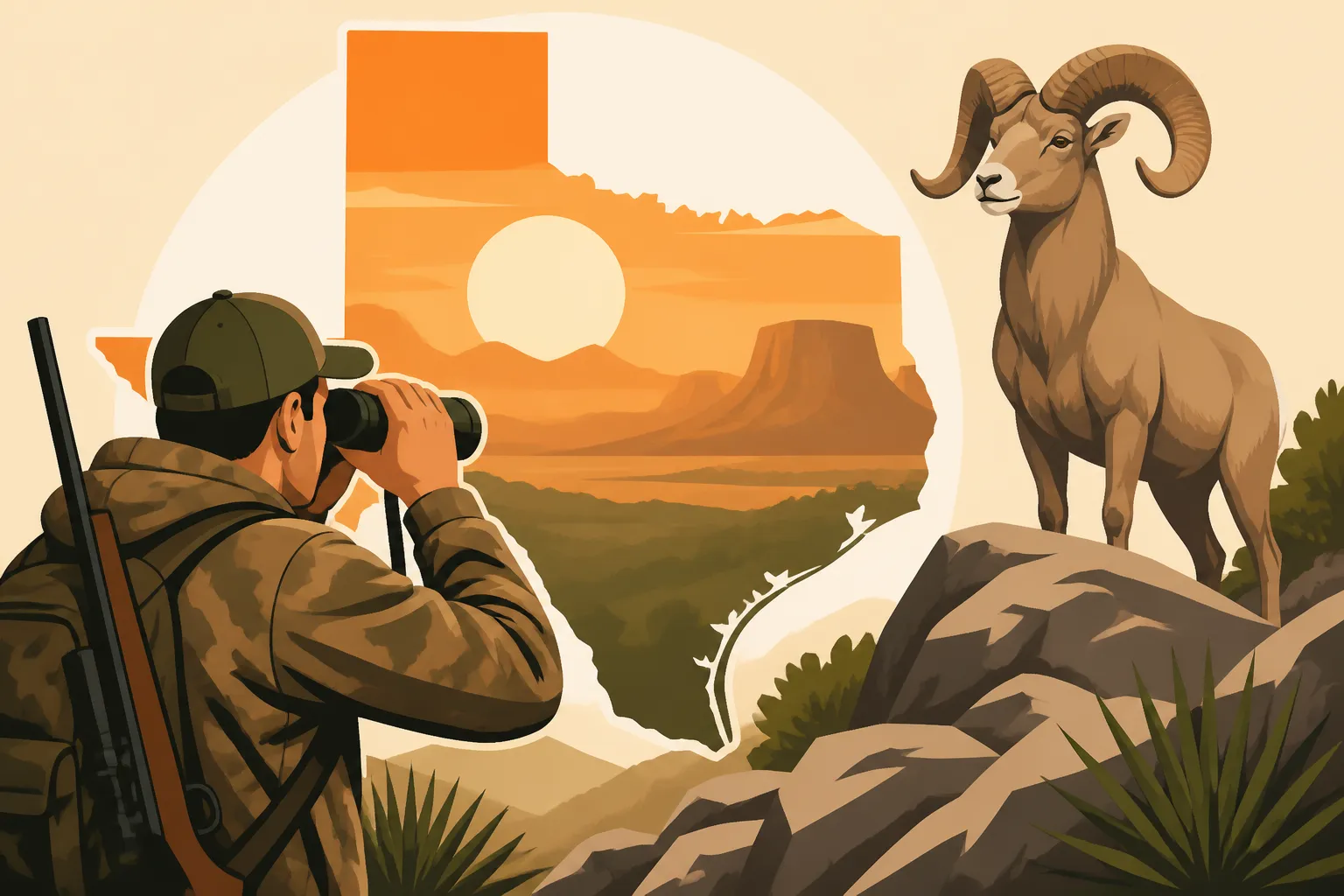
If you are serious about How to Hunt Aoudad Sheep in Texas, you have to embrace the fact that your "blind" is actually going to be your pair of binoculars. You need to be able to see into the folds of the mountain that a stationary hunter can never reach. By relying on a fixed position, you are essentially gambling that a nomadic animal will choose that one-acre spot out of a 10,000-acre mountain range. The odds aren't in your favor.
The Gold Standard: Spot-and-Stalk Tactics
There is a reason why every professional guide in West Texas swears by the spot-and-stalk method. It is the most effective way to locate these animals and put yourself in a position for a high-percentage shot. This method involves spending 90% of your time behind glass and 10% of your time in a frantic, heart-pounding climb to close the distance. It turns the hunt into a game of chess where you use the terrain to mask your approach.
Mastering the Art of Glassing
The "spot" portion of the hunt is where most hunters fail. You cannot simply glance at a mountain and say, "There are no sheep there." You must pick the mountain apart. This involves finding a high vantage point—ideally with the sun at your back—and using a tripod-mounted set of binoculars. You should scan in a grid pattern, looking for things that don't belong: the flicker of a tail, the horizontal line of a back against vertical rocks, or the tell-tale "chaps" (long hair on the front legs) of a ram.
Using the Best Hunting Optics for Texas: Scopes, Binos & Rangefinders is non-negotiable here. Cheap glass will give you a headache and fail to resolve the subtle tan colors of an Aoudad against the desert floor. Many hunters find success by glassing the western-facing slopes in the morning as the sun hits them, warming the animals and making them more active. Once you spot a group, you need to "field judge" them. Are there rams? Are they mature? This is where a high-quality spotting scope comes into play.
Managing the Wind and Elevation
Once you have located a trophy ram, the "stalk" begins. The most important rule of Spot-and-Stalk Aoudad in West Texas is to never, ever let the wind get at your back. Aoudad have a keen sense of smell, and the thermal drafts in West Texas can be tricky. In the morning, as the air warms, it tends to rise. In the evening, as it cools, it sinks. You must plan your route so that the wind is blowing from the sheep toward you.
Elevation is your second greatest tool. Whenever possible, you want to stay above the sheep. Like most mountain-dwelling animals, Aoudad tend to scan downward for predators. They don't expect danger to come from the rimrock above them. This often requires a long, grueling hike around the back side of a mountain to come out on top of the herd. Using apps like onX Hunt vs HuntStand Hunting App is incredibly helpful for planning these "back-door" approaches so you don't accidentally walk off a cliff or get stuck in a rimrock finger.
Closing the Distance and the Final Approach
The final 200 yards are the most critical. This is where you move from a fast hike to a slow, methodical crawl. You need to be aware of every loose rock and every "wait-a-minute" bush that might snag your gear. Aoudad are social animals, which means if one ewe spots you, the whole herd is gone. You aren't just hiding from the ram; you are hiding from twenty sets of eyes.
When you finally reach your shooting position, your heart will likely be racing from the physical exertion. This is why many veteran hunters recommend taking a moment to breathe and get a solid rest. In Spot-and-Stalk Hunting in Texas (Exotics & Mule Deer), your shots will often be at steep angles—either uphill or downhill. Understanding how your rifle shoots at these angles is vital. A rangefinder with angle compensation is an absolute must-have in your kit.
| Method | Success Rate | Physical Difficulty | Equipment Needed | Best For |
|---|---|---|---|---|
| Spot-and-Stalk | High | Extreme | High-end Optics, Boots | Trophy Rams, Public Land |
| Stand/Feeder | Low | Low | Feeder, Blind | High-Fence, Meat Hunting |
| Water Hole | Medium | Moderate | Ground Blind, Patience | Late Summer/Dry Spells |
| Safari Style | Medium | Low | High-Clearance Vehicle | Large Private Ranches |
Terrain and Regional Differences
While most people associate Aoudad with the Trans-Pecos region, they are found in several distinct areas of Texas, each requiring a slight shift in tactics. The terrain dictates how you move and how far you can expect to see. Understanding the nuances of Panhandle & Trans-Pecos Hunting in Texas can save you days of wasted effort.
Trans-Pecos vs. Palo Duro Canyon
In the Trans-Pecos (the Big Bend area), the mountains are massive and the cover is sparse. Here, the spot-and-stalk method is almost purely about long-distance glassing and vertical climbs. You might spot sheep from two miles away and spend four hours just getting to the base of the mountain they are on. The rock is often volcanic and sharp, which is why having the Best Gear for Aoudad Hunting in Texas—specifically high-quality boots with stiff soles—is so important.
Contrast this with the Palo Duro Canyon or the Caprock region in the Panhandle. Here, the terrain is characterized by deep "fingers" and red clay canyons. The stalks are often shorter but much more technical. You might lose sight of the sheep the moment you drop into a draw, requiring you to have a very good sense of direction and landmarks. The red dirt can be slippery when wet, and the brush can be surprisingly thick in the bottom of the canyons, making the final approach a test of silence and patience.
Public Land vs. Private Land Dynamics
If you are hunting on public land, such as through the Texas Drawn Hunts & Public Hunt Draw 2027, the pressure on the animals will be much higher. Public land Aoudad are incredibly "spooky." They know what a human sounds like and will often bolt at the first sign of a silhouette on a ridge. On public land, the best method is to get further back than anyone else is willing to go. Pack a spike camp and stay in the high country.
On private leases, you might have more flexibility. You can scout the animals' patterns over a longer period. However, the core principle remains: do not over-pressure the herd. If you blow a stalk on a big ram on a 5,000-acre lease, he might move to the neighbor's property and stay there for a month. This is where Aoudad Sheep Hunting in Texas: Cost & Where becomes a factor; higher-priced hunts often provide access to land that hasn't been over-hunted, allowing the sheep to act more naturally.
Essential Gear for Success
You cannot "will" your way to an Aoudad success if your gear fails you. The desert is an unforgiving environment that destroys cheap equipment. Every piece of your kit should be selected for its durability and its ability to help you find and reach the animals.
Optics: Your Most Important Tool
As mentioned, your binoculars are your primary hunting tool. Many hunters prefer a 10×42 configuration for general scanning, but having a 15×56 set on a tripod can be a game-changer for picking apart distant shale slides. If you can't see them, you can't hunt them. Beyond binoculars, a rangefinder that can read out to at least 800 yards is essential—not because you should be taking 800-yard shots, but because you need to know how far that next ridge is to plan your stalk.
For those who want to integrate technology, using the Best Cellular Trail Cameras for Texas (2027) on known water sources can help you understand the age class of the rams in the area, but don't expect them to give you real-time "live" updates on where the herd is moving in the mountains. Aoudad move too fast for a trail camera to be anything more than a census tool.
Footwear and Clothing for the Desert
The "best" hunting method won't matter if your feet are covered in blisters by noon on day one. You need a mountain-style boot with a stiff shank to support your ankles while side-hilling on steep slopes. Many Texas hunters make the mistake of wearing soft-soled "stalking" shoes or basic work boots, only to find the sharp volcanic rock of the Trans-Pecos slicing through them like butter.
Clothing should be focused on breathability and sun protection. Even in the winter, the West Texas sun can be brutal. Light, moisture-wicking layers allow you to stay cool during the climb and warm during the long hours of stationary glassing. Since Texas Game Animals: What You Can Hunt includes year-round opportunities for Aoudad, you need a clothing system that can handle a 30-degree morning and an 80-degree afternoon.
Logistics: Processing and Packing Out
Once the shot is made, the real work begins. Aoudad are large, heavy animals. A mature ram can easily weigh 250 to 300 pounds. Getting that much meat and a heavy head/hide out of a canyon is a massive undertaking. This is why a high-quality external frame pack is part of the "method" for successful sheep hunters.
Field Care in the Heat
Texas heat is the enemy of good meat. You must be prepared to break the animal down immediately. Familiarizing yourself with the "gutless method" is highly recommended. This allows you to skin and quarter the animal without ever opening the body cavity, keeping the meat clean and allowing it to cool down much faster.
If you are hunting in the early fall or late spring, you need to know How to Cool a Deer Fast in Texas Heat, and those same principles apply to Aoudad. Use the shade of the mountain to your advantage while you work, and get the meat into breathable game bags as quickly as possible. Aoudad meat is often unfairly maligned; if handled properly and cooled quickly, the backstraps and hind quarters can be excellent, though they are much leaner than Whitetail.
The Pack Out
Plan for multiple trips or have a very strong partner. Many hunters underestimate the weight of a "green" Aoudad hide, which can be thick and heavy. If you are miles from the truck, you need to prioritize. Take the meat first, then the trophy. Make sure your Texas Hunting License: Cost, Types & How to Buy (2026) is handy, as you'll need to keep your documentation with the carcass during transport. It is a grueling end to a hunt, but walking out of a canyon with a heavy pack and a set of 30-inch horns is one of the most rewarding feelings in the world of Texas hunting.
Disclaimer
Hunting Aoudad sheep in Texas often involves traversing extremely rugged, remote, and dangerous terrain. Weather conditions in West Texas can change rapidly, and cell service is frequently non-existent. Always hunt with a partner, carry a satellite communication device, and ensure you are in the physical condition necessary for high-altitude, steep-slope hiking. Ensure you have all required permits and have obtained explicit permission to hunt on private lands. Always verify current Texas Parks and Wildlife Department regulations before your trip.