Las Palomas WMA Hunting & Draw Info
Trying to navigate the maze of public hunting opportunities in Texas can feel like a full-time job, especially when you're dreaming of hunting the Lower Rio Grande Valley. It’s a huge state, and finding a spot to hunt without a private lease or thousands of acres of your own can be incredibly frustrating. This guide is here to shed some light on one of those coveted public spots: the Las Palomas Wildlife Management Area (WMA), walking you through what it is, how to get a shot at hunting there, and practical tips to make the most of your experience.
Understanding the Las Palomas Wildlife Management Area
The Las Palomas WMA isn't your typical sprawling, contiguous piece of public land. Instead, it's a unique collection of scattered tracts of land, totaling around 44,000 acres, primarily located along the Lower Rio Grande Valley, stretching through Hidalgo, Cameron, Willacy, and Starr counties. This isn't a place you just drive up to and start hunting; it’s managed by the Texas Parks and Wildlife Department (TPWD) with a specific focus on conservation and providing highly regulated hunting opportunities, mostly through their public hunt draw system. The fragmented nature means that each unit offers its own distinct challenges and rewards, making it crucial to understand the lay of the land before you even think about applying for a hunt.
Geographic Scope and Management Units
Imagine a jigsaw puzzle spread across the very southern tip of Texas, where each piece represents a different unit of the Las Palomas WMA. These units vary dramatically in size and character, from small resaca tracts to larger brushland and agricultural areas. Some of the notable units include Arroyo Colorado, Baird, Boca Chica, Ebony, Fronton, and La Grulla. Each one is managed with specific conservation goals in mind, often focusing on restoring and preserving habitat for endangered species like the ocelot and other unique South Texas wildlife.
Because these units are so spread out and often bordered by private land, access and boundaries are incredibly important considerations. You absolutely cannot just wander onto any piece of land you think might be WMA property. It's critical to know the exact boundaries of your assigned unit if you are lucky enough to draw a hunt. This is where tools like onX Hunt really shine, allowing you to visually see property lines and topographical features, which can be invaluable when planning your strategy. Getting lost or trespassing is not just bad etiquette; it can lead to serious legal trouble, and nobody wants that.
Habitat, Wildlife, and Target Species
The Lower Rio Grande Valley is an ecological marvel, often referred to as "South Texas brush country," and the Las Palomas WMA units embody this diversity. You'll find a mix of dense thornscrub, riparian woodlands along the Rio Grande, resacas (oxbow lakes), and agricultural fields. This unique blend creates prime habitat for a surprising array of wildlife, especially birds.
For hunters, the primary draw to Las Palomas is often dove and waterfowl. The agricultural fields attract enormous numbers of mourning and white-winged dove, especially during the early season. For waterfowlers, the resacas and wetlands provide critical wintering grounds for various duck species, including pintails, green-winged teal, and gadwall. If you're passionate about Dove Hunting in Texas: The Sept 1 Opener Guide or Duck & Waterfowl Hunting in Texas, Las Palomas offers unique, high-quality opportunities, albeit competitive ones.
Beyond birds, some units may offer limited opportunities for small game like rabbits and squirrels, and occasionally, specialized drawn hunts for larger species such as javelina or even nilgai, depending on the unit and current wildlife populations. These larger game opportunities are incredibly rare and highly sought after, reflecting the special nature of hunting in this part of Texas. Understanding the specific flora and fauna of the unit you're applying for can greatly improve your chances of both drawing a tag and having a successful hunt.
Navigating the Public Hunt Draw System for Las Palomas WMA
Unlike simply buying an Annual Public Hunting Permit: What It Covers for many WMAs, gaining access to hunt Las Palomas WMA almost exclusively relies on the Public Hunt Draw System. This system, managed by TPWD, is designed to fairly allocate limited hunting opportunities on public lands across the state. It's a competitive process, but for many, it's the only way to experience some of Texas's most unique hunting grounds without a private lease. If you've ever felt the frustration of finding prime hunting land locked up, this system offers a glimmer of hope, though patience and persistence are key.
Applying for Drawn Hunts
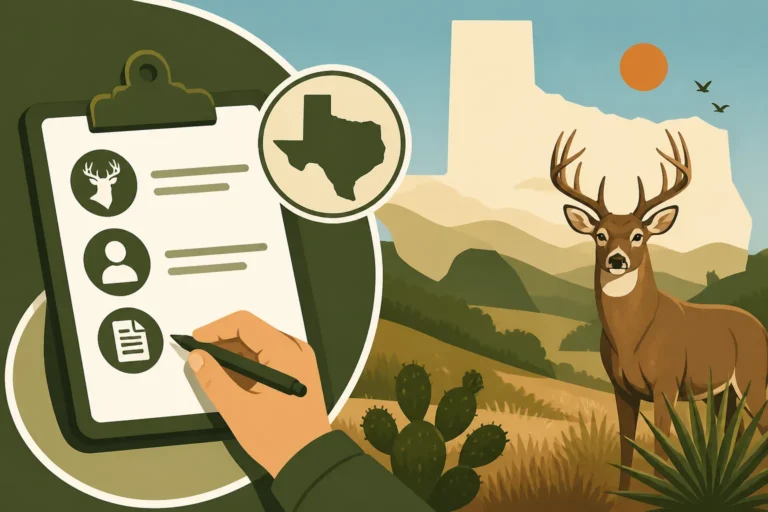
The application process is entirely online through the TPWD website. You’ll need to create an account, purchase any necessary licenses, and then navigate to the Public Hunt Drawn Hunts section. Hunts are categorized by species and location, so you'll specifically look for "Las Palomas WMA" hunts. These typically open for applications in late summer or early fall, with deadlines varying by hunt category. It's not a one-size-fits-all approach; you'll find different applications for dove, waterfowl, and other potential small game or big game hunts.
When applying, you'll select your preferred hunt categories. For Las Palomas, these are predominantly for migratory birds. It's a good idea to research the specific units and their past success rates, which TPWD often makes available. Knowing which unit to apply for and what you're actually hunting for can greatly impact your experience. For example, some units might be better for How to Hunt Dove in Texas (Step by Step) due to expansive fields, while others are geared towards How to Hunt Ducks in Texas (Step by Step) with their permanent water features. The system allows you to apply for multiple hunts and even apply as a group, which can be a fun way to share the experience with friends or family.
Understanding Your Chances and Preference Points
Let's be real: drawing a hunt at a popular WMA like Las Palomas can be tough. It's not uncommon for thousands of applicants to vie for just a handful of spots, especially for desirable hunts during peak seasons. This is where "preference points" come into play, offering a slight edge to loyal applicants. For every year you apply for a drawn hunt and are unsuccessful, you earn a preference point for that specific hunt category. These points accumulate and give you a higher chance of being drawn in subsequent years, effectively rewarding persistence.
It's a system designed to give everyone a fair shake eventually, but it still requires a long-term strategy. Many hunters apply for years, patiently building up points before finally getting that coveted draw. Don't get discouraged if you don't get drawn the first few times; that's part of the process. You can check your preference point totals on the TPWD website, and understanding how they impact your odds is crucial for managing expectations. For a deeper dive into the numbers, check out Texas Drawn Hunt Odds: What Are Your Chances? to get a realistic perspective on how competitive these hunts can be.
Here's a simplified look at some typical drawn hunt categories at Las Palomas and their general application periods:
| Hunt Category | Primary Species Targeted | Application Period (General) | Notes |
|---|---|---|---|
| Dove | Mourning, White-winged | Late July – Mid-August | Highly popular, often field-based hunts. |
| Waterfowl | Ducks (various species) | August – Mid-September | Requires Federal Duck Stamp, often near resacas. |
| Small Game | Rabbit, Squirrel | August – Early September | Less competitive, focus on unique South Texas small game. |
| Exotic (Limited) | Nilgai, Javelina (if available) | June – July | Extremely rare, highly sought after, unit-specific. |
Note: Always consult the official TPWD Drawn Hunts website for exact dates, specific hunt types, and regulations for the upcoming season, as these can change annually.
On-Site Logistics and Rules
If you're one of the lucky few to draw a hunt at Las Palomas, congratulations! But the preparation doesn't end there. You'll receive specific instructions regarding check-in procedures, hunt dates, legal shooting hours, bag limits, and any special regulations pertinent to your specific unit. It's absolutely vital to read these carefully and adhere to them. WMA staff are typically present to help with check-in and answer questions, but they are also there to enforce regulations strictly.
Expect strict adherence to safety protocols, including orange requirements, and often, restrictions on vehicle access to protect the delicate habitat. You'll likely be assigned a specific hunting compartment or area within the unit, and staying within those boundaries is non-negotiable. Remember, this is a public land opportunity that relies on all hunters respecting the rules and the land to ensure these opportunities continue for future generations.
Practical Tips for a Successful Las Palomas Hunt
Once you've navigated the application process and ideally, drawn a tag for Las Palomas, the real fun (and preparation!) begins. Hunting the Lower Rio Grande Valley presents its own set of unique challenges, from the dense brush and formidable critters to the often-scorching temperatures. Being prepared both mentally and with the right gear can make all the difference between a frustrating trip and a memorable hunt.
Scouting and Pre-Hunt Preparation
Since many of the Las Palomas WMA units are relatively small and fragmented, and you can't just drive onto them for casual scouting, digital scouting becomes paramount. This is where apps like onX Hunt are truly indispensable. Before your hunt, spend time reviewing your assigned unit, looking at satellite imagery for potential travel corridors, water sources, and feeding areas. Identify any obvious features like old fence lines, distinctive trees, or clearings that can serve as landmarks. Understanding the boundaries digitally will prevent a lot of headaches in the field.
Beyond maps, scour the TPWD website for historical harvest reports or general information about the unit. Online forums and local hunting groups can also provide anecdotal insights, but always cross-reference with official sources. Since many hunts here are draw-only and tightly regulated, arriving with a solid plan, even if it's based on digital reconnaissance, will give you a significant advantage. Don't forget to review the Texas Hunting Seasons: Complete Calendar by Species to align your hunt with peak activity for your target species.
Essential Gear and Local Knowledge
Hunting in the Lower Rio Grande Valley is a unique experience that demands specific gear. First and foremost, protect yourself from snakes. This area is home to venomous species, and snake boots are not optional; they are a necessity. Invest in quality Best Snake Boots for Texas Hunting that cover your calves and feet. The dense, thorny brush also calls for tough pants and long-sleeved shirts.
Hydration is also critical, especially if you're hunting during early seasons. The temperatures in the Valley can be brutally hot and humid, even in early fall. Carry far more water than you think you'll need. Light, breathable camouflage, like that covered in Best Early-Season Camo for Texas Heat, will also be a lifesaver.
For bird hunts, don't forget your shotgun, plenty of shells, and a good dove vest or bucket. For waterfowl, appropriate decoys and waders will be essential. A good pair of binoculars, like those mentioned in Best Hunting Optics for Texas: Scopes, Binos & Rangefinders, can help you spot incoming birds or identify distant game in the brush. Lastly, a reliable GPS device or a smartphone with a mapping app like onX Hunt (or even GoHunt for broader hunt planning) is crucial for navigation within the unit and ensuring you stay within designated hunting areas. Local knowledge of the weather patterns and typical animal behavior for the specific season you're hunting will also prove incredibly valuable.
Respecting the Environment and Other Hunters
The Las Palomas WMA units are special places, often representing some of the last remaining examples of native South Texas brush and riparian habitat. It's imperative that every hunter acts as a steward of this land. Pack out everything you pack in – and then some. Leave no trace of your presence behind. This includes spent shell casings, food wrappers, and any other trash.
Also, be mindful of other hunters. Even though drawn hunts limit the number of participants, you may still be sharing a unit or adjacent areas. Give others space, be quiet, and adhere to all legal shooting hours. Courtesy and respect go a long way in ensuring a positive experience for everyone and in preserving these precious public hunting opportunities for the future. Remember, we all want to enjoy the outdoors, and respectful conduct ensures that these limited public lands remain accessible and enjoyable for years to come.
Disclaimer
The information provided in this guide is for general informational purposes only and does not constitute legal advice. Hunting regulations, seasons, and permit requirements in Texas are subject to change by the Texas Parks and Wildlife Department (TPWD). Always consult the most current official TPWD Outdoor Annual or their website for the precise and up-to-date rules, regulations, and dates before planning any hunting activity. Failure to comply with all applicable laws and regulations can result in penalties.