Stealth Cam Trail Camera Review
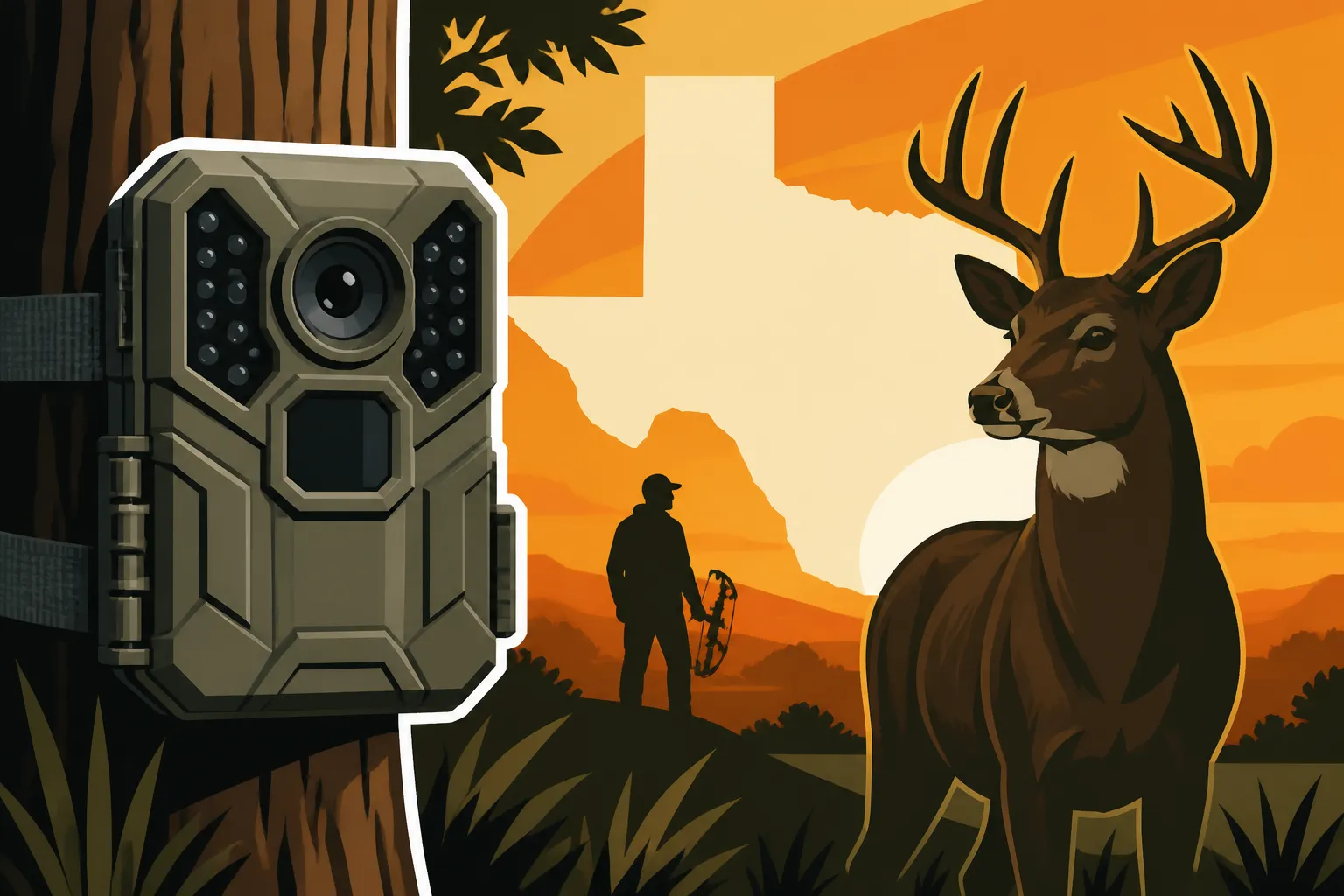
When you're out there pounding the Texas dirt, trying to pattern those elusive whitetails or keep tabs on those wily feral hogs, few things are as frustrating as a trail camera that just doesn't deliver. Maybe it eats batteries for breakfast, misses half the action, or simply can't handle the scorching heat and sudden downpours. It's a real headache, and often, it means missing out on crucial intel that could make or break your hunt. This guide is going to dive deep into Stealth Cam trail cameras, exploring their features, performance, and how they stack up for us Texas hunters looking for reliable eyes in the woods.
Why Choosing the Right Trail Camera for Texas is So Critical
Let's be honest, hunting in Texas isn't always glamorous. It's tough, hot, and often unpredictable. The gear we rely on has to be just as resilient as we are, and a trail camera is no exception. It's not just a fancy gadget; it's a vital scouting tool that can tell you more about your hunting grounds than hours of walking around.
The Environmental Challenges Texas Poses for Trail Cams
Texas weather is a beast, plain and simple. We're talking about brutal summers where the mercury can sit comfortably above 100 degrees for weeks on end, followed by sudden, torrential downpours that turn dry creek beds into raging rivers. Then there are the dust storms that can coat everything in a fine, gritty layer, and the humidity that just loves to find its way into electronics.
Most run-of-the-mill trail cameras simply aren't built for this kind of abuse. I've seen countless cameras fail because their seals couldn't handle the moisture, their batteries cooked in the heat, or their lenses became permanently fogged or scratched by blowing dust. When your camera fails, it's not just a minor inconvenience; it's a missed opportunity to gather critical information on game movement and patterns. You spend your hard-earned money and time setting them up, only for them to give out when you need them most. It feels like you're fighting an uphill battle against Mother Nature herself.
The Importance of Reliable Data for Patterning Game
Think about it: a trail camera is your silent scout, working 24/7. It's collecting data on when deer are visiting your feeder, which bucks are hitting a scrape line, or the preferred travel corridors of hogs. Without reliable footage, you're essentially hunting blind. You might be guessing when the Best Time of Day to Hunt Whitetail in Texas is, or wondering if that big buck you saw on opening day is still in the area.
This data is crucial for developing an effective hunting strategy. It informs everything from where you should place your stand or blind to what time you need to be there. A camera that consistently works, captures clear images, and provides accurate timestamps gives you a significant edge. It allows you to build a comprehensive understanding of your local game, helping you pinpoint movement patterns and ultimately increase your chances of success in the field. If you're serious about your deer hunting, knowing How to Pattern Bucks With Trail Cameras is essential, and reliable cameras are the cornerstone of that effort.
A Deep Dive into Stealth Cam's Offerings for Texas Hunters
When it comes to trail cameras, Stealth Cam has been a name many Texas hunters have trusted for years. They've built a reputation for producing durable, feature-rich cameras that, for the most part, can stand up to the rigors of our unique hunting environment. But what specifically makes them a good choice for us?
Key Features that Stand Out
Stealth Cam offers a range of models, from basic entry-level units to advanced cellular cameras. What often sets them apart for Texas conditions are a few consistent features. Many Stealth Cam models boast impressive trigger speeds, often under half a second. This is absolutely critical when you're trying to capture fast-moving targets like a hog sprinting through a clearing or a deer quickly passing a pinch point. A slow trigger speed means you'll end up with empty pictures or just the tail end of an animal. Their detection range is usually quite good too, often reaching 80 to 100 feet, which is vital for covering larger areas around a feeder or food plot.
Another big plus is their robust build quality. While no camera is truly indestructible, Stealth Cam units generally feel solid and are designed with weather resistance in mind. This helps them endure the wild temperature swings and moisture we experience. Features like "Retina Low Light Sensitivity" on some models, or improved night vision LEDs, ensure that you're not just getting blurry outlines after dark, but actual usable images of those nocturnal creatures like raccoons, coyotes, and, of course, your prime-time bucks.
Battery Life and Power Management for Extended Use
One of the biggest pain points for any trail camera user is battery life. There's nothing worse than hiking out to your remote setup, only to find the camera has been dead for a week. Stealth Cam generally understands this struggle. Many of their models are designed to be quite power-efficient, especially when set to take still images rather than videos.
They typically run on AA batteries, with many models requiring 8 or even 12 for extended life. For those of us who can't check our cameras every week, this is a huge benefit. Furthermore, many Stealth Cam models feature external power ports, allowing you to connect a 12V battery box or a solar panel. This can dramatically extend the operational time of your camera, making it ideal for those deep-woods locations or remote corners of your Hunting Leases in Texas: Complete Guide (Cost & How to Find). Investing in a good external power source can truly be a game-changer, reducing your trips out to the camera and minimizing disturbance to the area.
Here’s a quick look at how some popular Stealth Cam models compare in terms of general power use and performance:
| Stealth Cam Model | Battery Type | Est. Battery Life (Pics) | Trigger Speed | Detection Range | Cellular? |
|---|---|---|---|---|---|
| Fusion X | 8 AA | 6-12 months | 0.4 sec | 80 ft | Yes |
| DS4K | 12 AA | 9-15 months | 0.2 sec | 100 ft | No |
| G42NG | 8 AA | 6-12 months | 0.5 sec | 80 ft | No |
| GXW Wireless | 12 AA | 6-12 months | 0.5 sec | 100 ft | Yes |
Note: Battery life estimates are highly variable based on usage (videos vs. photos, night vs. day, frequency of detection) and environmental factors.
Image and Video Quality: What to Expect
Let's talk about what actually matters: the pictures and videos you get back. What's the point of a camera if you can't tell if that's a 10-point or a spike? Stealth Cam cameras generally deliver good to excellent image quality, especially in their newer models. Many now offer 4K video recording and high-megapixel stills (20-30MP). This means you get crisp, clear images during the day that can help you identify specific deer, assess antler growth, or even spot subtle characteristics that help you pattern a specific animal.
Night vision is where many cameras falter, but Stealth Cam typically does a decent job. They often utilize "no-glow" or "low-glow" infrared LEDs, which are fantastic for not spooking game or alerting potential trespassers. While night images will always be black and white, the clarity and range are usually sufficient to make out details like antler points, body size, and species. This kind of consistent clarity, day or night, is essential for truly understanding your deer herd or assessing hog activity, especially when you're trying to figure out if you're dealing with just a few hogs or an entire sounder.
Practical Considerations and Real-World Performance
Having a camera packed with features is great, but how does it actually perform in the wild, rugged terrain of Texas? How easy is it to set up, and what are the trade-offs?
Setup, Placement, and Ease of Use
Nobody wants to wrestle with a complicated menu system when they're trying to quickly deploy a camera in the field, especially not when the mosquitoes are thick or the sun is beating down. Stealth Cam units generally have user-friendly interfaces, often with intuitive button layouts and clear LCD screens for programming. Getting them mounted is usually straightforward with the included straps, and they tend to be relatively compact, making them easy to hide.
Proper placement is key to maximizing any trail camera, and Stealth Cam is no different. Consider the sun's angle to avoid lens flare, aim towards travel corridors, and ensure the camera isn't too close to branches that might trigger false detections in the wind. For example, when you're placing a camera to monitor a feeder, positioning it correctly is just as important as the feeder itself. Getting your Best Deer Feeder Setup for Texas right means considering where your camera will capture the best angles without being directly in the sun's path. Sometimes, pointing it slightly off-center from the main game trail can give you better side-on shots, which are often more useful for antler assessment.
Cellular Models: The Game Changer
For hunters with busy schedules or leases that are hours away, cellular trail cameras have been an absolute game-changer. Stealth Cam's Fusion X series, for example, allows you to receive photos and videos directly to your phone, sometimes within minutes of them being taken. This real-time intelligence can be invaluable. Imagine getting a picture of a target buck at your feeder while you're at work, allowing you to plan an evening hunt with up-to-the-minute information. Or, for hog hunters, getting immediate alerts on activity can help you time your trips perfectly for How to Hunt Hogs at Night With Thermal.
However, cellular models do come with their own set of considerations. First, you need reliable cell service at your camera's location. This can be a real challenge in some of the more remote parts of Texas. Before investing, it's a good idea to check cell coverage using a mapping app like those offered by GoHunt or a simple cell phone test. Second, cellular cameras require a data plan, which is an ongoing cost. While plans have become more affordable, it's still an added expense to factor into your budget. If you're weighing your options, diving into Best Cellular Trail Camera Data Plans Compared can help you find the best value for your needs. Despite these caveats, the ability to monitor your hunting grounds remotely is a massive advantage for many Texas hunters, offering peace of mind and more strategic hunting opportunities.
Pros and Cons: Balancing Features and Value
Every piece of gear has its strengths and weaknesses, and Stealth Cam trail cameras are no different. It's about finding the right balance for your specific hunting needs and budget.
Pros of Stealth Cam Trail Cameras for Texas Hunters:
- Durability: Generally well-built to withstand the harsh Texas environment.
- Fast Trigger Speeds: Excellent for capturing quick-moving game.
- Good Image/Video Quality: Clear daytime photos and decent night vision.
- User-Friendly: Relatively easy to set up and program.
- External Power Options: Many models support solar panels or external battery boxes, extending battery life significantly.
- Cellular Options: Provides real-time scouting data for remote monitoring, a crucial feature for many.
Cons to Consider:
- Battery Consumption: While generally efficient, cellular models can still drain batteries quickly with heavy use, especially in video mode or areas with weak cell signal.
- Cost: Cellular models, while offering great convenience, come with a higher upfront cost and recurring data plan fees.
- Menu Navigation: Some users might find specific model menus a bit clunky, though they are generally intuitive.
- Customer Service: Like any major brand, experiences can vary, but generally support is available for issues.
Ultimately, Stealth Cam offers a solid lineup that provides good value for the features you get. They're a strong contender for Texas hunters looking for reliable performance without breaking the bank, especially when compared to some of the higher-end, more specialized brands.
Maximizing Your Stealth Cam Investment in Texas
You've invested in a Stealth Cam, now how do you ensure it performs its best and lasts through multiple Texas hunting seasons? It's not just about setting it and forgetting it; a little TLC and smart strategy go a long way.
Tips for Longevity and Optimal Performance
To get the most out of your Stealth Cam, especially in our challenging climate, consider these tips:
- Use Quality Batteries: Don't skimp on batteries. Energizer Ultimate Lithium batteries, while more expensive, last significantly longer and perform better in extreme temperatures than alkaline batteries. This saves you trips and ensures consistent operation.
- External Power Source: For fixed locations like a feeder or a long-term monitoring spot, connecting a solar panel or a 12V battery box is highly recommended. This extends the camera's life, reduces battery costs, and minimizes human scent in the area.
- Proper Placement: Angle your camera away from direct morning or evening sun to prevent white-out photos. Ensure there are no branches or tall grasses in the detection zone that could trigger false alarms, eating up battery life and filling your memory card with nothing. Remember that a great camera in a bad spot is still a bad camera.
- Security: Texas has its share of opportunists. Consider using a security cable or a bear box to protect your camera from theft or curious wildlife. Knowing Best Trail Camera for Lease Monitoring can offer some peace of mind.
- Firmware Updates: Occasionally, manufacturers release firmware updates to improve camera performance, battery life, or fix bugs. Check the Stealth Cam website periodically for your specific model.
- Casing Care: Regularly wipe down the lens and the infrared array to keep them free of dust, pollen, and spiderwebs. Check the seal around the door for any signs of wear that could lead to moisture intrusion.
By taking these proactive steps, you can significantly extend the life and effectiveness of your Stealth Cam, ensuring it remains a reliable scouting partner for seasons to come.
Integrating with Your Hunting Strategy
A Stealth Cam is more than just a camera; it's a strategic tool. Integrating its data effectively into your overall hunting plan can give you a significant advantage.
- Scouting New Areas: Before you even set up a feeder or blind, deploy a Stealth Cam to identify potential bedding areas, travel corridors, and water sources. This initial scouting intel can help you decide where to focus your efforts for Deer Hunting in Texas: Feeders, Blinds & Tactics or Hog Hunting Methods in Texas: Thermal, Night & Trapping.
- Monitoring Feeders and Food Plots: Use your camera to track activity at your supplemental feeding stations. This will tell you when game is visiting, which animals are present, and can even help you fine-tune your Best Feeder Timer Settings for Daylight Deer to match peak activity.
- Rut Activity: During the whitetail rut, strategically place cameras on pinch points, funnels, or scrape lines. The intel gathered from your Stealth Cam can tell you when the bucks are actively chasing, giving you the best chance to be in the stand during the most opportune times, especially when you're trying to figure out When Is the Best Time to Rattle in Texas?.
- Security: On a hunting lease, cameras can double as security devices, letting you know if unauthorized individuals or vehicles are present.
Tools like GoHunt, with its robust mapping features, can help you plot your camera locations, mark game sightings, and overlay property lines, creating a comprehensive digital scouting map. By thoughtfully deploying and regularly analyzing the data from your Stealth Cam, you're not just hoping for a successful hunt; you're actively building one based on solid, real-world information.
Disclaimer
Please note that hunting regulations, seasons, and licensing requirements can change. Always consult the most current Texas Parks and Wildlife Department (TPWD) Outdoor Annual or official TPWD website before engaging in any hunting activities. This guide is for informational purposes only and does not supersede state or federal hunting laws.