Best Gear for Fallow Deer on a Texas Lease
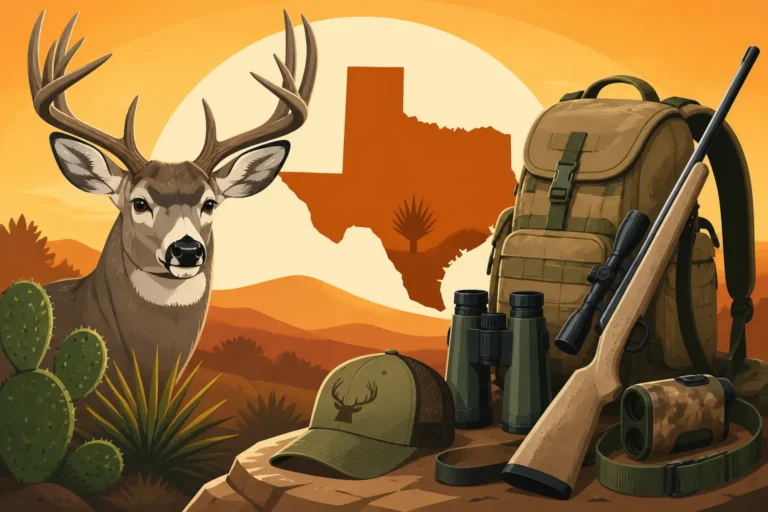
Hunting exotic species like Fallow deer on a Texas lease offers a unique and incredibly rewarding challenge, but walking into it without the right gear can turn a dream hunt into a frustrating ordeal. The terrain, the unpredictable Texas weather, and the specific characteristics of Fallow deer all demand a well-thought-out equipment list. This guide will walk you through the essential gear you'll need to confidently and successfully pursue Fallow deer on your next Texas hunting adventure.
Understanding Fallow Deer and Their Habitat on a Texas Lease
Before we even talk about specific gear, it's crucial to understand the animal you're pursuing and the environment you'll be hunting in. Fallow deer aren't your typical whitetail, and Texas leases present diverse landscapes. Knowing these factors helps you make informed decisions about your equipment, ensuring you're not over-prepared in some areas and woefully under-prepared in others.
Fallow Deer Behavior and Characteristics
Fallow deer (Dama dama) are truly striking animals, famous for the impressive, palmated antlers on mature bucks, a feature that sets them apart from the more common whitetail. They typically weigh in around 150-200 pounds for a mature buck, with does usually half that size. This puts them in a medium-sized game category, influencing your choice of caliber and broadheads. You'll also encounter them in a surprising array of coat colors: the common phase (light brown with white spots in summer, fading to plainer brown in winter), menil (paler, more pronounced spots year-round), melanistic (nearly black), and even pure white. This variation can sometimes make them stand out or blend in unexpectedly.
Unlike the typically solitary mature whitetail bucks, Fallow deer are often more social, found in small herds, especially does and younger bucks. While they can be wary, they sometimes exhibit a less frantic flight response than whitetails, occasionally pausing to assess danger. Their keen eyesight is perhaps their most formidable defense, meaning excellent optics and patient glassing are paramount. Understanding these behaviors, from their grouping habits to their strong sense of sight, will directly inform your strategies and the gear you pack. For a broader look at hunting these unique animals, check out our guide on Exotic Hunting in Texas: Axis, Aoudad, Blackbuck & More.
Typical Lease Environments for Fallow Deer
Most Fallow deer hunting in Texas happens on private leases, often high-fenced, where habitat management can lead to robust populations. These leases are incredibly diverse, reflecting the vastness of Texas itself. You might find yourself in the dense mesquite and prickly pear of South Texas, the rolling oak savannas of the Hill Country, or even the more open, scrubby plains of West Texas. Fallow deer, being grazers and browsers, tend to favor areas with a mix of open grasslands, clearings, and pockets of dense cover for bedding and security.
This varied terrain means you need versatile gear. One day you might be sitting in a blind overlooking an expansive food plot, requiring long-range accuracy. The next, you could be stalking through thick brush, where durable, quiet clothing and quick-handling firearms are essential. The consistent factor across most Texas hunting leases, however, is the potential for significant temperature swings, from chilly mornings to scorching afternoons, even outside the peak summer months. Preparing for all these possibilities, from the ground you walk on to the temperatures you endure, is key to a comfortable and successful hunt. If you're looking for more information on securing the perfect spot, our Hunting Leases in Texas: Complete Guide (Cost & How to Find) article has you covered.
Choosing the Right Weaponry and Ammunition
When you're out on a Texas lease pursuing Fallow deer, your choice of weapon and ammunition is arguably the most critical decision. You need something reliable, accurate, and powerful enough to ensure a humane, ethical harvest.
Rifle Calibers for Fallow Deer
For most rifle hunters, selecting a dependable caliber that can effectively take down a Fallow deer is paramount. Given their size, similar to a larger whitetail, many popular deer cartridges perform exceptionally well.
Here are some top recommendations:
- .270 Winchester: A classic, flat-shooting round that offers plenty of knockdown power for Fallow deer without excessive recoil. It's a fantastic all-around cartridge for medium-sized game.
- .308 Winchester: Extremely popular for its accuracy, manageable recoil, and availability of diverse ammunition. It’s an excellent choice for shots from close range in brush to longer distances across open fields.
- .30-06 Springfield: The venerable .30-06 is never a bad choice. It offers more power than a .308, making it suitable for Fallow deer and even larger exotics if the opportunity arises. Recoil is a bit more substantial, but it's a proven performer.
- 6.5 Creedmoor: Gaining immense popularity for its superb accuracy and mild recoil, the 6.5 Creedmoor is very effective on Fallow deer, especially at longer ranges common on some Texas leases. It might seem light to some, but with proper bullet construction, it's a highly capable round.
When choosing ammunition, focus on quality controlled expansion bullets. Brands like Hornady (ELD-X, InterLock), Barnes (TTSX), Federal (Fusion, Trophy Bonded Tip), and Winchester (Power-Point, AccuBond CT) produce excellent hunting rounds that retain weight and create devastating wound channels, ensuring a quick and ethical kill. Avoid varmint rounds or purely target-focused bullets.
| Caliber | Typical Bullet Weight (grains) | Muzzle Velocity (fps) | Energy at 100 yds (ft-lbs) | Recoil (approx. ft-lbs) | Notes |
|---|---|---|---|---|---|
| .270 Win | 130-150 | 2900-3100 | 2000-2500 | 18-22 | Flat-shooting, excellent for open country. |
| .308 Win | 150-180 | 2600-2800 | 2200-2600 | 17-21 | Versatile, accurate, good for varied terrain. |
| .30-06 Sprg | 150-180 | 2700-3000 | 2400-2900 | 20-25 | Powerful, classic choice, suitable for larger game too. |
| 6.5 Creedmoor | 120-140 | 2700-2900 | 1800-2100 | 12-16 | Low recoil, highly accurate, excellent ballistics for longer shots. |
Note: Velocities, energy, and recoil can vary based on specific load, barrel length, and rifle weight.
Archery Equipment Considerations
For the bowhunter looking to chase Fallow deer, the same principles of ethical hunting apply. You need a setup that delivers sufficient kinetic energy and precision.
- Draw Weight: A minimum draw weight of 40-50 pounds is generally recommended for Fallow deer. This ensures you can propel an arrow with enough force for proper penetration. Most modern compound bows easily exceed this.
- Arrow Selection: Choose arrows with good spine consistency that are matched to your bow's draw weight and length. Carbon arrows are popular for their durability and consistent flight.
- Broadheads: This is where the rubber meets the road. Fixed-blade broadheads (like Magnus Stinger or G5 Montec) are highly reliable for penetration, especially if you anticipate hitting bone. Mechanical broadheads (like Rage or Grim Reaper) can offer larger cutting diameters and better flight characteristics, but ensure they are robust models designed for reliable deployment and penetration on medium-sized game. I personally lean towards a sharp fixed-blade for the peace of mind it offers, ensuring maximum penetration on a well-placed shot. Remember, shot placement is always king, regardless of your equipment. For more on bowhunting in general, you might find our article on Bowhunting in Texas: Archery Season Guide helpful.
Essential Optics and Sighting Systems
Texas is a big state, and even on a lease, you might find yourself needing to cover a lot of ground with your eyes. Fallow deer, with their keen eyesight and tendency to graze in open areas, demand high-quality optics for successful identification and shot placement. Don't skimp here; good glass is an investment that pays dividends.
Binoculars and Spotting Scopes
These are your primary scouting tools in the field. Texas terrain can be deceptive, offering both dense cover and surprisingly vast open spaces, especially when you consider a well-managed exotic ranch.
- Binoculars: A good pair of 8×42 or 10×42 binoculars is indispensable. They provide a wide field of view and enough magnification to pick out subtle details—like the unique palmated antlers of a Fallow buck—at considerable distances. Look for clear glass, good low-light performance (dawn and dusk are prime Fallow movement times), and a durable, fog-proof construction. I've found that brands like Leupold, Vortex, and Steiner offer excellent performance for the price. When you’re trying to determine if that deer in the distance has the distinctive Fallow rack, or if it’s just another whitetail, clear binoculars are your best friend. Many experienced hunters use their favorite mapping tool, like the one offered by GoHunt, to mark potential areas to glass from, making their binocular use even more effective.
- Spotting Scopes: While not always essential, a spotting scope (15-45x or 20-60x) can be a huge asset on leases with very long lines of sight, or when you need to really scrutinize a particular animal before making a move. It's particularly useful for judging the size and trophy quality of a Fallow buck without having to stalk closer and risk spooking it. If you're planning a lot of spot-and-stalk hunting across big country, a lightweight spotting scope is a worthwhile addition to your pack. For a deeper dive into selecting the right glass, our guide on Best Hunting Optics for Texas: Scopes, Binos & Rangefinders offers valuable insights.
Rifle Scopes for Accuracy
Your rifle scope needs to match the potential shot distances you'll encounter and perform flawlessly under varying light conditions.
- Variable Power: A variable power scope in the 3-9×40, 3-10×42, or 4-12×40 range is perfect for Fallow deer. This allows you to dial down for wider fields of view in brushy areas or crank it up for precise shots across longer distances in open pastures or food plots. Consider a scope with a clear, uncluttered reticle.
- Light Gathering: Dawn and dusk are often the most active times for Fallow deer. A scope with a good objective lens size (40mm or 42mm are common and effective) and quality glass will gather more light, giving you precious extra minutes of legal shooting time.
- Durability and Reliability: Texas hunting can be rough. Your scope needs to withstand bumps, drops, and changing weather conditions. Look for scopes that are waterproof, fog-proof, and shock-proof. Brands like Leupold, Vortex, Nikon, and Athlon offer excellent options that won't break the bank. Personally, I've had great success with a Leupold VX-3i 3.5-10×40 on my .270 for similar sized game, offering excellent clarity and dependability. For more specific recommendations, our article on Best Rifle Scope for Texas Deer Hunting provides detailed comparisons.
Rangefinders
A quality rangefinder is no longer a luxury; it's an absolute necessity for ethical hunting, especially with exotic species like Fallow deer where you might be taking shots at unfamiliar distances.
- Accuracy: Your rangefinder needs to be accurate to within a yard at typical hunting distances (up to 400-500 yards). Laser rangefinders are the standard.
- Speed and Simplicity: You don't want to be fumbling with complicated controls when a Fallow buck steps out. A fast, easy-to-use rangefinder that gives you an instantaneous readout is critical.
- Angle Compensation: If you're hunting in any kind of hilly or undulating terrain, an angle-compensating feature is invaluable. It provides the "shoot-to" distance, accounting for incline or decline, which is essential for accurate shot placement. Many modern rangefinders, including options from GoHunt, incorporate this feature seamlessly.
Apparel, Footwear, and Field Essentials
Texas weather is notoriously unpredictable. One day you're sweating, the next you're shivering. Having the right clothing and essential gear in your pack can make or break your comfort and focus during a Fallow deer hunt on a Texas lease.
Clothing for Texas Weather
Layering is not just a suggestion in Texas; it's a survival strategy. You need to be prepared for everything from cool, humid mornings to hot, dry afternoons.
- Base Layers: Start with moisture-wicking synthetic or merino wool base layers. These pull sweat away from your body, keeping you dry and preventing chills when the temperature drops, or allowing sweat to evaporate when it heats up.
- Mid-Layers: A fleece or light insulated jacket provides warmth without excessive bulk. Something you can easily shed and pack away.
- Outer Layers: Depending on the season, your outer layer needs to offer camouflage, protection from the elements, and quiet movement.
- Early Season/Warm Weather: Lightweight, breathable synthetic pants and shirts are crucial. Look for fabrics that wick moisture and dry quickly. Avoid heavy cotton, which holds sweat and dries slowly. Our guide on Best Early-Season Camo for Texas Heat delves into specific options.
- Late Season/Cooler Weather: Add a windproof and water-resistant jacket and pants. Softshell materials offer good flexibility and quietness for stalking.
- Camo Pattern: While Fallow deer aren't as color-sensitive as some animals, a broken-up pattern that blends with the local Texas brush and grasslands is ideal. Think muted greens, browns, and tans.
Footwear for Varied Terrain
Your feet are your foundation, especially if you plan on doing any walking or stalking. Investing in good footwear is non-negotiable.
- Comfort and Support: A comfortable pair of hiking boots with good ankle support is paramount. You could be walking through rocky areas, deep sand, or uneven pastures.
- Durability: The Texas brush, especially in South Texas, is notoriously tough on gear. Your boots need to be able to withstand thorns, mesquite, and abrasive terrain. Full-grain leather or durable synthetic materials are good choices.
- Waterproofing: While Texas can be dry, pop-up showers or dew-laden mornings can soak unprotected feet. Boots with Gore-Tex or similar waterproof membranes are highly recommended.
- Snake Protection: This is a big one. Texas is home to several venomous snakes, including rattlesnakes. Many hunters opt for snake boots or snake gaiters, especially when hunting in brushy areas. Brands like Lacrosse or Irish Setter offer excellent snake-proof options that provide both protection and comfort. Having experienced the sheer density of rattlesnakes in some parts of Texas, I never step into the field without proper snake protection.
Packing the Field Bag
Beyond clothing, a well-equipped day pack is essential for a Fallow deer hunt.
- Hunting Knife: A sharp, fixed-blade knife for field dressing is critical. Choose one with a comfortable grip and a blade that holds an edge. Something like an ESEE 4 or a good quality Gerber or Buck knife will serve you well. Our article on Best Hunting Knife for Field Dressing offers more detailed suggestions.
- Headlamp/Flashlight: Even if you plan to be back before dark, things happen. A reliable headlamp with red light options for stealth is indispensable.
- First-Aid Kit: Accidents happen. A compact but comprehensive first-aid kit for cuts, scrapes, snake bites (with a proper extractor and antiseptic, though medical attention is primary), and other minor emergencies is a must.
- Hydration: Always carry more water than you think you'll need, especially during warmer months. Hydration bladders in your pack or multiple water bottles are smart choices.
- Navigation: A reliable GPS unit or a hunting app on your phone (like the one offered by GoHunt) is crucial for navigating property lines on a lease and marking successful harvest locations.
- Harvest Tags and Pen: Don't forget your hunting license and appropriate tags! Make sure they're easily accessible and protected from the elements.
Lease-Specific Gear for Success
Hunting a Fallow deer on a Texas lease often means you have access to additional tools and amenities that can significantly enhance your hunting experience and increase your chances of success. Leveraging these tools wisely is part of maximizing your time in the field.
Scouting Tools
Understanding animal movement patterns and habits on your lease is crucial, and technology has made this easier than ever.
- Trail Cameras: Cellular trail cameras are absolute game-changers for lease hunting. They allow you to monitor deer activity in real-time without disturbing the area. You can place them near feeders, water sources, or travel corridors and receive photos and videos directly to your phone. This helps you identify patterns, recognize specific bucks, and decide where and when to hunt. Brands like Tactacam Reveal and Moultrie Mobile are popular for their reliability in Texas. Being able to see that a specific Fallow buck is frequenting a certain area before you even set foot on the property is a huge advantage. Dive deeper into these tools with our guide on Best Cellular Trail Cameras for Texas (2027).
- Mapping Applications: Apps like onX Hunt or GoHunt are incredibly valuable. They allow you to pinpoint your exact location, mark stands, feeders, scrapes, and importantly, view property lines. This ensures you're always hunting legally within your lease boundaries and can help you develop strategic approaches to your hunting areas. They're also vital for mapping out egress routes for game recovery. Learning how to effectively utilize these mapping tools is a skill in itself, and it can save you a lot of guesswork and wasted time on a new lease. For additional scouting insights, be sure to read How to Scout a New Hunting Lease in Texas.
Transportation and Recovery Gear
Once you've made a successful shot, the real work of recovery begins. Having the right tools for retrieval can save you immense effort and ensure your valuable harvest is handled properly.
- ATV/UTV: If your lease allows, an ATV or UTV is incredibly useful for covering large distances, setting up stands, and, most importantly, retrieving game. Make sure it's in good working order and you have permission to use it on the property.
- Game Cart: For situations where an ATV can't reach, or if you prefer a quieter approach, a sturdy game cart is invaluable. It takes the strain off your back and allows you to move a Fallow buck (which can be a hefty animal) efficiently, especially across uneven or sandy terrain. Look for models with large, rugged wheels designed for off-road use. For specific recommendations, check out Best Game Cart for Hauling Deer & Hogs.
- Recovery Rope/Drag: Sometimes, a simple drag rope is all you need. A strong, durable rope can be a lifesaver for pulling a deer out of tough spots.
Camp and Processing Necessities
Many Texas leases involve staying at a camp, even if it's just for a day. Proper game handling is essential, especially in the often-warm Texas climate.
- Coolers: Texas heat is no joke, even in late fall. Having large, high-quality coolers that can hold ice for extended periods is critical for keeping your Fallow deer meat cool and fresh after field dressing. Brands like Yeti, RTIC, and Orca are popular for their superior insulation. You need space not just for the meat, but also for ice, drinks, and food for your stay at camp. Our guide on Best Coolers for Texas Hunting (Yeti & Alternatives) offers excellent choices.
- Processing Tools: While many hunters take their deer to a processor, having basic tools for quartering or caping in the field can be useful. This includes bone saws, additional sharp knives, and game bags to protect the meat from flies and debris.
- Lighting for Camp: Good lighting for camp, especially if you're processing game after dark, is often overlooked. Powerful LED lanterns or portable floodlights can make a huge difference.
Disclaimer
Hunting is an inherently dangerous activity. Always prioritize safety, understand and follow all local, state, and federal hunting regulations, and ensure you have the proper licenses and permits. The information provided in this guide is for informational purposes only and should not replace professional instruction or personal judgment.