Best Gear for Bobcat on a Texas Lease
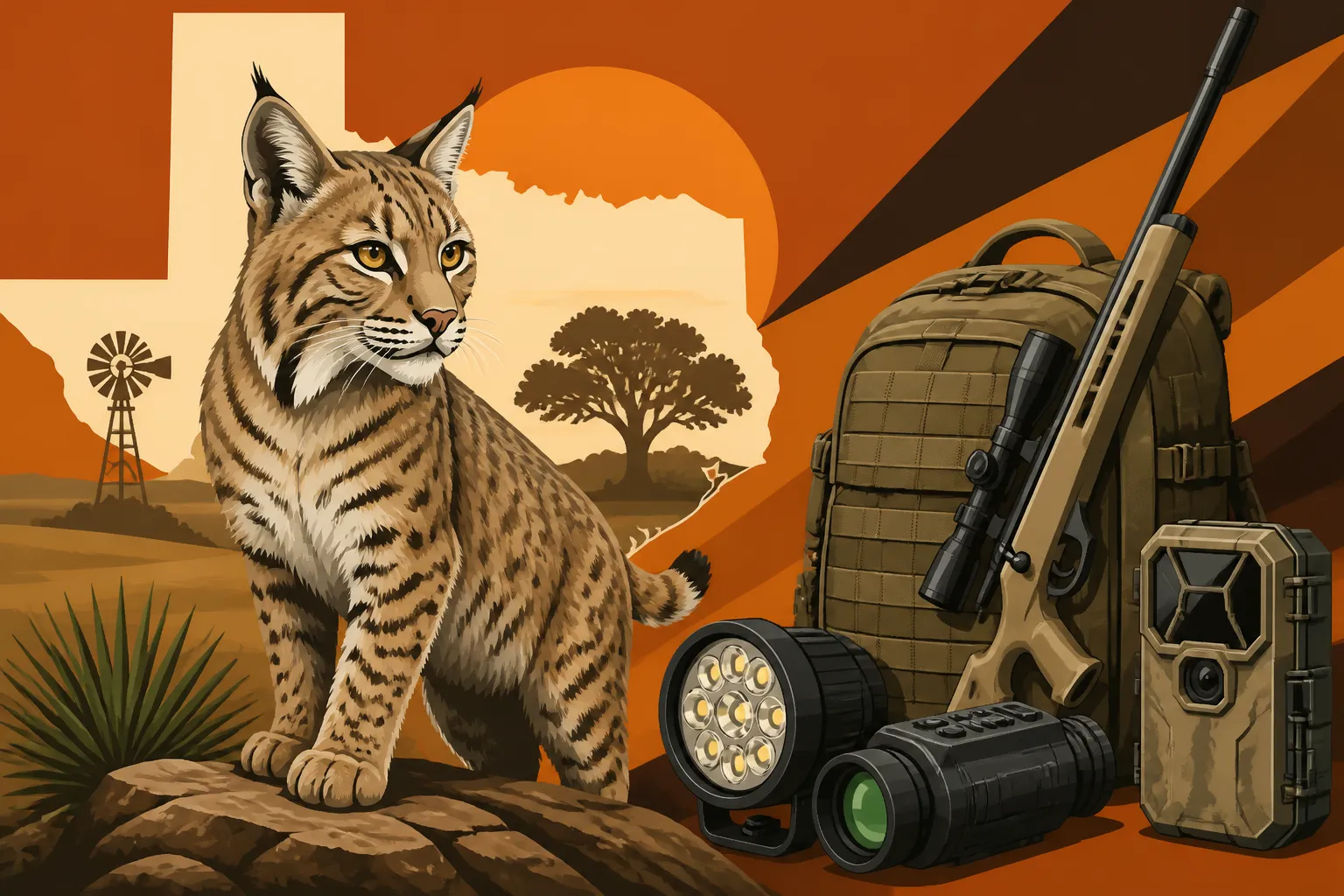
Hunting bobcats on a Texas lease presents a unique set of challenges. These elusive predators possess incredible senses, are masters of camouflage, and can be notoriously shy, making successful hunts incredibly rewarding but demanding. If you're tired of coming up empty-handed or want to maximize your chances on your next outing, this guide is designed to walk you through the essential gear you need to effectively hunt bobcats on your Texas hunting lease, helping you understand how each piece contributes to your success.
Understanding Bobcat Behavior on a Texas Lease
Before diving into specific gear, it’s vital to grasp a bit about bobcat behavior, especially how it might differ on a managed lease versus truly wild, expansive public land. Knowing their habits helps you make informed gear choices that truly pay off in the field.
Nocturnal and Crepuscular Activity Patterns
Bobcats are primarily crepuscular and nocturnal, meaning they are most active during dawn, dusk, and throughout the night. While you can certainly call one in during the middle of the day, especially in cooler weather or dense cover, your highest chances of success will often align with these low-light periods. This inclination directly impacts your gear choices, pushing you towards optics that perform well in dim conditions or even dedicated night hunting equipment. On a Texas lease, where other game like deer might be the primary focus, understanding these specific activity times for bobcats allows you to schedule your predator hunting without conflicting with your deer plans. It also helps you position your blinds or stands strategically for optimal low-light viewing.
Habitat Preferences and Movement on Leased Land
Bobcats are adaptable creatures, but they generally prefer areas with dense cover for ambush hunting and security. On a typical Texas lease, this might mean brushy draws, dense cedar breaks, mesquite thickets, rocky outcroppings, or even the edges of agricultural fields where rodents and rabbits — their primary food sources — are abundant. They'll use established game trails, fence lines, and creek beds as travel corridors. Scouting your lease for these prime locations is paramount. Using a mapping application like GoHunt can be incredibly helpful for identifying potential bobcat travel routes and ambush points, allowing you to mark areas of dense cover, water sources, and known prey concentrations. This knowledge, combined with trail camera scouting, helps you pinpoint exactly where to set up your calls and what kind of approach to take.
Essential Firearms and Ammunition for Bobcat Hunting
Choosing the right firearm and ammunition for bobcats is crucial, especially if you're interested in preserving their beautiful pelts. The goal is to deliver a quick, humane kill with minimal damage.
Rifle Calibers for Pelt Preservation
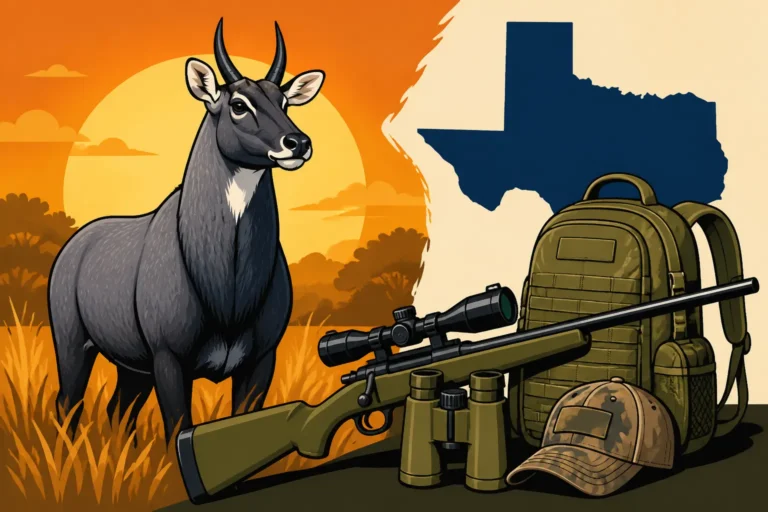
When it comes to bobcats, many hunters prioritize pelt preservation, which means minimizing exit wounds. This often leads to choosing smaller, faster calibers that deliver their energy inside the animal without blowing a large hole out the other side. The .17 HMR is a fantastic option for closer ranges, especially when you're confident in shot placement. Its tiny projectile disintegrates quickly upon impact, making it ideal for pelts. For slightly longer shots or a bit more knockdown power, the .22 WMR is another excellent rimfire choice.
Moving into centerfire options, the .204 Ruger has gained significant popularity among predator hunters for its incredibly high velocity and flat trajectory, often resulting in no exit wound on smaller predators like bobcats and foxes. The classic .223 Remington, loaded with varmint-specific bullets like Hornady V-Max or Nosler Ballistic Tip, is also a stellar choice. These bullets are designed to fragment explosively, typically within the animal, reducing the chance of an exit wound. When hunting coyotes or bobcats, I often carry my .223, knowing it performs exceptionally well. For a deeper dive into rifle choices for similar predators, you might find our guide on the Best Gear for Coyote on a Texas Lease helpful.
Ammunition Selection for Clean Kills
Beyond caliber, the specific type of ammunition you choose makes a massive difference in bobcat hunting. As mentioned, varmint-specific bullets are your best friend. These are constructed to be frangible, meaning they break apart rapidly upon impact. This transfers all their energy into the target, ensuring a quick kill, while simultaneously preventing over-penetration and large exit wounds.
Avoid traditional deer hunting bullets, as their controlled expansion and deep penetration are designed for larger animals and would likely cause excessive pelt damage on a bobcat. Always test different loads in your rifle to see what shoots most accurately. A bullet that groups tightly at 100 yards will increase your confidence and ethical kill chances exponentially. Remember, even with the best varmint bullet, shot placement is king. Aim for the vitals to ensure a quick, clean kill every time.
Optics and Sighting Systems for Precision Shots
Bobcats are masters of stealth, often appearing and disappearing like ghosts in the brush. Having the right optics to spot them, identify them, and place an accurate shot is absolutely critical.
Daytime Scopes and Binoculars
For daytime bobcat hunting, a quality rifle scope with a variable power from 3-9x or 4-12x is generally sufficient. Look for scopes with good light transmission, especially if you're hunting during those golden hours of dawn and dusk. A clear, crisp sight picture allows you to pick out the subtle details of a bobcat camouflaged against the Texas brush. Brands like Leupold, Vortex, and Nikon offer excellent options that provide clarity and reliability without breaking the bank.
Coupled with your rifle scope, a good pair of binoculars is indispensable for scanning the terrain and locating incoming predators. A 8×42 or 10×42 binocular provides a wide field of view and sufficient magnification to spot a bobcat slinking through the shadows or pausing at the edge of a field. These allow you to glass an area without constantly pointing your rifle around, which is both safer and less fatiguing. Many experienced hunters find that a high-quality set of binoculars is just as important as their rifle scope, especially when hunting the open country or dense brush found on many Texas leases. Our comprehensive guide on Best Hunting Optics for Texas: Scopes, Binos & Rangefinders delves deeper into choosing the right glass for various Texas hunting scenarios.
Thermal and Night Vision for Nocturnal Hunts
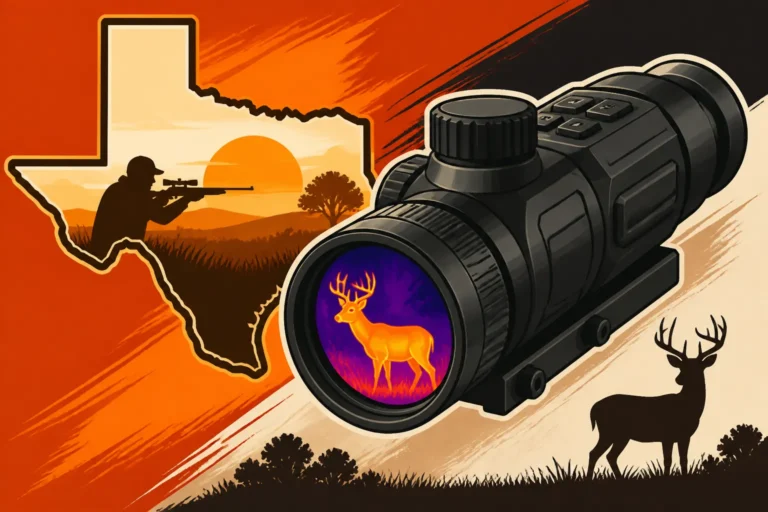
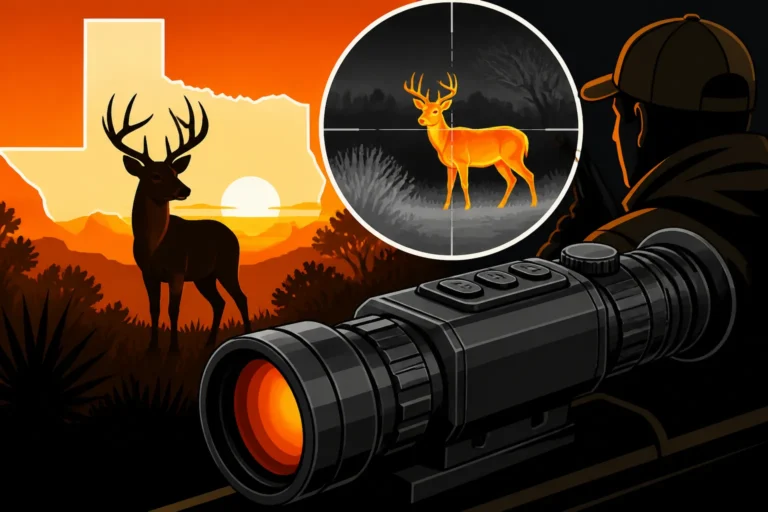
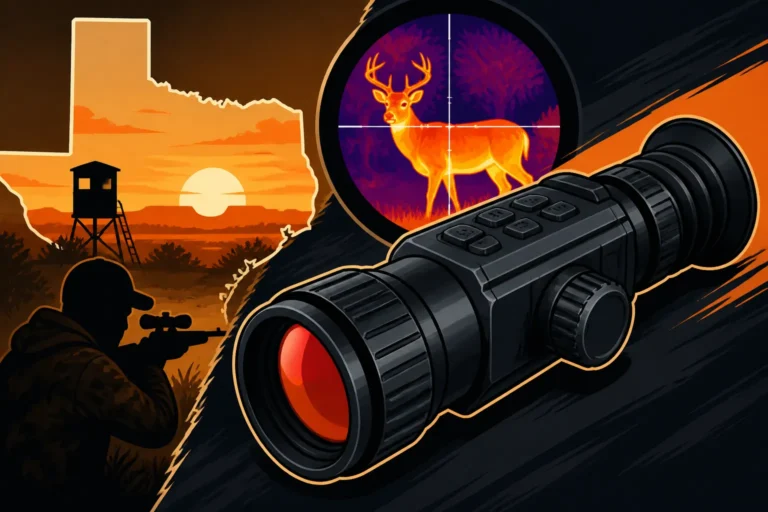
Given bobcats' predominantly nocturnal nature, thermal or night vision optics can dramatically increase your success rate, especially when hunting on a private lease where night hunting for predators is often permitted. Texas law allows night hunting of depredating animals like bobcats and coyotes with the aid of artificial light or night vision/thermal devices on private property, which opens up a world of possibilities.
A good thermal monocular, like those offered by Pulsar or AGM, is invaluable for scanning the landscape and detecting the heat signatures of animals. A bobcat, even a small one, will glow against the cooler background of the brush, making it much easier to spot from a distance. Once a bobcat is located, a thermal or night vision rifle scope allows you to aim and take an accurate shot in complete darkness. While the initial investment can be significant, the advantage these technologies provide for night hunting is unparalleled. For anyone considering serious predator hunting after dark, our article on the Best Thermal Monocular for Scanning in Texas offers great insights into picking the right device.
Calling and Decoy Strategies
Bobcats are curious and territorial, making them highly susceptible to calling. The right calls and a well-placed decoy can bring them right into shooting range, turning a quiet hunt into an adrenaline-pumping encounter.
Electronic Callers and Sound Libraries
Electronic callers are the workhorses of modern predator hunting. Brands like FoxPro, Primos, and Lucky Duck offer robust units with extensive sound libraries. For bobcats, sounds like rabbit in distress (jackrabbit, cottontail), bird in distress (woodpecker, flicker), and fawn in distress are often highly effective. Coyote vocalizations, such as howls or pup distress, can also pique a bobcat's interest, as they sometimes view coyotes as competition or a threat.
The key to using an electronic caller effectively is to vary your sequences and volumes. Start soft, gradually increasing the volume, and then introduce pauses. Bobcats are notoriously patient; they might circle downwind for a long time before committing. Having a remote control that allows you to change sounds and volume without moving is essential. On a Texas lease, where you might have multiple stands or varying wind conditions, the versatility of an electronic caller is unmatched. To learn more about effective calling techniques, check out our guide on Predator Calling for Coyotes in Texas, much of which applies directly to bobcats.
Mouth Calls and Decoy Placement
While electronic callers are popular, don't underestimate the effectiveness of traditional mouth calls. Open-reed and closed-reed calls can produce realistic distress sounds, and their portability makes them a great backup or primary choice for quick setups. Some hunters prefer mouth calls for the nuanced control they offer and the ability to instantly adapt to a bobcat's reaction.
Decoys play a critical role in drawing a bobcat's attention away from you and focusing it on a visual stimulant. A simple rabbit or bird decoy, especially one with subtle motion like a twitching tail or fluttering wings, can be incredibly effective. Place your decoy about 20-50 yards from your position, preferably in an open area within sight of the thick cover where you expect a bobcat to approach. The combination of an auditory distress call and a visual decoy creates a much more convincing scenario, often prompting the bobcat to commit to the approach. Remember, it's about distracting them from your position and giving them something to focus on. For more general advice on calls, you can read our article on the Best Game Calls for Texas Hunting.
Clothing, Scent Control, and Other Crucial Accessories
Beyond your rifle and optics, a host of other gear plays a critical role in increasing your comfort, concealment, and overall success when hunting bobcats on a Texas lease.
Camouflage and Scent Management
Bobcats have incredible eyesight, especially for detecting movement, and an even more impressive sense of smell. Therefore, proper camouflage and stringent scent control are non-negotiable. Choose camouflage patterns that match the natural environment of your Texas lease – whether that's arid brush country, piney woods, or rocky terrain. Lightweight, breathable camo is often preferred due to the warm Texas climate, even in winter. Our guide on Best Early-Season Camo for Texas Heat offers excellent advice for staying comfortable and concealed.
Scent control is paramount. Bobcats will often circle downwind to get a whiff of whatever is making the noise. Shower with scent-eliminating soap, wash your hunting clothes in scent-free detergent, and store them in airtight bags or containers. Sprays can help, but nothing beats meticulous attention to scent hygiene. Consider using a quality scent-eliminating spray on your boots, clothes, and gear before heading into the field. Even if you're in a blind, minimizing human odor escaping is critical for fooling a wary bobcat.
Backpacks, Seating, and Game Recovery
A comfortable hunting backpack is essential for carrying all your gear, especially if you're moving between different calling setups on your lease. Look for a pack that's quiet, durable, and has enough capacity for calls, extra ammo, water, snacks, and any small game you might harvest. Having a well-organized pack allows for quick access to your essentials, which can be the difference between success and failure when a bobcat suddenly appears. Our guide to the Best Hunting Backpack for Texas can help you pick one that suits your needs.
A comfortable, portable seat is also often overlooked but greatly appreciated during long calling sessions. A small tripod stool or a comfortable seat cushion can make hours of waiting much more tolerable. Finally, don't forget game recovery essentials. This includes a good quality knife for field dressing, game bags to protect the pelt, and maybe even a small dragging harness if you anticipate a longer haul back to your vehicle. While bobcats are not large animals, having the right tools for ethical and efficient recovery is always part of being a responsible hunter. Remember, understanding Texas Hunting Lease Rules & Etiquette often includes proper game retrieval and reporting.
Essential Gear Checklist for Bobcat Hunting
To help you organize your thoughts and ensure you don't forget anything vital, here's a quick checklist of essential gear for bobcat hunting on your Texas lease.
| Category | Essential Items | Considerations for Bobcats |
|---|---|---|
| Firearms | .17 HMR, .22 WMR, .204 Ruger, .223 Rem | Prioritize pelt preservation; varmint-specific bullets (e.g., V-Max, Ballistic Tip) for minimal exit wounds. |
| Optics | Rifle scope (3-9x, 4-12x), Binoculars (8×42, 10×42), Thermal/Night Vision monocular/scope | Good low-light performance for crepuscular/nocturnal activity; wide field of view for scanning. |
| Calling | Electronic caller with remote, Mouth calls (distress sounds), Motion decoy (rabbit, bird) | Varied sound library, volume control, realistic motion to draw attention. |
| Concealment | Camouflage clothing (lightweight), Scent-eliminating soap, detergent, spray | Match camo to local terrain; meticulous scent control is critical for wary predators. |
| Comfort/Safety | Quiet hunting backpack, Portable seat, First-aid kit, Water, Headlamp | Organized pack for quick access; comfort for long waits; essential safety items. |
| Game Recovery | Sharp knife, Game bags, Gloves | Clean field dressing; pelt protection is important; wear gloves for hygiene. |
| Navigation/Scouting | GPS device or mapping app (e.g., GoHunt), Trail cameras | Mark active areas, identify travel corridors, monitor bobcat presence and patterns. |
This table serves as a handy reference to ensure you're well-equipped for your bobcat hunting adventures. Always double-check local regulations and your lease rules before heading out. For annual season dates and specific regulations, consult the Texas Hunting Seasons: Complete Calendar by Species.
Disclaimer
Hunting is an inherently dangerous activity. Always prioritize safety, follow all local, state, and federal regulations, and practice ethical hunting principles. The information provided in this guide is for informational purposes only and should not replace proper hunter education or professional advice. Always verify hunting seasons, license requirements, and legal methods with the Texas Parks and Wildlife Department before heading into the field.