Is It Legal to Hunt Over Corn in Texas?
Let's talk about something that trips up so many hunters in Texas: the legality of hunting over corn. It's not as simple as a yes or no, and the rules can feel like navigating a dense thicket, leaving even seasoned hunters scratching their heads and worried about inadvertently breaking the law. Believe me, I've heard the frustrated whispers at deer camp more times than I can count. This guide is here to clear the air, breaking down the specific regulations so you can hunt confidently and legally.
Defining “Bait” and “Baiting” in the Eyes of the Law
In Texas, the term “bait” is often broadly defined by the Texas Parks and Wildlife Department (TPWD) as any substance that is used to attract a game animal. This includes, but isn’t limited to, corn, protein pellets, salt licks, or even sweet feed. The crucial element isn’t just the presence of the attractant, but the *intent* to lure an animal for the purpose of hunting. So, if you’re putting out corn with the intention of drawing deer closer for a shot, that’s considered baiting. It’s not just about the corn itself, but how it’s being used.
The act of "baiting" then, is the placing, exposing, depositing, distributing, or scattering of shelled, shucked, or unshelled corn or other feed, salt, minerals, or other attractants that are capable of attracting a game animal. This definition is really important because it clarifies that even an accidental spill could theoretically be seen as baiting if the intent to hunt over it is present. Understanding these basic definitions is the first step in making sure you're always on the right side of the law.
The Intent Behind Baiting Regulations
You might wonder why these rules even exist. Many baiting regulations, particularly for deer, are rooted in conservation efforts and the principles of fair chase. The idea is to maintain the wild nature of hunting, where animals are sought out based on their natural movements and behaviors, rather than being drawn to a specific, man-made food source. It’s about preserving the challenge and tradition of hunting. Additionally, in recent years, disease management has become a significant factor. Concentrating animals around a bait site can increase the risk of spreading diseases like Chronic Wasting Disease (CWD), which is a serious concern for wildlife health in Texas. The regulations aim to prevent practices that could undermine the health and sustainability of deer populations.
The Legal Landscape: TPWD Regulations on Baiting for Deer and Other Game
Navigating the rules for baiting in Texas can feel like trying to hit a moving target, especially when different species and geographical areas have their own sets of regulations. It’s critical to know the specifics before you even think about putting out feed.
Whitetail and Mule Deer: The “No-Go” Zone (with exceptions)
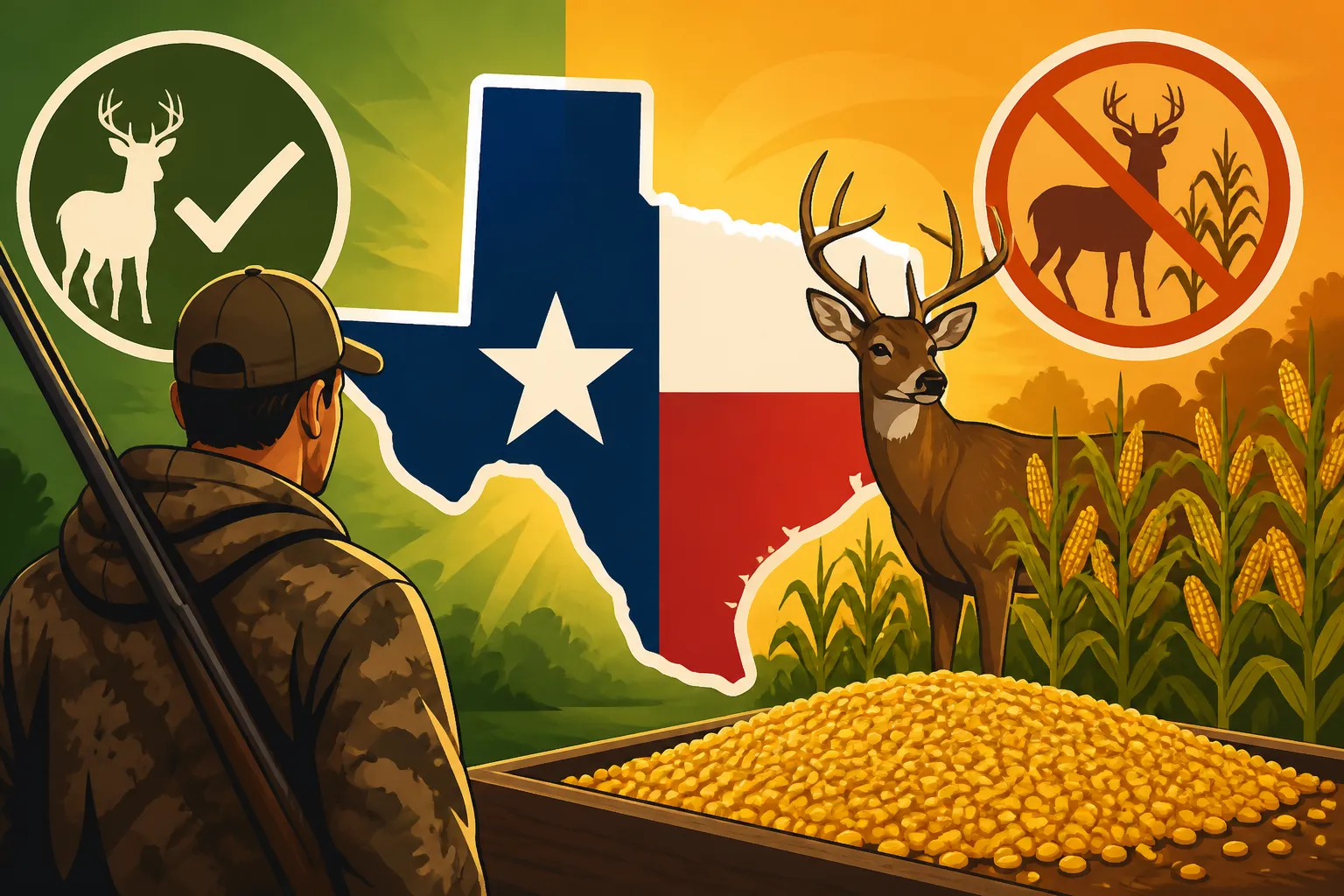
Here’s the big one, the rule that causes the most confusion: **it is generally illegal to hunt white-tailed deer and mule deer over bait in Texas.** This means you cannot place corn, protein pellets, or any other attractant for the purpose of hunting these specific deer species. Period. This rule is in place statewide, regardless of whether you’re hunting on private land or public land. Many hunters find this frustrating, especially those coming from states where baiting deer is common practice. It means no piles of corn under your deer stand if you’re targeting that trophy buck.
However, and this is where it gets tricky, the regulations do allow for certain activities that can indirectly attract deer, provided they are not placed with the intent to take a deer specifically. For example, some agricultural practices, like planting food plots, are perfectly legal. A food plot is seen as an agricultural endeavor, not direct baiting, even though deer will absolutely use it. Similarly, supplemental feeding programs, often utilizing feeders designed to distribute protein pellets, are allowed outside of the hunting season or if not used for direct hunting purposes. These are typically for herd health and antler development. If you're running a feeder, it needs to be established and running for a period before the season, and you cannot be actively hunting over it when deer are present due to the feed.
CWD Zones: Additional Restrictions and Why They Matter
Chronic Wasting Disease (CWD) is a serious, progressive, fatal neurological disease affecting deer, elk, and other cervids. To combat its spread, the TPWD has established CWD Zones in various parts of the state. These zones come with even stricter regulations, and often, baiting of any kind for *any* cervid (including deer) is completely prohibited, even if it might otherwise be permissible outside these zones. The reason is simple: congregating animals increases the likelihood of disease transmission.
If you're hunting in a county designated as a CWD Zone, you need to be acutely aware of these additional rules. Not only might direct baiting be illegal, but even general feeding (like supplemental protein feeding) could be restricted or require special permits. Always check the most current Texas Outdoor Annual or the TPWD website for specific county-by-county regulations regarding CWD zones, as these can change. For example, in some CWD containment zones, transporting harvested deer carcasses is also restricted. You can find detailed information on the TPWD website about specific CWD Zones in Texas: Map & Restrictions. This is not a "better safe than sorry" situation; it's a "know the law or face serious penalties" situation.
Species-Specific Rules: Corn for Hogs, Dove, and Exotics
While deer hunting over corn is largely off-limits, Texas offers a different story for other popular game species. This is where the nuanced understanding of the law truly pays off.
Feral Hogs: The Wild Card (and why corn is king)
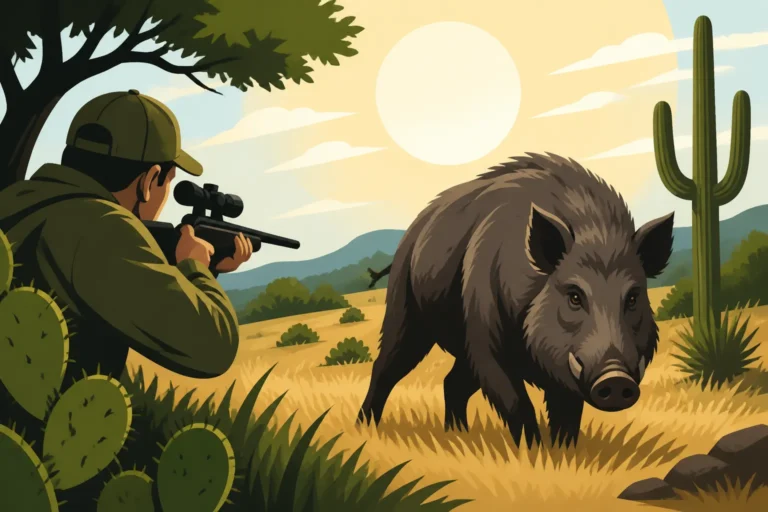
Ah, feral hogs. These guys are the exception to so many Texas hunting rules, and thankfully, that includes baiting. **Yes, it is perfectly legal to hunt feral hogs over corn in Texas.** In fact, it’s one of the most common and effective methods for managing these destructive animals. Feral hogs are considered an exotic, invasive species, and there are no closed seasons or bag limits for them in Texas. This means landowners and hunters are encouraged to remove them whenever possible.
Hunters often use feeders, scatter corn directly on the ground, or create hog traps baited with corn. Many night hunting operations specifically set up feeders to bring in hogs, often utilizing thermal optics for efficient removal. Using a feeder is one of the best ways to hunt hogs during the day in Texas, too. This liberal approach to hog hunting over bait reflects the state's ongoing battle against their rampant population growth and the damage they inflict on agriculture and native wildlife habitats. So, if your primary target is a sounder of destructive swine, feel free to fill those feeders! If you want to learn more, check out our guide on how to hunt feral hogs in Texas.
Migratory Birds (Dove, Duck): Specific Rules for Scatter Grains
Hunting migratory birds like dove and ducks over “bait” is where things get even more specific and often misunderstood. The general rule for migratory game birds is that **it is illegal to hunt them over a “baited area.”** A baited area is defined as any area where salt, grain, or other feed has been placed or scattered to attract birds. This includes even small amounts of feed. This regulation is strictly enforced by federal and state wildlife agencies.
However, there's a critical distinction for "normal agricultural practices" and "normal agricultural planting, harvesting, or post-harvest manipulation." Essentially, if the feed is present as a result of a typical farming operation (e.g., fields of standing crops, grain scattered from a normal harvest, or feed that has been scattered solely as a result of normal agricultural planting, harvesting, or post-harvest manipulation), then it is generally legal to hunt over. The key is "normal agricultural operations." For example, hunting over a freshly harvested cornfield with natural waste grain is legal. But if someone comes in and spreads extra corn on that field specifically to attract doves, that becomes illegal baiting. The same principle applies to ducks and geese; hunting over a natural food source like a flooded rice field is fine, but purposefully scattering corn into a pond for ducks is not.
It's a nuanced line, and if you're ever in doubt, err on the side of caution. Ignorance of the law is not an excuse. Many a hunter has faced federal charges for misunderstanding baiting laws for migratory birds. Setting up a proper dove field setup requires careful planning to ensure legality.
Exotic Species: A Different Set of Rules
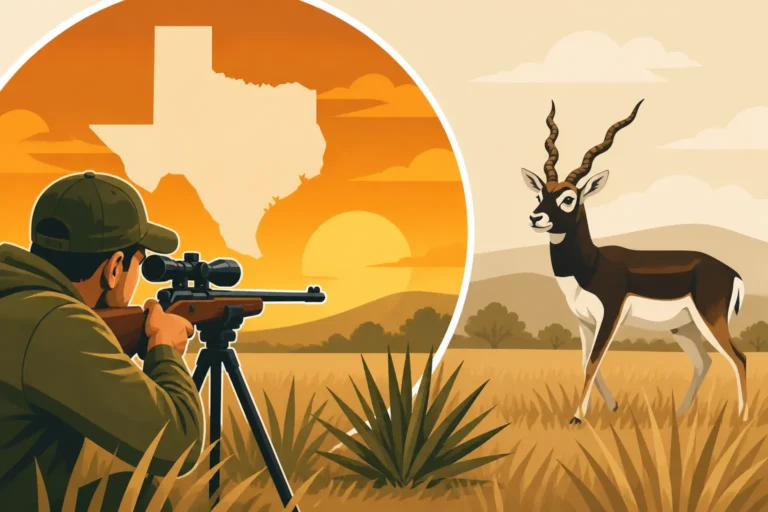
Texas is unique in its abundance of exotic game species, like Axis deer, Aoudad sheep, Blackbuck antelope, and Nilgai. These animals are considered private property by landowners in Texas, meaning they are not regulated by the TPWD in the same way native game animals are. **As such, it is generally legal to hunt exotic species over corn or other bait on private land.**
This is why many hunting ranches that offer exotic hunts will utilize feeders and bait to attract these animals. Since there's no closed season or bag limit on most exotics, the rules around harvesting them are far less restrictive than for native whitetail or mule deer. If you're planning an exotic hunt, you'll find that baiting is a common and accepted practice. It's one of the reasons that hunting Axis deer in Texas is so popular, as the opportunity to hunt them year-round, often over bait, provides a different experience than typical whitetail hunting. You can learn more about how to hunt Axis deer for a deeper dive.
Avoiding Legal Pitfalls: Tips for Responsible Baiting
Given the complexities, knowing how to stay compliant with Texas hunting regulations, especially regarding baiting, is paramount. It’s not just about avoiding fines; it’s about responsible hunting.
Knowing Your County and Zone
The absolute first step to avoiding legal trouble is to **know the specific regulations for the county you are hunting in.** As we’ve discussed, CWD Zones can impose additional, stricter rules on baiting, even for species that might normally be fair game elsewhere. The Texas Outdoor Annual is your best friend here. It’s updated annually and provides a comprehensive breakdown of regulations by county, species, and zone. You can access it online, or pick up a physical copy wherever hunting licenses are sold.
Don't rely on what your buddy "heard" or what was legal last year. Rules can and do change. A quick check of the TPWD website or the Outdoor Annual before each season, and especially before heading to a new hunting spot, can save you a world of grief. This also applies to understanding local antler restrictions and bag limits that vary by county. For example, some counties will have the 13-inch rule, while others will not, affecting how you choose to hunt a buck.
Documentation and Diligence
In situations where agricultural practices are borderline or could be misinterpreted, **keeping documentation of your activities can be a lifesaver.** If you’ve planted a food plot, have records of seed purchases and planting dates. If you’re a landowner implementing a supplemental feeding program for herd management, ensure it’s clearly distinct from hunting activities and that you’re not actively hunting over those specific feeders during deer season.
For migratory bird hunting, if you're hunting over a field that has been mechanically altered or harvested, understand the specifics of what constitutes "normal agricultural operations" and be prepared to explain it if questioned. Having photographs or logs of agricultural activity might seem excessive, but it provides tangible evidence of your intent and compliance. Ultimately, the burden of proof often falls on the hunter to demonstrate that no baiting violations occurred. Being diligent and transparent in your practices shows respect for the law and the wildlife.
Here's a quick reference table to help visualize the general rules:
| Species | Legal to Hunt Over Corn/Bait (Generally) | Key Considerations |
|---|---|---|
| White-tailed Deer | NO | Illegal statewide. CWD zones may have stricter rules. |
| Mule Deer | NO | Illegal statewide. CWD zones may have stricter rules. |
| Feral Hogs | YES | Highly encouraged for population control. |
| Axis Deer (Exotic) | YES | Regulated by landowner, not TPWD. |
| Aoudad (Exotic) | YES | Regulated by landowner, not TPWD. |
| Blackbuck (Exotic) | YES | Regulated by landowner, not TPWD. |
| Nilgai (Exotic) | YES | Regulated by landowner, not TPWD. |
| Dove | NO (over "baited area") | Legal over "normal agricultural practices" only. |
| Ducks/Geese | NO (over "baited area") | Legal over "normal agricultural practices" only. |
As you can see, understanding "Is it legal to hunt over corn in Texas?" really boils down to what you're hunting and where. For native deer, the answer is a resounding no, with few exceptions. For hogs and exotics, fill 'er up! For migratory birds, it's about agricultural integrity. Always check the current regulations, county by county, species by species, and you'll be well on your way to a successful and legal hunt. Remember to explore resources like our guide on Deer Hunting in Texas: Feeders, Blinds & Tactics or even specific articles like Hunting Over Feeders & Corn in Texas (Legal Guide) for more detailed information.
Disclaimer
Please note that hunting regulations can change. It is the individual hunter’s responsibility to review and comply with all current Texas Parks and Wildlife Department (TPWD) laws and federal regulations before engaging in any hunting activities. This guide provides general information and should not be considered a substitute for official legal advice or the current Texas Outdoor Annual.