Best Hunting Method for White-Tailed Deer in Texas
Finding yourself staring at an empty sender or a parade of young does while that legendary South Texas "ghost buck" stays hidden is a frustration every Lone Star hunter knows too well. It’s enough to make you wonder if you’re using the right strategy for the specific terrain you’re hunting. This guide breaks down the most effective methods for tagging a mature Texas whitetail, from the brush of the Borderlands to the hardwoods of the Pineywoods.
The Tried and True Method: Hunting Over Feeders and Blinds
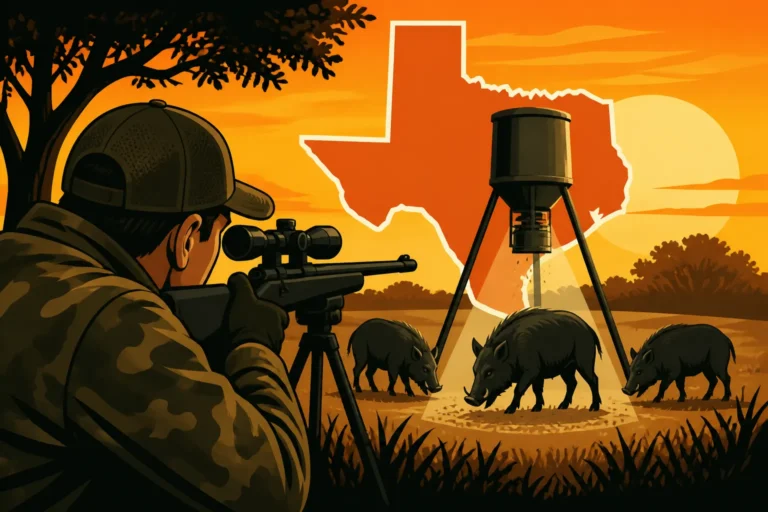
In the vast majority of Texas, especially on private leases in the Hill Country and South Texas, hunting over a feeder from a fixed blind is the gold standard. It’s not just about "lazy" hunting; it’s about consistent calorie management for the herd and creating a predictable point of contact in thick brush. When you are looking for the Best Deer Feeder Setup for Texas, you have to consider more than just where the tripod stands. You’re looking for a location that offers a clear line of sight while remaining close to a bedding area or a known travel corridor.
Setting up a box blind or a tripod isn't a "set it and forget it" task. To truly be successful, you need to understand how mature bucks interact with these artificial food sources. Older, wiser bucks rarely waltz into a feeder at 7:30 AM like the yearlings do. They often hang back in the "staging area," about 50 to 100 yards away in the thickets, scent-checking the area before committing. This is why many veteran hunters prefer placing their blinds further back than the standard 100 yards, using high-quality optics to scan the perimeter of the clearing rather than just watching the corn drop.
When considering your strategy, it is vital to know the rules. You should always consult a Hunting Over Feeders & Corn in Texas (Legal Guide) to ensure you aren't running afoul of baiting laws, which are generally very permissive in Texas but can have nuances in certain areas. The effectiveness of this method skyrockets when you use a combination of corn for attraction and high-protein pellets for antler growth. If you are hunting a lease in places like Llano or Mason, the deer density is so high that competition for feed ensures you’ll see plenty of action, but the challenge remains picking out a mature buck from the crowd.
The High-Octane Strategy: Rattling and Calling During the Rut
If sitting in a box blind feels a bit too sedentary for your taste, then the legendary South Texas technique of rattling might be your calling. This is arguably the most exciting way to hunt whitetail in the state. When the "first stage" of the rut hits—usually in late December for the deep south or mid-November for the northern counties—bucks become incredibly territorial and aggressive. Using a set of real antlers or a rattling bag to mimic a fight can bring a dominant buck charging through the brush, looking for the intruder.
Timing is everything here. You have to know When Is the Texas Whitetail Rut? for your specific zone, as the dates vary wildly from the Panhandle down to the Rio Grande Valley. In the "Golden Triangle" near Laredo and Uvalde, the rut often peaks around Christmas, making for a very merry hunting season. Success with this method requires a "setup" similar to predator calling. You want to be downwind of where you expect the buck to come from, and ideally, you want your back against a large mesquite tree or tucked into a prickly pear clump to break up your silhouette.
For those wanting to master this, studying Rut Hunting Tactics: Rattling & Grunting in Texas is essential. It’s not just about clashing horns; it’s about the subtle grunts and the "shuffling" of feet to simulate a real struggle. When a 150-inch buck comes crashing through the blackbrush at twenty yards because he thinks a rival is on his turf, your heart will beat right out of your chest. This method is highly effective in the South Texas Deer Hunting: Brush Country Guide regions where the brush is thick and bucks feel secure moving during the daylight.
The Challenge of Spot-and-Stalk in the West and Panhandle
While much of Texas is "private land and feeders," the Western reaches and the Panhandle offer a different landscape. In the rolling plains or the rugged breaks of the Trans-Pecos, the Spot-and-Stalk Hunting in Texas (Exotics & Mule Deer) method becomes a viable and often necessary tactic. Here, the cover is sparser, and the elevation changes allow you to use high-end binoculars to "glass" for deer from a mile away.
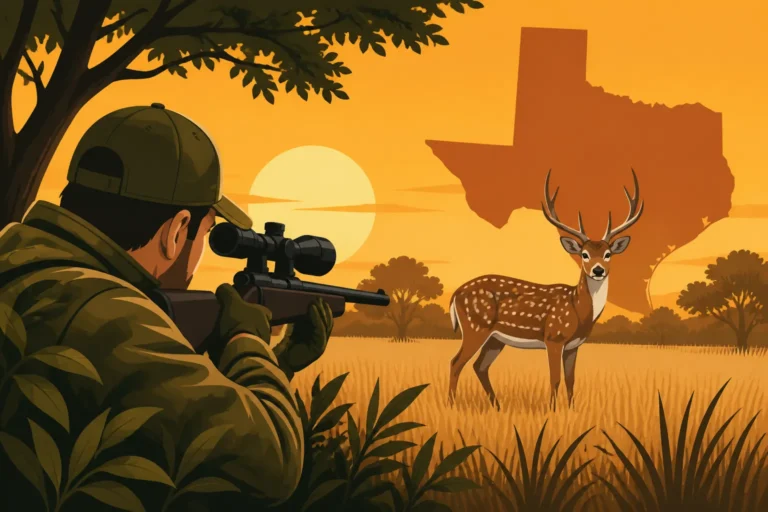
Once a target buck is spotted, the real work begins. You have to account for the constant Texas wind, which can swirl in the canyons and give away your position in an instant. This method requires a high level of physical fitness and a lot of patience. You might spend four hours crawling through cactus and rock just to get within 300 yards. This is where your gear choice truly matters, and having the Best Rifle Scope for Texas Deer Hunting with a reliable turret system or BDC reticle becomes a game-changer for those longer shots across a draw.
In these regions, whitetail often share the dirt with mule deer. It’s a unique experience to glass a canyon and see both species. However, you must be extremely careful with your identification. Checking the Texas Whitetail Bag Limit & Buck Rules is mandatory, as some counties have very specific antler restrictions or different seasons for mule deer versus whitetail. Spot-and-stalk is a chess match; it’s about using the terrain—the "folds" in the earth—to hide your approach until you’re within a comfortable shooting range.
Comparison of Texas Whitetail Hunting Methods
| Method | Best Region | Ideal Timing | Skill Level | Gear Intensity |
|---|---|---|---|---|
| Stand & Feeder | Hill Country / East TX | Early Season / Post-Rut | Beginner to Pro | High (Blind, Feeder, Feed) |
| Rattling/Calling | South Texas Brush | Peak Rut | Intermediate | Low (Horns, Grunt Tube) |
| Spot-and-Stalk | Panhandle / West TX | Pre-Rut / Rut | Advanced | High (Optics, Boots) |
| Still Hunting | Pineywoods (East TX) | Late Season | Advanced | Low (Camo, Patience) |
Managing the Harvest in the Texas Heat
No matter which method you choose, the work doesn't end when the trigger is pulled. One of the most significant challenges for Texas hunters is the weather. It’s not uncommon to have an 80-degree day in the middle of November. Learning the nuances of Field Dressing & Processing Game in Texas Heat is a survival skill for your venison. You have to get that hide off and the meat on ice as quickly as humanly possible to prevent bone sour and spoilage.
Furthermore, hunters must stay updated on the biological challenges facing our herds. Chronic Wasting Disease (CWD) has changed the way we move animals across the state. Before you head out, you need to be familiar with CWD in Texas: Zones, Rules & Carcass Transport to ensure you are following the law when bringing your trophy home. Many counties now require mandatory testing, and there are strict rules about leaving the brain and spinal column at the site of harvest if you are in a designated CWD zone.
Finally, always keep an eye on the specific regulations of the county you are in. Texas is a "patchwork quilt" of laws. Some counties have the "13-inch rule," while others have "doe days" or special late seasons. Being a successful Texas hunter means being a student of the Texas Parks and Wildlife Outdoor Annual as much as being a student of the deer themselves. Whether you’re sitting in a luxury box blind over a corn pile or belly-crawling through the red dirt of the Panhandle, the Best Hunting Method for White-Tailed Deer in Texas is ultimately the one that aligns with your land, your skill set, and your respect for the animal.
Legal Disclaimer
This guide is provided for informational and lifestyle purposes only and does not constitute legal advice or official hunting regulations. Hunting laws, bag limits, and season dates in Texas are subject to frequent change by the Texas Parks and Wildlife Department (TPWD). Always consult the current version of the Texas Outdoor Annual and verify specific county regulations, CWD zone restrictions, and licensing requirements before engaging in any hunting activities. Participation in hunting involves inherent risks; always prioritize safety and ethical fair-chase practices.