How to Hunt Bobcat on a Texas Lease
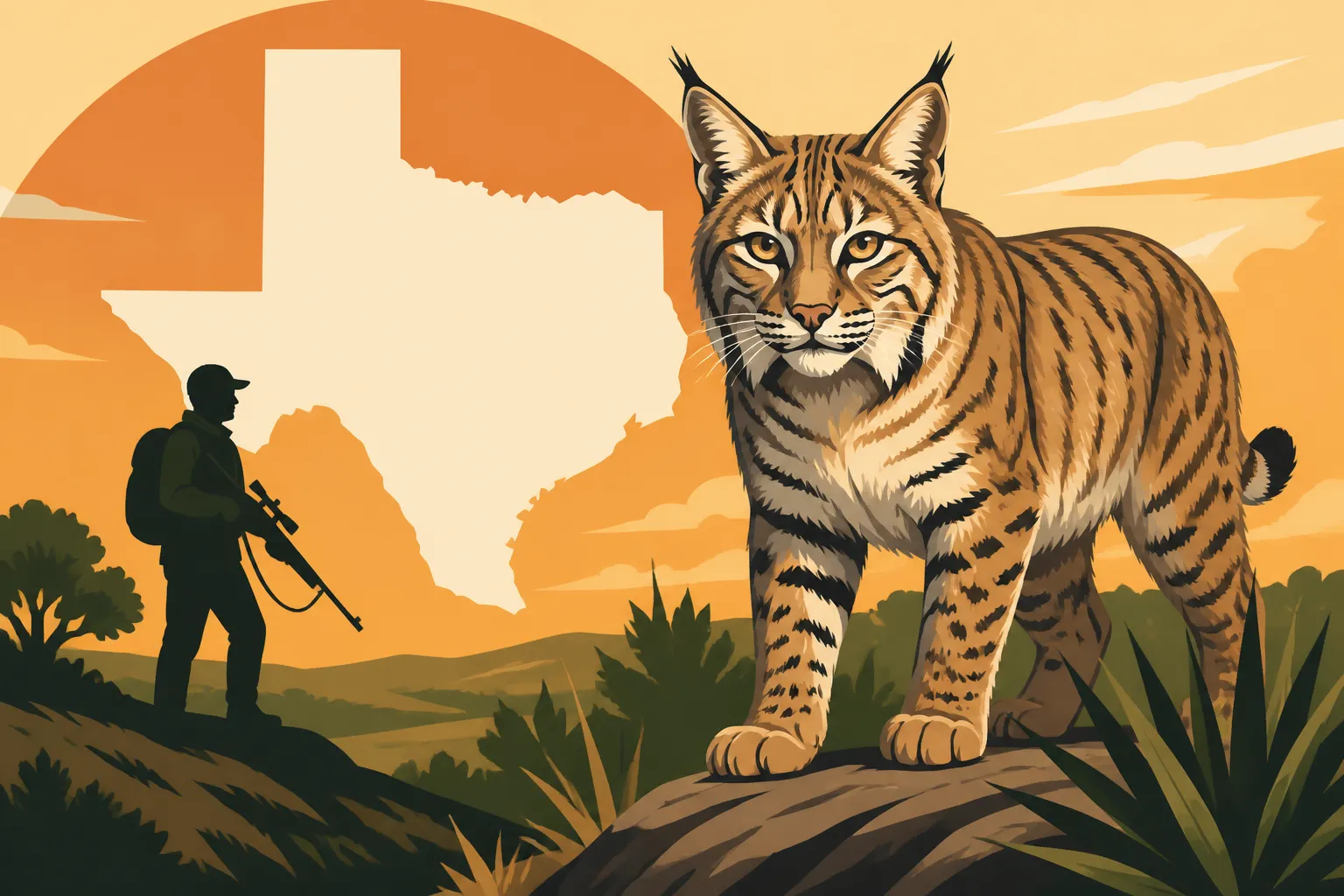
Most hunters on a Texas lease spend hundreds of hours tucked away in a deer blind, only to catch a fleeting glimpse of a spotted tail disappearing into the mesquite. These master ghosts are incredibly frustrating to target intentionally because they don't follow the same rules as coyotes or hogs. This guide provides a deep dive into the patience, gear, and calling tactics required to successfully hunt bobcats on your lease.
Understanding Bobcat Behavior on Your Texas Lease
If you have spent any time in the Hill Country or the brush of South Texas, you know that bobcats are the ultimate opportunistic predators. Unlike a coyote that might cover ten miles in a night looking for a meal, a bobcat is a "sit and wait" predator. They are meticulous, slow-moving, and highly visual. On a typical Texas lease, their home range is relatively small compared to other predators, but they know every square inch of the cedar breaks and rocky draws they inhabit.
One of the biggest mistakes lease members make is assuming that because they see bobcats on their trail cameras at 2:00 AM, the cats are strictly nocturnal. While they are certainly active at night, bobcats are crepuscular, meaning they love that "grey light" period of dawn and dusk. In regions like the Rolling Plains or the Trans-Pecos, you will often find them sunning themselves on rocky ledges or moving just before a major cold front hits. Understanding this timing is the difference between a wasted sit and a successful harvest.
When you are trying to determine the Best Hunting Method for Bobcat in Texas, you have to account for their extreme caution. A bobcat will often spot a hunter's movement long before the hunter even knows a cat is in the area. They don't just run into a call like a hungry coyote; they "hang up" at the edge of the brush, watching for fifteen or twenty minutes to ensure the "rabbit" they hear isn't actually a person with a rifle. This level of patience is something most hunters struggle with, but it is the core of bobcat hunting.
Identifying Bobcat Territory and High-Traffic Areas
On a large lease, you can’t just set up anywhere and expect a cat to show up. You need to look for specific terrain features. Bobcats love "edges"—places where thick cover meets an open senderos or a field. In the Edwards Plateau, look for cedar thickets that border creek bottoms. In South Texas, look for areas with dense prickly pear and mesquite. They use these thick areas for security and the open edges for hunting.
You should also look for "toilets" or scrapes. Bobcats are territorial and will often leave scat in prominent places, like the middle of a ranch road or on a flat rock, to mark their ground. If you start seeing consistent sign in a specific drainage or near a certain windmill, that is where you need to focus your efforts. Use your scouting time to find these micro-habitats rather than just glassing large pastures.
The Impact of Seasonality and Weather
The weather in Texas is notoriously unpredictable, but bobcats are highly sensitive to barometric pressure changes. A blue norther blowing through can be the best time to be out. When the temperature drops and the wind starts to howl, small mammals go into survival mode, and bobcats have to move more frequently to maintain their body heat.
During the winter months, their fur is at its prime, which is when most lease hunters choose to target them. However, you should also consider the "kitten season" in late spring and early summer. While you may not be hunting for pelts then, this is a critical time for predator management to protect your fawn crop and turkey poults. Just remember that a hungry cat in July behaves very differently than a cat looking for a mate in January.
Scouting and Setup Strategies for Success
Success starts long before you ever blow into a call. Because bobcats are so visual, your setup must be flawless. On a Texas lease, you likely already have stands in place, but sitting in a 10-foot box blind isn't always the best way to call predators. You need to get down on their level or use a tripod that offers a 360-degree view while maintaining a low profile.
Many hunters find success by using the same technology they use for deer. Learning How to Pattern Bucks With Trail Cameras can actually teach you a lot about your local bobcat population. If you notice a specific cat passing a camera every three or four days at roughly the same time, you've found its hunting circuit. Bobcats are creatures of habit, and they will often hunt the same "beat" for weeks at a time until the food source moves.
When you are looking for gear to help with your scouting, you can find a wide variety of high-quality SD cards and camera mounts on Amazon that can withstand the harsh Texas sun. Having reliable equipment is vital because a failed camera might mean missing the one window of opportunity you have to hunt a specific mature male.
Strategic Stand Placement and Back Cover
When you pick a spot to sit, the wind is your first priority, but "back cover" is a close second. A bobcat’s eyes are like 8×42 binoculars; they will pick up the silhouette of a human head against the sky instantly. Always sit with a large bush, a rock, or a tree trunk behind you to break up your outline.
If you are hunting in the brush country, try to find a slight elevation. Even a five-foot rise can give you the advantage of seeing over the top of the blackbrush and guajillo. You want to be able to see the cat as it stalks in, rather than being surprised when it pops out ten feet away. This is also why many people choose to hunt from a tripod blind, as it gets you above the thorns while keeping you mobile.
Using Decoys to Distract the Feline Eye
Since bobcats are visual hunters, a decoy is almost mandatory. You can find simple "feather on a string" style decoys or motorized spinning decoys on Amazon that work wonders. The goal is to give the bobcat something to focus on so it isn't looking at you.
When a bobcat hears a distress call, it is scanning the ground for movement. If it sees a small puff of fur or a feather dancing in the breeze, it will fixate on that object. This allows you to slowly raise your rifle or adjust your position without being busted. Without a decoy, the cat is much more likely to pinpoint your exact location and vanish before you can get a shot off.
Calling Tactics and the Patience Game
This is where most Texas hunters fail. We are used to calling coyotes, where you might blow a rabbit distress for ten minutes, and if nothing shows up, you move to the next spot. That will almost never work for a bobcat. You have to be prepared to sit for at least 45 minutes to an hour.
Bobcats are the kings of the "slow play." They might hear your call from 300 yards away and spend 40 minutes creeping through the brush to cover that distance. They will stop, sit, listen, and watch for long periods. If you get impatient and stand up after twenty minutes, you probably just spooked a cat that was only 50 yards away in the thicket. You can find more details on this in our guide on Predator Calling for Coyotes in Texas, but remember to slow the tempo down for cats.
Sound Selection: Birds, Rabbits, and Rodents
While rabbit distress is the standard, bobcats in Texas often respond better to high-pitched bird distress or rodent squeaks. Think about the "woodpecker in distress" or "flicker" sounds. These sounds are piercing and travel well through thick brush, but they sound less threatening than a large jackrabbit.
| Call Type | Best Used For | Recommended Duration |
|---|---|---|
| Woodpecker Distress | High-pitched, reaches through thick brush | 45-60 Minutes |
| Cottontail Distress | Standard call, good for all predators | 30-45 Minutes |
| Kitten Meows | Best for territorial or curious cats | 60 Minutes |
| Rodent Squeaks | Close-range finishing sounds | 15 Minutes (at end) |
If you are using an electronic caller, start with a very low volume. A bobcat’s hearing is incredibly sensitive. If you blast a loud sound right next to where one is napping, you’ll likely just blow him out of the county. Start soft, as if the prey is just beginning to struggle, and slowly increase the volume over the course of the hour.
Mouth Calls vs. Electronic Callers
There is a constant debate at hunting camps about which is better. Electronic callers allow you to place the sound away from your body, which is a huge advantage for bobcats. You can find excellent FoxPro or Lucky Duck callers on Amazon that come pre-loaded with specific bobcat sounds.
However, mouth calls allow for much more emotion and "soul." A hand-blown open reed call can mimic the desperate, raspy gasps of a dying rabbit in a way that a digital recording sometimes can't. Many veteran hunters will use an electronic caller for the main sequence and then switch to a hand-held "squeaker" to coax the cat the last fifty yards into an opening.
Essential gear and Legality for Texas Bobcat Hunting
Before you head out to the lease, you need to make sure your paperwork is in order. In Texas, the bobcat is classified as a furbearing animal. While you can hunt them year-round on private property with a valid hunting license, there are specific rules regarding the pelt if you intend to sell it. Always check the current Texas Bobcat Hunting Regulations 2026 to ensure you are compliant with CWD zone transport rules or tagging requirements.
If you are a lease member, make sure your lease agreement specifically allows for predator hunting. Some deer leases are very strict about "non-game" animals being shot during the heat of the rut to avoid spooking big bucks. However, most landowners are thrilled to have you thin out the predator population. Make sure you have your Texas Hunting License: Cost, Types & How to Buy (2026) ready and on your person at all times.
Night Hunting and Thermal Optics
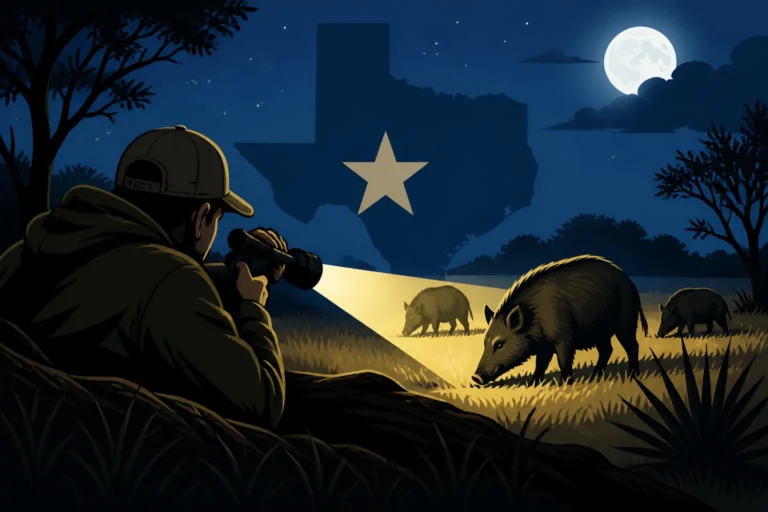
Night hunting has become the gold standard for bobcats in Texas. Because of their reflective eyes, they are much easier to spot with a red light or thermal optics than they are to see during the day. If you are curious about the legality and tactics of this, check out our article on How to Hunt Hogs at Night With Thermal. While the gear is similar, the approach for bobcats requires much more scanning and slower movement.
Thermal monoculars have changed the game for lease hunters. You can scan a woodline and see the heat signature of a cat's ears poking out of the grass long before you would ever see them with a traditional spotlight. If you are on a budget, you can find entry-level scanning lights on Amazon that will get the job done, but once you go thermal, it’s hard to go back.
Firearms and Shot Placement
You don’t need a cannon to kill a bobcat. In fact, if you want to save the pelt, a large caliber rifle will do too much damage. Most Texas hunters prefer a .22-250, .223, or even a .17 HMR for closer shots. If you are hunting in extremely thick brush where shots are under 40 yards, a 12-gauge shotgun with #4 buckshot is incredibly effective.
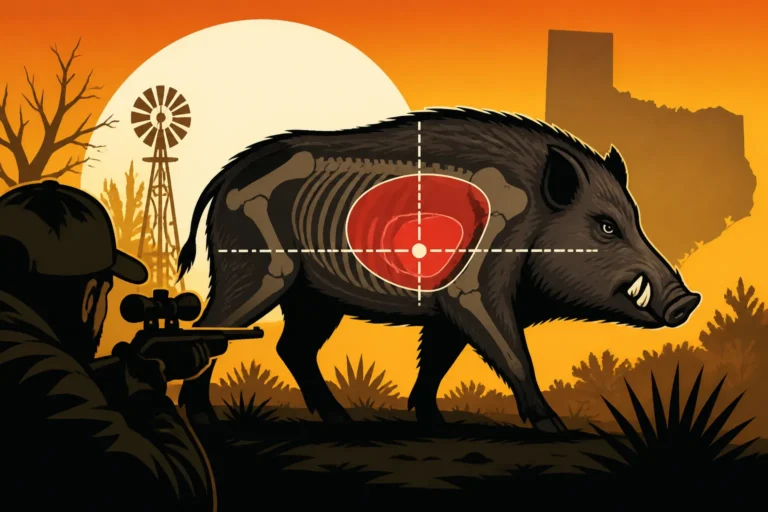
When it comes to Best Gear for Bobcat on a Texas Lease, your choice of optic is paramount. You need something with excellent low-light transmission. A bobcat is a small target, usually weighing between 15 and 30 pounds in Texas. You need to be precise. Aim for the "boiler room" (heart/lungs) just behind the front shoulder. Because they are so small, a slightly off-center shot can lead to a long tracking job through thorny brush that no one wants to do at midnight.
Is There a Season?
One of the most common questions is, Is There a Season for Bobcat in Texas?. Technically, for hunters with a valid license, there is no closed season and no bag limit for bobcats on private land. This makes them a perfect target for those long summer months when deer season is a distant memory. However, if you are looking for that thick, beautiful winter coat, you want to wait until at least late November when the "prime" fur comes in.
Regardless of when you hunt, always remember the "13-inch rule" isn't for cats—it's for deer. But bobcats are still managed wildlife. Treat them with respect, utilize the meat or the pelt if possible, and always follow the rules of your specific ranch. If you are prepared with the right gear from Amazon and a mountain of patience, you might just finally harvest that ghost of the Texas brush.
Disclaimer
Hunting regulations in Texas are subject to change by the Texas Parks and Wildlife Department (TPWD). Always consult the current Texas Outdoor Annual and verify specific lease rules with your landowner before hunting. Predator hunting requires high levels of safety and positive target identification at all times.