Is There a Season for Bobcat in Texas?
Many hunters new to Texas, or even seasoned veterans who haven't specifically targeted furbearers, often wonder if there's a set "season" for bobcats like there is for deer or turkey. It's a valid question, stemming from the highly regulated nature of game animals. The truth is, bobcat regulations in the Lone Star State are a bit different, and misunderstanding them can quickly lead to trouble. This guide is here to clear up the confusion, walking you through everything you need to know about legally and responsibly pursuing bobcats in Texas.
Understanding Texas Bobcat Regulations
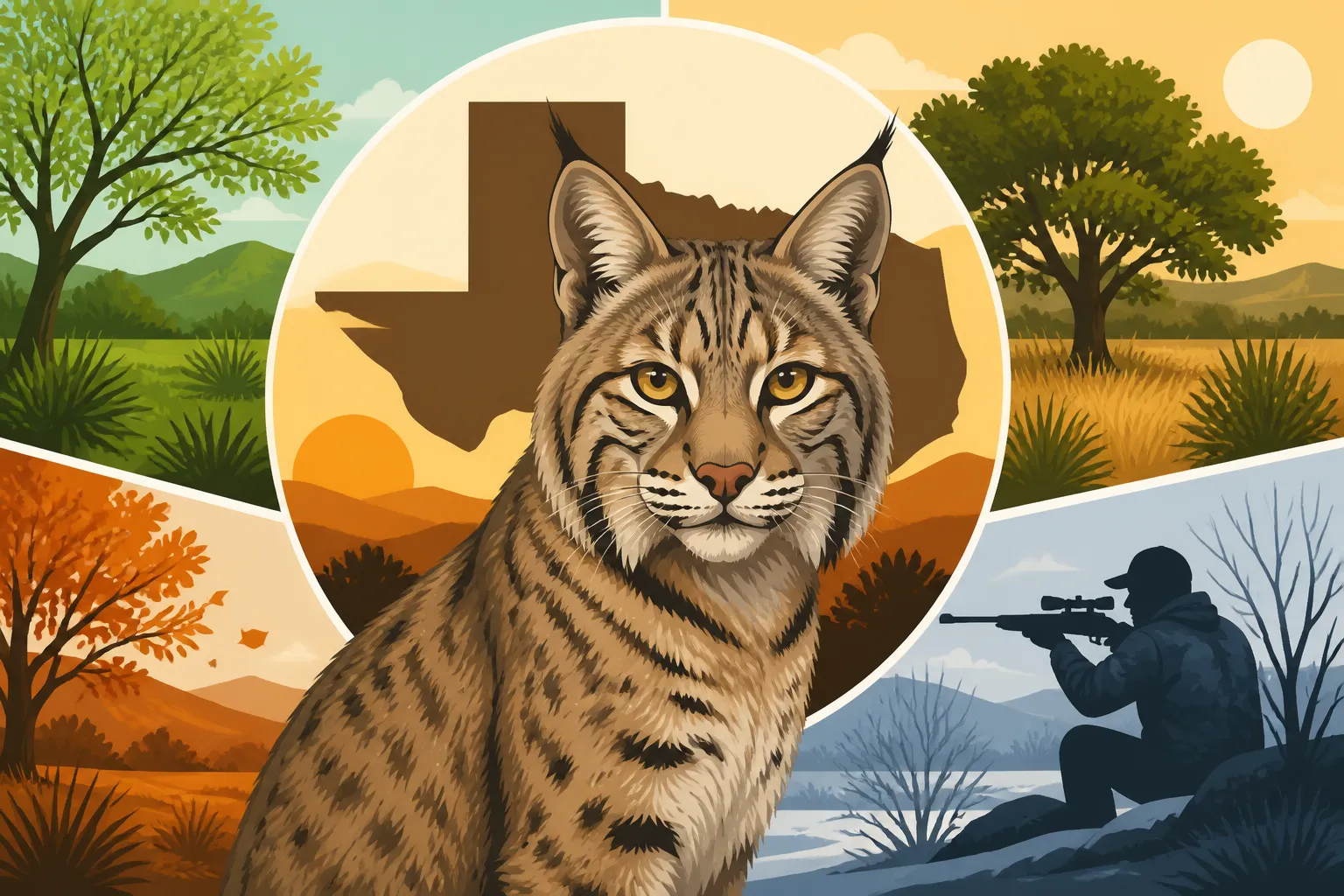
First things first, let's talk about what a bobcat actually is in the eyes of Texas law. Unlike white-tailed deer or migratory birds, which have very specific hunting seasons, bag limits, and often zones, bobcats fall under a different category: furbearers. This classification is crucial because it dictates a distinct set of rules. Bobcats, scientifically known as Lynx rufus, are native predators across much of Texas, from the dense brush country of South Texas to the rugged landscapes of the Trans-Pecos. They play an important role in controlling rodent and rabbit populations, but they can also be significant predators of small livestock and game birds, which is often why landowners or hunters seek to reduce their numbers. The Texas Parks and Wildlife Department (TPWD) manages them with a focus on sustainable harvest, particularly for their pelts.
The key takeaway here is that bobcats aren't considered game animals in the traditional sense, nor are they fully unprotected vermin like feral hogs in some contexts. They occupy a middle ground that requires specific licenses and adherence to furbearer regulations, especially if you intend to sell their pelts. This distinction is vital for anyone planning to hunt them, as simply possessing a general hunting license isn't always enough if you're engaging in activities beyond simple recreational take.
General Hunting License Requirements
So, do you need a license to hunt bobcats? Absolutely. Even though they don't have a traditional "season," you still need a valid Texas hunting license to pursue them. For most residents, this means purchasing the annual Super Combo License, which covers a wide array of hunting and fishing activities, or a specific hunting license that covers all legal game and non-game species. If you're coming from out of state, you'll need a non-resident hunting license. It's important to remember that this general license allows you to take a bobcat, but it doesn't automatically grant you the right to sell its fur or parts, which is where things get a bit more complex.
Many hunters will primarily pursue bobcats as a target of opportunity while out Deer Hunting in Texas: Feeders, Blinds & Tactics or Hog Hunting Methods in Texas: Thermal, Night & Trapping. In these scenarios, having your basic hunting license is sufficient for the act of hunting itself. However, if you're specifically targeting bobcats with the intention of harvesting their fur or engaging in commercial activities, you'll need additional endorsements and licenses. It's a common mistake for hunters to assume that because there isn't a "season," the rules are lax. This couldn't be further from the truth. Always double-check the current Outdoor Annual for any specific county-level regulations or changes, as these can sometimes pop up.
Furbearer Animal Status and Its Implications
The classification of bobcats as "furbearers" under Texas law comes with some very specific implications, especially concerning their pelts. In Texas, furbearers include species like raccoons, foxes, opossums, badgers, and, yes, bobcats. The primary implication of this status is that if you intend to sell, barter, or trade the pelt of a bobcat, you are required to have a specific license—either a Trapper's License or a Commercial Furbearer Hunter's License, depending on your method of take. This is a critical point that often trips up recreational hunters who might shoot a bobcat and then, realizing the value of its fur, decide they want to sell it. Without the proper furbearer license, selling that pelt is illegal.
Furthermore, the pelts of bobcats (along with river otters) that are taken in Texas and intended for sale or export require a Convention on International Trade in Endangered Species (CITES) tag. This international agreement monitors and regulates the trade of certain wildlife species to ensure their survival. While bobcats are not endangered in Texas, their pelts are in demand globally, and the CITES tag helps track their legal harvest and prevent illegal trafficking. Obtaining these tags involves reporting your harvest to TPWD and meeting specific criteria, which we'll delve into shortly. This multilayered regulatory framework ensures that while bobcats can be hunted, their populations are managed sustainably, and their commercial value is properly tracked.
When and How You Can Hunt Bobcats
Here's the direct answer to the core question: there is no closed season for hunting bobcats in Texas. That's right, folks. You can hunt bobcats year-round, 365 days a year, with a valid hunting license. This continuous open season reflects their status as furbearers and their adaptable nature, thriving in many Texas habitats. However, while there's no closed season for hunting them, there is a specific open season for trapping furbearers, and this is where some confusion often arises.
The open season for lawfully taking furbearers, including bobcats, for commercial purposes or by trapping methods, typically runs from November 1st to March 31st. So, if you're using snares or leg-hold traps, or if your primary intent is to harvest pelts for sale, you must adhere to this November to March window. If you're simply hunting them with a firearm or archery equipment, outside of the intention to sell their pelts, you can do so at any time. This flexibility is a huge advantage for landowners and wildlife managers who need to control predator populations outside of traditional hunting seasons. So, whether it's the heat of July or the chill of January, if you've got your license, you can be out pursuing bobcats.
Specific Methods and Legal Restrictions
When it comes to the how, Texas offers a lot of flexibility for bobcat hunting, but there are still important restrictions to keep in mind. You can use most legal hunting methods, including firearms, archery equipment (like for Bowhunting in Texas: Archery Season Guide), and even air guns. There are no caliber restrictions for taking furbearers, so anything from a .223 to a .308 will do the job effectively, depending on your shot placement and distance.
One of the most effective and popular methods, especially for those looking to control populations or for a challenging hunt, is Predator Calling for Coyotes in Texas, which also works wonders for bobcats. Using electronic callers that mimic distress calls of rabbits or birds can bring these curious predators right into range. Hunting at night is also perfectly legal for bobcats, which is when they are most active. This opens up opportunities for using specialized equipment like Best Thermal Scopes for Hog Hunting in Texas, which are equally effective for identifying and targeting bobcats in the dark. However, always be mindful of local ordinances and ensure you have permission to hunt on private land, especially when hunting after dark. While the methods are diverse, safety and ethical hunting practices should always be paramount.
Trapping Regulations for Bobcats
Trapping bobcats, as mentioned, falls under stricter regulations due to its nature and the focus on pelt harvest. The legal trapping season for furbearers in Texas is from November 1st to March 31st. Outside of this window, it is illegal to set traps for bobcats or other furbearers. This seasonal restriction is designed to ensure that prime pelts are harvested when the fur is thickest and most valuable, and it also aligns with periods when many furbearers are more active and less likely to be denning with young.
When trapping, you must use legal traps as specified by TPWD. This typically includes certain types of leg-hold traps and snares, with specific requirements regarding pan tension, jaw spread, and the use of drags or stakes. Trappers are also legally required to check their traps at least once every 36 hours. This regulation is crucial for animal welfare, minimizing the time an animal spends in a trap, and ensuring that non-target animals can be released promptly if caught. Anyone engaging in trapping must possess a valid Trapper's License, even if they don't intend to sell the pelts. This extra layer of licensing and regulation underscores the commercial and management aspects associated with furbearer trapping in Texas. For more detailed insights, you can review specific regulations concerning Bobcat Hunting & Trapping in Texas.
Essential Permits and Reporting for Bobcats
If your intention is to trap bobcats, whether for personal use or for their pelts, you absolutely must have a Texas Furbearer Trapper's License. This isn't optional, and it's separate from your general hunting license. The Trapper's License is specifically designed for individuals who engage in the practice of trapping furbearers. It acknowledges the specialized skills and responsibilities involved in setting and managing traps, which differ significantly from traditional hunting methods. The revenue generated from these licenses helps fund wildlife management programs, including those focused on furbearer populations.
Obtaining this license requires a separate purchase through TPWD, much like your standard hunting license. It ensures that those who are trapping are aware of the specific rules and ethical considerations associated with this method. Even if you only plan to trap a few bobcats for nuisance control on your own property, and don't intend to sell the pelts, the Trapper's License is still a requirement if you are using traps during the regulated trapping season. Without it, any bobcat you trap could be considered an illegal take, leading to potential fines and penalties.
Commercial Furbearer Hunter's License
For those who primarily hunt bobcats (rather than trap them) but intend to sell their pelts, a Commercial Furbearer Hunter's License is the permit you'll need. This license specifically authorizes you to harvest furbearers by hunting methods (e.g., shooting with a rifle, bow, or shotgun) and then legally sell their fur or other parts. It's a key distinction from the general hunting license, which allows you to take an animal but not necessarily to profit from it in a commercial sense. This license is critical for hunters who view bobcat hunting as a commercial endeavor, or even a side hustle, during the prime fur season.
Just like the Trapper's License, the Commercial Furbearer Hunter's License is a separate purchase. It ensures that those engaging in commercial transactions of furbearer pelts are tracked and compliant with state regulations. This license, combined with the CITES tag requirements, forms a robust system for monitoring the commercial harvest of bobcats and other furbearers. Without this license, even if you lawfully shot a bobcat with your general hunting license, selling its pelt would be illegal, potentially leading to charges for illegal commercialization of wildlife. It's essential to plan ahead if you anticipate selling any bobcat pelts you harvest.
CITES Tag Requirements for Pelts
This is probably the most unique and often misunderstood aspect of bobcat regulations in Texas. As mentioned earlier, the Convention on International Trade in Endangered Species (CITES) requires special tags for bobcat pelts (and river otters) that are taken in Texas, if those pelts are intended for sale or export. This isn't because bobcats are endangered in Texas—they're quite abundant—but rather to help regulate the international trade of all Lynx species, some of which are endangered elsewhere. The CITES tag ensures that any bobcat pelt entering the global market originated from a legal, sustainably managed harvest.
To obtain a CITES tag for a bobcat pelt, you must report your harvest to TPWD. This typically involves contacting a game warden or a designated TPWD representative within a specific timeframe after the harvest, usually by phone, email, or an in-person visit. They will inspect the pelt, verify the take was legal, and issue an official CITES tag which must be securely affixed to the pelt. This tag is your proof of legal ownership and allows for the commercial sale or export of the fur. Without this tag, even if you have the appropriate furbearer license, the pelt cannot be legally sold or exported across state or international lines. This process underscores the state's commitment to responsible wildlife management and international conservation agreements. Always check the latest details in the Texas Hunting Tags & Harvest Reporting (My Texas Hunt Harvest) regarding specific CITES tagging procedures, as they can sometimes be updated.
Responsible Bobcat Hunting and Conservation
Even with an open season and flexible methods, ethical considerations are paramount when hunting bobcats. These are wild animals, and our responsibility as hunters extends beyond just legal compliance. One of the most important best practices is ensuring a quick, humane kill. This means taking responsible shots, understanding bobcat anatomy for vital organ placement, and using appropriate calibers. Just like with White-Tailed Deer Hunting in Texas: Complete Guide, poor shot placement leads to wounded animals and prolonged suffering, which is unacceptable.
Another ethical consideration involves understanding the role bobcats play in the ecosystem. While they can be problematic for livestock or game populations, they are also natural predators that help maintain balance. Indiscriminate killing without a clear purpose—whether it's nuisance control, fur harvest, or pure sport—isn't responsible. Many hunters, especially those using game calls, prioritize clean kills and ensure they recover any animals they shoot. Furthermore, practicing good land stewardship and respecting private property are always vital. Before heading out, make sure you understand the land you're on, have all necessary permissions, and leave no trace behind.
Impact on Local Ecosystems
Bobcats are integral components of Texas's diverse ecosystems. As mesopredators, they primarily prey on small mammals like rabbits, rodents, and sometimes birds, contributing to the health and balance of these populations. They also compete with and sometimes prey on smaller predators like foxes and skunks. A sudden, drastic reduction in bobcat numbers in a localized area, while sometimes necessary for specific management goals (e.g., protecting nesting game birds or livestock), could potentially lead to an increase in other pest species that bobcats normally keep in check.
However, in many parts of Texas, bobcat populations are robust and thriving. Their adaptability allows them to exist even in areas with significant human presence. The year-round hunting season and trapping regulations are designed to allow for population management where needed, without threatening the overall species' health. Landowners and wildlife managers often leverage bobcat hunting as part of a broader predator management strategy, especially in areas where they might be impacting fawn survival rates for deer or wild turkey poults. Understanding these ecological dynamics helps hunters make informed decisions and contribute positively to wildlife management efforts, rather than simply reducing numbers without thought.
Importance of Conservation
While bobcats in Texas are far from endangered, conservation efforts remain important for all wildlife, including furbearers. "Conservation" in this context isn't just about protecting endangered species; it's about wise use and sustainable management of all natural resources. The regulatory framework, including licenses, seasons for trapping, and CITES tags, is a direct form of conservation. It ensures that data is collected on harvest numbers, allowing wildlife biologists to monitor populations and adjust regulations if necessary.
For individual hunters, practicing conservation means adhering to all laws, respecting bag limits (where they exist for other furbearers, though not for bobcats specifically), and promoting responsible hunting practices. It also means educating others about the value of all wildlife species and dispelling myths about "varmint" hunting being solely for extermination. Many bobcat hunters take pride in their ability to call in these elusive animals and appreciate the challenge. By following all regulations and embracing ethical hunting, every hunter contributes to the long-term health and sustainability of bobcat populations in Texas, ensuring future generations can also experience the thrill of encountering these beautiful wild cats.
Texas Bobcat Hunting & Trapping Overview
| Activity | License(s) Required | Season | Key Regulations | Purpose |
|---|---|---|---|---|
| Hunting Bobcats | General Hunting License | Year-round | No daily/annual bag limit. Various legal methods (firearm, archery, air gun). | Recreational, predator control, personal use. |
| Trapping Bobcats | General Hunting License + Furbearer Trapper's License | Nov 1 – Mar 31 | Check traps every 36 hours. Specific trap types and placement rules. | Commercial fur harvest, intense predator control. |
| Selling Pelts | General Hunting License + Commercial Furbearer Hunter's License (if hunted) OR Furbearer Trapper's License (if trapped) + CITES Tag | Nov 1 – Mar 31 (for harvest/sale period) | CITES tag required for bobcat pelts intended for sale/export. Report harvest to TPWD. | Commercialization of fur. |
Many hunters often wonder about specific regulations like Is It Legal to Hunt Over Corn in Texas? or Do You Need a License to Hunt Hogs in Texas?, but the furbearer rules have their own unique complexities. Understanding your Texas Hunting License: Cost, Types & How to Buy (2026) is the first step for any hunting activity, but for bobcats, it doesn't end there. For a broader perspective on what you can pursue, take a look at the Texas Hunting Seasons: Complete Calendar by Species.
If you're thinking about predator control, comparing methods like Coyote Hunting in Texas: Night & Thermal might offer some transferable skills for bobcats. Using Best Thermal Scopes for Hog Hunting in Texas for nocturnal hunts can significantly increase your success rate for both hogs and bobcats. And of course, getting savvy with Best Game Calls for Texas Hunting is crucial if you want to bring those wary bobcats in close. Remember, when dealing with furbearers, the nuances matter, especially if you're looking into Predator & Small Game Hunting in Texas for commercial purposes. Always refer to the most current Texas Hunting Regulations Changes for 2026 to stay compliant.
Disclaimer
Please remember that hunting regulations can change. While I strive to provide accurate and up-to-date information, it is always your responsibility to consult the most current Texas Parks and Wildlife Department Outdoor Annual and any local regulations before engaging in any hunting activities. Always prioritize safety and ethical practices.