Texas Youth & Senior Hunting License
Texas is a state built on traditions, and few run deeper than the annual hunting excursion. For many of us, these memories are etched into our souls – learning to track a deer with a parent or grandparent, or passing on those same lessons to the next generation. But navigating the ins and outs of hunting licenses, especially for our youngest and most seasoned hunters, can feel like trying to decipher ancient hieroglyphics. This guide is here to untangle the complexities of Texas youth and senior hunting licenses, ensuring everyone can enjoy the rich hunting heritage our state offers without any unnecessary headaches.
Understanding Texas Hunting Licenses for Youth
Introducing young Texans to the outdoors, specifically hunting, is a truly special endeavor. It teaches responsibility, respect for nature, and provides invaluable bonding time. However, ensuring our aspiring young hunters are properly licensed and educated is paramount. The good news is, Texas makes it relatively straightforward for kids to get involved, with specific provisions designed to encourage their participation.
Age Requirements and License Types for Young Hunters
In Texas, the specific license requirements for youth depend largely on their age. It’s not a one-size-fits-all situation, and understanding these distinctions is key to getting them started on the right foot. Generally speaking, kids under 17 are considered youth hunters, but the exact rules for needing a license or taking hunter education vary.
For instance, children under the age of 9 do not need a hunting license to hunt in Texas, as long as they are accompanied by a licensed hunter who is 17 years of age or older. This means a young child can experience the blind and the outdoors with a guardian without any paperwork, which is a fantastic way to introduce them to the sights and sounds of hunting. Once a child turns 9, they do need a hunting license to participate, but often, these are available at a reduced cost. The Texas Youth Hunting License is a prime example, specifically tailored for those 9 to 16 years old. This license covers basic hunting privileges for all legal game animals, allowing them to hunt everything from whitetail deer to feral hogs. It's truly designed to be an entry point, making it easy for parents to get their kids out there without a huge financial commitment. It’s also important to remember that even with a youth license, an adult mentor is usually required, especially for younger kids. You can learn more about the general requirements in our comprehensive guide on Texas Hunting License: Cost, Types & How to Buy (2026).
The Importance of Hunter Education for Youth
Beyond just a license, hunter education is a non-negotiable step for almost all young hunters in Texas. It's not just about passing a test; it's about instilling a deep understanding of firearm safety, ethics, wildlife conservation, and hunting regulations. No matter how much experience a parent or mentor has, formal hunter education provides a structured foundation that’s crucial for responsible hunting.
Generally, anyone born on or after September 2, 1971, must successfully complete a hunter education course or be exempt (like those under supervision). For youth, this means that if they are 9 years old and plan to hunt, they will need this certification. The course covers everything from safe firearm handling, hunting ethics, basic first aid, and even the nuances of game laws like Texas Antler Restrictions: 13-Inch Rule & Counties. The Texas Parks and Wildlife Department (TPWD) offers various formats, including online courses and in-person classes, making it accessible for families across the state. In-person classes often provide valuable hands-on experience, allowing kids to handle inert firearms and practice safe hunting scenarios. The goal isn't to make them experts overnight, but to equip them with the knowledge and respect necessary to be safe and ethical participants in the field. Remember, understanding Do You Need Hunter Education in Texas? is key for all hunters, but especially for those just starting out.
Exploring Texas Hunting Licenses for Seniors
As we get older, hunting continues to be a cherished pastime, a way to stay connected with nature, friends, and family. Texas recognizes the lifelong dedication of its senior hunters and offers specific license options to make continuing this tradition both affordable and convenient. These licenses are a small way of saying thank you for generations of conservation and outdoor stewardship.
Specific License Options and Age Qualifications for Seniors
For Texans aged 65 and over, the state provides a couple of distinct advantages when it comes to hunting licenses. The most common and beneficial option is the Senior Annual Public Hunting Permit, which is part of the Senior Resident Hunting License package. While the standard hunting license applies to all adults, those 65 and older receive a significantly reduced price on many annual licenses. This makes it much more accessible for seniors on fixed incomes to continue enjoying their passion.
The "Senior Resident Hunting" license often includes the "Type 101" license, which is essentially the basic hunting license at a discounted rate, plus specific endorsements for migratory birds if needed. Furthermore, there's a specialized Senior Super Combo License, which is an incredibly popular choice. The Super Combo bundles several licenses and endorsements into one convenient and discounted package, including fishing, hunting, and various endorsements for migratory game birds, waterfowl, and saltwater fishing. This is particularly attractive for seniors who enjoy a wide array of outdoor activities. For example, if you love chasing whitetails in the fall and then heading to the coast for ducks, the Senior Super Combo covers it all for a fraction of the cost of buying each component separately. You can dive deeper into the benefits of this kind of bundle by looking into What Is the Texas Super Combo License?. To qualify for these senior discounts, hunters simply need to be 65 years of age or older and a resident of Texas. It’s always best to check the latest TPWD regulations for exact pricing and offerings, as these can be updated periodically.
Benefits of Senior Licenses for Experienced Hunters
The benefits of senior hunting licenses extend far beyond just the reduced cost, although that's certainly a major plus. These licenses acknowledge the valuable role older hunters play in mentoring the next generation and their continued contributions to wildlife conservation through license sales. By making hunting more accessible, Texas encourages experienced hunters to remain active and pass down their knowledge.
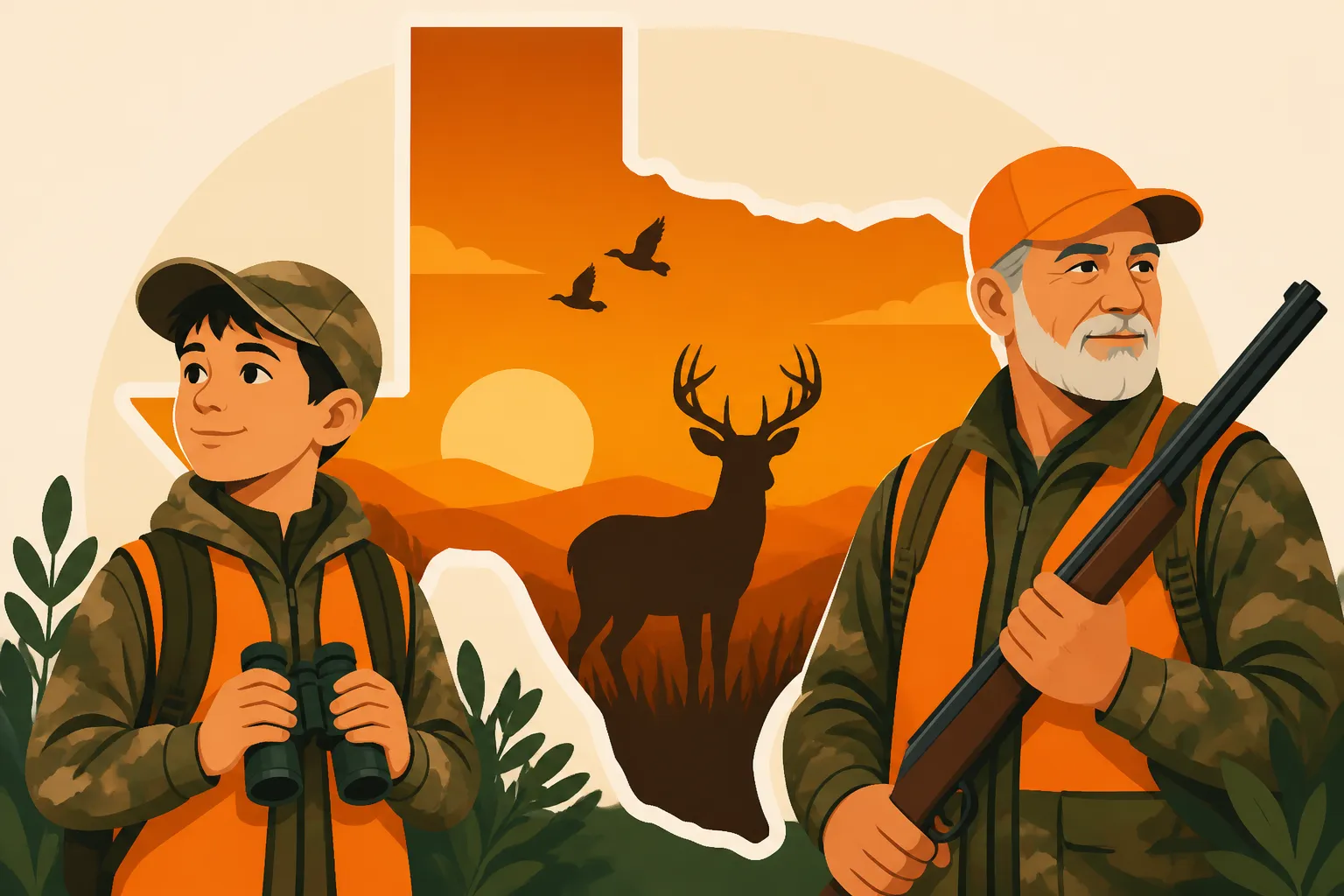
Imagine a grandfather and his grandchild hunting together. The senior license allows the grandparent to continue their tradition, fostering a love for the outdoors in their younger companion. These sustained interactions are vital for passing on critical skills like tracking, calling, proper shot placement, and field dressing. Moreover, by continuing to purchase licenses, seniors directly contribute to the funding for wildlife management, habitat restoration, and public hunting opportunities across the state. This is a direct investment in the future of hunting in Texas. Many seniors have a lifetime of experience in the field, understanding animal behavior and the intricacies of different landscapes. Keeping them engaged ensures that this invaluable wisdom isn't lost. For those considering a long-term commitment, understanding if a Texas Lifetime Hunting License: Worth It? might also be an option for younger individuals, securing their hunting privileges well into their senior years.
How to Purchase and Renew Youth and Senior Licenses
Getting your hands on a Texas hunting license, whether for a spirited youngster or a seasoned elder, shouldn't be a chore. Thankfully, the process is streamlined and offers several convenient options. Knowing where to go and what information you'll need can save you a lot of time and frustration.
Step-by-Step Guide for Acquisition
Purchasing a hunting license in Texas is fairly straightforward, regardless of age. The most popular methods are online, in person at various retailers, or by mail.
- Online: This is often the quickest and easiest way. Visit the official Texas Parks and Wildlife Department (TPWD) website. You'll typically need to create an account or log in with an existing one. Have your driver's license or Texas ID ready, as well as the hunter education certification details if required. For youth, a parent or guardian can typically make the purchase. The system will guide you through selecting the correct license type (e.g., Youth Hunting License, Senior Resident Hunting, or the Senior Super Combo License). Once purchased, you can print a temporary license immediately, and a permanent license card will be mailed to you within a few weeks. This digital convenience means you can often secure your license even on the eve of a hunt.
- In Person: Many sporting goods stores (like Academy Sports + Outdoors or Bass Pro Shops), gun shops, and even some county clerk offices are authorized TPWD license retailers. This is a great option if you prefer to speak with someone, have questions, or need to buy your license right before heading to the lease. Just bring your ID and hunter education certification. For minors, a parent or legal guardian should accompany them or at least provide the necessary identification and information. Retailers like Walmart and most local bait shops are also common places to pick up your license.
- By Mail: While less common today, you can also download the application form from the TPWD website, fill it out, and mail it in with a check or money order. This method takes longer due to processing and mail times, so plan well in advance if you choose this route.
For youth licenses, remember that anyone under 17 might need specific age verification, which an online system or in-person retailer can handle. For seniors, simply providing proof of age (e.g., driver's license) will qualify you for the discounted rates. Always double-check that you have all necessary endorsements, especially for migratory birds or federal duck stamps if your hunt requires them, as detailed in the Texas Migratory Bird Endorsement & HIP Certification guide.
Renewals and Keeping Track of Your License Information
Renewing your Texas hunting license is just as easy as purchasing it initially. All annual licenses expire on August 31st each year, so it's a good habit to mark your calendar for a renewal reminder around late July or early August.
The renewal process largely mirrors the initial purchase options: online, in person, or by mail. If you purchased online previously, your account will likely have your details saved, making renewal a breeze. TPWD often sends out email reminders to those who have opted in. Keeping your contact information up to date with TPWD is crucial for receiving these important notifications. It's also wise to keep a digital copy of your license on your phone in case you misplace your physical card, though a physical copy is usually required when actively hunting. For seniors who might prefer not to deal with annual renewals, exploring a Texas Lifetime Hunting License: Worth It? could be a valuable long-term investment, though it must be purchased at a younger age. For youth, annual renewals are a part of growing up with hunting, offering a consistent opportunity to confirm their continued interest and eligibility. Always remember, the funds from these license sales directly support wildlife conservation efforts across the great state of Texas!
Benefits and Privileges of Youth and Senior Licenses
Hunting isn't just a sport; it's an experience that fosters connection, learning, and tradition. For both the youngest and most seasoned hunters in Texas, specialized licenses come with a host of benefits and privileges designed to encourage participation and make the outdoors more accessible. These aren't just pieces of paper; they're keys to unlocking incredible opportunities.
Special Hunting Seasons and Programs for Youth
Texas truly goes the extra mile to encourage young hunters through various special seasons and programs. These initiatives are specifically designed to give youth unique opportunities to get into the field, often with less competition and more focused guidance.
One of the most anticipated events each year is the Youth-Only Hunting Weekend. These special weekends occur before the general opening of deer season in certain zones, providing an exclusive window for youth hunters (typically under 17) to hunt deer without the pressure of a crowded season. It's an incredible opportunity for them to focus on learning and enjoying the hunt. For example, during the Texas Youth Hunting Weekend Dates, a young hunter might have a chance to harvest a deer while under the direct supervision of an adult, often making it their first successful hunt. These dates also apply to other species like turkey and migratory birds, giving kids a head start. Beyond special seasons, the Texas Youth Hunting Program (TYHP), a partnership between TPWD and the Texas Wildlife Association, organizes hundreds of low-cost, high-quality hunts across the state annually. These hunts provide mentored experiences for youth who might not otherwise have access to private land or experienced guidance. Imagine a young hunter learning to pattern deer with trail cameras on a guided TYHP hunt, or getting hands-on experience with Field Dressing & Processing Game in Texas Heat. These programs are invaluable for fostering a love of hunting and conservation from an early age.
Public Land Access and Drawn Hunt Opportunities for All Ages
While private land hunting is prevalent in Texas, both youth and senior license holders can take advantage of robust public hunting opportunities, including the popular drawn hunt system. This system opens doors to some of the state's most pristine and well-managed wildlife areas.
The Annual Public Hunting (APH) Permit, which is often included with or easily added to many general hunting licenses, grants access to over a million acres of public land, including Wildlife Management Areas (WMAs) and State Parks. While not always exclusive, this access provides vast opportunities for hunting various species. For seniors, this can be particularly beneficial, offering accessible hunting grounds that might be easier to navigate than rugged private leases. Moreover, the Texas Drawn Hunts program is a fantastic option for youth and seniors alike. This lottery-based system offers permits for highly desirable hunts on WMAs and other state-managed lands for species like deer, turkey, javelina, and even exotics. There are often specific youth-only drawn hunts that have better odds, encouraging young people to apply. Seniors also often find these drawn hunts appealing as they can offer a more controlled and often less physically demanding hunting experience than some traditional leases. Applying for these hunts, especially during the specified application periods, can lead to incredible adventures on properties like the Kerr WMA or Chaparral WMA, offering chances at quality game animals that might otherwise be out of reach. For a deep dive into this, check out Texas Drawn Hunts & Public Hunt Draw 2027.
The Community and Mentorship Aspect
Perhaps one of the most significant, yet often unstated, benefits of youth and senior hunting licenses is the way they foster community and mentorship. Hunting is not just an individual pursuit; it's a social activity that thrives on shared knowledge and experiences.
For youth, these licenses are their official entry into the broader hunting community. They signify a commitment to learning and participating responsibly. This encourages older, more experienced hunters to take them under their wing, teaching them not just how to shoot, but how to scout, how to respect the land, and the importance of conservation. Imagine a seasoned hunter demonstrating Turkey Calling & Tactics for Texas Rios to an eager young apprentice, or teaching them how to read deer sign. Similarly, senior hunters, by continuing to participate, provide a living link to hunting traditions and history. They become natural mentors, sharing stories, tactics, and wisdom accumulated over decades. Their presence in the field reinforces the continuity of hunting culture and provides invaluable guidance to younger generations who are just beginning their journey. These licenses facilitate these critical intergenerational connections, ensuring that hunting wisdom is passed down rather than lost, keeping the spirit of Texas hunting alive and well.
Common Questions and Misconceptions
Despite the clear guidelines provided by the Texas Parks and Wildlife Department, there are always a few lingering questions and common misconceptions when it comes to youth and senior hunting licenses. It's completely understandable – regulations can be dense, and unique situations pop up all the time. Let's tackle some of these head-on to clear up any confusion.
Clarifying License Exemptions and Requirements
One of the most frequent questions revolves around who really needs a license and who doesn't. It seems straightforward, but exceptions can make it tricky.
For youth, the biggest point of confusion is often the exact age when a license becomes mandatory. As mentioned, kids under 9 don't need a license if accompanied by a licensed hunter. Once they hit 9, they need a youth hunting license. However, another key exemption to remember for youth is related to hunter education. While generally mandatory for anyone born after September 2, 1971, a person of any age (including youth) may defer hunter education for one year and hunt under the direct supervision of a licensed hunter who is at least 17 years old. This is called the "Hunter Education Deferral." It allows a trial period, giving newcomers a chance to experience hunting before committing to the full hunter education course. However, it's a one-time deal, and if they want to continue hunting in subsequent years, they must complete the course. For more details on this, you can check out the Texas Hunter Education Age Requirements.
For seniors, the misconception sometimes is that they don't need any license at all, or that their previous lifetime license automatically covers everything. While seniors get heavily discounted rates, they still need to purchase an annual license (or have a lifetime license from when they were younger). The "senior" designation primarily impacts the cost, not the requirement to have a license in the first place. Another point of confusion can be migratory game bird endorsements and the Federal Duck Stamp; these are required for all hunters, regardless of age, if they are hunting ducks, geese, doves, or sandhill cranes. A senior discount might apply to the state endorsement, but the federal stamp is usually a separate, standard cost. So, if Grandma is heading out for the September Teal Season Dates in Texas, she’ll still need her duck stamp.
Addressing Cost Concerns and Value
Cost is always a factor, especially for families and those on a fixed income. While Texas offers fantastic value, some still wonder if the costs are truly justified or if there are cheaper alternatives.
For youth, the cost of a Youth Hunting License is extremely affordable, making it accessible to most families. When you consider that this single license allows them to hunt a wide variety of game throughout the entire hunting season, it’s an incredible deal. It provides legal access and supports the conservation efforts that ensure future hunting opportunities for them. The investment in a youth license is not just for the current season; it's an investment in their outdoor education and future appreciation for wildlife. For seniors, the discounted prices on annual licenses and especially the Senior Super Combo License represent significant savings. A Senior Super Combo, for instance, often costs less than a regular adult's basic hunting license alone, while providing much broader privileges. This value allows seniors to continue enjoying their passions without financial strain. It also recognizes their years of contribution to the hunting community. Some might ask if free hunting opportunities exist, and while public hunting through the APH permit is included, the initial license purchase is almost always required. These license fees directly fund the Texas Parks and Wildlife Department's vital conservation work, ensuring healthy game populations and public access for all. It's a small price to pay for the future of our wildlife.
Ensuring a Safe and Ethical Hunt for All Ages
Hunting in Texas is a privilege, and with that privilege comes the responsibility to ensure every hunt is conducted safely and ethically. This is especially true when we consider our youngest and most experienced hunters. Education, mentorship, and a commitment to best practices are the cornerstones of responsible hunting for every generation.
The Role of Hunter Education and Mentorship
As we've touched upon, hunter education is more than just a legal requirement; it's a foundational pillar for safety and ethics. For youth, it instills crucial knowledge from the very beginning, covering everything from firearm safety rules (the four main rules are constantly reinforced), proper shot placement for a quick, humane harvest, and respecting landowner rights. It's about developing a responsible mindset before they even step foot in the field.
However, hunter education alone isn't always enough. This is where mentorship plays an indispensable role. An experienced hunter can translate the classroom lessons into real-world scenarios. They can teach a young hunter how to safely climb into a deer blind, how to identify different game species, or how to handle a firearm in varied terrain. This hands-on guidance from a seasoned hunter is irreplaceable. For example, learning about Best Shot Placement for Whitetail Deer from a parent or grandparent while in the field makes the lesson far more impactful than just reading about it. Similarly, senior hunters, even those with decades of experience, benefit from staying current with regulations and sharing their knowledge. They become natural mentors, reinforcing safe practices and ethical decision-making for everyone in their hunting party. This intergenerational sharing of wisdom is what truly upholds Texas's proud hunting tradition.
Adhering to Regulations and Promoting Conservation
The backbone of ethical hunting lies in strict adherence to all regulations, no matter your age or experience level. Texas Parks and Wildlife Department sets these rules to manage wildlife populations sustainably, ensure fair chase, and promote safety. For youth and seniors alike, understanding and following these rules is non-negotiable.
This includes knowing bag limits, season dates (like the crucial Texas Deer Season 2026-2027: Dates by Zone), legal shooting hours, and specific county restrictions such as Texas Antler Restrictions: 13-Inch Rule & Counties. For seniors, keeping up with the annual changes can sometimes be challenging, but resources like the official Outdoor Annual (available online and in print) make it easy. For youth, learning to navigate these regulations is part of their hunting education. Mentors should actively involve young hunters in looking up rules, teaching them how to be informed and responsible. Beyond compliance, true ethical hunting embraces conservation. This means understanding that hunting is a tool for wildlife management, ensuring healthy populations and habitats for future generations. It's about leaving no trace, respecting private property, and promoting responsible land stewardship. When a youth learns about Food Plots in Texas: What Works in the Heat or how managing water sources can benefit local wildlife, they're not just learning a tactic; they're learning the essence of conservation. Ultimately, by following the rules and championing conservation, both youth and senior hunters become vital stewards of Texas's incredible natural heritage.
Disclaimer
Please note that hunting regulations, license requirements, and season dates are subject to change by the Texas Parks and Wildlife Department. While every effort has been made to provide accurate and up-to-date information, it is always the hunter's responsibility to consult the current Texas Parks and Wildlife Outdoor Annual or visit their official website for the most precise and timely regulations before participating in any hunting activities. This guide is for informational purposes only and does not constitute legal advice.