Is There a Season for Feral Hogs in Texas?
The frustration is real when you're trying to figure out the rules for hunting in Texas. We've got so many seasons, zones, and regulations for different game animals, it's easy to assume every species operates under the same kind of framework. You’ve heard talk of open seasons and closed seasons, specific dates for different zones, and antler restrictions, so it’s only natural to wonder when exactly you can go after those notoriously destructive feral hogs. This guide is here to clear up that confusion once and for all and help you understand the unique status of feral hogs in the Lone Star State.
The Straight Answer: No Closed Season for Feral Hogs in Texas
Let's cut right to the chase because this is one of the most common questions out there: no, there is no closed season for feral hogs in Texas. You read that right. Unlike deer, turkey, or even dove, feral hogs are not considered game animals by the Texas Parks and Wildlife Department (TPWD). Instead, they are classified as an exotic, non-native, and invasive species. This classification is incredibly important because it dictates how they can be hunted and managed across the state.
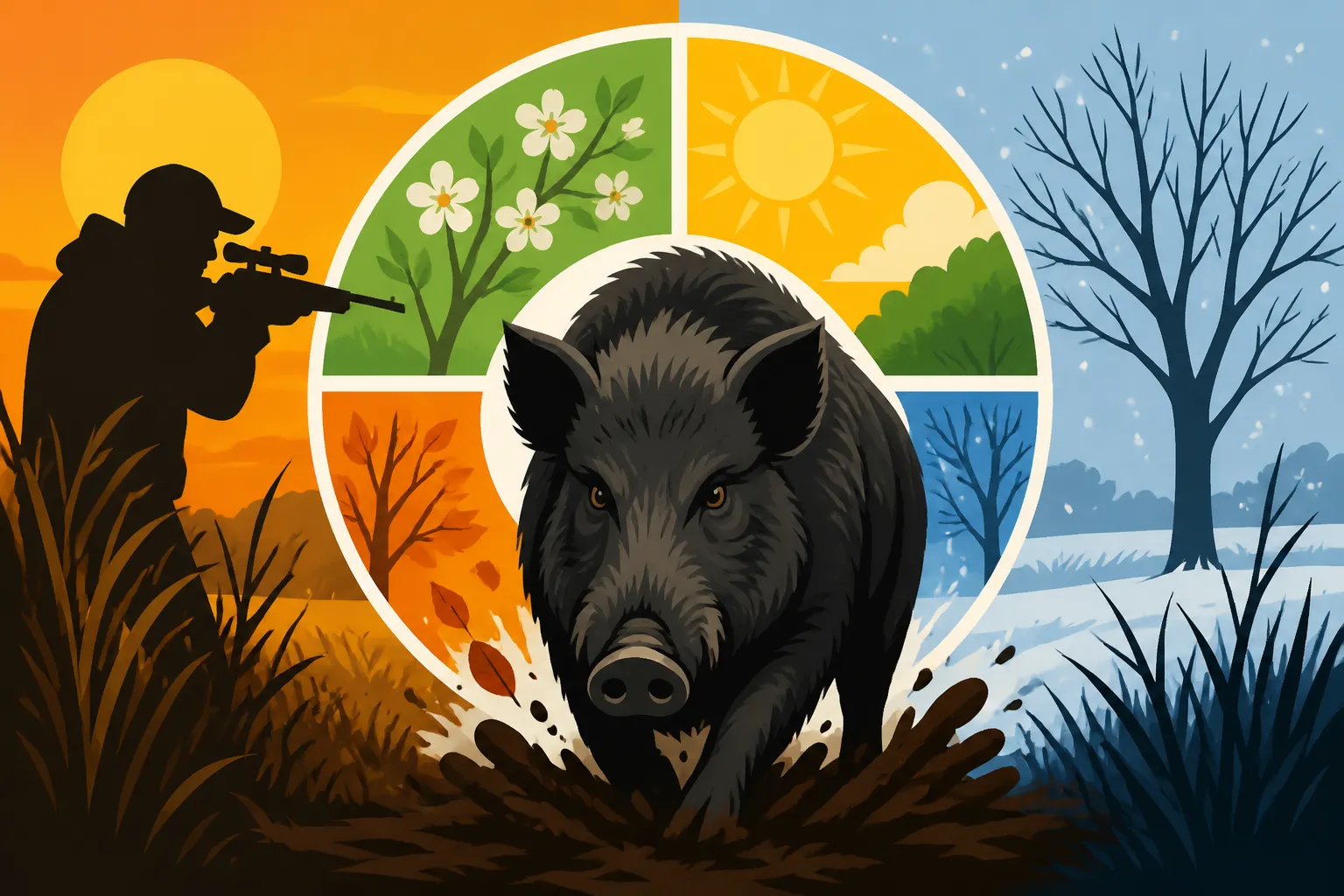
This means that whether it's the blistering heat of August or the crisp chill of a January morning, you can legally hunt feral hogs any time of year. There are no daily bag limits, no possession limits, and no specific shooting hours set by the state for these animals. This open-ended approach reflects the significant problem feral hogs pose to Texas landowners, agriculture, and native wildlife populations. It's a year-round battle, and hunters are considered a vital part of the solution.
Why Feral Hogs Are Different from Game Animals
It's easy to lump all hunting together, but understanding the distinction between game animals and feral hogs is crucial. For species like white-tailed deer, mule deer, or Rio Grande turkey, the TPWD sets strict seasons, bag limits, and other regulations to ensure sustainable populations and fair chase. These rules are designed to manage wildlife for future generations, taking into account breeding cycles, habitat conditions, and population densities. You can learn more about how other species are regulated in our comprehensive guide, "Texas Hunting Seasons: Complete Calendar by Species".
Feral hogs, on the other hand, are an entirely different beast. They aren't native to North America; they were introduced centuries ago by European settlers. Without natural predators and with an incredible reproductive rate (sows can have multiple litters of 4-8 piglets per year), their populations have exploded. They are destructive, rooting up crops, damaging pastures, contaminating water sources, and preying on native wildlife. Their numbers are so vast and their impact so detrimental that wildlife managers actively encourage their removal at any opportunity, which is why there's no "Texas Hog Hunting Season (There Isn't One)" in the traditional sense.
The Hunter's Role in Hog Population Control
Given their status, hunters play a crucial role in managing feral hog populations. Every hog removed is one less animal destroying habitat, competing with native wildlife for food, and spreading disease. Landowners often welcome hunters to help control these animals, sometimes even offering opportunities for no-cost hunting. This unique situation means that going after hogs often presents an accessible and exciting hunting opportunity for many. Whether you're a seasoned veteran or just starting, a hog hunt is a great way to put your skills to the test and contribute positively to the ecosystem.
The Ecological and Economic Impact of Feral Hogs
To truly understand why there's no season for feral hogs, you need to grasp the sheer scale of the damage they inflict on the Texas landscape and economy. These aren't just a nuisance; they're an ecological disaster on four hooves, costing the state millions of dollars annually.
Damage to Agriculture and Livestock
Imagine waking up to find your carefully planted cornfield completely decimated overnight. Or your pasture, which you rely on for cattle grazing, torn up into a muddy wasteland. This is a daily reality for many Texas farmers and ranchers. Feral hogs root extensively, often digging several inches deep in search of tubers, insects, and roots. This rooting behavior destroys crops like corn, sorghum, wheat, and peanuts, and can decimate vegetable gardens and fruit orchards. The financial losses can be staggering, sometimes forcing farmers to abandon fields entirely.
Beyond crops, hogs also pose a threat to livestock. They can prey on newborn lambs, goats, and even calves. Furthermore, they can spread diseases like brucellosis and pseudorabies to domestic animals, which can lead to significant economic losses for ranchers through abortions, stillbirths, and reduced herd health. The costs associated with repairing fences, replanting crops, and vet bills add up quickly, making feral hogs an incredibly expensive problem for the agricultural sector.
Environmental Degradation and Wildlife Competition
The impact of feral hogs extends far beyond agriculture. Their rooting activity leads to significant soil erosion, especially along creek beds and in wetlands, which degrades water quality by increasing sediment and nutrient runoff. They destroy native plant communities, altering entire ecosystems and reducing biodiversity. This habitat destruction negatively affects a wide range of native species, from ground-nesting birds like quail and turkey to smaller mammals and amphibians.
Feral hogs are also direct competitors with native wildlife for food sources. They consume acorns, pecans, and other mast crops that are vital for deer, squirrels, and bears, especially during critical times of the year. They will also raid the nests of ground-nesting birds, consuming eggs and young, and have been known to prey on fawns. This competition and predation can put immense pressure on native populations, making it harder for them to thrive, particularly in areas already stressed by drought or habitat loss. They're a significant factor in why landowners implement strategies like protein feeding deer for bigger antlers, as the hogs can decimate natural food sources.
Public Health and Safety Concerns
While less common, feral hogs can also pose public health and safety risks. They can carry diseases transmissible to humans, such as brucellosis, leptospirosis, and E. coli. While direct transmission from hogs to humans is rare, handling carcasses without proper precautions or consuming undercooked meat can pose a risk. Additionally, large, aggressive boars can be dangerous if cornered or if they feel threatened, especially sows with piglets. Encounters with vehicles on roadways are also common, leading to significant property damage and potential injury. All these factors contribute to the ongoing effort to control their numbers.
Year-Round Hog Hunting Opportunities and Methods
The lack of a closed season for feral hogs in Texas means you have an incredible amount of flexibility when it comes to planning a hunt. This year-round availability allows for a diverse array of methods and tactics, adapting to different conditions and preferences. From traditional spot-and-stalk during the day to high-tech night operations, there’s always an opportunity to go after hogs. For a deeper dive into methods, check out our guide on "Hog Hunting Methods in Texas: Thermal, Night & Trapping".
Daytime Hunting: Spot and Stalk, Stand Hunting
Hunting hogs during the day can be both challenging and rewarding. They are smart, elusive, and often crepuscular, meaning they are most active during dawn and dusk, especially in warmer months. However, with good scouting and patience, daytime hunting is very effective.
- Spot and Stalk: This method is fantastic in open country or areas with good visibility. You're looking for signs of recent hog activity – fresh rooting, tracks, or wallows. Once you spot them, the challenge is to use the wind and terrain to close the distance undetected. This requires stealth, keen observation, and good fieldcraft. In areas like the South Texas brush country, it can be particularly tricky, but rewarding.
- Stand Hunting: Often done from a box blind or a tripod blind, stand hunting over a known food source or waterhole is a classic and effective method. This could be over a corn feeder, a protein feeder, or a natural oak mot dropping acorns. Hogs are creatures of habit, and if you can pattern their movements, waiting for them can pay off. Just like deer, they tend to move along established trails. Learning "Best Setup for Hunting Hogs Over a Feeder" can drastically increase your success.
Night Hunting: Thermal, Night Vision, and Lights
Night hunting for hogs has gained immense popularity in Texas, primarily because hogs are often most active after dark, especially when temperatures are high or human pressure is heavy during the day. Texas law permits night hunting for feral hogs on private land with landowner consent, and it's a game-changer. For a detailed look, see "Hog Hunting at Night in Texas: Is It Legal? (Yes)".
- Thermal Optics: This is arguably the most effective way to hunt hogs at night. Thermal scopes and thermal monoculars detect heat signatures, allowing you to see hogs in complete darkness, through dense brush, and even against backgrounds that would obscure them to the naked eye. Brands like Pulsar and AGM are popular choices for hunters looking to get into thermal. The ability to spot a sounder from a mile away changes the entire dynamic of the hunt. Read more about "Thermal Hog Hunting in Texas" here.
- Night Vision: While not as common as thermal for scanning and detection, night vision devices (NVGs) still have their place. They amplify ambient light, allowing you to see in low-light conditions. Paired with an infrared illuminator, NVGs can be quite effective for target identification and shooting, offering a different visual experience than thermal.
- Lights: For those without high-tech optics, powerful spotlights or feeder lights can also be used. Many hunters will set up feeder lights that illuminate an area around a feeder, allowing them to see approaching hogs. Red or green lights are often preferred as they are less disturbing to the animals. This is a more budget-friendly approach to hunting "How to Hunt Hogs at Night Without Thermal".
Trapping: A High-Volume Control Method
While not technically "hunting" in the traditional sense, trapping is an extremely effective method for removing large numbers of feral hogs and is often employed year-round as part of a comprehensive management plan. Traps can range from simple corral traps to more sophisticated cellular-triggered systems.
- Corral Traps: These typically involve a circular enclosure with a root-style gate or drop gate. Bait, usually sour corn, is placed inside to lure hogs. Once they enter, the gate is triggered, capturing multiple animals at once. Modern systems like the Jager Pro Hog Trap allow for remote activation and monitoring via cellular networks, letting you trap an entire sounder. Learn more about "Hog Trapping in Texas: Methods That Work".
- Box Traps: Smaller, more portable traps designed to catch one or a few hogs at a time. These are useful for smaller properties or for targeting specific nuisance animals.
Trapping is particularly useful for reducing overall hog populations on a property, especially when combined with consistent hunting pressure. The goal is often to remove an entire sounder to prevent them from quickly repopulating.
Bowhunting and Crossbows
For those who enjoy the challenge of archery, bowhunting for hogs is also a year-round possibility. It requires excellent woodsmanship, patience, and the ability to get very close to your quarry. Hunting from a ground blind or a tree stand near a feeder or a water source is a common tactic for bowhunters. Crossbow hunting, which combines elements of rifle hunting and traditional archery, is also a legal and popular choice for hogs. You can find more specific tips in our article on "Bowhunting Hogs in Texas: Tips".
Regulations and Best Practices for Feral Hog Hunting
While there's no season, it doesn't mean there are no rules. Understanding the legal framework and adopting best practices is essential for ethical and responsible hog hunting in Texas.
License Requirements
This is another point of common confusion. If you are a resident of Texas and hunting feral hogs on private land with the landowner's permission, you do not need a hunting license. This exemption is a specific carve-out for depredating animals.
However, if you are a non-resident or if you are hunting hogs on public land (like a Wildlife Management Area through a drawn hunt or an Annual Public Hunting Permit), you will need a valid Texas hunting license. It's always best to check the current Texas Parks and Wildlife Outdoor Annual for the most up-to-date information regarding license requirements for your specific situation. This detail highlights why it's important to differentiate between private and public land hunting opportunities when considering "Public Hog Hunting in Texas".
Landowner Permission and Property Boundaries
Always, always, always obtain explicit permission from the landowner before hunting feral hogs on private property. Trespassing is illegal and unethical, regardless of the species you're pursuing. Make sure you understand the property boundaries and any specific rules the landowner has for their land. Respecting property is paramount. If you're looking for places, our guide on "How to Find a Hog Hunting Lease in Texas" might be a useful resource.
Ethical Considerations and Shot Placement
Just because hogs are invasive doesn't mean ethical hunting practices should be ignored. Strive for quick, clean kills. Proper shot placement is critical to prevent wounded animals from suffering or escaping. For a hog, the most effective shot placement is typically in the vitals, aiming for the heart and lungs, or a head shot if conditions are ideal and you are confident in your shot. The shoulder region offers a good target for the heart-lung area. Familiarize yourself with "Best Shot Placement for Hogs" to ensure humane harvesting.
Carcass Disposal
Hog carcasses should be disposed of properly. Do not just leave them where they were shot, especially near roads or water sources. Depending on your location and local regulations, options include burying them, taking them to a designated disposal site, or utilizing them for consumption. Many hunters process the meat, as feral hog can be quite delicious, especially younger hogs. Consider "Are Feral Hogs Good to Eat?" for more on this.
Chronic Wasting Disease (CWD) and Carcass Movement
While CWD is primarily associated with deer, it's a good habit to be aware of CWD zones in Texas. Although hogs aren't susceptible to CWD, understanding carcass movement restrictions in CWD zones is vital for all hunters to prevent the spread of the disease among susceptible species. Always check the latest TPWD regulations regarding CWD zones and carcass transportation before you head out.
Comparing Hog Hunting Regulations with Other Species
To truly solidify the unique status of feral hogs, let's look at a quick comparison with some common game animals in Texas. This table highlights just how different the approach to hogs is.
| Feature | Feral Hogs | White-tailed Deer | Rio Grande Turkey (Fall) | Mourning Dove |
|---|---|---|---|---|
| Hunting Season | Year-round, no closed season | Specific zones, defined start/end dates | Specific zones, defined start/end dates | Specific zones, defined start/end dates |
| Bag Limit | No state bag limit | Varies by county/zone (e.g., 2 bucks, 2-3 does) | Varies by zone (e.g., 4 gobblers) | Varies by zone (e.g., 15 birds) |
| Possession Limit | No state possession limit | 2X annual bag limit (for migratory game birds) | 2X annual bag limit (for migratory game birds) | 3X daily bag limit |
| License Required | TX Residents: No license on private land | Yes, general hunting license required | Yes, general hunting license required | Yes, general hunting + migratory bird endorsement |
| Shooting Hours | No state shooting hours (private land) | 30 mins before sunrise to 30 mins after sunset | 30 mins before sunrise to 30 mins after sunset | 30 mins before sunrise to sunset |
| Antler Restrictions | N/A | Yes, 13-inch rule in many counties for bucks | N/A | N/A |
| Game Status | Non-native, invasive species | Native game animal | Native game animal | Migratory game bird |
This table clearly illustrates the exceptional nature of feral hog regulations. While game animals are carefully managed to sustain populations, feral hogs are subject to continuous pressure to control their numbers. This makes them a prime target for hunters who want to enjoy the outdoors and contribute to conservation efforts year-round.
The Future of Feral Hog Management in Texas
The problem of feral hogs is complex and ongoing. While hunting and trapping are vital tools, wildlife agencies, landowners, and researchers are constantly exploring new strategies and technologies to combat their spread and reduce their impact. The Texas Parks and Wildlife Department invests significant resources into education and technical assistance for landowners dealing with hog depredation.
From advanced trapping techniques to aerial control (like helicopter hog hunting, which is another unique method allowed in Texas), the efforts to control feral hog populations are multifaceted. The goal isn't necessarily eradication, which is considered unrealistic given their numbers and reproductive capabilities, but rather effective management to minimize their ecological and economic damage. As a hunter, participating in year-round hog control is one of the most direct ways you can help protect Texas's precious natural resources and agricultural industries.
In conclusion, when you ask "Is there a season for feral hogs in Texas?" the answer is a resounding no – and that's precisely why they represent such a unique and important hunting opportunity in the Lone Star State. So grab your gear, get permission, and go help us keep these critters in check!
Disclaimer
The information provided in this guide is for general informational purposes only and does not constitute legal advice. Hunting regulations in Texas can change, and it is the hunter's responsibility to review the current Texas Parks and Wildlife Department Outdoor Annual and consult local authorities to ensure compliance with all applicable laws and regulations before engaging in any hunting activities.