Is There a Season for Red Stag in Texas?
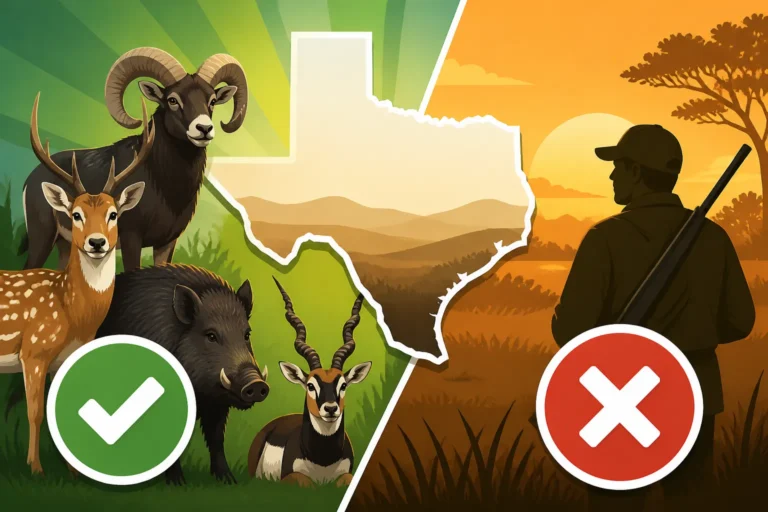
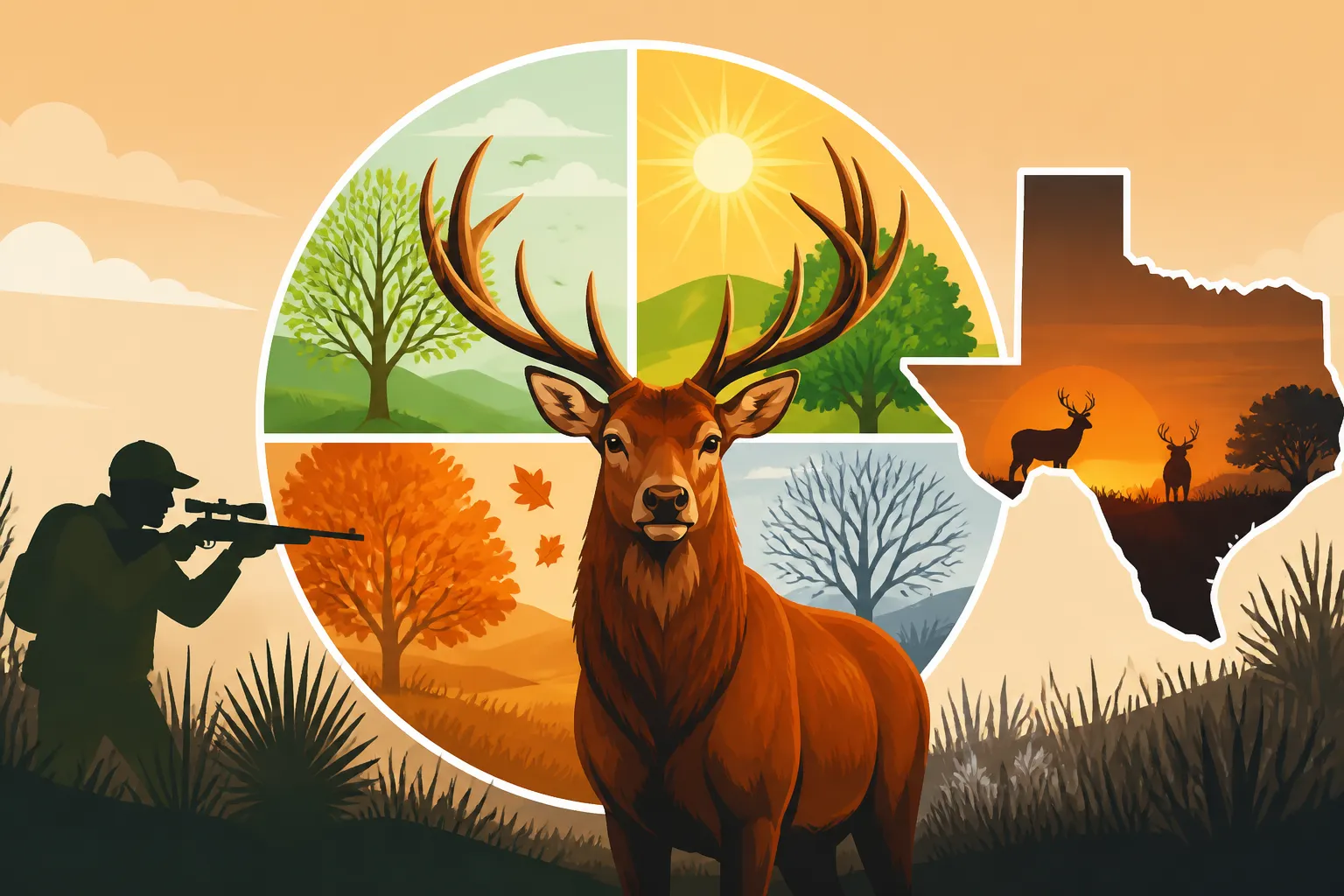
It’s a common question, especially for folks new to hunting in the Lone Star State or those dreaming of a unique trophy: "Is there a specific hunting season for Red Stag in Texas?" Well, let's cut to the chase and clear up a common misconception right away. Unlike our native white-tailed deer or turkeys, Red Stag don't have a regulated hunting season in Texas. This guide is going to break down exactly why that is, what it means for you as a hunter, and what you do need to know before planning your Red Stag adventure here.
Understanding Exotic Game Regulations in Texas
Texas is truly unique when it comes to hunting, offering a diverse array of game that goes far beyond what you might expect. This includes a significant population of exotic species, and understanding the regulations surrounding them is key to a successful hunt.
What Defines an "Exotic" Animal in Texas?
In Texas, an "exotic" animal is broadly defined as any species of animal that is not indigenous to the state and is not protected by state or federal law. This distinction is crucial because it immediately sets these animals apart from native game species like white-tailed deer, mule deer, or Rio Grande turkeys, which are managed by the Texas Parks and Wildlife Department (TPWD) with specific seasons, bag limits, and often intricate antler restrictions.
For exotics, the state takes a largely hands-off approach when these animals are found on private property. The prevailing philosophy is that exotic game animals, when privately owned or managed, are essentially considered livestock by the state in terms of hunting regulations. This means that if an exotic animal is established on private land, it's generally up to the landowner or their designated hunters to manage them. This unique regulatory framework is one of the main reasons Texas has become a premier destination for exotic hunting in the United States.
The "No Closed Season" Rule for Exotics
Because exotics are not native and are not managed by TPWD under traditional game laws, there is no official "closed season" or specific bag limit for most exotic species in Texas. This means you can pursue exotic game, including Red Stag, at any time of the year, provided you have the landowner's permission and comply with general hunting license requirements.
This "no closed season" rule offers incredible flexibility. Hunters aren't constrained by specific dates, which can be a huge benefit for planning trips around busy schedules or taking advantage of ideal weather conditions. It also allows landowners to manage their herds more dynamically, culling animals as needed throughout the year to maintain healthy populations and range conditions. However, while the state doesn't impose seasons, individual hunting ranches will often have their own preferred hunting periods based on animal behavior, trophy quality, or simply the comfort of their hunters. For example, some might prefer hunting in cooler months to avoid the intense Texas heat, which is always a factor when it comes to game recovery and meat care. If you're planning on hunting during warmer times, make sure you know How to Cool a Deer Fast in Texas Heat.
Why Red Stag are Considered Exotics
Red Stag (Cervus elaphus) are majestic animals, originating from Europe and Asia. They are one of the largest deer species, known for their impressive antlers and striking red-brown coats. They were introduced to Texas by landowners who recognized their potential as a prized exotic game animal, particularly for trophy hunting.
Since Red Stag are not native to Texas, they fall squarely under the "exotic animal" classification. This means they are treated the same way as other popular exotics you might find on a Texas ranch, such as Axis Deer, Blackbuck Antelope, or Aoudad Sheep. You won't find a "Texas Red Stag Season" listed in the annual outdoor regulations guide, nor will there be specific tags required from TPWD for a Red Stag harvest. The hunting of these magnificent animals is almost exclusively conducted on private lands, often within high-fenced preserves that are specifically managed for their populations. This is a key difference when comparing their hunting to that of indigenous species like white-tailed deer, where even on private land, state seasons and bag limits apply rigorously.
Hunting Red Stag in Texas: What You Need to Know
While the absence of a season might make exotic hunting seem simpler, there are still important aspects to understand to ensure a legal, ethical, and successful Red Stag hunt in Texas.
Licenses and Permits for Exotic Hunting
Even though there isn't a specific season or tag requirement for Red Stag in Texas, you absolutely still need a valid Texas hunting license. This is a fundamental requirement for anyone hunting any animal in Texas, whether native or exotic, on public or private land. The General Hunting License covers exotics. If you're a resident, this means purchasing an annual license. Non-residents also need a valid non-resident hunting license.
It's a common misconception that because exotics aren't regulated like native game, you don't need a license at all. That's simply not true and could lead to significant fines and penalties. Always ensure you have your current hunting license before heading out into the field. You can learn more about the requirements and costs by checking out the guide on Texas Hunting License: Cost, Types & How to Buy (2026).
Beyond the general hunting license, there are no special permits or tags specifically issued by TPWD for Red Stag. The landowner or outfitter you're hunting with will typically manage the harvest based on their own management goals and the package you've purchased. They'll keep track of their own herd numbers and trophy quality.
Common Hunting Methods for Red Stag
Hunting Red Stag in Texas often involves methods similar to those used for other large game, adapted to the specific terrain and the animals' behavior. Given that most Red Stag hunting occurs on managed ranches, the approaches are often tailored to optimize the experience and success rate.
One popular method is spot-and-stalk. This is particularly effective in varied terrain where hunters can use elevation and cover to locate animals and then carefully approach them. It requires patience, good optics, and the ability to move quietly through the brush, making it a very engaging form of hunting. This method is also commonly used for other challenging hunts in Texas, like Spot-and-Stalk Aoudad in West Texas.
Blind hunting is another widely used technique. This can involve sitting in comfortable box blinds or smaller ground blinds overlooking feeding areas, water sources, or travel corridors. Many ranches maintain feeders, even for exotics, to draw animals into predictable locations, making blind hunting a reliable option. These blinds can be especially beneficial during warmer months when Red Stag might be more active during dawn and dusk, offering shade and concealment. Setting up a comfortable blind, whether a Box Blind vs Tripod vs Ground Blind in Texas, can greatly enhance your hunting experience.
For those interested in a more up-close and personal challenge, bowhunting for Red Stag is also an option on many ranches. This demands even greater stealth and precision, as the hunter needs to get much closer to the animal for a clean shot. The thrill of a successful bowhunt, especially on an animal as grand as a Red Stag, is truly unparalleled.
Ethical Considerations and Fair Chase
While exotic hunting in Texas offers a unique opportunity, it’s important to approach it with the same ethical principles and respect for the animal as you would any native species hunt. The concept of "fair chase" is central to hunting ethics, meaning the hunter should not have an unfair advantage over the animal.
On many high-fence ranches, which is where most Red Stag are hunted, debates about fair chase sometimes arise. However, a well-managed high-fence operation is far from a "canned hunt." These properties can be thousands of acres, often with dense cover and challenging terrain, requiring genuine hunting skill, patience, and knowledge of animal behavior. The animals often reproduce naturally, exhibit wild behaviors, and are not tame. Reputable outfitters prioritize challenging hunts and provide a genuine experience.
It’s your responsibility as a hunter to choose an outfitter that upholds strong ethical standards. Ask questions about the size of the property, the naturalness of the habitat, and the hunting methods employed. Ensuring the animal is taken cleanly and processed respectfully is always paramount. Knowing Field Dressing & Processing Game in Texas Heat is crucial for any successful hunt, especially in our warm climate.
Where to Hunt Red Stag in Texas
When it comes to Red Stag hunting, the "where" is almost as important as the "how," and in Texas, that "where" almost exclusively points to private land.
Private Ranches and High-Fence Operations
The vast majority, if not all, Red Stag hunting opportunities in Texas are found on private hunting ranches. Many of these are large, often high-fenced operations specifically designed and managed to sustain healthy populations of various exotic species, including Red Stag. These ranches provide the necessary habitat, food, and water to allow Red Stag to thrive, often without the pressure of natural predators like mountain lions, which are rare in most parts of Texas.
These private ranches typically operate as commercial hunting businesses, offering guided hunts. They'll provide packages that include guide services, lodging, meals, and often field dressing of your animal. The quality and cost of these hunts can vary widely based on the ranch, the size of the trophy you're pursuing, and the amenities offered. For a comprehensive look at what these hunts entail, you might want to check out articles like Red Stag & Fallow Deer Hunting in Texas.
The advantages of hunting on a dedicated exotic ranch include high success rates, the ability to hunt year-round, and the chance to pursue magnificent animals that you wouldn't typically find in North America outside of zoos. You're paying for the experience, the opportunity, and the animal itself, rather than just the right to hunt.
Free-Range vs. High-Fence for Exotics
While "free-range" hunting for native game is the norm in Texas (meaning animals can roam freely across properties without high-fence barriers), the concept changes slightly for exotics, especially Red Stag. Truly free-range populations of Red Stag, where they exist outside of any managed property and roam completely wild in Texas, are exceedingly rare, if they exist at all in huntable numbers. Some properties may have what they call "low-fence" exotic hunting, but this usually implies a large enough property that animals can move between properties without being easily contained, rather than an unmanaged wild population.
For Red Stag, the reality is that almost all hunting takes place within high-fenced ranches. These fences serve multiple purposes: they prevent exotics from escaping and potentially impacting native ecosystems (though this is less of a concern with Red Stag than, say, feral hogs), they protect the ranch's investment in its exotic herd, and they ensure that hunters have a predictable population to pursue.
It's important to understand that a high-fence operation isn't necessarily easier hunting. Many of these properties encompass thousands of acres, feature diverse and challenging landscapes, and the animals are often as wary and wild as any free-range game. The fence simply defines the boundaries of their habitat. If you're weighing the pros and cons, the guide on High-Fence vs Low-Fence Hunting in Texas offers a good perspective.
What to Expect from a Red Stag Hunt
A Red Stag hunt in Texas is typically an all-inclusive experience on a dedicated hunting ranch. Here's a general idea of what you can expect:
- Cost: Red Stag hunts are generally premium experiences. The cost can range significantly, usually starting from around $4,000 for a respectable bull and going up considerably for truly massive, high-scoring trophies. This price usually covers guiding, lodging, meals, and initial field dressing.
- Duration: Most Red Stag hunts are booked for 2-4 days. This gives ample time to locate your desired animal and execute the hunt without feeling rushed.
- Trophy Quality: Ranches often manage their herds for specific trophy sizes. You'll typically pay more for a "gold medal" or larger class bull. Many outfitters have a gallery of past successful hunts to help you set expectations.
- Services: Reputable outfitters will provide experienced guides who know the terrain and animal behavior, comfortable accommodations, and hearty meals. They'll often assist with getting your animal back to camp, skinning it, and caping it for a taxidermist. Some might even have cold storage facilities. For selecting a good operation, researching the Best Hunting Outfitters in Texas by Region can be very helpful.
- Gear: You'll need reliable hunting gear. A capable rifle (many hunters opt for cartridges like .30-06, .300 Win Mag, or 7mm Rem Mag), good quality optics like binoculars and a rifle scope, and comfortable, durable clothing are essential. Remember to pack appropriate layers for Texas weather, which can be unpredictable. Don't forget proper footwear, perhaps even Best Snake Boots for Texas Hunting, depending on the terrain.
Here's a quick comparison of regulations for native vs. exotic species in Texas:
| Feature | Native Game (e.g., White-tailed Deer) | Exotic Game (e.g., Red Stag, Axis Deer) |
|---|---|---|
| Hunting Season | Specific open & closed dates by species, zone, and county | No statewide closed season; huntable year-round on private land |
| Bag Limit | Regulated by TPWD (e.g., 2 bucks, 3 does in many counties) | No statewide bag limit; managed by landowner/outfitter |
| Antler Restrictions | Often strict, e.g., the 13-inch rule for whitetails | No statewide antler restrictions; managed by landowner/outfitter |
| Licenses/Tags | General Hunting License + specific tags required for harvested animals | General Hunting License required; no specific TPWD tags for exotics |
| Primary Hunting Areas | Private land, public WMAs (often via drawn hunts), national forests | Almost exclusively private hunting ranches, often high-fenced |
| Management Authority | Texas Parks and Wildlife Department (TPWD) | Private landowner/ranch manager |
| Native to Texas | Yes | No |
In summary, while there's no "Red Stag season" in the traditional sense, Texas offers world-class opportunities to hunt these magnificent animals. It just operates under a different set of rules due to their exotic status. Always be prepared, be ethical, and enjoy the unique hunting experience that Texas provides!
Disclaimer
Please remember that hunting regulations can change, and it is always your responsibility as a hunter to consult the most current Texas Parks and Wildlife Department (TPWD) Outdoor Annual or visit their official website before any hunting activity. This article provides general information and should not be considered a substitute for official legal guidance.