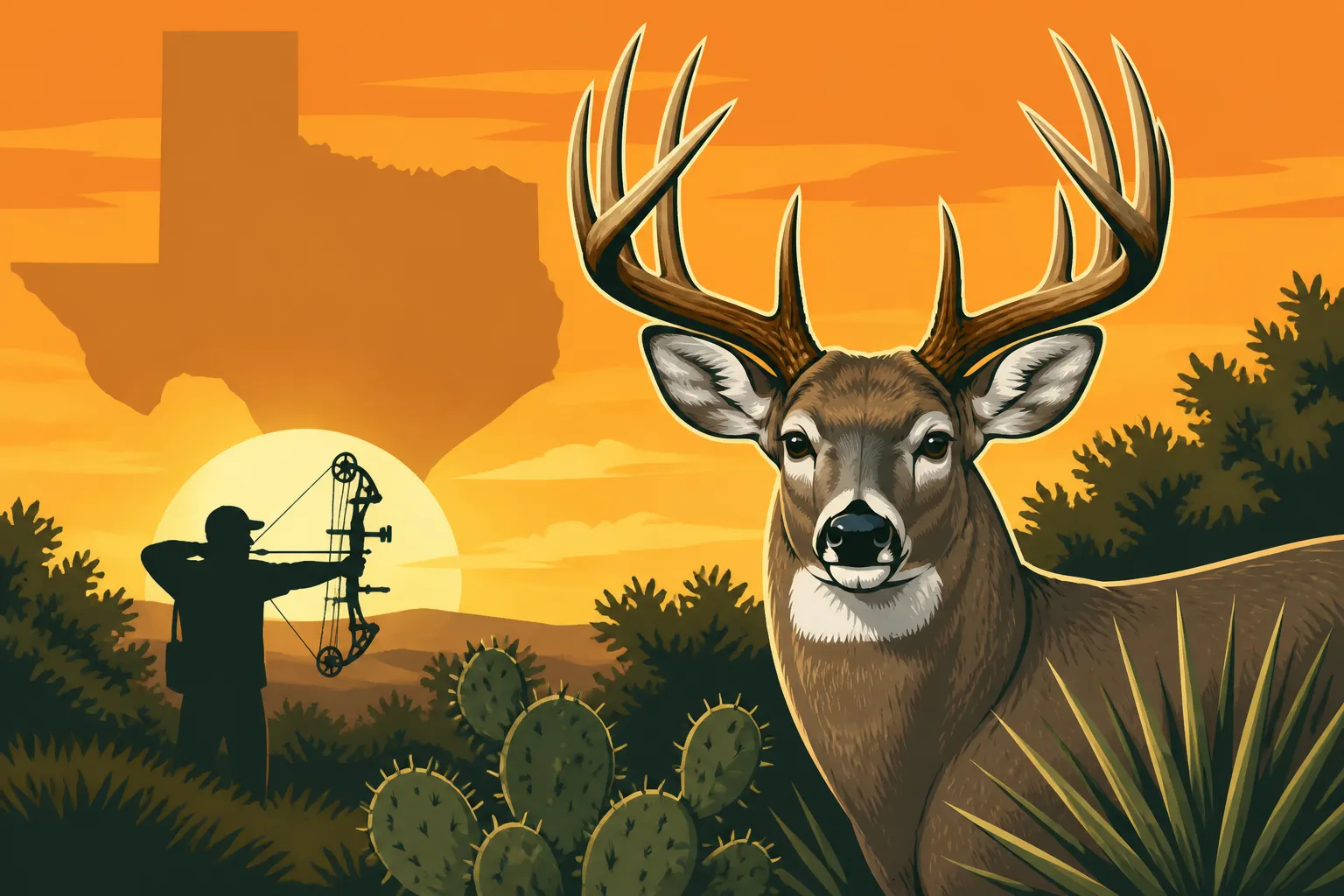
South Texas Trophy Whitetail: Brush Country Bucks
Alright, fellow hunters and outdoor enthusiasts, let's talk about something truly special: chasing those legendary South Texas trophy whitetails. We've all heard the whispers, seen the pictures of colossal bucks, and dreamt of stepping into that thorny, dense brush country. But let's be honest, the reality of hunting these elusive giants can be incredibly humbling and downright frustrating if you're not prepared for the unique challenges this unforgiving landscape throws at you. This guide is all about peeling back the layers of the brush country, understanding these magnificent animals, and equipping you with the knowledge to increase your odds of tagging a buck of a lifetime in South Texas.
Understanding the Allure of South Texas Whitetail
South Texas isn't just a region; it's practically a mythical destination for whitetail hunters. The "Brush Country" moniker itself conjures images of thick, impenetrable terrain, where the deer grow bigger, smarter, and wilder than almost anywhere else. But what is it about this particular corner of the state that produces such extraordinary animals, and why does it draw hunters from across the globe?
The Myth and Reality of Brush Country Bucks
For generations, the tales of massive, heavy-horned bucks coming out of the "Golden Triangle"—the area roughly bordered by Laredo, Cotulla, and Encinal—have fueled the dreams of whitetail hunters. There's a tangible truth to these legends: South Texas consistently produces some of the largest free-range whitetails in the world, not just in antler mass but also in body weight. We're talking about bucks that regularly push the envelope into the 160-inch Boone and Crockett range, with many exceeding it. The myth is largely built on reality.
However, the reality of pursuing these bucks is far from a walk in the park. The brush is notoriously thick, making visibility a constant struggle. These deer are also incredibly wary, having learned to navigate their harsh environment with unparalleled stealth. This isn't your grandfather's open pine forest hunting; it's a game of patience, precision, and often, sheer grit. You'll spend hours glassing through tiny lanes, squinting into shadows, and waiting for that fleeting glimpse of an antler tine. The gratification of success in this region is amplified precisely because of the immense challenge it presents.
Unique Challenges of the South Texas Environment
The South Texas landscape is a character unto itself, dictating everything from deer behavior to hunting strategies. The oppressive heat, especially during the early season, can make hunting physically demanding. Then there are the infamous thorns: mesquite, huisache, blackbrush, prickly pear, and catclaw acacia form a formidable barrier, making off-trail movement a painful endeavor and silently stalking a near impossibility. This dense vegetation provides incredible cover for deer, allowing them to vanish almost instantly.
Water is also a critical factor. While deer can go for extended periods without direct water access if they're getting moisture from browse, reliable water sources like tanks, troughs, and natural seeps become magnets for wildlife during dry spells. Furthermore, rattlesnakes and other venomous creatures are a real concern, adding another layer of awareness needed for every step you take. Understanding these environmental factors isn't just about preparing for a hunt; it's about respecting the land and increasing your chances of success. You'll definitely want to invest in some high-quality snake boots for South Texas brush country.
Key Characteristics of South Texas Whitetail
What exactly makes a South Texas buck a "trophy" beyond just a high score? It's a combination of genetics, diet, and their unique adaptations to the harsh brush country. These aren't just big deer; they're magnificent examples of natural selection at its finest.
Antler Genetics and Body Size
The genetics of South Texas whitetails are truly exceptional. Years of intense wildlife management, often coupled with selective harvesting practices on private ranches, have cultivated deer populations with superior antler potential. You'll often see bucks with heavy main beams, impressive mass measurements, and a proliferation of tines. It's not uncommon for a mature 4.5 or 5.5-year-old buck to sport a rack well over 140 inches, with the potential for much larger. These bucks are not only scoring well but often have that classic, rugged brush-country look.
Beyond the antlers, the body size of these deer is also notable. They are typically compact, well-muscled animals, designed for navigating dense cover. A mature South Texas buck can easily tip the scales at 180 to 200 pounds live weight, with some pushing even heavier. This robust body structure, combined with their impressive headgear, makes them a truly grand sight when spotted in their natural element. Managing for older age classes is key here, which is why understanding things like Texas antler restrictions is so vital.
Habitat and Dietary Influences
The thorny brush itself is paradoxically the key to the deer's size and antler quality. The diverse array of browse plants, from various acacias and guajillo to mesquite beans and prickly pear pads, offers a highly nutritious diet. These plants provide essential proteins, minerals, and vitamins that are crucial for antler growth and overall deer health. Unlike areas dominated by agricultural crops or less diverse forest, the brush country's native forage is incredibly potent.
Seasonal variations play a significant role too. During periods of good rainfall, the brush "greens up," offering an abundance of high-quality forage. Conversely, during droughts, deer can become more reliant on supplemental feed, such as protein pellets, if available. Understanding these dietary influences helps hunters predict deer movement and identify prime feeding areas. Many landowners utilize protein feeding deer for bigger antlers to supplement the natural diet, particularly during antler-growing seasons.
Hunting Strategies for South Texas Trophy Whitetail
Hunting a trophy whitetail in the dense South Texas brush requires a blend of patience, persistence, and specialized tactics. You can't just wander out and expect to stumble upon a monster buck; these animals are masters of their domain.
Scouting the Brush Country Effectively
Scouting in South Texas is vastly different from more open terrains. Forget long-range glassing across expansive fields; here, it's about identifying pinch points, dense cover, and travel corridors within the labyrinthine brush. Trail cameras are an absolute game-changer. Placing them strategically on senderos (cleared lanes), near water sources, or along fence lines can provide invaluable intel on buck movement patterns and timing. Consider rugged, reliable cameras that can withstand the heat and dust, like the Tactacam Reveal vs Moultrie Edge.
Look for subtle signs: rubs on mesquite and blackbrush, fresh scrapes, and well-worn trails leading into thicker cover or towards feeders. Pay close attention to areas where multiple brush types converge, or where a slight elevation change offers a natural advantage for deer observation. Don't underestimate the power of simply walking the property, even if it's slow-going and thorny, to get a feel for the lay of the land and where deer might seek refuge or travel between food and water. For serious scouting, especially before season, learning how to scout for deer before season in Texas is critical.
Blind Setups and Preferred Hunting Methods
Given the dense vegetation, hunting from blinds is the predominant method in South Texas. Tower blinds, often 10-20 feet high, are popular as they provide an elevated vantage point over the brush, allowing hunters to see down into senderos or over short stretches of thorny cover. Ground blinds can also be effective when strategically placed in dense cover along known travel routes, especially for bowhunting. When considering your setup, think about the prevailing wind direction and how deer approach the area. A well-placed box blind or tripod blind can make all the difference.
Hunting over feeders is incredibly common and legal in Texas. Spin feeders dispensing corn or protein are used to attract and hold deer in specific areas, creating shot opportunities. While traditional corn is popular, many hunters also use protein feeders to improve herd health. Remember to check local regulations, particularly regarding CWD zones, which may have rules about hunting over corn in CWD zones. Still-hunting or spot-and-stalk can be attempted in certain, more open areas or along wider senderos, but it demands extreme stealth and a deep understanding of the terrain. The crunch of dry leaves and twigs underfoot often gives you away long before you spot a deer.
Understanding the Rut in South Texas
The rut in South Texas is a fascinating, often drawn-out affair, typically peaking later than in many other parts of the state. While northern Texas might see significant rut activity in early to mid-November, the South Texas rut often kicks into high gear from mid-December through January, and sometimes even into February. This later timing is attributed to factors like genetics, nutrition, and local environmental conditions. Knowing when the Texas rut hits your specific hunting area is paramount.
During the rut, bucks become more active during daylight hours, driven by the urge to find receptive does. This is when rattling and grunting can be particularly effective tactics, especially when used near dense bedding cover or along travel corridors. Bucks will often cruise senderos, cross open areas, and even respond aggressively to calls. Understanding when to rattle for bucks in South Texas and how to grunt and rattle whitetail in the Hill Country (the principles are similar across regions) can create thrilling, up-close encounters. Patience is key, as a big buck might circle downwind before committing.
Essential Gear for Brush Country Hunting
Success in South Texas hinges not just on skill, but on having the right gear that can withstand the rigors of the environment. From powerful optics to protective footwear, your equipment needs to be up to the task.
Optics for Dense Cover
In the brush country, every bit of optical advantage helps. While long-range glassing might be limited, high-quality binoculars are indispensable for picking apart thick cover, identifying antler tines in shadows, and confirming shot placement. Look for binoculars with excellent light-gathering capabilities and a wide field of view, typically 8x or 10x magnification. Brands like Zeiss, Swarovski, or Vortex offer durable, clear options that will serve you well. A good pair of binoculars can make all the difference when trying to discern a branch from an antler tine.
A reliable rifle scope is also critical. While shots might not always be extreme long-range, the dense cover means you often have limited time to acquire your target and make an ethical shot. A variable power scope, perhaps a 3-9x or 4-12x, offers versatility for both closer, quick shots and slightly longer opportunities down a sendero. Clarity, durability, and low-light performance are key features to prioritize. For more specific recommendations, check out what are considered the best binoculars for South Texas brush and the best rifle scope for Texas deer hunting.
Firearms and Ammunition Considerations
When it comes to firearms for South Texas whitetail, the focus should be on reliability and sufficient stopping power. While shot opportunities can be close, they can also present quickly and through small windows in the brush. Popular calibers like .270, .30-06, .308, and 6.5 Creedmoor are all excellent choices. For those seeking a bit more punch, especially for larger bodied bucks, a .300 Win Mag or .300 PRC can also be effective.
Bullet construction is just as important as caliber. Choose a bullet designed for controlled expansion and deep penetration to ensure clean, ethical kills, even if the shot angle isn't perfect through the thick hide and bone. Premium hunting ammunition from manufacturers like Federal, Hornady, or Barnes will perform consistently. Make sure your rifle is sighted in and you've practiced shooting from various positions, as stable rests might be limited in a blind setup.
Navigating the Terrain: Clothing and Footwear
The South Texas brush is brutal on clothing and footwear. First and foremost, snake boots are non-negotiable. The region is home to several species of venomous snakes, and stepping off a cleared path, even for a moment, puts you at risk. Look for comfortable, durable snake boots that provide full calf protection. Brands like Lacrosse, Rocky, or Muck make excellent choices.
Clothing should be lightweight, breathable, and designed to wick away moisture, especially during the warmer early season. Long sleeves and pants are essential to protect against thorns and insects. While camo patterns are always popular, solid earth tones can also be effective in the dense brush. For footwear, beyond snake protection, comfort and support are paramount. You'll be doing a lot of walking, even if it's just to and from your blind. Prioritize sturdy construction and good ankle support.
Leases, Outfitters, and Accessing Prime South Texas Land
Gaining access to prime South Texas whitetail country is often the biggest hurdle for hunters. With limited public land, most hunting takes place on vast private ranches, which typically means securing a lease or booking with an outfitter.
The Cost and Culture of South Texas Leases
Hunting leases in South Texas are highly sought after and often come with a significant price tag. The cost can vary wildly depending on the acreage, location (the "Golden Triangle" counties like Webb, Dimmit, La Salle, and Maverick command top dollar), amenities, and deer management quality. It's not uncommon for a good year-round deer lease to cost several thousand dollars per gun, with some premium spots running even higher. If you're looking into how much a deer lease cost in Texas, prepare for sticker shock, but also understand you're paying for access to some of the best hunting in the world.
The culture of a hunting lease is also unique. Many leases are multi-generational affairs, with established groups of hunters who share responsibilities and camaraderie. Finding a spot on an existing lease can be challenging, but new leases do open up. Be prepared for commitments beyond just hunting, often including feeder filling, blind maintenance, and adhering to strict harvest guidelines, such as the 13-inch rule counties, designed to protect younger bucks and improve overall herd quality. Learning how to find a hunting lease in Texas often involves networking and patience.
Choosing a Reputable Outfitter
For hunters who don't have a lease or want a guided experience, booking with a reputable outfitter is an excellent option. South Texas is home to numerous high-quality outfitters who offer everything from guided day hunts to multi-day, all-inclusive packages. These operations typically have access to large, well-managed ranches and provide blinds, transportation, meals, and experienced guides who know the land and the deer.
When choosing an outfitter, do your homework. Check references, read reviews, and clarify exactly what's included in the price—trophy fees, lodging, meals, guides, field dressing, etc. Ask about their management practices, success rates, and the typical size of bucks harvested on their property. Many of the best South Texas deer hunting packages and prices will be transparent about their offerings. A good outfitter can be the difference between a frustrating hunt and a successful, memorable experience.
Navigating Regulations: Antler Restrictions and Harvest Reporting
Texas Parks and Wildlife Department (TPWD) regulations are designed to help manage the state's deer population, particularly for whitetails. A critical regulation in many South Texas counties is the Texas antler restrictions, often referred to as the "13-inch rule." This rule mandates that a legal buck must have at least one unbranched antler or an inside spread of 13 inches or greater. This is a game-changer for hunters accustomed to simply counting points. Knowing how to field judge a 13-inch buck accurately is a crucial skill to avoid violations.
Additionally, all hunters are required to possess a valid Texas hunting license and certain endorsements. Harvest reporting is also mandatory in specific counties or for certain types of hunts, particularly for bucks. Utilizing the My Texas Hunt Harvest app makes this process straightforward. Staying informed by regularly checking the official TPWD Outdoor Annual for the latest Texas deer season dates and regulations by zone is absolutely essential before heading out.
| Feature / Method | Box Blind | Tripod Stand | Ground Blind | Spot-and-Stalk |
|---|---|---|---|---|
| Visibility | Excellent (elevated) | Good (elevated) | Limited (ground level) | Dynamic (hunter's skill) |
| Comfort | High (shelter from elements, seating) | Moderate (open to elements, less spacious) | Moderate (shelter if enclosed, cramped) | Low (constant movement, no shelter) |
| Concealment | Good (from deer, but visible to humans) | Moderate (exposed from below) | Excellent (blends into natural cover) | Hunter's skill and terrain |
| Portability | Low (heavy, fixed) | Moderate (can be moved with effort) | High (lightweight, easy to set up/take down) | N/A |
| Typical Range | Longer shots over lanes | Medium to longer shots | Closer shots, bowhunting | Varies greatly |
| Best Use Case | Over feeders/food plots | Open country, senderos | Thick cover, bowhunting | Highly skilled, patient hunters in varied terrain |
| Challenges | Requires clearing, setup | Can be exposed to wind | Limited view, scent control | High physical demand, keen senses needed |
Disclaimer
Please remember that hunting regulations and conditions can change. Always consult the most current Texas Parks and Wildlife Department Outdoor Annual and local landowner rules before planning any hunt. Safety should always be your top priority in the field.