Do You Need a License to Hunt Hogs in Texas?
Navigating the regulations around hunting in Texas can sometimes feel like trying to track a mature buck through dense South Texas brush – confusing and full of twists. One of the most common questions, and a source of genuine frustration for many aspiring hunters, revolves around whether you actually need a license to hunt feral hogs. This guide will cut through the misinformation and give you the definitive answers, along with practical advice to ensure you're always hunting legally and ethically.
The Short Answer: No, But There's a Catch
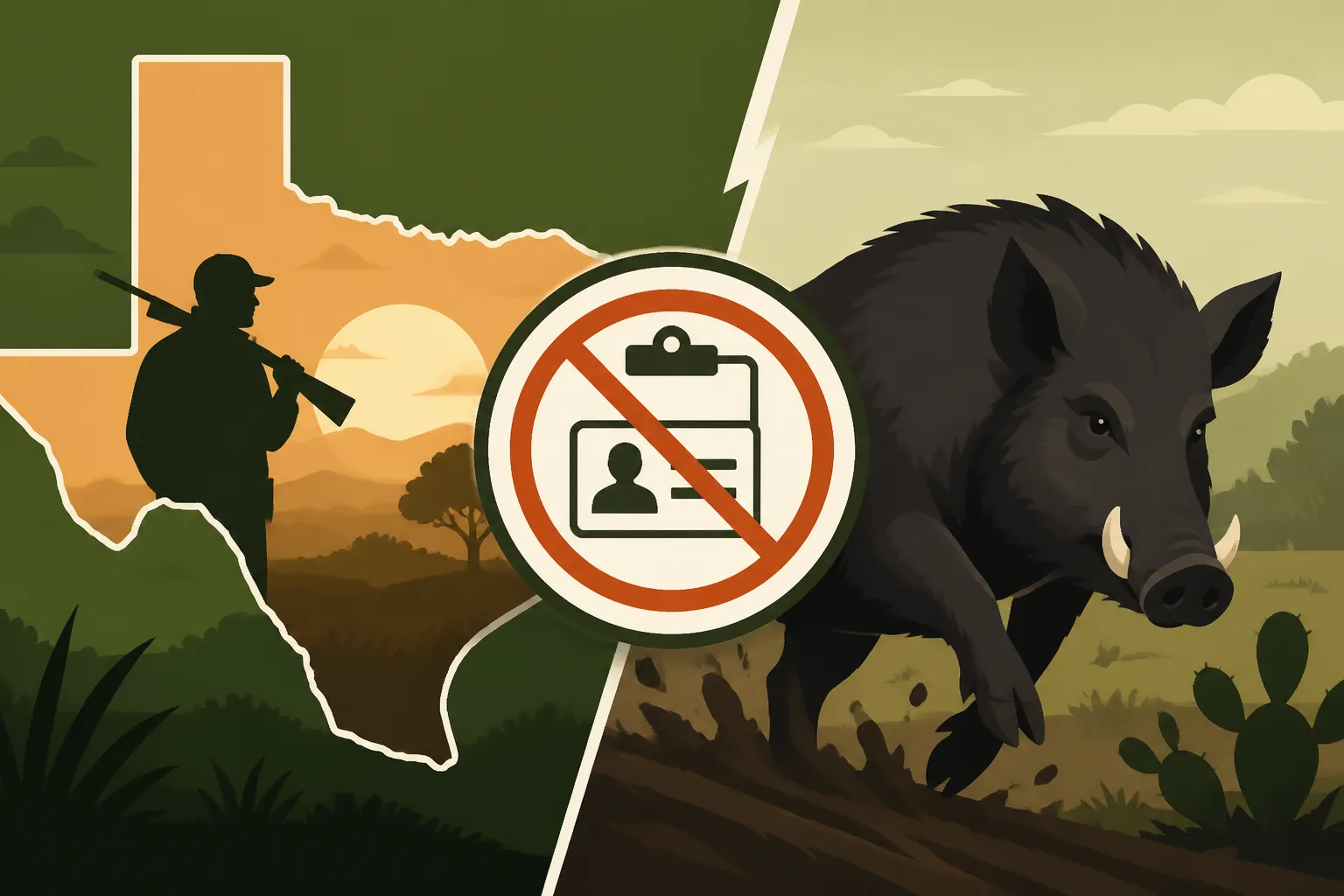
Let's get right to it: generally speaking, you do not need a traditional Texas hunting license to hunt feral hogs on private property with the landowner's permission. This is a game-changer for many, making hog hunting accessible and, frankly, a huge relief for those dealing with these destructive animals. However, that "generally speaking" carries a lot of weight, and there are crucial distinctions you absolutely need to understand to stay on the right side of the law.
Understanding the "No License" Rule for Landowners and Invited Guests
The primary reason for this exemption lies in how Texas Parks and Wildlife Department (TPWD) classifies feral hogs. Unlike white-tailed deer, turkeys, or quail, feral hogs are considered an exotic, invasive species and are designated as "nuisance animals." They cause billions of dollars in agricultural damage annually, destroy wildlife habitats, and even contribute to water quality issues. Because of this, Texas has a very liberal approach to their management, encouraging their removal whenever possible.
If you own land in Texas, you and your immediate family can dispatch feral hogs on your property at any time, with virtually no restrictions on method (within common sense and local ordinances, of course). No license, no season, no bag limit. It's a landowner's right to protect their property. The same applies to guests you invite to hunt on your private land; as long as they have your explicit permission, they don't need a hunting license. This makes private land a popular option, and it's why many outfitters offer dedicated hog hunts without requiring clients to possess a state hunting license, though they will usually ensure you have proper identification.
Public Land Nuances: When a License Is Required
Now, here's where the waters get a little muddier. While the "no license on private land with permission" rule is straightforward, it does not extend to public lands. If you plan to hunt feral hogs on any public land managed by the state, such as Wildlife Management Areas (WMAs) or through the Texas Drawn Hunts program, you absolutely will need a valid Texas hunting license.
For most public land hunting, you'll need a general hunting license, which typically comes as part of the annual Super Combo License. Additionally, many public lands require an Annual Public Hunting (APH) Permit. This permit, often purchased alongside your hunting license, grants you access to specific public hunting areas across the state. Even if you're only targeting hogs, if you're on public land, these licenses and permits are non-negotiable. Always double-check the specific regulations for the WMA or public hunting area you intend to visit, as they can vary. Some specific drawn hunts for hogs might even have additional requirements or special tags, so consulting the Texas Outdoor Annual is always your best bet.
Why the Confusion? The Unique Status of Feral Hogs in Texas
The confusion surrounding hog hunting licenses isn't just a simple oversight; it stems directly from the unique legal and biological status of these animals in Texas. They aren't native, they aren't protected game, and their sheer destructive power has shaped how the state manages them.
Feral Hogs as Nuisance Animals
Imagine waking up to see your carefully planted food plot completely ripped to shreds overnight, or your valuable crops flattened and rooted out. That's the reality many Texas landowners face with feral hogs. These animals reproduce incredibly quickly, with sows capable of having multiple litters a year, and their populations explode unchecked. They eat almost anything, from crops to native plants, and even predate on vulnerable fawns and ground-nesting birds. This is why the state classifies them as nuisance animals – they are an ecological and economic threat, not a natural part of the ecosystem that needs seasonal management and bag limits.
This classification is fundamental to understanding the relaxed hunting regulations. The state isn't trying to conserve or manage a healthy population for sport; it's actively seeking to reduce their numbers. That's why you can hunt them year-round, day or night, and with various methods, including aerial hunting and using thermal optics, provided you're on private land with permission. If you're looking for more details on hunting these animals, check out our comprehensive guide, "Feral Hog Hunting in Texas: Year-Round Guide".
Regulatory Differences from Game Animals
Think about the stringent regulations for white-tailed deer: specific seasons, antler restrictions, county-by-county bag limits, and the absolute requirement of a valid hunting license and tags. These rules are in place to ensure sustainable populations and ethical harvesting of a valuable game species. Feral hogs, however, operate under a completely different framework.
Here's a quick comparison to highlight the difference:
| Feature | Feral Hogs (Private Land with Permission) | White-tailed Deer (General Season) |
|---|---|---|
| Hunting License | Not required | Required |
| Hunting Season | Year-round | Specific dates by zone/county |
| Bag Limit | No limit | Specific limits by zone/county |
| Method of Take | Highly varied (day/night, thermal, etc.) | Restricted to specific legal methods |
| Time of Day | Day or night | Day only (½ hour before sunrise to ½ hour after sunset) |
| Harvest Reporting | Not required | Required for deer (My Texas Hunt Harvest) |
This table clearly illustrates that feral hogs are treated as an agricultural pest rather than a game animal. This distinction is crucial for hunters planning their trips. While GoHunt and other platforms offer excellent resources for planning all types of hunts, understanding these fundamental regulatory differences is key to using them effectively for hog hunting.
What You Do Need: Beyond the License
Even though a traditional hunting license isn't always required for hogs, that doesn't mean it's a free-for-all. Responsible and ethical hunting still demands adherence to other critical rules and best practices.
Landowner Permission and Safety
This cannot be stressed enough: always, always, always obtain explicit permission from the landowner before stepping foot on private property to hunt feral hogs. Trespassing is a serious offense in Texas, and it can quickly turn a fun hunt into a legal nightmare. A handshake agreement is often sufficient, but for clarity and peace of mind, a written agreement is even better, especially if you're hunting a new lease or with an unfamiliar group. This also protects the landowner.
Beyond legality, safety is paramount. Discuss boundaries, any active livestock, other hunters, or potential hazards with the landowner. Let them know your planned hunting times and expected duration. Being a responsible and communicative hunter builds trust and ensures you'll likely be welcomed back. You can find more practical advice on this in our guide on How to Get Permission to Hunt Private Land in Texas.
Hunter Education and Ethical Considerations
While Texas law generally exempts hog hunters on private land from mandatory hunter education if they don't possess a hunting license, it's still an incredibly smart idea to get certified. The state requires hunter education for anyone born on or after September 2, 1971, if they plan to hunt any animal with a hunting license, which includes public land hog hunting. Even if you're exempt, a hunter education course teaches crucial safety skills, firearm handling, shot placement, game recovery, and ethical behavior that applies to all hunting scenarios. It covers topics like Best Shot Placement for Hogs, which is invaluable.
Ethical hunting means making a clean kill, respecting the animal, and understanding your equipment's limitations. It means not taking reckless shots, especially when hunting at night or with thermal optics, where target identification can be more challenging. Your primary goal, even with a nuisance animal, should be a humane harvest.
Specialized Equipment and Planning
Feral hog hunting often involves specific gear and planning, whether you're chasing them during the day or using advanced night hunting techniques. If you're planning to hunt at night, you'll need specialized equipment. Is Thermal Hunting Legal in Texas? Yes, it is, and thermal scopes are a popular choice for hog eradication. Devices like thermal scopes and night vision gear allow you to effectively locate and target hogs in the dark, which is when they are most active, especially in the relentless Texas heat.
Beyond optics, consider robust firearms capable of humanely taking down a tough hog. Adequate lighting, reliable communication devices, and first-aid kits are also essential. Planning your hunt, scouting the area, and understanding hog behavior are just as critical as having the right permits. Resources like GoHunt can be invaluable for studying topography, identifying water sources, and understanding potential travel corridors, even for hogs.
Navigating Public and Private Land for Hog Hunting
Finding a place to hunt hogs in Texas, whether it's license-exempt private land or a public hunting opportunity, requires a bit of homework and often some persistence.
Hunting Hogs on Private Property
The vast majority of hog hunting in Texas occurs on private land. This is where the "no license" rule applies, provided you have explicit landowner permission. For many, this means joining a hunting lease. While many leases are primarily for deer or other game, most Texas leases will allow, and even encourage, hog hunting to protect the land. You might join a year-round lease that covers multiple species, or you might find day hunt operations specifically geared towards hog control. These day hunts are often more affordable and can be a great way to experience hog hunting without the commitment of a full season lease.
Networking is key here. Talk to other hunters, inquire at local feed stores, and check online forums or classifieds for lease opportunities. Some landowners might be thrilled to have responsible hunters help them control hog populations for free, or for a nominal trespass fee, just to reduce the damage to their land. Make sure you understand the terms of any agreement, especially if it's a verbal one.
Public Land Opportunities for Feral Hogs
If private land isn't an option, public hunting lands managed by TPWD can still provide opportunities. As mentioned, for these areas, you absolutely need a valid hunting license and often an Annual Public Hunting Permit.
Texas has numerous Wildlife Management Areas (WMAs) and other public lands available for hunting. Some of these areas may have specific hunts or open seasons for feral hogs, often coinciding with deer or small game seasons. It's crucial to consult the WMA's specific rules and regulations, as access and methods can be highly restricted compared to private land. Some WMAs may require you to apply for a drawn hunt, even for hogs, due to limited quotas or specific management objectives. Check the Texas Parks and Wildlife website regularly for updates and opportunities. You'll find a wealth of information regarding public hunting access, including maps and specific regulations, which can also be cross-referenced with mapping tools provided by platforms like GoHunt. This ensures you're fully prepared and compliant with all regulations before heading out.
Remember, success on public land often comes down to scouting, understanding pressure, and being adaptable. These areas see a lot more traffic, so hogs might be more nocturnal or stick to thicker cover. Utilizing resources like the Texas Outdoor Annual to research specific WMAs, or even looking into programs like the Public Hunting Program, can open up a world of possibilities for hog hunters.
Disclaimer
Please note: Hunting regulations can change. It is the hunter's responsibility to consult the most current Texas Parks and Wildlife Department Outdoor Annual and local regulations before any hunting activity. This article provides general information and should not be considered a substitute for official legal guidance.