Blackbuck Antelope Hunting in Texas
Hunting blackbuck antelope in Texas can feel like a truly unique challenge, a blend of a classic African safari experience right here in the Lone Star State, but without having to deal with the overwhelming logistics and costs of an international trip. Many hunters find themselves intrigued by these striking exotics but are unsure where to even begin with understanding their behavior, the best hunting strategies, or what gear is truly essential to succeed in the diverse Texas terrain. This comprehensive guide is designed to demystify blackbuck hunting, offering practical, in-depth advice on everything from their natural history and habits to effective hunting tactics and post-harvest care, ensuring you're well-prepared for your adventure.
Understanding Blackbuck Antelope in Texas
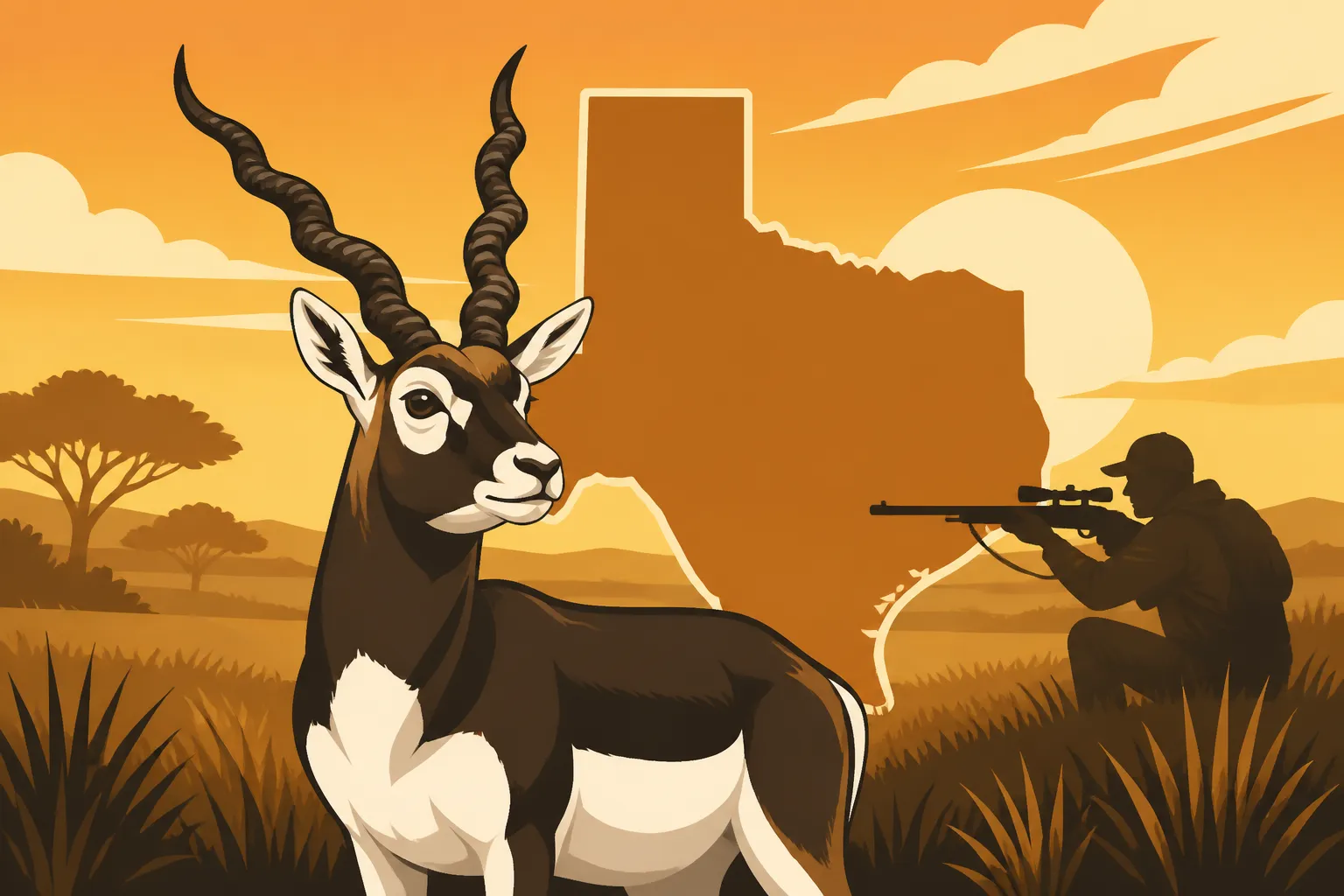
The blackbuck antelope, with its distinctive spiral horns and striking coat coloration, is a sight to behold on the Texas landscape. While not native, these animals have become a significant and popular game species, offering a thrilling hunt that challenges even seasoned hunters. Their presence here is a testament to Texas's unique role as a haven for exotic game, providing opportunities that simply don't exist in many other parts of the world.
Origins and Introduction to Texas
Blackbuck antelope (Antilope cervicapra) originally hail from the grasslands of India and Nepal. They were introduced to Texas ranches and zoological parks in the early to mid-20th century, primarily for their aesthetic appeal and as a game animal for private landowners. Texas's vast, open spaces, often resembling their native plains, coupled with a lack of natural predators and a robust exotic game industry, allowed blackbuck populations to thrive. Many of these animals eventually established free-ranging herds outside of high-fence operations, creating exciting hunting opportunities for those seeking a true spot-and-stalk challenge on expansive ranches. The adaptability of these beautiful creatures to the Texas climate and forage has been remarkable, allowing them to carve out a niche across many regions, especially in the Hill Country and South Texas.
Physical Characteristics and What Makes Them Unique
Blackbuck are immediately recognizable for several striking features. Males, or bucks, boast impressive, spiraling horns that can measure over 20 inches, sometimes even pushing past 24 inches on mature animals. Their coat color is perhaps their most defining characteristic: mature males develop a deep, almost blackish-brown upper body and outer leg color, contrasting sharply with a bright white belly, inner legs, and eye patches. Females and younger males, on the other hand, typically display a lighter, fawn-colored coat. This sexual dimorphism, particularly the color change in males, is a key indicator of age and maturity, making it easier for hunters to identify a trophy animal from a distance. Their slender build and long, powerful legs are designed for speed, allowing them to reach bursts of up to 50 miles per hour, a crucial defense mechanism against predators in their native lands and a factor that makes them incredibly challenging to approach in the open Texas terrain.
Blackbuck Ecology and Adaptability to Texas
Blackbuck are primarily grazers, preferring open grasslands with scattered brush or trees for cover. The diverse ecosystems of Texas, particularly the improved pastures and savannas found throughout the central and southern parts of the state, provide an ideal environment. They adapt remarkably well to both the intense heat of Texas summers and the occasional colder spells, finding water sources and shade as needed. Unlike some native species, blackbuck are known for their hardiness and ability to thrive on a variety of forage, which contributes to their success and expanding populations. Their keen eyesight, often described as exceptional, along with their incredible speed and tendency to live in herds, means they are constantly on alert. Successfully hunting a blackbuck requires understanding these ecological adaptations and how they influence the animal's behavior and distribution on a given property.
Blackbuck Behavior and Habitat Preferences
To successfully hunt blackbuck in Texas, you really need to get inside their heads and understand how they move, feed, and interact with their environment. They aren't like whitetail deer that might hug the brush; these animals are often out in the wide open, which presents a whole different set of challenges. Knowing their typical patterns will significantly increase your chances of getting within range.
Daily Routines and Preferred Terrain
Blackbuck are most active during the cooler parts of the day – early mornings and late evenings are prime times when they graze openly. During the intense midday Texas heat, especially in the summer months, they'll often seek shade under scattered mesquite, oak mottes, or even brush lines, bedding down to conserve energy. Their preferred terrain is typically expansive, open grassland or agricultural fields, interspersed with areas of light brush or scrub where they can quickly retreat if spooked. You'll often find them utilizing properties that have been cleared of dense cover but retain patches of taller grasses or isolated trees. This preference for open ground is a double-edged sword for hunters: it makes them easier to spot from a distance, but their exceptional eyesight makes closing that distance incredibly difficult. This is where patience, good optics, and an understanding of the terrain become paramount.
Diet and Water Needs
As predominantly grazing animals, blackbuck thrive on grasses, forbs, and occasionally browse on leaves from shrubs and small trees. In Texas, they'll readily consume a variety of native grasses, and often gravitate towards improved pastures or agricultural fields where grains like wheat or oats are planted. They also have a significant need for water, especially during the hotter months. Locating reliable water sources – tanks, ponds, troughs, or even natural seeps – is often key to patterning their movement. A ranch with good protein-rich vegetation and consistent water will typically hold a healthy population of blackbuck. While they might visit feeders, especially those set up for deer with corn or protein pellets, they are more naturally inclined to graze. Understanding their diet can help you identify prime feeding areas and predict their travel routes between bedding, feeding, and watering locations.
Social Structure and Herd Dynamics
Blackbuck live in distinct social groups, which also influences how you might approach a hunt. There are typically three types of herds:
- Bachelor herds: Consisting of young males and non-breeding adult males. These groups can be quite large and are often less territorial.
- Female herds: Composed of adult females and their offspring. These groups are usually led by an older, experienced female and are incredibly vigilant.
- Territorial males: Mature bucks will establish and defend territories that encompass prime grazing and watering areas, as well as female herds. These bucks are often the most desirable for hunters seeking a trophy, but they are also the most challenging. They'll actively chase off rival males, displaying their impressive horns and distinct black coat to assert dominance.
Approaching a blackbuck herd requires careful planning. If you spook one animal, the entire herd will bolt, making a follow-up shot nearly impossible. Their alarm system is highly effective, with a single snort or stomp of a foot sending a ripple of panic through the group. Recognizing the composition of the herd you're stalking can inform your strategy, as territorial males might be more focused on other bucks, potentially offering a slightly better chance for a careful approach.
Hunting Seasons and Regulations for Blackbuck
One of the great advantages of hunting exotic game in Texas, including blackbuck, is the liberation from strict seasonal calendars. This flexibility is a huge draw for many hunters, but it doesn't mean you can just head out whenever. There are still important rules and ethical considerations to keep in mind.
The "No Season" Advantage for Exotics
Unlike native game species like white-tailed deer or turkey, blackbuck antelope, being non-native to Texas, are not regulated by the Texas Parks and Wildlife Department (TPWD) with specific hunting seasons. This means there's no set "opening day" or "closing day" for blackbuck. For landowners, this offers the flexibility to manage their exotic populations year-round, allowing for strategic harvests based on herd health and desired trophy quality. For hunters, it means you can plan your hunt around your schedule, fitting it in during times when other seasons might be closed, or when the weather is most favorable for a comfortable hunt. This also makes them a popular choice for hunters looking to extend their time in the field outside of traditional deer or bird seasons. It's important to understand that while there's no state-mandated season, individual ranches or outfitters will have their own availability and preferred hunting periods.
Licensing and Permits Required
Even though there's no specific season, you absolutely still need a valid hunting license to harvest a blackbuck in Texas. For Texas residents, a general hunting license (like the annual resident hunting license or a Super Combo License) is sufficient. Non-residents will need a Texas Non-Resident Special Five-Day Small Game Hunting License or a Non-Resident General Hunting License. It's crucial to purchase and carry your license whenever you're afield.
Beyond the state hunting license, there are no specific permits or tags issued by TPWD for blackbuck. Since they are private property, the landowner or outfitter typically manages the harvest internally. This simplifies the process considerably compared to tag systems for native game. However, you should always confirm with your hunting outfitter or landowner exactly what documentation is required. It's also a good idea to refresh your knowledge on general Texas hunting regulations, even for exotics, by consulting the Texas Outdoor Annual to ensure you're compliant with all laws. You can find more information on securing your permits and understanding what's needed by checking out the comprehensive guide on the Texas Hunting License: Cost, Types & How to Buy (2026).
Ethical Considerations and Fair Chase
While blackbuck hunting is a commercial enterprise for many ranches, the principles of ethical hunting and fair chase remain paramount. Even on high-fence operations, which are common for exotics, the vast acreage and challenging terrain often mean these animals are far from "tame." Many of these ranches span thousands of acres, providing an experience that feels truly wild.
Fair chase, in the context of blackbuck, often translates to:
- Respecting the animal: Taking a clean shot, ensuring a quick and humane harvest.
- Understanding their senses: Recognizing their keen eyesight and speed, and stalking them accordingly.
- Not taking advantage: Avoiding pursuit in situations where the animal has no chance of escape or is cornered.
It’s always a good idea to discuss the ranch's specific hunting philosophy and ethical guidelines with your guide or landowner beforehand. The goal is a challenging, rewarding experience, not simply pulling a trigger. Many hunters seek out the thrill of a genuine spot-and-stalk hunt for blackbuck, which elevates the experience far beyond simply harvesting an animal. For more on the broad scope of exotic hunting in Texas, including species like axis deer and aoudad, explore the guide to Exotic Hunting in Texas: Axis, Aoudad, Blackbuck & More.
Effective Blackbuck Hunting Methods
Blackbuck are notoriously wary animals, thanks to their incredible eyesight and speed. This means you can't just stroll up on them. You'll need to employ smart tactics, blending stealth with a good understanding of their habits and the terrain. The method you choose will often depend on the specific ranch, the cover available, and your personal hunting style.
Spot-and-Stalk Techniques
The spot-and-stalk method is arguably the most exciting and challenging way to hunt blackbuck. This is where your patience, physical fitness, and fieldcraft really come into play. Blackbuck often graze in open fields, making them visible from a distance but also incredibly hard to approach undetected.
The process usually starts by finding a high vantage point – a ridge, a hilltop, or even the roof of your hunting vehicle – and glassing thoroughly with good binoculars or a spotting scope. You’re looking for those tell-tale black bodies against the grass or the flicker of white patches. Once you've spotted a buck you're interested in, the real work begins.
You'll need to carefully plan your approach, taking into account the wind direction (always keep it in your face or across your body, as their sense of smell is sharp), any available cover (mesquite bushes, creek beds, tall grass, terrain folds), and the animal's current activity. Blackbuck move frequently, so what looks like a perfect stalk path might become useless in minutes. You'll often find yourself crawling, using every ditch and bush to break up your silhouette, moving slowly, and stopping frequently to re-evaluate the situation. A common frustration is getting within 200-300 yards only for the buck to suddenly lift its head, stare right at you, and then bolt across the field. This is where patience and persistence truly pay off. Successfully closing that distance to get a clean, ethical shot is incredibly rewarding. For a deeper dive into this exhilarating method, consider reading about Spot-and-Stalk Hunting in Texas (Exotics & Mule Deer).
Blind Hunting and Feeder Strategies
While spot-and-stalk is popular, blind hunting can also be an effective strategy, especially on ranches where blackbuck have become accustomed to feeders or specific water sources. This method allows you to be set up, concealed, and ready for an animal to come to you.
- Box Blinds: These elevated, enclosed blinds offer comfort, protection from the elements, and a stable shooting platform. They're great for long hours in the field and are often placed overlooking known travel corridors, waterholes, or feeding areas. They also help contain human scent.
- Ground Blinds: A pop-up ground blind can be quickly deployed in an opportune location, offering excellent concealment at ground level. This can be particularly effective if you've patterned blackbuck using a certain trail or funnel between cover and an open field.
Many ranches utilize supplemental feeding, either with corn or protein pellets, to attract and hold game. While blackbuck are natural grazers, they will visit these feeders, especially in areas where natural forage is scarce. Placing blinds near these feeders, or along trails leading to them, can provide consistent shot opportunities. The key is setting up your blind well in advance to allow the animals to become comfortable with its presence. Remember, blackbuck are sharp-eyed; any sudden movement or unnatural object will send them packing.
High-Fence vs. Free-Range Hunting Considerations
The discussion of high-fence versus free-range hunting is common with exotics in Texas, and blackbuck are no exception.
- High-Fence Ranches: The majority of blackbuck hunting in Texas takes place on high-fenced ranches. It's important to understand that "high-fence" doesn't necessarily mean "easy." Many of these properties span thousands of acres, offering terrain so vast and rugged that the animals behave as wild as any free-ranging game. The fence primarily serves to contain specific exotic populations, allow for precise herd management, and prevent genetic intermingling or spread of disease. A well-managed high-fence hunt can be incredibly challenging, requiring the same skill and patience as a free-range hunt. The advantage for the hunter is a higher probability of encountering the target species and often, higher trophy quality due to intensive management.
- Free-Range Hunting: While less common, free-ranging blackbuck populations do exist in certain parts of Texas, primarily due to past escapes from high-fence operations. These hunts are truly wild and offer a unique challenge. Locating free-ranging blackbuck often requires extensive scouting and knowledge of local landowners, and success rates can be lower due to unpredictable animal movements and the lack of concentrated populations. However, for the hunter seeking the ultimate challenge and a traditional fair chase experience without fences, these opportunities can be incredibly rewarding.
Ultimately, both options can provide an ethical and exciting hunt. The choice often comes down to personal preference, budget, and the specific experience you're looking for.
Gear and Equipment for Blackbuck Hunts
Having the right gear is paramount for a successful blackbuck hunt in Texas. These animals are wary, fast, and often found in open country, demanding reliable equipment that can perform under pressure and in various weather conditions. Cutting corners on essential items can easily lead to a missed opportunity or an uncomfortable day in the field.
Rifle Calibers and Ammunition Choices
Blackbuck antelope are relatively light-bodied animals, typically weighing between 70 to 90 pounds for a mature buck. They are not exceptionally tough, but their speed and agility mean that a quick, ethical kill shot is paramount. For this reason, a flat-shooting rifle caliber that delivers adequate energy at typical hunting distances (100-300 yards) is ideal.
Popular and effective calibers include:
- .243 Winchester: An excellent choice for its flat trajectory and minimal recoil. With proper bullet selection, it delivers plenty of punch for blackbuck.
- 6.5 Creedmoor: Gaining immense popularity for its ballistic efficiency and accuracy, the 6.5 Creedmoor is perfect for blackbuck, especially if longer shots are anticipated.
- .270 Winchester: A classic deer caliber that is more than sufficient for blackbuck, offering good energy and range.
- .308 Winchester: Another versatile and accurate cartridge, the .308 is perfectly capable of taking blackbuck cleanly.
When it comes to ammunition, focus on well-constructed, expanding bullets. Soft-point or ballistic tip bullets designed for deer-sized game work very well. Avoid heavy, slow-moving bullets designed for larger, tougher animals, as they might over-penetrate without sufficient energy transfer. Always zero your rifle well in advance and practice shooting from various field positions that you might encounter during a stalk.
Optics: Scopes, Binoculars, and Rangefinders
Given the blackbuck's keen eyesight and preference for open terrain, high-quality optics are absolutely non-negotiable.
- Rifle Scope: A good rifle scope with a variable power range (e.g., 3-9x, 4-12x, or 4-16x) is essential. You'll want clear glass, good light-gathering capabilities for early morning and late evening, and a reliable, repeatable turret system if you plan on dialing for longer shots. Durability is also key, as scopes can take a beating during stalks. For more specific recommendations, check out our guide on the Best Rifle Scope for Texas Deer Hunting.
- Binoculars: This is perhaps your most important tool for spotting blackbuck from a distance and evaluating them before initiating a stalk. A pair of 8×42 or 10×42 binoculars offers a good balance of magnification, field of view, and light transmission. Look for clear, crisp glass that performs well in low light. You'll spend a lot of time behind your binos, so comfort and ergonomics matter.
- Rangefinder: Since blackbuck are often shot in open country, accurately knowing the distance is critical for precise bullet placement. A laser rangefinder that can reliably range out to 500+ yards is a must-have. Don't guess; confirm your yardage, especially on shots past 200 yards. For a comprehensive look at what to look for in all your optics, read our guide on Best Hunting Optics for Texas: Scopes, Binos & Rangefinders.
Essential Clothing and Footwear
Texas weather can be famously unpredictable, and blackbuck hunting often involves a lot of walking or crawling, sometimes through rough terrain. Your clothing and footwear choices can make or break your comfort and success.
- Clothing: Layers are your friend. Early mornings can be cool, but the Texas sun can quickly warm things up, even in cooler months. Light, breathable, moisture-wicking materials are crucial. Choose camouflage patterns that blend with the prevalent Texas brush and grasslands – something like Mossy Oak's Brush or King's Camo patterns work well. Don't forget a good wide-brimmed hat for sun protection.
- Footwear: Comfortable, durable hiking boots are essential. Look for boots with good ankle support, a stiff sole for navigating uneven ground, and decent traction. Snake boots are highly recommended, especially in South Texas or any brushy areas, to protect against rattlesnakes and other venomous reptiles. There's nothing worse than having to cut a hunt short because of blisters or a snake bite scare. You can learn more about protecting your feet by reading our guide to Best Snake Boots for Texas Hunting.
- Backpack: A small day pack is useful for carrying water, snacks, extra layers, a first-aid kit, and anything else you might need during a long stalk.
Post-Hunt: Field Care and Trophy Management
Harvesting a blackbuck is an incredible accomplishment, but the work isn't over when the shot is fired. Proper field care is crucial for preserving the meat and ensuring your trophy is in prime condition for the taxidermist. Texas heat can be unforgiving, so acting quickly and efficiently is paramount.
Field Dressing in Warm Texas Weather
Texas weather, even outside of peak summer, can be warm to hot, and meat can spoil rapidly if not cooled down quickly. Immediately after harvesting your blackbuck, the priority is to field dress the animal. This involves removing the internal organs to allow the body cavity to cool down.
- Move to Shade: If possible, move the animal to the nearest shade to begin the process.
- Gloves and Cleanliness: Always wear gloves for hygiene and to protect yourself.
- Open the Cavity: Make a careful incision from the breastbone down to the pelvis, circling the anus to completely free the rectum. Be careful not to puncture the stomach or intestines.
- Remove Organs: Systematically remove all organs from the chest and abdominal cavity. If you plan to have the heart or liver processed for consumption, place them in a separate, clean bag on ice immediately.
- Prop Open and Cool: Once eviscerated, prop the cavity open with a stick or whatever is handy to allow air to circulate and promote rapid cooling. Swabbing out excess blood with a clean cloth or paper towels can also help.
Don't underestimate the speed at which meat can spoil in warm temperatures. The goal is to get the body temperature down as quickly as possible. This process is similar to handling any other game animal in Texas heat, so insights from topics like How to Field Dress a Deer in Hot Weather can be incredibly relevant.
Skinning and Caping for a Trophy Mount
If you plan to have your blackbuck mounted, proper skinning and caping are essential steps that should ideally be done by an experienced person, or at least with careful instruction. The unique coloration and hide pattern of a blackbuck are beautiful and deserve to be preserved correctly.
- Full Skin or Cape: Decide early if you want a full body mount or a shoulder mount. This dictates how much of the hide you'll need to save. For a shoulder mount, the cape typically extends well behind the front shoulders.
- Cleanliness: Keep the hide as clean as possible, avoiding dirt, blood, or debris.
- Careful Incisions: Make precise cuts. For a shoulder mount, the main cuts involve a circle around the body behind the front legs, an incision along the back of the neck to the head, and cuts around the base of the horns and eyes.
- Fleshing and Salting: Once skinned, the hide needs to be fleshed (removing all fat and muscle tissue) and thoroughly salted. This draws out moisture and prevents bacterial growth. If you're not confident doing this yourself, get the hide to a professional taxidermist or game processor as soon as possible. They can properly prepare and freeze the cape.
Many outfitters will have guides who are skilled in caping for taxidermy, or they'll have facilities to properly care for your trophy until it can be transported. Always communicate your intentions for a mount early on.
Meat Care and Preservation
Even if you're focused on the trophy, blackbuck venison is delicious and lean, making it excellent table fare. Proper meat care ensures you'll enjoy the fruits of your hunt for months to come.
- Rapid Cooling: After field dressing, get the animal to a cooler or processing facility as quickly as possible. If it's a short drive, a large cooler with plenty of ice is ideal. Pack ice into the body cavity and over the hide.
- Processing: Whether you do it yourself or take it to a professional game processor, the meat needs to be skinned, quartered, and then aged (if desired) and butchered into manageable cuts.
- Packaging and Freezing: Vacuum sealing is the best method for long-term freezer storage, protecting the meat from freezer burn. Label all packages with the date and cut of meat.
A good cooler is a hunter's best friend in Texas. Brands like Yeti, RTIC, or Orion are popular for their ability to hold ice in extreme temperatures, which is essential for preserving your game meat. Learn more about reliable options by looking at Best Coolers for Texas Hunting (Yeti & Alternatives). Treating the meat with respect and care ensures that the entire hunting experience is honored, from the field to your dinner plate.
Blackbuck Hunting Method Comparison Table
To give you a clearer picture of which hunting method might best suit your style and the conditions you might encounter, here's a quick comparison.
| Feature | Spot-and-Stalk | Blind Hunting (Over Feeder/Water) |
|---|---|---|
| Excitement/Challenge | Very High (requires stealth, patience, fieldcraft) | Moderate (patience is key, but less physical) |
| Physical Demands | High (walking, crawling, navigating rough terrain) | Low (sitting for extended periods) |
| Gear Emphasis | High-quality optics, comfortable boots, rangefinder | Stable rifle rest, comfortable blind chair, scent control |
| Best Conditions | Cooler temperatures, light breeze, varied terrain with cover | Any weather (shelter in blind), consistent animal patterns |
| Success Rate | Variable (depends heavily on hunter skill & conditions) | Generally higher (animals patterned, controlled environment) |
| Typical Shot Range | 150-300+ yards (often open shots) | 50-200 yards (more predictable distances) |
| Key Advantage | Thrilling, active hunt; pure fair chase feel | Comfortable, patient wait; higher likelihood of shot opportunity |
| Key Disadvantage | Physically demanding, high chance of spooking animals | Can be less dynamic; animals might not show up |
This table highlights that while both methods can be effective, they offer very different experiences. Many hunters enjoy the mental and physical challenge of a true spot-and-stalk for blackbuck, viewing it as the most rewarding way to pursue these keen-sensed animals.
Disclaimer
Please be aware that hunting regulations, license requirements, and local land access rules can change. While every effort has been made to provide accurate and up-to-date information, it is your responsibility to verify all current regulations with the Texas Parks and Wildlife Department and any specific landowners or outfitters before engaging in any hunting activities. Always prioritize safety and ethical hunting practices.