How to Hunt Mourning Dove in Texas
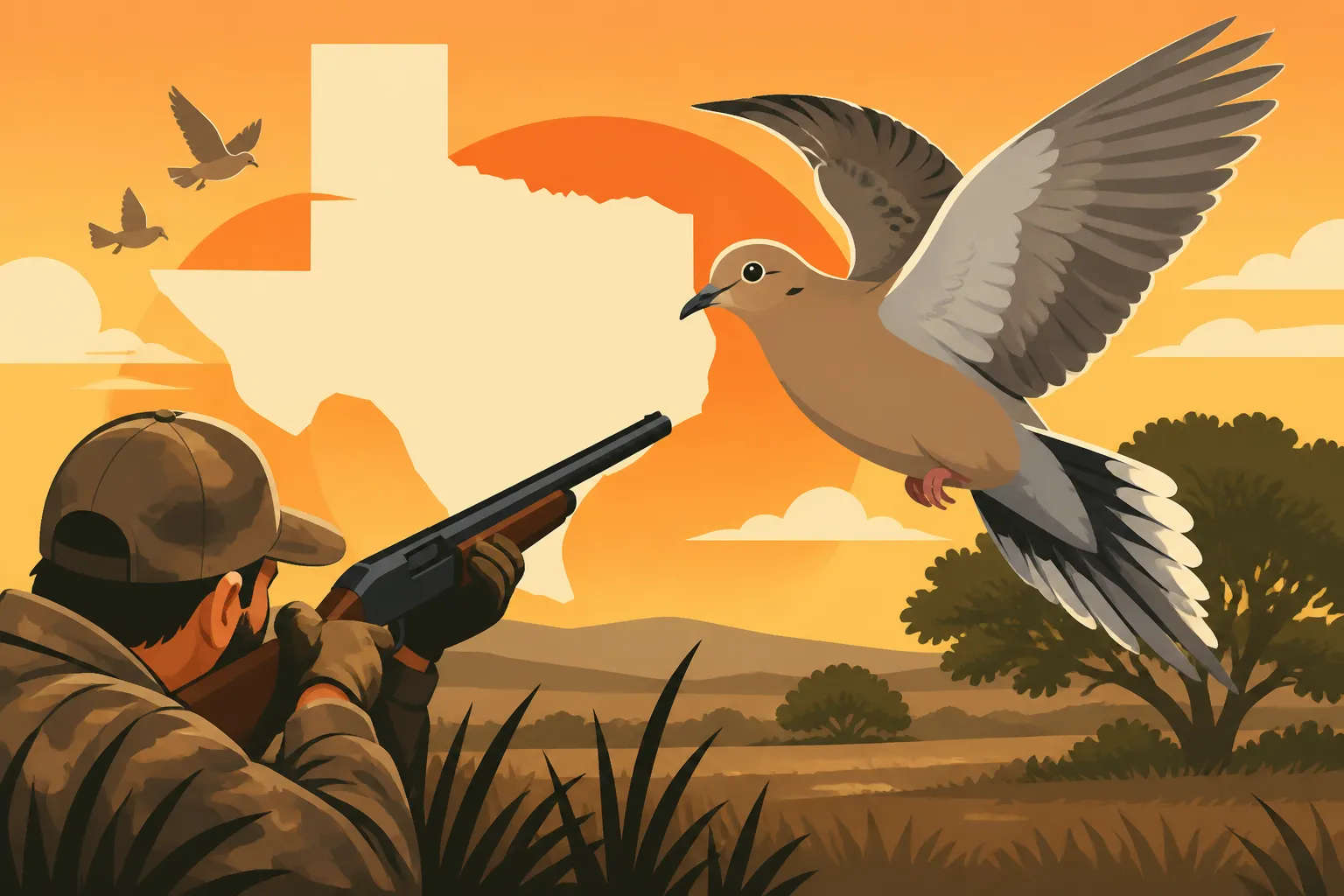
There's nothing quite like the opening day of dove season in Texas. That crisp September air, the anticipation, the camaraderie with friends and family… it's a quintessential Texas experience. But let's be real, those little speedsters, especially mourning doves, can be incredibly challenging to hit! Many a hunter has walked out of a field wondering if their shotgun was secretly loaded with blanks. If you've ever felt that frustration, know you're not alone. This guide is here to help you unravel the mystery of these elusive birds and equip you with the knowledge and tactics to make your next Texas mourning dove hunt a resounding success.
Understanding Mourning Dove Behavior and Habitat
Mourning doves are fascinating birds, perfectly adapted to the wide-open spaces of Texas. Their survival relies on speed and agility, which is precisely what makes them such a challenging and rewarding game bird. To consistently put birds in the bag, you first need to understand their daily rhythms and preferred environments.
Why Mourning Dove are Different from White-Winged
While often hunted side-by-side, mourning doves have distinct characteristics that set them apart from their white-winged cousins. Mourning doves are generally smaller, sleeker, and possess a more erratic, darting flight pattern. They tend to fly solo or in smaller groups, making them harder to pattern than the large, predictable flocks of white-wings. If you've ever tried to shoot a mourning dove cutting through the air like a bullet, you know exactly what I mean – they're incredibly agile, often changing direction without warning. This makes them a true test of a hunter's reflexes and wing-shooting skills. For a deeper dive into the differences, check out our guide on Mourning Dove vs White-Winged Dove in Texas.
Their diet also plays a role in their behavior. Mourning doves are primarily ground feeders, favoring small seeds like croton, goatweed, sunflower, milo, and wheat. This preference means they spend a lot of time on the ground in agricultural fields or open, weedy areas. They're also less likely to roost in dense urban areas like white-wings often do, preferring more rural settings.
Key Habitat Elements to Look For
Successful dove hunting hinges on finding the right spot, and that means understanding what mourning doves need to survive and thrive. They follow a simple daily routine: roosting, feeding, watering, and loafing. Identifying areas that provide these essentials will lead you to the birds.
Food Sources: Mourning doves are absolute connoisseurs of small seeds. Think agricultural fields that have recently been harvested or even just weedy patches. Sunflowers, milo, wheat, and even native weeds like croton (also known as dove weed) and goatweed are major draws. These areas provide an abundance of easily accessible forage. When scouting, look for bare ground between the plants where doves can comfortably walk and pick up seeds. A field that’s too dense or tall might hold birds, but they prefer open spaces for feeding and predator avoidance.
Water Sources: Doves are dependent on water, especially in the dry Texas heat. They need to drink at least once a day, often more. Look for accessible water sources like stock tanks, ponds, creeks with shallow edges, or even puddles in dirt roads. What makes a water source attractive isn't just the water itself, but also the surrounding bare ground or short vegetation that allows them to land, drink, and take off without feeling vulnerable. A tank with a wide, muddy bank is often more appealing than one with tall grass right to the edge.
Roosting Areas: After a day of feeding and watering, doves need a safe place to rest and spend the night. They typically prefer tall trees, dead snags, utility lines, or even large mesquite thickets. These elevated perches offer security from ground predators and a good vantage point. When scouting a potential hunting spot, always look for these roosting areas nearby. Doves will often fly in predictable patterns between their feeding, watering, and roosting sites, creating "flyways" that you can intercept.
Grit: Like many birds, doves lack teeth and require grit (small stones or coarse sand) to help them digest their food. They’ll actively seek out areas where grit is available, often along dirt roads, sandy patches, or dry creek beds. While not a primary factor for setting up a hunt, observing doves picking grit can sometimes give you clues about their movement patterns between feeding and watering holes.
Essential Gear and Setup for Texas Dove Hunting
You wouldn't try to build a house with just a hammer, and you shouldn't go dove hunting without the right tools and setup. Having the proper gear, and knowing how to use it effectively, can significantly boost your success rate and overall enjoyment in the field. Texas weather, especially during the early dove season, demands specific considerations for comfort and safety.
Shotguns and Ammunition
When it comes to dove hunting, the right shotgun and ammunition are critical for those fast-flying targets. Most hunters opt for a 12-gauge or 20-gauge shotgun. The 12-gauge offers a bit more payload and reach, while the 20-gauge is lighter, has less recoil, and is perfectly capable of downing doves at reasonable ranges. Many seasoned hunters even enjoy the challenge of a 28-gauge or .410, though these require exceptional wing-shooting skills.
For ammunition, shot sizes 7.5 or 8 are the most common and effective. These smaller pellets provide a dense pattern, increasing your chances of connecting with a small, fast-moving bird. Some hunters will opt for 6-shot if they anticipate longer shots or are hunting larger white-wings. Choke selection is also important. For mourning doves that often come in hot and fast, an improved cylinder or modified choke is usually ideal, providing a wider pattern that's more forgiving on close, quick shots. If you expect birds to be high and far, a tighter choke like full might be beneficial, but it significantly reduces your effective pattern width. Remember, dove hunting can be a high-volume shooting affair, so bring plenty of shells – a couple of boxes per hunter is a good starting point.
Decoys and Blinds
Effective concealment and attraction are two sides of the same dove hunting coin. Natural cover is often your best blind. Think about positioning yourself near a mesquite tree, a line of tall sunflowers, or dense brush along a fence line. The key is to break up your outline and blend into your surroundings. Pop-up blinds are also excellent options, especially if you're hunting in a more open field without much natural cover. Just make sure your blind is camouflaged well and set up before the birds start flying.
Decoys, especially motion decoys, can be a game-changer for mourning doves. These birds are highly social and are drawn to the sight of other doves. Motion decoys, like the Mojo Dove or Wing Flapper models, mimic a dove landing or taking off, providing irresistible visual appeal. Set these up on poles just above the crop line or on a fence post. Static decoys, positioned on the ground or on stubble, can complement the motion decoys, creating a realistic "feeding flock" impression. For detailed strategies on how to use decoys for dove hunting, you can explore specialized guides. Proper decoy placement can often pull birds within comfortable shooting range, turning distant fly-bys into close encounters.
Other Crucial Gear
Texas dove season usually kicks off in early September, which often means scorching hot weather. Light, breathable camouflage clothing is essential not only for concealment but also for comfort. You don't want to be sweating buckets before the first bird flies. Our guide on Best Early-Season Camo for Texas Heat has excellent recommendations.
Hydration is paramount. Bring plenty of water, and consider a cooler filled with ice for drinks and to keep your harvested birds cool. Speaking of birds, a good bird vest or game bag is incredibly useful for carrying shells and your limit of doves. Don't forget bug spray – mosquitoes can be relentless, especially near water sources in the evenings. Sunscreen, a wide-brimmed hat, and sunglasses are also non-negotiable for sun protection. Finally, a pair of comfortable walking shoes or boots is key, as you'll likely be doing a fair amount of walking, whether it's scouting, retrieving birds, or moving between spots.
| Item | Purpose | Notes |
|---|---|---|
| Shotgun (12/20 gauge) | Primary hunting tool | Improved Cylinder or Modified choke recommended |
| Ammunition (7.5/8 shot) | Shooting doves | Bring at least 2 boxes per hunter, often more |
| Motion Decoys | Attract doves | Mojo Dove or Wing Flappers are highly effective |
| Static Decoys | Enhance realism | Place on ground or low poles to mimic feeding birds |
| Camouflage Clothing | Concealment and comfort | Light, breathable fabrics for early season heat |
| Cooler with Ice | Hydration & game preservation | Essential for drinks and cooling harvested doves |
| Water | Hydration | Bring more than you think you'll need |
| Bird Vest/Game Bag | Carrying shells and doves | Keeps hands free, distributes weight |
| Sunscreen, Hat, Sunglasses | Sun protection | Texas sun is no joke, even in September |
| Bug Spray | Insect repellent | Especially critical near water sources at dusk |
| Ear Protection | Hearing safety | Mandatory for shooting |
| Eye Protection | Eye safety | Mandatory for shooting, helps with glare |
Mastering Dove Hunting Tactics in the Field
Knowing where to find doves is one thing, but actually putting them in the bag requires a keen understanding of tactics, patience, and some solid wing-shooting skills. Dove hunting is often a game of anticipating flight paths and making quick decisions.
Scouting is King
You've heard it a thousand times, but it bears repeating: scouting is the absolute foundation of a successful dove hunt. You wouldn't just wander into any field hoping for deer, and the same applies to doves. Start your scouting several days before opening day. Drive county roads, use binoculars, and observe flight patterns. Look for birds flying between known food sources, water, and roosting areas. These established flight paths, often called "flyways," are golden. Pay attention to how birds enter and exit fields, where they land to drink, and if they're using specific trees or power lines as staging areas.
Mourning doves tend to have distinct morning and evening flights. Mornings might see them flying from roosts directly to water or feeding grounds. Evenings often involve flights from feeding grounds back to water before heading to roost. Identifying these patterns will dictate when and where you set up. For instance, if you find a major flight path leading to a stock tank, that's likely a prime evening spot. If a cut sunflower field is buzzing with activity in the mid-morning, that's a feeding hot spot. Don't underestimate the power of simply watching the birds.
Setting Up Your Spot
Once you've identified a promising area through scouting, strategic setup is crucial. When positioning yourself, always try to keep the sun at your back. This makes it harder for the doves to see you and easier for you to see them, as they'll be silhouetted against the bright sky. Also, consider the wind. Doves, like most birds, prefer to land into the wind, so positioning yourself so incoming birds are flying into the wind towards you can give you a more predictable shot. For a more detailed look at effective field layouts, our Dove Field Setup: Where to Stand guide offers great insights.
Safety is paramount, especially when hunting with a group. Space hunters out adequately to ensure safe shooting lanes and prevent accidental pepperings. Communication within your hunting party is vital. When placing decoys, make them visible. Place motion decoys on poles above the stubble or brush line so they can be seen from a distance. Static decoys can be arranged on the ground to mimic a feeding flock. Create a landing zone for incoming birds within your decoy spread, and position yourself to intercept them as they commit to landing.
Shooting Tips for Fast-Flying Doves
Shooting mourning doves is a true test of your wing-shooting ability. These birds are small, fast, and incredibly agile, making them excellent practice for other upland birds or waterfowl. The most common mistake hunters make is shooting behind the bird. You must lead them. The "swing-through" method is often recommended: mount your gun, swing past the bird, pull the trigger while maintaining your swing, and follow through. It sounds simple, but it takes practice.
Stay hydrated and take breaks, especially in the early season heat. Fatigue can quickly degrade your shooting accuracy. Patience is also key; don't just blast away at every bird that flies by. Wait for birds to commit to your decoy spread or to come into a comfortable, ethical range. Trying to shoot birds at the absolute edge of your range often results in misses and wasted shells. Practice before the season at a sporting clays course or with a simple hand thrower to get your eye in and hone those lead estimates.
Retrieval and Game Care
After a successful shot, immediately mark where your bird fell. Those little gray rockets can disappear into the smallest patch of stubble. If you have a bird dog, this is where they truly shine. A good retriever will save you countless hours of searching and ensure fewer birds are lost. If you don't have a dog, take a mental note of a landmark – a tree, a fence post, a specific bush – near where the bird dropped. Walk directly to that spot.
Once retrieved, get your doves into a cooler filled with ice as quickly as possible. Texas heat can spoil game meat very rapidly. Cooling them down immediately preserves the quality of the meat. Many hunters will field dress their doves right there in the field, breasting them out to save space and reduce weight. Simply pluck the breast feathers and remove the breast meat, leaving the rest for the critters. For general guidance on game care in the heat, our article on How to Cool a Deer Fast in Texas Heat offers transferable principles.
Legalities, Seasons, and Important Considerations
As with all hunting, understanding and adhering to the regulations set forth by the Texas Parks and Wildlife Department (TPWD) is non-negotiable. Regulations are in place to ensure ethical hunting practices, conserve wildlife populations, and provide a safe experience for everyone.
Texas Dove Season and Zones
Texas is a massive state, and its dove season dates reflect that diversity by dividing the state into three distinct zones: North, Central, and South. These zones have slightly different opening and closing dates to accommodate variations in bird migration and agricultural practices. Typically, the North and Central Zones open around September 1st, with the South Zone opening a bit later. It is absolutely crucial to check the most current Texas Parks and Wildlife Outdoor Annual for the exact dates each year, as they can shift slightly. You can find detailed information on these dates in our comprehensive guide, Texas Dove Season 2026: Zones & Dates. Always know which zone you are hunting in and consult the official regulations.
Licenses, Endorsements, and Bag Limits
To hunt mourning doves in Texas, you'll need a valid Texas hunting license. In addition to your general hunting license, you must also purchase a migratory game bird endorsement and be HIP (Harvest Information Program) certified. The HIP certification is a federal requirement for all migratory bird hunters, helping wildlife agencies gather data on harvest numbers. Don't skip this step! It's usually a quick process when you purchase your license. If you're wondering about the costs or how to acquire these, our article on Texas Hunting License: Cost, Types & How to Buy (2026) provides all the details.
Texas has strict daily bag limits and possession limits for doves. For mourning doves and white-winged doves combined, the daily bag limit is typically 15 birds, with a possession limit of 45. These numbers include both species in aggregate. Always double-check the current year's Outdoor Annual for any changes. Additionally, if you were born on or after September 2, 1971, you generally need to complete a hunter education course. For more information, read our guide, Do You Need Hunter Education in Texas?.
Ethical Hunting and Safety
While hunter orange isn't legally required for dove hunting, safety should always be your top priority. Always be aware of your surroundings and know where other hunters are located. Never shoot at low-flying birds or birds flying towards another hunter. Good communication within your hunting party can prevent accidents. Make sure to use eye and ear protection; hearing loss and eye injuries are easily preventable.
Be mindful of what lies beyond your target. Shot can travel a significant distance, so ensure you have a safe backdrop. Respecting property boundaries is also paramount. If you're hunting on private land, ensure you have explicit permission. If you're on a hunting lease, understand and adhere to all lease rules and etiquette. Remember that hunting over bait is strictly illegal for migratory birds. This means you cannot place corn or other feed to attract doves. However, hunting over a legally manipulated agricultural field (like one that has been harvested) is permissible. This differs from other types of hunting; for example, you can hunt feral hogs over bait, as explained in Hunting Over Feeders & Corn in Texas (Legal Guide). Always pick up your spent shotgun shells and any other trash. Leaving a clean camp and field is a sign of respect for the land and the privilege of hunting. Finally, ensuring a quick, clean kill is an ethical responsibility, similar to focusing on Best Shot Placement for Hogs to minimize animal suffering. Reading the full How to Read the Texas Outdoor Annual is always a good practice before heading out.
Disclaimer
Please note: Hunting regulations and season dates in Texas are subject to change by the Texas Parks and Wildlife Department. Always consult the most current Texas Outdoor Annual or TPWD website before engaging in any hunting activities. This guide is for informational purposes only and should not be considered a substitute for official regulations.