Bobcat Hunting & Trapping in Texas
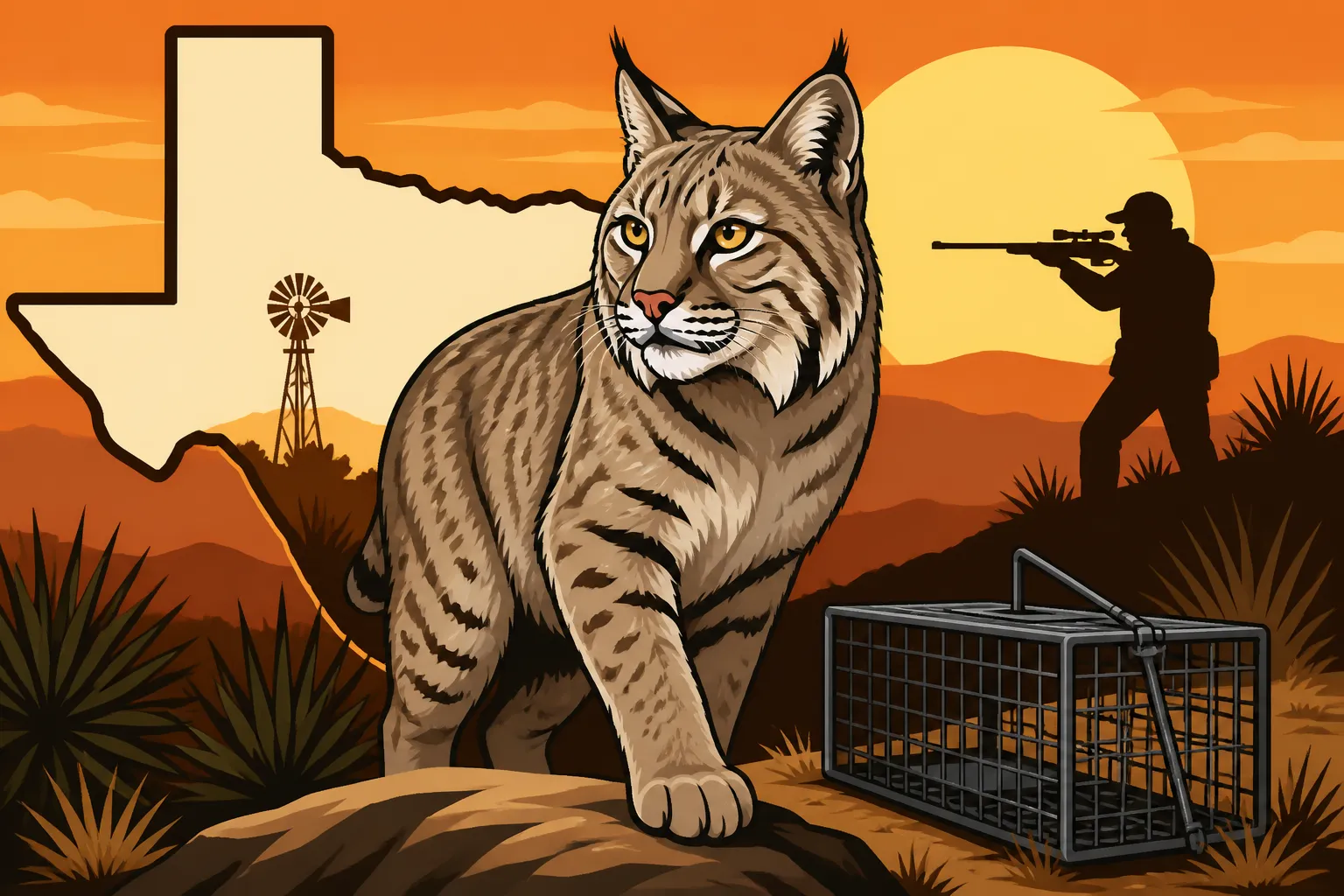
Bobcat hunting and trapping in Texas can feel like a real mystery, can't it? These elusive predators are widespread across our great state, but actually locating and successfully pursuing one can be a frustrating endeavor for even experienced outdoorsmen. This guide aims to demystify the process, offering comprehensive insights into understanding bobcats, navigating regulations, and deploying effective hunting and trapping strategies to help you fill your tag or check your traps with confidence.
Understanding Texas Bobcats: Biology, Behavior, and Habitat
Before you even think about hitting the woods or setting a trap, truly understanding the animal you're pursuing is paramount. Bobcats are fascinating creatures, perfectly adapted to a variety of Texas landscapes, but they're not always easy to find. Knowing their habits, preferred habitats, and what drives them can significantly increase your chances of success.
Bobcat Characteristics and Preferred Habitat
Texas bobcats are medium-sized felines, typically weighing between 15 and 30 pounds, though some larger males can tip the scales closer to 40. Their distinctive short, "bobbed" tail, tufted ears, and spotted coats are unmistakable. These animals are incredibly adaptable, thriving in a diverse range of environments across Texas, from the dense brush of South Texas to the rocky canyons of the Trans-Pecos, and even in suburban fringes. While they might occasionally be seen during the day, they are primarily nocturnal or crepuscular, meaning they are most active at dawn and dusk. This preference for low light makes them particularly challenging to hunt without specialized equipment or carefully timed efforts.
They favor areas with dense cover for ambush hunting and shelter, such as thickets, rocky outcrops, and riparian zones. Water sources are also crucial, not just for drinking but also because they attract a variety of small prey animals like rabbits, rodents, and birds, which make up the bulk of a bobcat's diet. When scouting a new area, look for places where different habitat types converge—a transition line between thick woods and open fields, or a brushy draw near a creek bed. These "edge habitats" are prime locations where bobcats will often travel and hunt. Knowing this ecological preference is your first step in predicting where a bobcat might be.
One common frustration for hunters is finding abundant sign but never actually seeing a bobcat. This is often because they are incredibly stealthy and wary. Unlike deer that might hold to an area even if spooked, a bobcat will often simply disappear. Their home ranges can vary widely depending on prey density, from a few square miles in resource-rich areas to over 20 square miles in sparser regions. Understanding these territorial tendencies helps you cover ground more effectively, focusing your efforts on core areas rather than simply wandering aimlessly.
Their Role in the Ecosystem
Bobcats play a critical role in maintaining the health and balance of Texas ecosystems. As apex predators of small to medium-sized prey, they help control populations of rabbits, hares, rodents, and even young deer or feral hogs when the opportunity arises. This predation can prevent overpopulation of certain species, which in turn helps protect vegetation and reduces the spread of disease within prey populations. Think of them as nature's pest control, working tirelessly to keep things in check.
Their presence often indicates a healthy ecosystem with a robust prey base. If you're consistently seeing bobcats, it's a good sign that the overall habitat quality is high, which can also be beneficial for other game species you might be pursuing. For instance, a property with a good bobcat population likely has a strong rabbit population, which provides a food source for deer and other animals, not just bobcats. Understanding this interconnectedness helps you appreciate the value of these animals beyond just the hunt.
While their primary diet consists of smaller animals, bobcats are opportunistic hunters. They will take advantage of vulnerable prey, which can include game birds, poultry on farms, or even sick or injured deer. This opportunistic nature is what makes them adaptable and successful, but it also means that their movements can sometimes be unpredictable. Therefore, identifying primary travel corridors and common hunting grounds by looking for tracks, scat, and kill sites becomes essential intel for any serious bobcat hunter or trapper.
Regulations for Bobcat Hunting & Trapping in Texas
Navigating the rules and regulations for hunting and trapping bobcats in Texas can sometimes feel like trying to untangle a bowl of spaghetti – there are a lot of strands, and they can be confusing if you don't know where to start. It’s absolutely crucial to familiarize yourself with the current laws before you even head out. Ignorance of the law is never an excuse, and a misstep could cost you fines, your hunting privileges, or even lead to confiscation of your gear.
Licensing and Legal Seasons
First and foremost, you'll need the proper licensing. For hunting bobcats, a valid Texas hunting license is required. If you're a resident, the Super Combo license is often the most convenient, as it covers everything from basic hunting to fishing and migratory bird endorsements. Non-residents also need a general non-resident hunting license. It's always best to check the current Texas Parks and Wildlife Department (TPWD) Outdoor Annual for the most up-to-date information on Texas Hunting License: Cost, Types & How to Buy (2026).
The good news about bobcats is that they are classified as a furbearer, and there isn't a specific hunting season or bag limit for them in Texas. This means you can generally hunt them year-round, day or night, as long as you have a valid hunting license and landowner permission if on private property. However, this flexibility doesn't extend to other regulations, particularly when it comes to trapping, so don't get complacent. Always double-check the latest Texas Hunting Seasons: Complete Calendar by Species for any changes that might have occurred since the last annual update.
When it comes to trapping, an entirely different set of rules applies. If you plan to trap bobcats, you must possess a trapper's license. This is a separate license from a general hunting license and is specifically required for anyone taking furbearers by means of traps. Additionally, trapped furbearers, including bobcats, generally have a designated "fur season" during which they can be legally taken and possessed. This season typically runs from early November through late March, aligning with the prime time for quality pelts. Taking a furbearer outside of this season via trapping is a violation.
Permitted Hunting Methods
When actively hunting bobcats, Texas offers quite a bit of flexibility. You can use any legal firearm, bow, or crossbow. Many hunters prefer smaller, fast-traveling calibers like .223 or .22-250 for their flat trajectory and minimal pelt damage, while others opt for shotguns with heavier shot for close-range calling encounters. Just remember, whatever weapon you choose, ensure it is legal for hunting in Texas and that you are proficient with it. The key is making a clean, ethical shot to avoid wounding the animal and ensure a quick harvest.
Night hunting for bobcats is also permissible, which is a huge advantage given their nocturnal nature. This opens up opportunities to use artificial light, night vision, and even thermal imaging devices to locate and target these elusive predators. However, specific rules apply to the use of artificial lights, so always confirm what's allowed in your specific hunting area. While you can hunt hogs at night with thermal, it's vital to ensure you're compliant with bobcat regulations for any specific equipment, as rules can differ between species. For instance, How to Hunt Hogs at Night With Thermal might offer some insights on equipment, but always verify bobcat-specific rules.
One important consideration is hunting on public land. While private land offers more leeway, public lands like Wildlife Management Areas (WMAs) often have very specific regulations regarding weapon types, hunting hours, and even species that can be taken. Always consult the specific regulations for the WMA or public hunting area you intend to use. Most bobcat hunting opportunities will occur on private lands with landowner permission, which provides the most flexibility in terms of methods and timing.
Trapping Regulations and Best Practices
Trapping bobcats requires a much more stringent adherence to regulations compared to hunting. As mentioned, you need a trapper's license, and trapping is generally restricted to the specified fur season. Additionally, there are strict rules about the types of traps you can use, where you can set them, and how often you must check them. For instance, it's illegal to use certain types of traps, like leg-hold traps with serrated jaws, and all traps must be tagged with your name and address or your TPWD customer number.
Traps must be visited at least once every 36 hours. This regulation is in place for ethical reasons, to minimize the stress and suffering of any animal caught in the trap, and to ensure you can quickly dispatch or release non-target species. Neglecting to check your traps regularly is not only illegal but also incredibly unethical. When trapping near public roads or pathways, specific setbacks may also apply to ensure public safety and prevent accidental captures of pets or non-target animals. These rules are designed to ensure responsible and humane trapping practices.
Understanding the specific legalities for each type of trap, be it a foothold, snare, or cage trap, is critical. For example, snares have regulations concerning their size, breaking strength, and how they must be set. Foothold traps often have jaw spread limits, and specific types of padding or laminations may be required to minimize injury to the animal. It's a complex field, and taking a trapper education course can be immensely beneficial to learn the ropes and ensure you're operating within the bounds of the law. This attention to detail will keep you legal and make your trapping efforts more effective.
Effective Bobcat Hunting Tactics
Hunting bobcats isn't like hunting deer or hogs where you might sit for hours hoping a game trail pays off. These animals are smart, cautious, and incredibly responsive to specific stimuli. Success often hinges on your ability to mimic their world and exploit their predatory instincts. It takes patience, knowledge, and the right techniques to bring these wary felines into range.
Calling Techniques That Work
Electronic callers are, without a doubt, one of the most effective tools for hunting bobcats. These devices can replicate a wide range of prey distress calls, which is what truly triggers a bobcat's hunting response. Think of sounds like a rabbit in distress, a wounded bird, or even rodent squeaks. The key is to start with a softer, less aggressive sound, gradually increasing the volume if you don't get a response. Bobcats often approach cautiously, circling downwind to get a scent check before committing, so patience is paramount. It’s also important to select a caller that can project sound effectively across varied terrain, like those offered by reputable brands such as Foxpro or Lucky Duck.
Beyond electronic calls, hand calls can also be highly effective, especially for experienced callers. These calls give you more control over nuances in pitch and volume, allowing you to adapt to real-time situations. Open-reed calls mimicking a cottontail rabbit or closed-reed calls simulating a bird in distress are excellent choices. When calling, set up in an area that offers good visibility downwind, preferably with some cover behind you to break up your silhouette. A typical calling sequence might involve 20-30 seconds of calling, followed by 1-2 minutes of silence, repeated for 15-20 minutes. If no bobcat appears, move to a new location, preferably a quarter to half-mile away, to avoid over-pressuring the area. This method is similar to predator calling for coyotes, which can also be effective. You might find some helpful overlap in tactics if you've done any Predator Calling for Coyotes in Texas before.
One critical mistake many hunters make is not staying long enough at a setup or giving up too quickly. Bobcats can take their sweet time to respond, especially if they are far off or feeling particularly wary. A 20-minute stand is often a minimum, and some successful hunters will stay for 30 minutes or even longer if the conditions feel right. Don't fidget, don't make noise, and keep your movements to an absolute minimum. A bobcat's eyes are keen, and any unnatural movement will send them fleeing. Always remember to call only as much as necessary; sometimes, less is more when dealing with these sharp-eared predators.
Stalking and Ambush Strategies
While calling is popular, don't discount the effectiveness of still-hunting or using ambush strategies, particularly in areas where you've scouted heavily. Still-hunting involves moving slowly and deliberately through prime bobcat habitat, stopping frequently to scan and listen. This method is labor-intensive but can be incredibly rewarding, especially if you're a keen tracker. Look for tracks, scat, and other signs of bobcat activity around dense thickets, creek beds, and rocky areas. These signs will guide your path to high-probability areas.
Setting up an ambush is another viable tactic, often combined with knowledge of a bobcat's travel patterns. If you've identified a consistently used trail, a pinch point in the terrain, or a watering hole that bobcats frequent, you can set up a blind and wait. This requires significant scouting and observation, often aided by trail cameras, to confirm regular bobcat movement. The best time for this is usually during periods of increased activity, such as just before dawn or immediately after dusk, when bobcats are most likely to be on the move. Consider using a Box Blind vs Tripod vs Ground Blind in Texas depending on the terrain and your specific hunting style to maximize your concealment.
When utilizing an ambush setup, scent control becomes incredibly important. Bobcats have an incredible sense of smell, and any foreign human odor can quickly deter them. Use scent-eliminating sprays, wash your clothes in scent-free detergent, and pay attention to wind direction. Always try to set up downwind of where you expect the bobcat to approach. Furthermore, blending into your surroundings visually is key; wear good camouflage that matches the local vegetation. Remember, these animals are masters of stealth, and to beat them at their own game, you need to be just as subtle.
Using Decoys and Scents
Integrating decoys into your bobcat hunting setup can significantly boost your success, especially when paired with calling. A visual stimulant can be the final trigger that brings a wary bobcat all the way into range. Motion decoys, like a small, battery-operated rabbit or bird that twitches and flutters, are particularly effective. Place the decoy in an open area, about 30-50 yards from your position, ensuring it's clearly visible to any approaching bobcat. The bobcat's attention will often be fixed on the decoy, momentarily distracting it from your position and allowing for a clean shot.
Complementing your decoy and calling efforts with the right scents can create an even more irresistible setup. Predator urine, such as bobcat or fox urine, can sometimes appeal to a bobcat's territorial instincts or curiosity, especially during breeding season. More commonly, gland lures or curiosity scents derived from bobcat glands can draw them in. Apply these scents strategically around your calling setup, perhaps on a nearby bush or a tuft of grass downwind, creating an olfactory trail that the bobcat might follow. Just remember, a little goes a long way; too much scent can be overwhelming or unnatural.
When setting up your decoys and scents, think about the wind. You want the scent to drift towards where you expect the bobcat to approach from, drawing them closer. The decoy should be positioned in an area that forces the bobcat to expose itself for a shot before it gets directly downwind of your position. This strategic placement is crucial. While decoys and scents aren't always necessary for success, they add another layer of realism to your setup and can often make the difference between a close encounter and a no-show, especially when dealing with educated or particularly cautious bobcats.
Bobcat Trapping Methods
Trapping bobcats is a specialized skill that demands a deep understanding of the animal's behavior, meticulous attention to detail in trap placement, and unwavering commitment to ethical and legal practices. It’s not just about setting a trap; it’s about reading the landscape, anticipating movements, and creating an irresistible scenario for a curious bobcat.
Foothold Traps for Bobcats
Foothold traps, often referred to as leg-hold traps, are a common and effective method for capturing bobcats. These traps are designed to hold the animal by the foot, minimizing injury when properly set and maintained. For bobcats, a sturdy, well-built foothold trap with an appropriate jaw spread, often in the #1.75 to #3 size range, is recommended. Many trappers prefer traps with laminated or offset jaws, as these features further reduce the risk of injury to the animal's paw, demonstrating a commitment to humane trapping. Regular maintenance of traps, including rust removal and spring adjustment, ensures they function flawlessly.
The key to successful foothold trapping lies in the "set" – how and where the trap is placed. A popular and highly effective bobcat set is the "dirt hole set." This involves digging a small hole, usually about 3-4 inches wide and 8-10 inches deep, angled into the ground. A small amount of attractive bait (such as beaver meat, rabbit, or even commercially prepared bobcat bait) is placed in the bottom of the hole, along with a squirt of bobcat lure or urine on the rim. The foothold trap is then buried carefully in front of the hole, about 6-8 inches away, and slightly offset to one side. The entire area is blended to look natural, ensuring no metal or human scent is detectable. The bobcat, drawn by the scent, approaches the hole, steps on the buried trap, and is captured.
Another effective foothold setup is the "flat set." This involves placing bait and lure directly on the ground, often next to a natural curiosity attractor like a clump of grass, a small bush, or a rock. The trap is then buried in front of the lure, just as with the dirt hole set. Flat sets are excellent in areas where digging a hole might be difficult or unnatural, such as rocky terrain or heavily matted grass. Regardless of the set type, always ensure the trap is securely anchored, either to a drag system (heavy log or piece of rebar) or directly to a stake driven deep into the ground. A bobcat is a strong animal, and a poorly anchored trap will result in a lost animal and a lost trap.
Snare Setups and Considerations
Snares offer another highly effective method for bobcat trapping, particularly useful in areas with dense cover or along well-worn trails. A snare consists of a cable loop designed to tighten around an animal's neck or body when it passes through. For bobcats, snares made of 5/64" or 3/32" galvanized aircraft cable, fitted with a locking device and a swivel, are typical. The loop size is crucial: a bobcat snare loop is typically set with a diameter of about 8-10 inches, and the bottom of the loop should be positioned about 8-10 inches off the ground. These dimensions are critical for ensuring a humane capture and minimizing non-target animals.
Effective snare placement involves identifying natural "choke points" or travel corridors where bobcats are funneled through a narrow opening. These could be gaps in fences, trails through thick brush, beneath low-hanging tree limbs, or entrances to culverts. The idea is to place the snare in a spot where the bobcat has no choice but to pass through the loop. Another advanced technique is building artificial "fence" lines out of branches or brush to guide the bobcat towards your snare, creating a funnel effect. The snare should be securely anchored to a solid object, such as a sturdy tree, a fence post, or a rebar stake, ensuring it can withstand the bobcat's powerful struggles.
One of the most important aspects of snaring is the use of "breakaways" and "stops." A breakaway device, often a S-hook or J-hook, is designed to release the snare if a larger, non-target animal (like a deer) is caught, preventing potential injury. Stops are small ferrules crimped onto the cable to prevent the loop from closing too tightly, further enhancing the humane aspect of the snare. As with all trapping, regularly checking your snares (at least every 36 hours) is not just a legal requirement but an ethical one. You want to ensure any animal caught is dealt with quickly and humanely.
Lure and Baiting Strategies
Lures and baits are the heart of successful bobcat trapping, acting as irresistible attractants that draw these curious predators to your sets. A well-placed lure or bait can transform a seemingly barren spot into a hotspot for activity. When choosing bait, think about what a bobcat naturally eats: rabbit, beaver, muskrat, or even small chunks of venison. Freshness is key, but sometimes a slightly tainted bait can also be effective due to its stronger odor. Commercially prepared bobcat baits often combine these natural ingredients with powerful attractants to create a potent aroma that travels far.
Lures, on the other hand, are highly concentrated scents designed to stimulate a bobcat's curiosity, territorial instincts, or sexual urges. Gland lures, made from the musk glands of other bobcats, are particularly effective as they appeal to the animal's social nature. Curiosity lures often have a sweet, musky, or skunky base that simply piques their interest. Urine, especially bobcat urine, can be used to mark a set as "territory," drawing in other bobcats to investigate. The key is to use lures sparingly; a few drops are often more than enough. Over-luring can sometimes spook a cautious bobcat.
A common and highly effective strategy is to combine both bait and lure. For a dirt hole set, place a small amount of bait deep in the hole, then apply a few drops of gland lure or curiosity lure on the lip of the hole or on a nearby "sight attractor" like a feather or a piece of poly-fill. The visual element, combined with the strong scent, creates an irresistible combination. Always consider the wind direction when placing lures, aiming for the scent to carry downwind and across potential bobcat travel routes. By strategically deploying these powerful attractants, you significantly increase the chances of a bobcat investigating your well-placed trap.
Essential Gear for Bobcat Pursuits
Having the right gear isn't just about convenience; it's about maximizing your effectiveness and ensuring your safety and comfort during long hours in the field. From the tools you use to call in a bobcat to the traps you set and the clothing you wear, each piece plays a vital role in a successful bobcat pursuit.
Calls, Decoys, and Optics
As we discussed, calls are paramount for drawing in bobcats. An electronic caller with a diverse library of distress sounds (rabbit, bird, rodent) is a game-changer. Brands like Foxpro and Lucky Duck are popular choices among serious predator hunters for their reliability and sound quality. These callers often come with remote controls, allowing you to operate them from a distance, minimizing your movement and human presence near the setup. Having a few quality hand calls, such as an open-reed cottontail call or a closed-reed bird distress call, as a backup or for subtle manipulation, is also a smart move.
Decoys add a visual element that can seal the deal. A simple motion decoy, like a fluffy tail that wiggles or a bird that flutters, can keep a bobcat focused on something other than your position, providing precious seconds for a clean shot. Place it where it's visible, but not so close that it draws attention to your exact spot. It should be enticing enough to pull the bobcat into range, typically 30-50 yards from your hidden position.
Optics are critical, especially during low-light conditions when bobcats are most active. A good pair of binoculars, at least 8×42 or 10×42, will help you scan the landscape for subtle movements and identify an approaching bobcat from a distance. For night hunting, a high-quality thermal scope or thermal monocular is invaluable. These devices allow you to detect the heat signatures of animals in complete darkness, giving you a significant advantage. If a thermal scope isn't in your budget, a good night vision scope can also work, though it won't offer the same detection range as thermal. You might be interested in comparing options like Pulsar vs AGM Thermal Scopes for Hogs to get an idea of the market.
Trapping Equipment
For trapping, the foundation of your gear kit will be your traps themselves. A selection of high-quality foothold traps (size #1.75 to #3, with offset or laminated jaws) and snares (5/64" or 3/32" cable with breakaways) is essential. Ensure all traps are clean, functional, and properly tagged with your TPWD customer number or name/address. Don't skimp on quality here; reliable traps mean fewer missed opportunities and more humane captures.
Beyond the traps, you'll need a range of tools for setting and maintaining them. A good trowel or small shovel for digging dirt holes, a sifter for preparing dirt to cover traps, and stakes or drag devices for anchoring are all critical. Trap setters, specialized tools that help compress trap springs, can make setting footholds much easier and safer. Carry a multi-tool or pliers for adjustments and repairs in the field. Scent-free gloves are also a must to avoid leaving human scent on your traps and sets, which can deter cautious bobcats.
Finally, effective lures, baits, and attractants are non-negotiable. Stock up on fresh or commercially prepared bobcat bait, potent gland lures, and bobcat urine. Having a variety allows you to adapt to different scenarios and bobcat preferences. A dedicated lure applicator, like a small squirt bottle, helps you apply scents precisely and cleanly. Remember, your trapping equipment is an investment, and properly maintaining it will ensure its longevity and your continued success.
Safety and Comfort Gear
Hunting and trapping, especially in the diverse and often rugged Texas landscape, requires careful attention to personal safety and comfort. A good pair of snake boots is an absolute must, especially in the dense brush country where rattlesnakes and copperheads are common. There are plenty of options, but a solid pair of Best Snake Boots for South Texas Brush Country can prevent a dangerous encounter. Dressing in layers is also crucial, as Texas weather can be notoriously unpredictable, swinging from cold mornings to warm afternoons.
Visibility can be a concern, particularly during legal hunting hours, so wearing some blaze orange when moving through the woods (and removing it when you're set up and concealed) is a smart practice. Always carry a well-stocked first-aid kit, a compass or GPS device (like the apps offered by onX or HuntStand), and plenty of water. A fully charged cell phone is also essential for emergencies, though signal can be spotty in remote areas.
For comfort during long waits or trap lines, a lightweight, portable seat or cushion can make a huge difference. If you're using a blind, ensure it’s comfortable enough for extended periods. A good quality hunting backpack will help you carry all your gear, from calls and decoys to water and snacks. Consider a backpack with quiet zippers and materials to avoid making noise when a bobcat is approaching. Remember, preparedness is key, and taking care of your safety and comfort allows you to focus on the hunt.
Processing Your Bobcat: Field Dressing, Skinning, and Fur Care
Successfully harvesting a bobcat is only part of the journey. The way you handle the animal immediately after the kill, and how you prepare its pelt, can significantly impact its value, whether for sale to a fur buyer or for a taxidermy mount. Proper processing techniques are crucial for preserving the quality and beauty of this magnificent furbearer.
Field Dressing and Cooling
Unlike larger game animals where field dressing is critical to cool the meat quickly, with bobcats, the primary concern is the pelt. However, removing the viscera (guts) immediately after the kill is still a good practice. This reduces the overall weight of the animal for transport and helps to prevent any internal fluids or odors from contaminating the fur, especially if the animal needs to sit for a short period before skinning. A clean, sharp knife and gloves are essential for this task. Carefully make an incision from the sternum to the pelvis, avoiding cutting into the intestines, and remove all internal organs.
Once field dressed, the most important step is to cool the carcass as quickly as possible, especially if you won't be skinning it immediately. While Texas heat isn't usually an issue during the prime fur season (typically cooler months), if you happen to get one on a warmer day, cooling becomes more critical. You want to prevent spoilage and hair slippage, which can severely damage the pelt's value. Placing the bobcat in a cooler with ice, ensuring it doesn't get wet (wrap it in a tarp or garbage bag first), is an excellent way to maintain pelt quality until you can get to skinning. Even hanging it in a shaded, cool spot with good air circulation can help if ice isn't available. This is similar to the rapid cooling required for deer, as outlined in How to Cool a Deer Fast in Texas Heat.
Avoid dragging the bobcat directly on rough ground, as this can damage the fur, especially on the belly and sides. If you need to move it a distance, carry it or use a game cart. The goal is to keep the pelt as pristine as possible. Any cuts, tears, or matted fur will decrease its value. Remember, a bobcat's fur is its most valuable asset for a trapper or hunter looking to sell the pelt, so treat it with the utmost care from the moment it's harvested.
Skinning Techniques for Fur Quality
Skinning a bobcat for its fur requires precision and patience. The goal is to remove the pelt "cased," meaning it's peeled off like a sock, leaving a tube of fur that can be stretched and dried. Start by hanging the bobcat by its hind legs. Make an incision from the pad of one hind foot, up the inside of the leg to the vent, and then down the inside of the other hind leg to the pad. Next, make an incision around each hind leg, just above the pads, and carefully peel the skin from the legs.
Once the hind legs are free, you'll begin to carefully peel the skin down the body, using your knife sparingly to separate the skin from the muscle tissue. Work slowly, applying steady pressure, and always cut away from the hide to avoid nicking or slicing the fur. When you reach the front legs, make an incision around the leg just above the paw, and peel the skin down to the joint, cutting through the joint to free the leg from the carcass. Continue peeling the skin down the body, past the shoulders, and over the head. Extreme caution is needed around the eyes, ears, and nose to avoid cutting through them. You want to leave the cartilage in the ears and nose attached to the pelt.
After the pelt is removed, it will still have a layer of fat and membrane attached to the flesh side. This needs to be carefully removed, a process known as "fleshing." Fleshing removes all extraneous material that could cause spoilage during drying and allows the pelt to dry evenly. A fleshing beam and a specialized fleshing knife are ideal for this, but a dull scraping tool can also work. Work from the tail end towards the head, using long, steady strokes to push off the fat and muscle. A clean, fat-free pelt will dry properly and fetch a higher price.
Preparing Pelts for Sale or Mounting
Once the bobcat pelt is fleshed, it needs to be stretched and dried to prevent spoilage and maintain its shape. This is done on a fur stretcher, which is a wire or wooden frame designed to hold the pelt in its natural shape as it dries. Gently pull the pelt onto the stretcher, ensuring it's centered and evenly tensioned. The front legs are usually tacked or clipped to the sides of the stretcher, and the tail is often split open and tacked flat to dry. Avoid overstretching, as this can make the fur appear thin and reduce its value. The goal is a natural, symmetrical shape.
The stretched pelt should then be hung in a cool, dry, well-ventilated area, away from direct sunlight or heat. Good air circulation is essential to prevent mold and ensure uniform drying. Depending on humidity and temperature, drying can take anywhere from a few days to a couple of weeks. Once the pelt is completely dry, it should feel stiff and firm. Carefully remove it from the stretcher. At this point, it's ready for storage, shipment to a fur buyer, or delivery to a taxidermist.
If you plan to have your bobcat mounted by a taxidermist, communicate with them before you even hunt. They may have specific instructions for field care or skinning that differ slightly to ensure the best possible mount. For instance, some taxidermists prefer a "cape" skinning method for full body mounts. For pelts destined for the fur market, keeping accurate records of your harvests, including the date and location, can be useful. Properly prepared bobcat pelts can be quite valuable, reflecting the effort and skill that went into their harvest and preparation.
Disclaimer
Hunting and trapping regulations can change frequently. While this guide provides comprehensive information, it is your responsibility to consult the latest Texas Parks and Wildlife Department (TPWD) Outdoor Annual and any local ordinances before engaging in any hunting or trapping activities. Always prioritize safety, ethical practices, and respect for wildlife.