How to Hunt Blue Quail in Texas
Hunting blue quail in Texas can feel like chasing ghosts through the brush, especially if you're used to the explosive flushes of bobwhites. These clever birds, often called "scaled quail" or "cottontops," prefer to test your endurance and tracking skills rather than offer an easy shot. This comprehensive guide will arm you with the knowledge and tactics needed to successfully hunt blue quail, from understanding their unique behavior to choosing the right gear and navigating their preferred Texas habitats.
Understanding Blue Quail Behavior and Habitat
To successfully hunt blue quail, you first have to get inside their heads, or at least understand their daily habits and the specific landscapes they call home. These aren't your typical bobwhites that hunker down in dense cover. Blue quail have a different playbook, and if you don't adjust, you'll spend more time walking than shooting.
Where to Find Blue Quail in Texas
Blue quail are primarily birds of the more arid, western, and southern regions of Texas. You're not going to find them in the dense pine forests of East Texas, for instance. Their stronghold includes the Trans-Pecos region, the western portions of the Edwards Plateau, the Rolling Plains, and much of the South Texas brush country. They thrive in open, semi-arid grasslands, often interspersed with mesquite, prickly pear, yucca, and rocky outcrops. Think wide-open spaces, usually with lower, scattered brush rather than thick, continuous cover. They're often found along dry washes, near isolated water sources, or on rocky hillsides where they can get a good vantage point to spot predators. If you're looking to find them, start by targeting areas with this type of mixed terrain, where they have both food sources and sparse cover to evade detection, primarily by running. It’s a different game than pursuing the more common bobwhites, which tend to prefer taller grass and denser edges. For more general information on where different species roam, consider checking out the broader guide on Texas Game Animals: What You Can Hunt.
Their Daily Routine and Habits
Blue quail are early risers, much like most game birds. They typically leave their roosts shortly after dawn, heading straight to feeding areas. Their diet primarily consists of seeds, insects, and succulent plant matter, especially prickly pear fruit and various forbs. They’ll spend the cooler morning hours foraging, often in small, scattered groups, then usually consolidate into larger coveys as the day warms up. The mid-day sun, especially in Texas, will often send them seeking shade under mesquite or prickly pear clumps, or even in the shadow of a large rock. As the afternoon cools, they become active again, feeding until they find a suitable roosting spot, often on the ground or in low-lying brush, sometimes even in trees or taller shrubs, especially if predator pressure is high.
What truly sets blue quail apart is their preference for running over flying. They’ve earned the nickname "roadrunners of the plains" for a reason. When disturbed, a covey will typically run, often at surprising speed, weaving through the brush, making them incredibly difficult to pin down. This running behavior is their primary defense mechanism, and they'll only take to the air as a last resort, usually with a distinctive, explosive flush that can startle even the most seasoned hunter. This makes hunting them a real foot race and a test of patience, unlike the more predictable flushes you might expect from other quail species.
Key Identifying Features
Distinguishing blue quail from bobwhites in the field is crucial, not just for proper identification but also because their behaviors dictate different hunting strategies. While both are small, ground-dwelling birds, blue quail have several distinct characteristics.
Physical Appearance:
- Size: Blue quail are slightly larger and heavier-bodied than bobwhites.
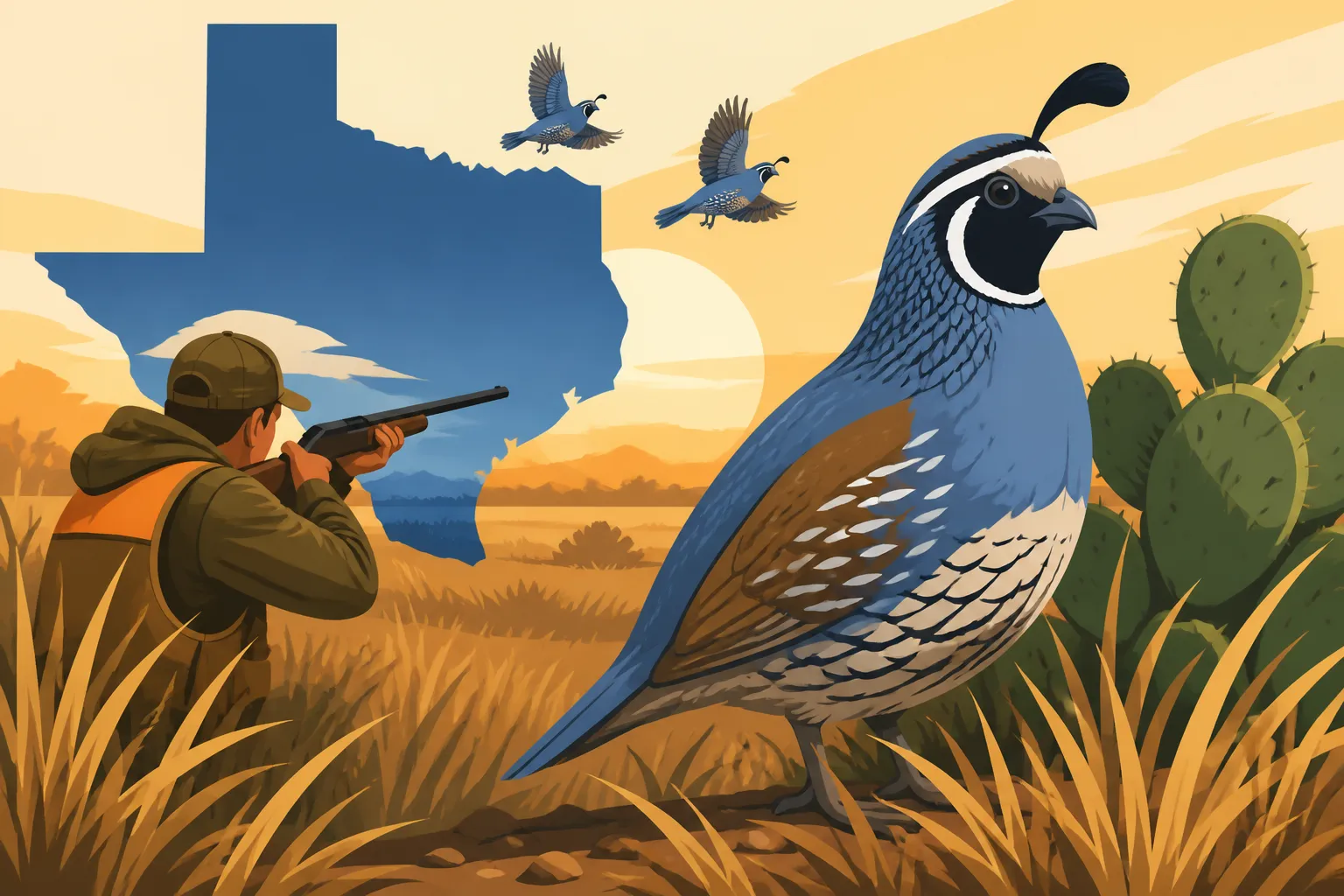
- Coloration: As their name suggests, blue quail have a bluish-gray plumage on their head, neck, and breast, fading to a scaly pattern on their flanks. Males often have a distinct dark brown or black patch on their belly. The back and wings are mottled with brown and black.
- Head: They have a prominent, white-tipped crest (or "cottontop") that gives them their other common name. Bobwhites, in contrast, have a more defined facial pattern with white stripes and usually a shorter, less pronounced crest.
- Flight: When they do fly, their wingbeats are rapid, and they often glide for short distances, whereas bobwhites typically have a more direct, buzzing flight.
Behavioral Differences:
- Running vs. Flushing: This is the most significant differentiator. Blue quail almost always run first, often for considerable distances, making them notoriously hard to get to flush. Bobwhites are much more inclined to hold tight and flush explosively from cover.
- Habitat Preference: Blue quail prefer open, arid, thorny brush country and rocky terrain. Bobwhites favor denser, taller grassy cover and field edges.
- Covey Size: Blue quail coveys tend to be larger than bobwhite coveys, sometimes numbering 50 birds or more, especially late in the season.
Understanding these differences will help you adjust your approach. You won't use the same tactics for a covey of running blue quail as you would for a tightly holding covey of bobwhites in a grain field.
Essential Gear and Setup for Blue Quail Hunting
Hunting blue quail isn't just about knowing their habits; it's also about being properly equipped for the challenging terrain and their elusive nature. The right gear can make the difference between a frustrating trek and a rewarding hunt.
Shotguns, Loads, and Choke Choices
When it comes to shotguns for blue quail, versatility is key. Since blue quail often flush at longer distances after running, or can erupt unexpectedly from sparse cover, a shotgun that handles well and allows for quick target acquisition is ideal.
- Gauge: A 12-gauge or 20-gauge shotgun is typically preferred. The 20-gauge is a great choice for lighter weight, which you'll appreciate during miles of walking, while still offering plenty of knockdown power. Some hunters even opt for a 28-gauge for a lighter gun, especially if they are confident in their shooting.
- Action: Over-and-under, side-by-side, or semi-automatic shotguns are all popular. Semi-autos offer faster follow-up shots, which can be beneficial when a large covey flushes and scatters.
- Choke: This is where understanding blue quail behavior really comes into play. For the first shot on a flushing covey, an improved cylinder (IC) or modified (MOD) choke is generally recommended. Since they often flush a bit wild and spread out quickly, a more open choke allows for a wider shot pattern. If you're expecting closer shots or need to take a second shot at a bird that's further out, a modified choke can offer a good balance. A double-barrel shotgun allows for the flexibility of two different chokes, say IC in the first barrel and MOD in the second.
- Ammunition: For blue quail, 7 ½ or 8 shot is the standard choice. These smaller shot sizes provide a dense pattern that's effective on these relatively small birds without excessive pellet count. Make sure to carry enough shells, as you might take more shots than you expect, especially when a large covey flushes in multiple directions.
The Role of Good Hunting Dogs
While you can walk up blue quail without dogs, having a well-trained bird dog significantly increases your chances of success and makes the hunt far more enjoyable. Dogs are invaluable for both finding coveys and retrieving downed birds, especially in thick, thorny cover where a fallen bird can vanish in an instant.
- Breed Selection: Pointers and setters are excellent choices for their scenting abilities and natural instincts to locate and point birds. Breeds like German Shorthaired Pointers, English Pointers, Brittanys, and even some versatile retrievers like Labs can excel. What's most important is a dog with good endurance, a strong nose, and the drive to work in challenging conditions.
- Training for Blue Quail: Training for blue quail is different than for bobwhites. Your dog needs to learn to handle running birds. They need to be steady to wing and shot, but also aggressive enough to get ahead of the running covey to try and pin them down for a flush. Some handlers train their dogs to "head off" a running covey, forcing the birds to eventually hold or flush.
- Protection: The arid Texas habitat is tough on dogs. Prickly pear, mesquite thorns, and sharp rocks can cause serious injury to pads and legs. Invest in good quality dog boots or protective vests for your canine companion. Regular checks for burrs and thorns are essential, and always carry plenty of water for your dog, especially on warm days. A well-conditioned dog is paramount for these types of hunts.
Footwear, Apparel, and Navigation Tools
The right personal gear isn't just about comfort; it's about safety and endurance when chasing blue quail across the demanding Texas landscape.
- Footwear: This is perhaps the most critical piece of personal gear. You'll be covering miles over uneven, rocky, and often thorny terrain. Sturdy, comfortable, and well-broken-in snake boots or snake gaiters over hiking boots are non-negotiable. Look for boots with excellent ankle support and a stiff sole to protect your feet from sharp rocks and thorns. Brands like LaCrosse or Irish Setter are popular among Texas hunters. For a deeper dive into protecting yourself, check out Best Snake Boots for Texas Hunting.
- Apparel: Layers are key for Texas weather, which can swing dramatically. Start with moisture-wicking base layers, and add a durable, breathable outer layer that can withstand thorns and brush. Camouflage isn't as critical as it is for deer, but earth tones or brush patterns are fine. The most important thing is quiet, comfortable clothing that allows for full range of motion. Don't forget a wide-brimmed hat to protect from the sun.
- Navigation Tools: Blue quail country can be vast and disorienting. A GPS device or a reliable hunting app like onX Hunt or HuntStand is essential for navigation, marking covey flushes, and keeping track of your position relative to property lines. These apps can also help you scout terrain features from home. Carrying a physical map and compass as a backup is always a good idea. Remember, cell service can be spotty in remote areas, so downloaded maps are a must.
- Water and Hydration: Texas is hot, even in the cooler hunting months. Carry significantly more water than you think you'll need, both for yourself and your dog. A hydration pack is often more convenient than water bottles. Electrolyte supplements can also be beneficial to prevent dehydration and cramping during long hunts.
- Other Essentials: A good hunting vest or backpack for carrying shells, snacks, a first-aid kit (for both you and your dog), a whistle for your dog, and a small game bag for your birds are all important. Sunscreen and insect repellent can also be very helpful. When thinking about general readiness, consider useful articles like Best Hunting Gear for Beginners in Texas By Budget.
Effective Blue Quail Hunting Tactics
Now that you know where to find them and what to wear, let's talk about the nitty-gritty: actually hunting blue quail. These birds present a unique challenge, often requiring a blend of persistence, strategic movement, and quick reflexes.
Walking Up vs. Dog Hunting Strategies
The choice between walking up blue quail or using dogs largely depends on your personal preference, dog availability, and the specific terrain you're hunting. Both methods have their merits and drawbacks when dealing with the notoriously evasive blue quail.
-
Walking Up (Without Dogs): This method requires immense patience and keen observation. You'll need to walk slowly and deliberately, constantly scanning the ground ahead for movement. Blue quail often prefer to run and hide rather than flush, so you might walk right past a covey without knowing it.
- Strategic Approach: Focus on areas with good cover-to-open ground transitions, like the edges of thorny brush lines or dry washes. Walk into the wind if possible, as it helps carry scent and makes it harder for the birds to detect your approach. Zigzagging through likely areas can help you cut off running birds.
- The "Stop and Go" Tactic: Periodically stopping for a minute or two can often make blue quail nervous enough to flush, or at least reveal their position as they continue to run. Many experienced hunters swear by this method.
- The Challenge: The biggest frustration with walking up blue quail is that they can run for hundreds of yards without ever flushing, making it feel like an endless chase. Retrieval of downed birds in thick cover without a dog can also be incredibly difficult, leading to lost game.
-
Dog Hunting Strategies: Using well-trained dogs is generally the most effective and enjoyable way to hunt blue quail. Dogs can cover more ground, locate scent trails that you'd never see, and are invaluable for forcing a flush and retrieving.
- Working the Wind: Allow your dogs to work into the wind, quartering across the terrain. Their superior sense of smell will pick up the scent of running coveys.
- Anticipating the Run: Since blue quail love to run, your dogs need to be able to "handle" them. This often means working quickly to get ahead of the running birds, or pushing them towards a natural barrier where they might finally hold or flush.
- Flushing Strategy: Once dogs go on point, approach quickly but cautiously. Be ready for an immediate flush, but also anticipate that the birds might break and run again. Move in a way that tries to cut off their escape route. When the covey does flush, mark a bird and take your shot. Immediately after the shot, focus on marking where other birds from the covey landed, as they will likely land and start running again. This post-flush strategy is key to getting follow-up shots on singles or smaller groups. This is a critical distinction from hunting bobwhites, where birds often hold tighter after the initial flush.
Scouting and Approaching Blue Quail Coveys
Successful blue quail hunting often begins long before you step foot in the field with a shotgun. Effective scouting and a strategic approach are crucial for these wily birds.
- Pre-Season Scouting: Drive dirt roads and look for tracks in dusty areas, especially near water sources or dense cover where birds might be seeking shade. Look for dust baths, droppings, and discarded feathers. Listening for their distinctive "sqwark" or "chi-ca-go" call in the early mornings or late evenings can also give away their general location. Understanding the specific land you're hunting, whether it's a private Hunting Leases in Texas: Complete Guide (Cost & How to Find) or public land from the Public Hunting in Texas: WMAs & Annual Public Hunting Permit, will give you a leg up.
- Locating Coveys: In-season, look for birds near water in the early morning, or around prickly pear patches later in the day. Their preference for running means you often see them darting across openings before they disappear into cover.
- Approaching a Covey: Once you've located a covey, either by seeing them, hearing them, or with your dogs on point, the approach is critical.
- Stealth and Speed: If walking, try to approach quietly, using terrain features for cover. However, if your dogs are on a running covey, you might need to move quickly to keep up and get into a shooting position before the birds get too far ahead.
- Pinning Them Down: The goal is to get the birds to stop running and ideally hold long enough for a flush. Dogs are invaluable here, as their presence often makes the birds more likely to hold. If you're without dogs, try to get in front of their suspected path of travel or use a "pincer" movement with a hunting partner if the terrain allows.
- Reading the Birds: Pay attention to how the birds are reacting. Are they still running hard? Are they slowing down and trying to sneak into thicker cover? Adjust your approach based on their behavior.
Post-Flush Strategy and Recovery
The shot is only half the battle with blue quail; what happens immediately after the covey flushes and you take your shot is equally, if not more, important.
- Marking the Fall: When a blue quail is shot, it's crucial to mark its fall precisely. These birds can be incredibly hard to find in the dense, thorny brush even when they drop right in front of you. Pick a landmark – a distinctive mesquite tree, a large rock, a certain prickly pear clump – and walk directly to that spot.
- Following the Runners: Blue quail rarely fly far and usually hit the ground running. As soon as you take your shot, note the direction the rest of the covey flew (or ran). If you didn't drop a bird, or if you want to pursue more, you'll need to follow them. They will often regroup into smaller "splits" after the initial flush.
- Working the Splits: These smaller groups of birds are often less wary and may hold tighter than the original covey. This is where you can often get your best shooting opportunities. Systematically work the area where you saw the birds land, often in a wider circle or grid pattern. Keep your dogs working the scent trails.
- Patience and Persistence: Blue quail hunting demands a high degree of patience. You might walk for miles for a few shots, or you might find yourself in a flurry of activity. Don't get discouraged if the birds seem to vanish into thin air. Keep walking, keep looking, and keep your dog's nose to the ground. The reward of a bag of blue quail, known for their tender meat, is well worth the effort.
Regulations, Season, and Conservation
Understanding the rules and seasons is paramount for any hunter in Texas. Blue quail are no exception, and being informed ensures a legal and ethical hunt while also contributing to the species' long-term health.
Texas Blue Quail Season Dates and Bag Limits
Like all regulated game species in Texas, blue quail have specific hunting seasons and bag limits designed to manage populations sustainably. These regulations are subject to change annually, so always consult the most current Texas Parks and Wildlife Department (TPWD) Outdoor Annual before heading afield. You can also review the broader Texas Quail Season Dates & Limit for more context.
Typically, the blue quail season in Texas opens in the fall, often concurrently with bobwhite quail season, and runs through the winter months. This extended season allows ample opportunity to pursue these birds.
General Guidelines (always verify current year's regulations):
- Season Dates: Usually from late October/early November through late February. However, specific dates can vary by county or region, so double-check the TPWD Outdoor Annual for your specific hunting area.
- Daily Bag Limit: Historically, the aggregate bag limit for all quail species in Texas (blue, bobwhite, and scaled/gambel's) is 15 birds per day. This means you can harvest a mix of these species up to that total.
- Possession Limit: The possession limit is usually three times the daily bag limit, allowing hunters to accumulate birds over multiple days.
It's critical to remember that these are general figures, and the TPWD makes annual adjustments based on population surveys, environmental conditions (like rainfall, which heavily impacts quail numbers), and management goals.
Important Hunting Regulations to Know
Beyond season dates and bag limits, several other regulations apply to blue quail hunting in Texas. Failing to adhere to these can result in citations or loss of hunting privileges.
- Hunting License: A valid Texas hunting license is required for all resident and non-resident hunters, along with the Upland Game Bird Endorsement. You can find detailed information on costs and types in the Texas Hunting License: Cost, Types & How to Buy (2026) guide.
- Hunter Education: If you were born on or after September 2, 1971, you must complete an approved hunter education course or be exempt (e.g., supervised by a licensed hunter).
- Legal Means and Methods:
- Shotguns: Only shotguns no larger than 10 gauge are allowed.
- Ammunition: Only lead shot is permitted for upland game birds.
- Hours: Legal shooting hours are generally from one-half hour before sunrise to one-half hour after sunset.
- Bagging: You must immediately make a reasonable effort to retrieve all downed birds.
- Private vs. Public Land: Always have permission to hunt on private land. If hunting on public land (like certain WMAs), you'll need the Annual Public Hunting Permit and must abide by any specific rules for that WMA.
- Vehicle Use: While it might be tempting to chase running quail in a vehicle, it is generally illegal to hunt from a motor vehicle on public roads or in a manner that harasses wildlife. Stick to foot power.
Staying updated on all regulations by reviewing the TPWD Outdoor Annual annually, or online through the TPWD website, is the best way to ensure a legal and enjoyable hunt. For a comprehensive look at all species, consult Texas Hunting Seasons: Complete Calendar by Species.
Supporting Quail Conservation Efforts
The health of blue quail populations, like all wildlife, relies heavily on conservation efforts. Hunters play a vital role in funding and participating in these initiatives.
- Habitat is Key: The primary driver of quail populations, whether bobwhite or blue, is habitat. Factors like prolonged drought, overgrazing, and habitat fragmentation due to development can severely impact blue quail numbers. Blue quail need diverse brushy cover for protection and nesting, and open areas for foraging.
- Hunter Funding: Your purchase of hunting licenses and endorsements directly funds conservation and management programs through the "user pay, public benefit" model. A portion of these funds goes towards habitat restoration, research, and law enforcement for quail and other wildlife.
- Organizations: Several non-profit organizations are dedicated to quail conservation in Texas, such as the Quail Coalition and Quail Forever. Supporting these groups through membership or donations helps finance on-the-ground habitat projects, research into population dynamics, and educational programs.
- Landowner Partnerships: Many conservation efforts involve working with private landowners, who control the vast majority of land in Texas. Programs like the Managed Lands Deer Program (MLDP) and various federal initiatives can assist landowners in implementing beneficial habitat practices that also aid quail.
- Ethical Hunting: Beyond legal compliance, ethical hunting practices contribute to conservation. This includes responsible harvesting within limits, preventing waste, and respecting the land and other wildlife. By being a responsible steward of the land and its resources, hunters ensure that future generations can also experience the unique challenge and thrill of hunting blue quail in the great state of Texas.
Disclaimer
Please remember that hunting regulations and conditions in Texas can change. Always consult the most current Texas Parks and Wildlife Department Outdoor Annual and local regulations before planning any hunting trip. This guide is for informational purposes only and should not be considered a substitute for official legal documents or professional advice.