Elk Hunting in Texas: Cost & Where
Many Texans dream of pursuing elk, picturing vast mountain landscapes and bugling bulls, but when they start looking into "elk hunting in Texas," they often run into a wall of confusion. It's not like deer or hog hunting here, and the reality can be quite different from what you might expect. This guide is going to clear up all that confusion, detailing exactly where you can hunt elk in the Lone Star State, what it's likely to cost you, and what kind of experience you can genuinely anticipate.
Understanding Elk Hunting in Texas: The Exotic Game Difference
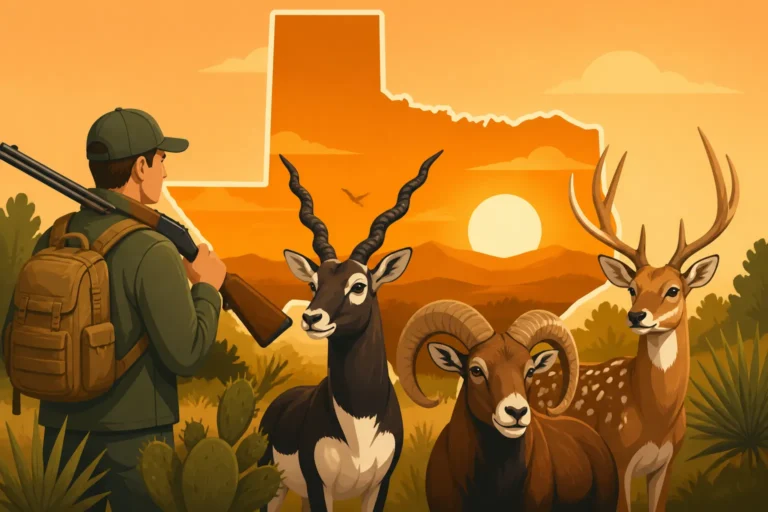
Let's get one thing straight right from the start: hunting elk in Texas isn't anything like chasing a wild elk herd through the Rockies or the vast wilderness of New Mexico. When we talk about elk in Texas, we're almost exclusively talking about animals managed as exotic livestock on private hunting ranches. This is a crucial distinction that shapes every aspect of the hunt, from legality to cost and the overall experience.
The Non-Native Status of Texas Elk
Historically, small populations of Merriam's elk, a subspecies of elk, once roamed parts of West Texas, particularly in the Guadalupe Mountains. However, these native populations were extirpated by the early 20th century due to overhunting and habitat loss. Today, any elk you find in Texas are descendants of animals introduced to private lands, primarily for hunting purposes. They are not considered "native game animals" by the Texas Parks and Wildlife Department (TPWD) in the same way white-tailed deer or mule deer are. This classification as exotic livestock has significant implications.
For one, it means there are no designated "elk seasons" in Texas, nor do you need specific elk tags. The general rules for hunting exotic animals apply, which usually means you can hunt them year-round, often without the need for a traditional hunting license if you're hunting on private property where you have landowner permission. However, it's always smart to have a valid Texas hunting license, just in case, especially if you plan to combine your elk hunt with other exotic or native species. This also means CWD (Chronic Wasting Disease) regulations, which are strict for native deer, don't apply to exotic elk in the same way, though ethical ranches will still have health protocols. You can learn more about Do Exotics Require a Hunting License in Texas?.
Why Elk are Classified as Exotics
The classification of elk as exotics stems from their introduction to private lands as a commercial venture. Landowners brought in elk, often from other states, to offer a unique hunting experience and diversify their ranching operations. These animals are typically contained within high-fenced enclosures, which can range from a few hundred to tens of thousands of acres. While some might dismiss this as "canned hunting," many Texas exotic ranches offer challenging hunts over vast, rugged terrain that truly simulates a fair chase experience. The sheer scale of some of these properties means you're still doing plenty of scouting and tracking, making it far from shooting fish in a barrel. The distinction is less about the difficulty and more about the management and legal framework.
Where to Find Elk Hunting Opportunities in the Lone Star State
Since elk hunting in Texas is almost exclusively a private ranch affair, the "where" really boils down to finding the right outfitter or landowner who offers these hunts. While you won't be heading to a National Forest looking for public land elk, there are specific regions in Texas known for their abundance of exotic game ranches.
Primary Regions for Exotic Game Ranches
The vast majority of exotic game hunting, including elk, takes place in the Texas Hill Country and South Texas. These regions boast suitable terrain, generally good forage, and a long-standing tradition of game ranching.
- Hill Country: Counties like Kerr, Real, Mason, and Gillespie are dotted with high-fence ranches offering a variety of exotics. The rolling hills, cedar breaks, and live oak mottes provide excellent cover and a challenging hunting environment. You might find yourself Hill Country Hunting in Texas for axis deer, aoudad, or even red stag, alongside elk.
- South Texas: The famed "Brush Country" of South Texas, including counties such as Webb, La Salle, and Dimmit, is legendary for its South Texas Trophy Whitetail: Brush Country Bucks, but it's also home to numerous exotic ranches. The dense, thorny brush and vast expanses make for intense spot-and-stalk opportunities.
While less common, some exotic game ranches can also be found in the Trans-Pecos region, offering a more rugged, desert-like backdrop for your hunt, and occasionally in the Pineywoods or Post Oak Savannah where large private landowners operate.
Finding Reputable Outfitters
Choosing the right outfitter is paramount for an ethical and successful Texas elk hunt. Unlike public land hunts where you're on your own, a guided ranch hunt means you're relying heavily on the outfitter's knowledge, integrity, and management practices. You'll want to look for operations that emphasize fair chase, responsible animal management, and transparent pricing.
Many hunters start their search through online directories, hunting forums, or by word-of-mouth. Websites like GoHunt offer a wealth of information and resources for hunters, including potential leads on outfitters specializing in exotic game in Texas. When researching, pay close attention to reviews, testimonials, and the details provided in their hunting packages. Don't be shy about asking for references from past clients. A good outfitter will be happy to provide them and answer all your questions about their property, hunting methods, and animal quality. Look for a ranch that has sufficient acreage to allow the animals to roam and display natural behaviors, making the hunt more engaging and satisfying. For more details, you might consider how to find Hunting Leases in Texas: Complete Guide (Cost & How to Find), which can sometimes include exotic hunts.
Deciphering the Cost of a Texas Elk Hunt
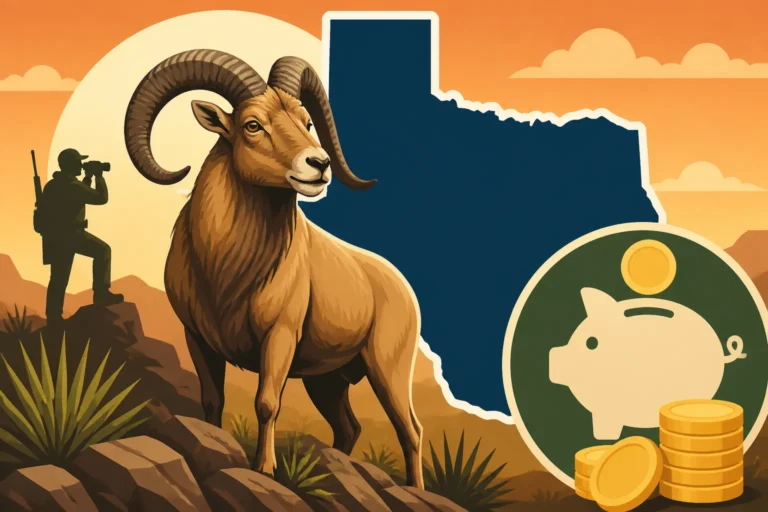
Now, for the question on everyone's mind: "How much does it cost?" This is where Texas exotic elk hunting truly differs from traditional public land hunts in Western states. There are no lottery draws for tags, but there are significant costs associated with hunting privately managed trophy animals. The price can vary wildly depending on the size and quality of the elk you're pursuing, the reputation of the ranch, and what's included in the package.
Key Cost Factors
Here’s a breakdown of the typical costs you can expect to encounter when booking an elk hunt in Texas:
- Trophy Fee: This is the most substantial cost. It's the price you pay for the animal itself, often determined by its antler size (e.g., scoring system like Boone & Crockett or SCI). A management bull might be significantly less than a prime trophy bull.
- Daily Rate: This covers your lodging, meals, and guide services for each day you're on the ranch. It's usually a per-person, per-day charge.
- Guide Fees/Tips: While guiding is often included in the daily rate, it's customary to tip your guide for their hard work and dedication.
- Processing and Taxidermy: After the hunt, you'll need to pay for the processing of the meat and, if you choose, the taxidermy work for your trophy. Many ranches have arrangements with local processors or taxidermists.
- Travel Expenses: Don't forget the cost of getting to the ranch, whether it's fuel for a long drive or airfare.
- Gratuities for Staff: Beyond the guide, if there are cooks or other ranch staff who made your stay enjoyable, a small tip is a nice gesture.
Price Ranges for Texas Elk Hunts
To give you a realistic idea, here's a general breakdown of what you might expect to pay:
| Elk Quality / Type | Typical Trophy Fee Range | Daily Rate (per hunter) | Total Estimated Cost (3-day hunt) |
|---|---|---|---|
| Management Bull / Cow | $2,000 – $4,500 | $300 – $600 | $2,900 – $6,300 |
| Mid-Range Trophy Bull | $5,000 – $9,000 | $300 – $600 | $5,900 – $10,800 |
| Premium Trophy Bull | $10,000 – $18,000+ | $400 – $800+ | $11,200 – $20,400+ |
Note: These are estimated ranges and can fluctuate based on the specific ranch, inclusions, and market conditions. Always get a detailed quote.
A "management bull" or "cow elk" hunt will be on the lower end, often around $2,000 to $4,500 for the animal itself, plus daily rates. For a solid trophy bull, expect to pay anywhere from $5,000 to $9,000 for the trophy fee alone. If you're looking for a truly massive, record-book caliber bull, the trophy fee can easily climb to $10,000, $15,000, or even $20,000 or more, plus your daily rates. A typical hunt duration might be 2-3 days, so factor in those daily costs as well. A reputable outfitter will have very clear pricing structures and will be able to tell you exactly what score range corresponds to which price tier.
Compared to drawing a tag in a Western state, which might cost a few hundred dollars for the tag itself, the upfront cost for a guaranteed Texas exotic elk hunt is significantly higher. However, you're paying for convenience, a high success rate, and often a very comfortable hunting experience with dedicated guides and amenities.
Your Texas Elk Hunting Experience: Expectations and Preparations
So, you've weighed the costs and decided to book a Texas elk hunt. What should you expect when you arrive, and how can you best prepare to make the most of your adventure?
The Hunt Itself: Tactics and Terrain
Most Texas elk hunts on private ranches involve a combination of tactics, often dictated by the terrain and the specific ranch management. You'll commonly find:
- Spot-and-Stalk: This is a popular and challenging method, especially on larger ranches with diverse topography. Your guide will use optics (binoculars, spotting scopes) to locate elk, and then you'll strategize an approach on foot, using terrain and vegetation for cover. This method truly gets your heart pumping and makes for an exciting hunt, reminiscent of Spot-and-Stalk Hunting in Texas (Exotics & Mule Deer).
- Blind Hunting: Some ranches might utilize fixed blinds, similar to those used for deer hunting, often overlooking food plots, feeders, or water sources. While less active than stalking, it can be a comfortable and effective way to intercept animals, especially if you're hunting during warmer parts of the year or prefer a more stationary approach. For inspiration, check out Box Blind vs Tripod vs Ground Blind in Texas.
- Vehicle-Assisted Scouting: Guides will often use vehicles (trucks, UTVs) to cover large areas of the ranch quickly, spotting animals from a distance. The actual stalk, however, will always be on foot.
Remember, even though these are ranch-raised animals, they are still wild and wary. They have keen senses and live in large enclosures, so a successful hunt will still require skill, patience, and good shot placement.
Essential Gear for Your Texas Elk Hunt
While elk in Texas aren't facing the same extreme mountain conditions as their Western counterparts, you'll still want to be well-prepared with appropriate gear.
- Rifle and Ammo: For elk, a powerful rifle chambered in calibers like .300 Win Mag, .30-06, 7mm Rem Mag, or even .338 Win Mag is highly recommended. These calibers offer the knockdown power needed for a large animal like an elk. Practice extensively with your chosen rifle and ammunition before the hunt. Make sure you have a reliable Best Rifle Scope for Texas Deer Hunting that can handle magnum recoil and deliver precision.
- Optics: Good binoculars (10×42 or 10×50) are indispensable for scouting and spotting. A rangefinder is also critical for accurate shot placement. If you're hunting in low light, a quality rifle scope with good light-gathering capabilities is a must.
- Clothing: Dress in layers suitable for Texas weather, which can be unpredictable. Early fall hunts might be warm, while winter hunts can be surprisingly cold, especially in the mornings and evenings. Durable hunting boots are essential for traversing varied terrain. Consider snake boots or gaiters, especially in the warmer months, as the Texas brush is home to several venomous snake species.
- Backpack: A comfortable daypack to carry water, snacks, extra layers, and basic field dressing supplies.
- Cooler: While ranches will often have facilities for initial processing and cold storage, bringing a large, high-quality cooler like a YETI or similar brand will be crucial for transporting your meat home. You'll want to keep that precious elk meat cool, especially if you plan to travel a long distance. Check out Best Coolers for Texas Hunting (Yeti & Alternatives).
GoHunt, as a brand, also often features gear reviews and recommendations that could be helpful in selecting appropriate equipment for an exotic hunting trip, ensuring you have the right tools for the job.
When to Hunt Texas Elk
One of the benefits of hunting exotics in Texas is the lack of a traditional "season." You can generally hunt elk year-round. However, many hunters prefer to book their trips during certain times for various reasons:
- Rut (August-October): This is often the most exciting time to hunt, as bulls are bugling and more active, making them easier to locate. The rut usually peaks in September to early October for elk, mimicking their native habitats. While Texas heat can still be a factor, it's a thrilling time to be in the field.
- Cooler Months (November-February): For those who prioritize comfortable weather over the excitement of the rut, the cooler fall and winter months are ideal. You avoid the intense Texas summer heat, making tracking and physical exertion much more manageable. This is also when most native deer seasons are open, allowing for potential combo hunts.
- Year-Round Availability: Regardless of the time of year, outfitters typically have elk available, so you can schedule your hunt when it best suits your personal calendar.
Always communicate with your chosen outfitter about the best time to achieve your specific hunting goals, whether that's a rut hunt, a management cull, or a prime trophy opportunity. The flexibility is a huge advantage of exotic hunting in Texas.
Disclaimer
Please remember that hunting regulations and practices can change. Always consult the latest rules and guidelines from the Texas Parks and Wildlife Department (TPWD) and directly confirm all details with your chosen hunting outfitter or landowner before planning any hunt. This guide is for informational purposes only and should not be considered legal advice.