Hunting Over Feeders & Corn in Texas (Legal Guide)
Setting up a deer feeder and slinging golden grain across a brushy clearing is a time-honored Texas tradition, but navigating the line between legal hunting and unintentional wildlife violations can leave even seasoned leaseholders stressed. From shifting Chronic Wasting Disease containment boundaries to public land prohibitions, staying legal takes constant vigilance. This comprehensive guide details the precise rules, equipment setups, and tactical methods for hunting over feed legally across the Lone Star State.
The Legal Foundation of Baiting Deer and Game in Texas
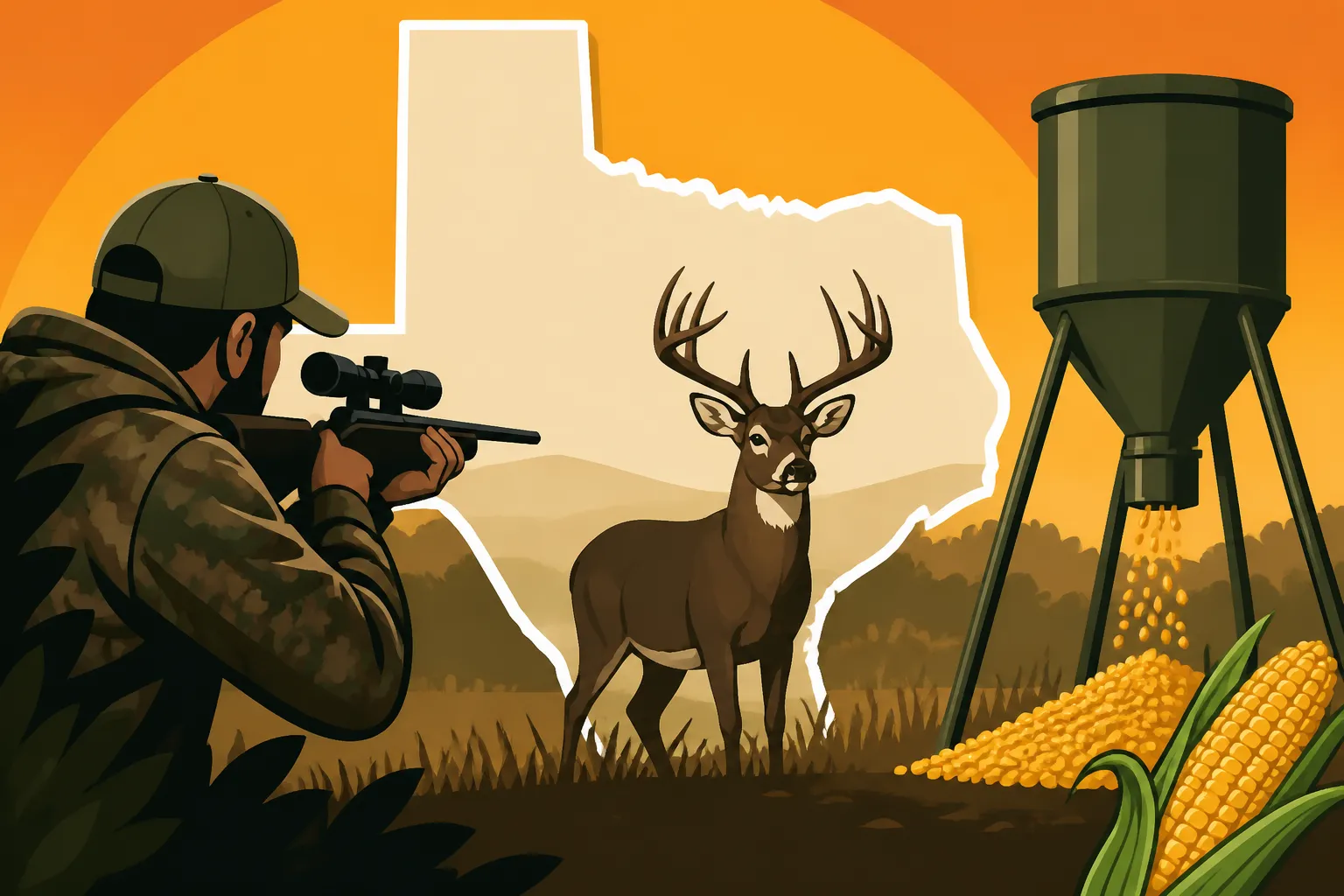
There is a common saying among Lone Star hunters that corn makes the Texas hunting world go ’round. For generations, the hum of a spin feeder throwing corn at sunrise has been the unofficial alarm clock for deer camps from the Pineywoods to the South Texas brush country. However, many hunters coming from out of state—or those stepping foot onto new acreage—often ask the fundamental question: Is It Legal to Hunt Over Corn in Texas? The short answer is yes on private land, but the full answer involves a web of property distinctions, game classifications, and local regulations that every hunter must understand before filling a single hopper.
Understanding where you stand on the land is the first step toward staying compliant. Texas is overwhelmingly composed of private land, where landowners and leaseholders enjoy broad freedoms regarding wildlife management and feed placement. On private property, baiting white-tailed deer, feral hogs, exotic game, and upland birds like mourning dove or quail with agricultural grains, protein pellets, and mineral blocks is entirely legal under state wildlife codes. You can place a blind ten yards or a hundred yards from a feeder, and there is no mandatory distance requirement between your stand and your bait on private ground, provided you are legally hunting the target species within open season dates and conforming to local antler restrictions.
Public land, however, is an entirely different story. If you hold an annual public hunting permit and step onto a Wildlife Management Area (WMA), National Forest, or U.S. Army Corps of Engineers tract in Texas, the rules shift dramatically. The Texas Parks and Wildlife Department (TPWD) strictly prohibits the broadcast of corn, grain, or processed bait on almost all public hunting lands to prevent disease transmission, reduce unfair harvest advantages, and keep public ecosystems as natural as possible. Introducing feed onto public tracts can result in class C misdemeanor citations, confiscation of gear, and immediate revocation of your public hunting privileges.
Private Land vs Public Land Baiting Rules
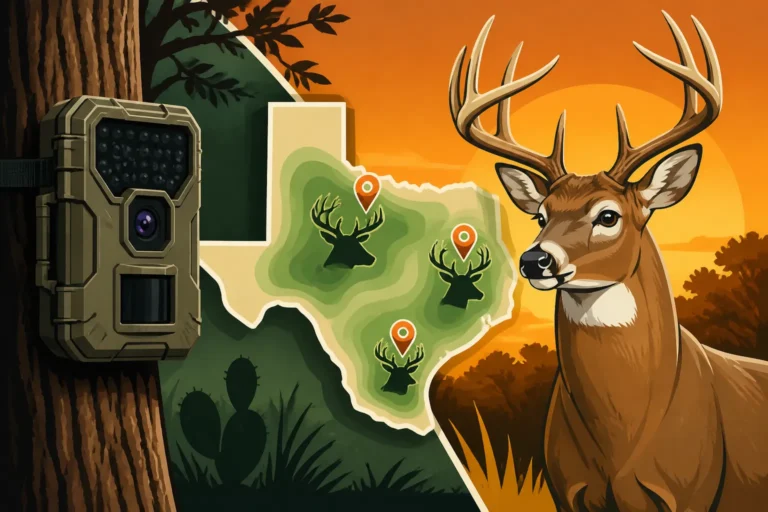
When you step onto a private ranch lease in Llano County or a high-fenced spread in Webb County, the law treats grain feeders as valid management tools. You are free to establish automated spin feeders, gravity feeders, trough feeders, and salt blocks. The state permits baiting on private property because supplemental feed helps landowners manage population distributions, inventory bucks via trail cameras, and meet harvest goals necessary to maintain healthy herd ratios.
Conversely, public lands managed by state or federal agencies operate under strict “leave no trace” principles. Bringing a bag of deer corn onto a public tract—even if you intend to just scatter a handful around a tripod blind—is illegal. Wildlife managers on public lands rely on natural browse, oak mast crops, and habitat manipulation rather than artificial feeding. Always read the specific WMA or National Forest public hunting booklet before carrying any attractant across a public boundary, as exemptions are virtually non-existent.
It is also vital to distinguish between game animals and migratory birds when sitting near a feeder. While you can sit over corn to harvest a whitetail buck or shoot feral hogs all day long, migratory waterfowl like ducks and geese cannot be legally hunted over corn or scattered grain anywhere, even on private property. Federal baiting laws strictly prohibit taking migratory waterfowl in areas where grain or other feed has been placed to attract them, creating a crucial legal boundary every multizone lease hunter must respect.
Legal Species for Baiting and Feeder Use
While whitetail deer are the primary target for Texas feeder setups, they are far from the only game you can hunt over bait. Feral hogs, which cause hundreds of millions of dollars in agricultural damage across the state every year, are unrestricted when it comes to baiting on private land. You can pile corn, pour sour grain mixtures, or scatter sweet attractants to draw hogs into shooting range day or night. Exotic species such as Axis deer, Blackbuck antelope, Aoudad sheep, and Fallow deer can similarly be targeted over feeders year-round on private ranches without seasonal limits.
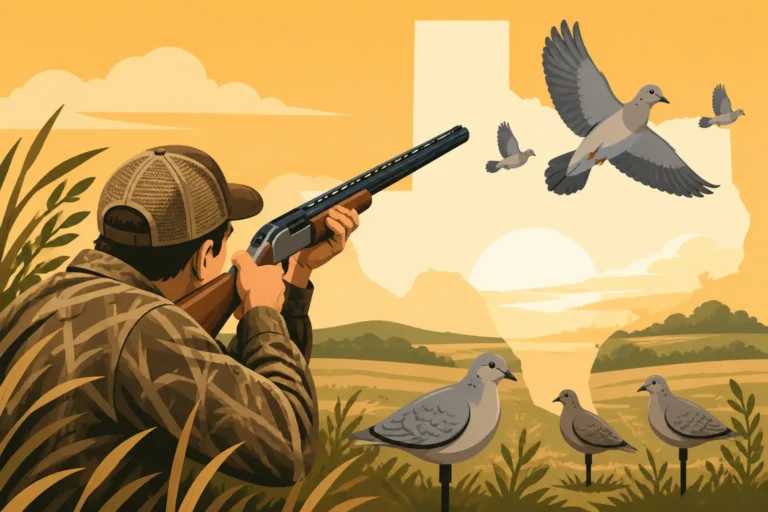
Game birds like Rio Grande turkeys and bobwhite quail can also be hunted near feeders on private land, provided you are using standard legal harvest methods during open seasons. However, hunters targeting doves must pay close attention to federal and state baiting definitions. Mourning and white-winged doves may be hunted over manipulation of normal agricultural crops—such as a shredded sunflower or sesame field—but intentionally dumping bags of commercial corn directly onto the ground to shoot doves over the pile constitutes illegal baiting under migratory bird laws.
Understanding these subtle species distinctions keeps you off the warden’s radar. If you are sitting in a box blind overlooking a corn feeder with a shotgun loaded with birdshot during dove season, a passing warden may scrutinize your setup closely. Ensuring that your harvest intent, firearm choice, and feed layout match the specific legal framework for the game animal you are targeting is the best way to prevent misunderstandings in the field.
How Texas Game Wardens Enforce Baiting Laws
Texas Game Wardens are renowned for their deep knowledge of local terrain, tracking ability, and keen observation skills. Enforcement of feeder and baiting laws typically relies on aerial surveillance, trail monitoring, public tips, and routine field checks. Wardens often patrol lease roads, river corridors, and boundary lines during peak morning and evening hunting hours, watching for illegal feeding practices on public property or baiting violations related to migratory waterfowl.
When inspecting a lease setup, a game warden checks multiple points of compliance. They will verify that the feed being used is clean and free of prohibited additives if operating within specific disease monitoring zones. They will also inspect your hunting license, mandatory endorsements, harvest log, and valid tags. If you are hunting near a property line, wardens may verify that feed broadcast patterns do not spill over onto neighboring properties where permission has not been granted.
Transparency and honesty are your best assets during a warden check. If a warden approaches your blind or camp, greet them respectfully and present your documentation clearly. Knowing that your feeder is set up entirely within state guidelines allows you to welcome field checks with total confidence, proving that your lease operates at the highest standards of fair chase and legal compliance.
| Land Type / Game Category | Feeders Allowed? | Legal Bait Types |
|---|---|---|
| Private Land (Whitetail & Exotics) | YES | Corn, Protein Pellets, Minerals |
| Private Land (Feral Hogs) | YES | Sour Grain, Corn, Attractants |
| Private Land (Migratory Waterfowl) | NO | Natural Vegetation / Crops Only |
| Public Land (WMAs & Forests) | NO (Strictly Prohibited) | None |
| CWD Containment Zones (Private) | YES (Subject to Local Directives) | Approved Grains / Clean Feeds |
Chronic Wasting Disease Restrictions and Feeder Regulations
Chronic Wasting Disease (CWD) has drastically reshaped wildlife management policies across North America, and Texas is no exception. As a neurological illness affecting cervids—including white-tailed deer, mule deer, elk, and red stag—CWD spreads through misfolded proteins known as prions. Because prions are shed in saliva, urine, feces, and velvet, locations where deer congregate densely, such as corn feeders and mineral licks, present a heightened risk for localized disease transmission.
To combat the spread of CWD, TPWD has established specialized CWD Containment Zones, Surveillance Zones, and mandatory check stations across various regions of the state. These zones frequently change as wildlife biologists conduct testing and discover new positive cases. It is the personal responsibility of every leaseholder and hunter to regularly review CWD Zones in Texas: Map & Restrictions before dropping a bag of corn into a hopper or setting up a new feeding station.
While CWD regulations severely restrict carcass transport and require mandatory testing in designated areas, many hunters wonder how these rules impact their ability to run feeders. In most Texas CWD zones on private land, running a traditional corn feeder remains legal, but specific handling, testing, and carcass disposal protocols are strictly mandated to prevent environmental contamination.
Understanding CWD Containment and Surveillance Zones
TPWD designates CWD Containment Zones in areas where the disease has been confirmed in free-ranging or captive deer herds. Surveillance Zones are established in buffer areas surrounding containment zones or where high-risk factors exist. In both types of zones, special regulations apply to hunter harvest reporting, deer carcass movement, and live deer transport.
If your lease falls within one of these designated zones, you must bring any harvested deer to a designated TPWD check station or self-serve drop box for mandatory tissue sampling. Biological technicians extract the retropharyngeal lymph nodes from the deer’s head to test for prions. Failure to submit harvested deer for CWD testing in mandatory zones constitutes a direct violation of Texas game laws and carries significant fines.
Understanding the boundaries of these zones requires staying updated on official maps released prior to the opening of archery and general rifle seasons. A property that was outside a surveillance zone last year may be incorporated into one this year if a positive case is detected nearby. Always cross-reference your lease coordinates with official state shapefiles or map layers on your digital hunting app.
Regulations on Feeders Within CWD Management Areas
A common source of confusion among Texas leaseholders is whether artificial feeding is banned inside active disease zones. Hunters frequently ask: Can You Hunt Over Corn in CWD Zones? In Texas, private land baiting is generally permitted within CWD surveillance and containment zones unless a specific emergency order issued by TPWD or a local county directive explicitly bans supplemental feeding in that micro-region.
However, even where feeding remains legal, biologists strongly advise modifications to traditional feeding strategies inside CWD zones. Broadcast spin feeders that scatter small amounts of corn across a wide radius are preferred over gravity feeders or trough setups. Troughs and gravity tubes force multiple deer to place their muzzles into the exact same container, dramatically increasing salivation contact and prion transmission risks compared to wide-spread broadcast grain.
If you choose to run feeders in a CWD-affected area, keeping the area around the feeder clean and dry is essential. Avoid dumping huge piles of corn on damp ground where mold, rot, and concentrated saliva can accumulate. Regularly moving your spin feeder fifty to one hundred yards every few months can also mitigate long-term prion build-up in a single patch of dirt.
Carcass Movement and Feeder Sanitation Standards
Managing a lease in a CWD zone extends far beyond the feeder itself; it directly impacts how you process game harvested over those feeders. State rules strictly prohibit transporting intact deer carcasses out of a CWD Containment or Surveillance Zone. Before leaving the zone boundaries, hunters must quarter the animal and clean all brain and spinal cord tissue from the skull plate.
Legal carcass parts that can be transported outside a CWD zone include:
* Quartered meat with all spinal column bones removed.
* Deboned meat.
* Cleaned skull plates with antlers attached (no brain or soft tissue remaining).
* Tanned hides or capes with brain and spinal tissue fully removed.
* Finished taxidermy mounts.
Carcass disposal standards are equally critical for keeping lease feeding sites clean. Never dump deer viscera, bones, or head materials near an active deer feeder or water trough. Scavengers like coyotes, buzzards, and feral hogs can scatter infected bones across the pasture, allowing prions to bind to soil particles around your hunting setups. Always utilize designated carcass pits, landfill disposal options, or deep burial protocols on your lease.
Selecting and Positioning the Ideal Feeder Setup
Once you have established the legal framework for your acreage, putting together an effective feed site requires careful planning, hard work, and the right equipment. A poorly placed feeder can turn into a maintenance nightmare that clogs during rainstorms, feeds raccoons instead of deer, or spook mature bucks into nocturnal patterns. Designing a high-performance feeding system takes equal parts mechanical knowledge and woods-smart strategy.
Building the Best Deer Feeder Setup for Texas starts with evaluating your specific goals, budget, and access frequency. If you only visit your lease once every six weeks, a small 150-pound hanging feeder will leave your land empty of bait for long stretches, driving deer to neighboring properties. Conversely, investing in a 600-to-1,000-pound stand-and-fill metal feeder gives you the capacity to keep golden grain slinging consistently throughout the long autumn months.
Terrain factors across Texas vary immensely. In the dense mesquite thickets of South Texas, feed pens and heavy-duty broadcast units are essential to withstand brush conditions and feral hog pressure. In the rocky terrain of the Edwards Plateau, anchor lines and heavy footings are necessary to keep wind and heavy rain from tipping tripods over. Matching your equipment to your regional geography makes all the difference.
Spin Feeders vs Gravity and Protein Stations
The debate between spin feeders and gravity troughs comes down to your primary goal: attracting deer for hunting or building maximum antler growth through year-round nutrition. When evaluating a Corn vs Protein Feeder for Texas Deer, hunters quickly realize that both systems serve distinct, highly valuable functions on a well-managed lease.
Spin feeders are the undisputed kings of game attraction during open hunting seasons. Powered by a 6-volt or 12-volt battery paired with a digital timer, a spin feeder throws a metered amount of corn across a thirty-to-forty-foot circle at set times of day. This creates a conditioned response in local wildlife, encouraging deer to move toward the feeding clearing right as dawn breaks and before dusk settles.
Gravity feeders and protein stations, on the other hand, provide free-choice access to nutrient-dense pellets containing 16% to 20% crude protein. Protein feed is critical during the spring and summer antler-growing months and lactation periods for does. However, because protein pellets dissolve into paste when exposed to moisture, gravity feeders require specialized down-snouts, rain shields, and heavy maintenance. Many top-tier leases run spin feeders for autumn hunting alongside protected protein free-choice stations for year-round herd health.
Choosing Strategic Location and Shooting Lanes
Determining Where to Place a Deer Feeder for Best Results requires studying prevailing winds, natural bedding cover, travel corridors, and solar orientation. Placing a feeder in the middle of a barren, wide-open pasture might make for easy vehicle access when refilling corn bags, but mature, legal bucks will rarely step into such exposed locations during daylight hours.
Instead, tuck your feeder setup into a natural clearing edge surrounded by thick native cover, such as cedar breaks, live oak motts, or dense honey mesquite. Mature whitetails feel significantly more secure staging along brush transitions before committing to an open feeding zone. Ensure that your blind is positioned downwind of the dominant wind direction during the autumn hunting months—typically a North wind following cold fronts or a South/Southeast prevailing breeze in Central and South Texas.
Shooting lanes should be trimmed cleanly with hand saws or pruners, removing low-hanging branches that could deflect an arrow or bullet. Avoid clear-cutting massive, unnatural highways through the brush, as this alerts wise older bucks that something has changed in their environment. Create subtle, narrow lanes that funnel animal sightlines naturally toward the feed throw area without stripping away the thermal and concealment cover deer rely on.
Fine-Tuning Feeder Timers and Broadcast Duration
A feeder timer is the heart of your hunting setup. Setting your digital clock correctly determines whether deer move past your blind during legal shooting hours or become strictly nocturnal feeders. Studying the best Deer Feeder Timer Settings in Texas allows you to maximize corn efficiency while conditioning bucks to daylight habits.
Most Texas hunters program their timers for two primary throws per day: one early morning feed cycle and one late afternoon cycle. A standard baseline schedule involves throwing corn roughly 30 minutes before official sunrise and roughly 1.5 to 2 hours before official sunset. During the hot early season, morning throws should occur right at break of day when temperatures are coolest, while afternoon throws should happen close to sunset when shadows lengthen across the clearing.
The duration of the spin cycle controls how much corn drops per feed event. A standard 12-volt motor throwing for 4 to 6 seconds typically scatters roughly 1.5 to 3 pounds of corn per cycle. Throwing too much corn leaves piles lying on the ground overnight, attracting nocturnal hogs, raccoons, and javelinas while allowing deer to feed at midnight without competition. You want your feeder to throw just enough corn that deer clean up the grain within thirty to forty-five minutes of the spin cycle.
Protecting Your Corn and Feed from Unwanted Pests
One of the most frustrating aspects of running feeders in Texas is watching expensive feed get consumed by non-target species. Feral hogs, raccoons, squirrels, javelinas, and free-roaming cattle can drain a 500-pound feeder in a matter of days if your setup lacks proper physical defenses. Protecting your investment requires building durable barriers and utilizing hardware designed to withstand aggressive animal behavior.
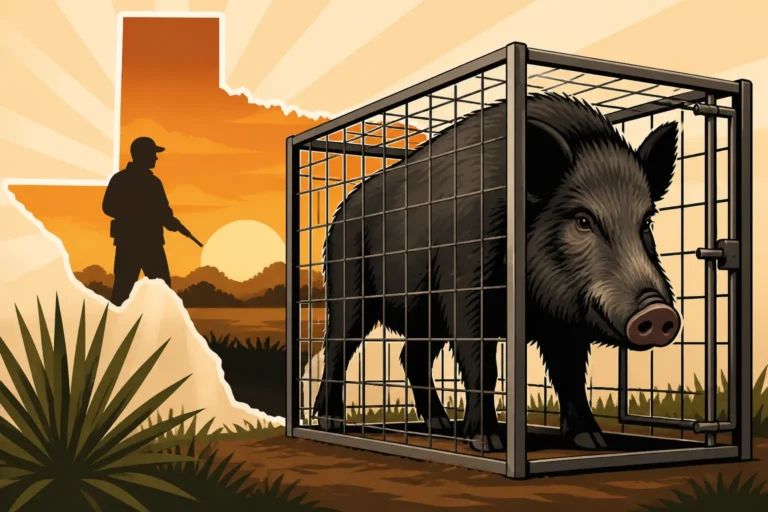
Feral hogs present the single largest challenge to feeder management across the state. A sounder of twenty hogs will root around tripod legs, slam against metal support poles to shake loose grain, and destroy timer mechanisms to reach corn stored inside the hopper. Without physical barriers, hogs will dominate the feed site, driving white-tailed deer away from the clearing entirely.
Raccoons are equally destructive in a more surgical way. These highly intelligent mammals scale smooth metal legs, reach into spinner housings, and manually spin the throw plate with their paws until hundreds of pounds of corn pour out onto the dirt. Implementing proactive pest management saves you thousands of dollars in wasted feed and keeps your legal game target-focused.
Designing and Building Hog-Proof Feeder Pens
Learning How to Keep Hogs Out of Your Deer Feeder is an absolute requirement for long-term lease success across Texas. The single most effective solution is constructing a sturdy, circular feed pen surrounding your entire feeder assembly. A properly sized feed pen allows white-tailed deer to easily jump over the perimeter wire while completely blocking feral hogs, javelinas, and piglets.
To build an effective feeder pen, use the following construction standards:
* Panel Height: Use standard heavy-gauge livestock panels measuring 34 to 36 inches in height. Higher 48-inch cattle panels can deter shy bucks and young fawns from jumping inside.
* Pen Diameter: Build a round pen measuring at least 30 to 40 feet in diameter (utilizing 8 to 10 livestock panels). Small, cramped pens make mature bucks claustrophobic, preventing them from stepping inside.
* Support Posts: Anchor every panel joint with heavy T-posts driven deep into the soil with a post driver. Secure the panels to T-posts using heavy-duty wire ties or steel hose clamps.
* Shape: Keep the pen strictly circular. Sharp corners create traps where dominant bucks can corner subordinate deer, making them hesitant to enter.
While hogs will pace the exterior of a well-built feed pen, they cannot leap a 34-inch barrier. Deer, equipped with long legs and exceptional jumping ability, will effortlessly hop into the pen to consume corn scattered safely inside.
| Construction Element | Recommended Specification | Purpose |
|---|---|---|
| Panel Height | 34 to 36 Inches | Blocks Hogs; Allows Deer Jump |
| Pen Diameter | 30 to 40 Feet Minimum | Eliminates Buck Claustrophobia |
| Panel Material | Heavy-Gauge Utility Grid Wire | Prevents Piglet Infiltration |
| Anchor Posts | Standard Steel T-Posts | Resists Heavy Hog Rooting Pressure |
Deterring Raccoons Squirrels and Non-Target Wildlife
While feed pens solve the hog problem, raccoons require specialized hardware modifications directly on the feeder unit. Installing metal varmint cages over your spinner plate mechanism prevents raccoons from reaching their paws through to manually turn the spin plate. Ensure the wire mesh spacing on the varmint guard is small enough to block small paws while wide enough to let golden grain sling freely.
Spin plates equipped with spring-loaded metal cups or centrifugal locking mechanisms offer another exceptional defense line. These plates seal tight against the drop funnel when resting, only dropping open when the motor spins at high RPMs to sling feed. When the motor stops, the plate snaps shut, preventing raccoons from shaking corn out of the hopper.
Adding metal rodent baffles or grease coatings to tripod legs can also stop climbing raccoons and squirrels before they reach the control box. Solar panels powering your 12-volt battery should be armored with stainless steel braided conduit over all exposed wiring; otherwise, squirrels and raccoons will chew through rubber insulation, leaving your system dead in the middle of November.
Maintaining Feeder Equipment in Texas Climate Extremes
Texas weather is notoriously brutal on outdoor equipment. Blistering summer heat exceeding 100 degrees can melt inferior plastic control boxes and degrade battery charges, while severe springtime hail and sudden torrential downpours can flood hopper lids, turning fresh corn into a rotten, swollen block of moldy sludge.
To ensure year-round mechanical reliability, select feeders constructed from heavy-gauge galvanized or powder-coated steel. Make sure hopper lids feature deep, overlapping lip flanges and heavy rubber latch straps to prevent high winds from lifting the lid and driving rain inside. Applying a thin bead of silicone sealant around seam rivets on new hoppers prevents moisture weeping during tropical storms.
Battery maintenance is another critical operational task. Pair every 6-volt or 12-volt rechargeable battery with a high-efficiency solar panel mounted securely to the south side of the feeder framework. Check solar glass regularly to clean off dust, bird droppings, and tree sap that reduce charging efficiency. Carrying spare digital timers, fuses, and replacement motors in your lease truck ensures you can fix a broken feeder immediately without losing valuable hunting time.
Hunting Tactics Over Corn and Feeders Throughout the Season
Once your feeder is legally situated, mechanically sound, and protected from pests, executing a successful tactical strategy requires adapting your hunting approach as the season unfolds. Deer behavior around feeders changes dramatically between the warm archery opener in October, the intense breeding chaos of the mid-season rut, and the freezing, feed-scarce conditions of late January.
Treating a feeder as a guaranteed magic bullet is a mistake many beginner hunters make. Mature bucks—especially those that have survived three or four hunting seasons—rarely walk straight up to a feeder under a bright blue sky during daylight hours. They use their noses, stage in nearby thickets, and watch the feeding clearing from high-cover observation points before taking a single step toward scattered corn.
To outsmart educated Texas bucks, your tactics must evolve alongside seasonal biology, weather changes, and hunting pressure on neighboring leases. Blending strategic scent control, entry and exit discipline, and weather-based timing ensures your feed site delivers opportunities all season long.
Early Season Bowhunting Over Active Bait Sites
During the early October archery season, deer are still operating on summer feeding patterns and bachelor group social structures. Temperatures across Texas are often hot, with afternoon highs climbing into the 80s and 90s. Bucks are primarily focused on high-protein nutrition, body recovery, and steady carbohydrate intake, making corn feeders highly active feeding hubs.
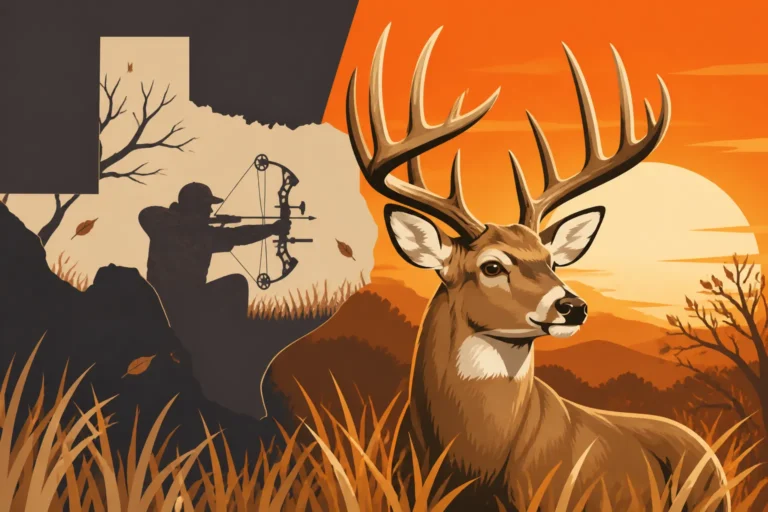
When bowhunting over corn in early autumn, wind direction and silent movement are paramount. Thermal currents in hot weather can carry human scent straight down into thickets where deer bed during the midday heat. Position your bow blind or elevated tripod downwind of the primary approach trail, keeping your shooting distance within twenty to thirty yards of the corn throw radius.
Using powdered attractants or sweet grain mixtures alongside standard corn can provide an extra edge during early season bow hunting. However, avoid sitting over the feeder during the middle of the day when heat causes excessive sweating and scent disbursement. Focus your efforts on the final ninety minutes of daylight and the absolute first light of morning when cool air settles along creek bottoms and low-lying feed clearings.
Adjusting Feeder Tactics for the Texas Rut
When the breeding season arrives, buck priorities shift completely from food acquisition to seeking receptive does. The timing of the rut varies widely across Texas regions: Pineywoods whitetails often rut in late October, Hill Country bucks peak in mid-November, while South Texas brush country deer see intense rutting activity stretching through mid-December into January.
During the rut, bucks may stop visiting feeders regularly for standard feeding cycles. However, does continue to visit corn sites on strict daily schedules. Consequently, smart rut hunters stop watching the feeder for bucks directly and start using the feeder as a doe trap. A feeder drawing six or eight does into a clearing during peak rut will naturally pull cruising bucks out of the brush as they check every doe for breeding readiness.
Rattling horns and grunting calls work exceptionally well around feeders during this phase. If a buck is hovering in the mesquite edge fifty yards off the feeder watching a group of does eat corn, sound sequences mimicking two bucks fighting over breeding rights can trigger his aggressive territorial instincts, drawing him out into clear shooting lanes.
Handling Pressured Bucks During the Late Season
As general gun season progresses through December and January, heavy hunting pressure across neighboring properties alters white-tailed deer behavior. Bucks become extremely wary of open spaces, motor noises, and human scent near box blinds. Many mature bucks shift their feeder visits entirely to darkness, arriving at feed sites hours after sunset.
To hunt late-season bucks over corn successfully, consider these tactical adjustments:
* Reduce Feed Quantities: Cut down timer spin duration so corn is completely eaten during daylight hours, forcing deer to arrive earlier to get food.
* Back Off the Feeder: Move your hunting blind or tree stand 100 to 150 yards back from the feeder clearing along a staging trail located in thick native brush.
* Leverage Cold Fronts: Plan your hunts to coincide with sharp Arctic cold fronts (Blue Northers). Sudden drops in temperature force deer to consume high-carbohydrate corn to maintain body heat, driving daylight feeding activity.
* Minimize Foot Traffic: Avoid driving trucks or ATVs directly to your blind before a hunt; walk in along shadowed brush routes using stealthy entry paths.
Late-season deer are survival-focused. Providing a reliable source of clean corn in a quiet, undisturbed sanctuary setting is often the only way to earn a shot at a elusive trophy buck before the season closes.
Feed Options and Nutritional Management
While standard clean yellow corn is the default choice for millions of Texas hunters, it is far from the only item you can load into a hopper. Modern game management incorporates a wide array of feed blends, supplemental protein diets, liquid attractants, and mineral supplements designed to improve herd health while maximizing game attraction around hunting stands.
Understanding the nutritional profile of what you scatter across the ground helps you select the right feed for the right time of year. Corn provides dense carbohydrates and fat—ideal for winter energy and immediate short-term attraction—but contains relatively low protein levels (roughly 7% to 9%). Protein pellets, conversely, supply essential amino acids, calcium, and phosphorus necessary to grow massive antler bone and support nursing does, but lack the long-distance aroma and high-energy sugars found in specialized attractants.
Creating a balanced feeding program on your lease involves combining these options strategically. Knowing when to pour pure grain, when to blend protein, and when to utilize powdered scent attractants optimizes both your hunting success and your long-term wildlife management goals.
Whole Yellow Corn Features and Drawbacks
Evaluating the Best Corn for Deer Feeders in Texas requires looking closely at grain cleanliness, dust content, and moisture levels. Clean, triple-screened whole yellow corn is the undisputed gold standard for automated spin feeders. The screening process removes stalks, cob fragments, and fine dust that accumulate in the bottom of hoppers, clogging spinner drop funnels and seizing up 12-volt electric motors.
Avoid buying cheap, unscreened “field run” corn sold in bulk bags at small rural outlets unless you plan to hand-feed piles directly onto the ground. Unscreened corn contains high levels of agricultural dust that absorb ambient humidity inside metal barrels, forming a concrete-like crust over the spinner funnel that stops feed flow completely during critical hunting weekends.
Another key factor to consider when purchasing corn is aflatoxin testing. Aflatoxin is a toxic byproduct produced by specific molds (Aspergillus) that grow on corn during dry, hot weather conditions. High concentrations of aflatoxin can cause severe liver damage and death in white-tailed deer, game birds, and domestic livestock. Always verify that bag labels state the corn has been tested and certified below 20 parts per billion (ppb) for safe wildlife consumption.
High Protein Pellets and Supplemental Feeds
If your primary focus on a private lease is growing larger antlers and boosting overall body weights across your herd, integrating Protein Feeding Deer for Bigger Antlers into your management budget is essential. Commercial deer protein pellets typically consist of processed soybean meal, alfalfa, corn gluten, and essential mineral premixes delivering 16% to 20% crude protein.
Because protein pellets are highly digestible and nutrient-dense, white-tailed bucks utilize these amino acids during peak antler growth months from April through August. Providing free-choice protein during spring drought periods prevents bucks from drawing down their body reserves, ensuring maximum energy is directed into beam length, tine height, and overall antler mass.
However, running protein feed requires specialized equipment. Standard spin feeders will crush soft protein pellets into dust, jamming the spinner plate. Protein must be fed through specialized free-choice gravity feeders featuring wide down-snouts or covered trough stations protected from rainfall. Many leases run protein exclusively through spring and summer, then transition back to whole yellow corn in spin feeders during the autumn hunting months.
Attractants Powders and Scent Enhancers
In heavily hunted areas where multiple leases run corn feeders every few hundred yards, making your feed site stand out from neighboring properties can give you a major tactical advantage. Powdered attractants, flavored liquid sprays, and scented grain toppers introduce intense aromas like roasted peanut, sweet apple, persimmon, or molasses that travel vast distances through thick brush.
Liquid attractants can be poured directly over corn inside the feeder or applied to old logs and mineral dirt pits surrounding the spin area. Powdered attractants can be dusted across scattered corn on the ground right before you climb into your hunting blind, creating an irresistible scent plume that stops traveling bucks in their tracks.
Salt blocks and mineral licks containing calcium, phosphorus, and trace minerals like copper and zinc also serve as great long-term attractants on private land. Establishing a mineral site near your deer feeder encourages repeat visits throughout the summer months, allowing you to capture high-resolution trail camera photos of velvet bucks as they develop their antler racks.
Regulatory Overview for Texas Hunters
Staying strictly compliant with Texas hunting regulations requires clear understanding across all operational variables. Below is a detailed comparative summary of feeder configurations, legal requirements, and property considerations across the state.
| Strategy / Setup Type | Operational Focus | Primary Legal Consideration |
|---|---|---|
| Standard Broadcast Spin Feeder | Game Attraction for Hunting | Prohibited on Public Lands |
| Free-Choice Protein Station | Herd Nutrition & Antler Growth | Avoid Open Troughs in High CWD |
| Sour Corn / Pig Attractant Piles | Feral Hog Abatement | Ensure No Migratory Bird Exposure |
| Cultivated Agricultural Plots | Habitat Management & Feed | Fully Legal Statewide |
| Mineral Licks / Salt Blocks | Mineral Supplementation | Check Local CWD Mineral Rules |
Regional and Species Restrictions Summary
To avoid unintentional violations while hunting over feed across Texas, keep these core rules in mind:
1. Whitetail & Exotic Game: Fully legal to hunt over corn, protein, and attractants on private land statewide, provided open season dates and county bag limits are respected.
2. Migratory Waterfowl: Strictly illegal to hunt over placed grain or bait anywhere in Texas under federal law.
3. Mourning & White-Winged Dove: Legal to hunt over manipulated agricultural crops, but illegal over dumped grain piles or active spin feeders.
4. Public Hunting Lands: Strictly illegal to scatter grain, run automated feeders, or hunt near artificial bait sites on WMAs, State Parks, and National Forests.
5. CWD Containment Areas: Private land baiting generally remains legal, but mandatory harvest testing and strict carcass movement bans apply.
Rules of Thumb for Private Lease Feeders
When managing feeders on private acreage, following standard best practices ensures legal safety and high hunting quality:
* Keep feeder pens set at 34-36 inches high and at least 30 feet wide to exclude feral hogs without deterring deer.
* Always check local county regulations in the official TPWD Outdoor Annual before season opener.
* Verify that all corn purchased for wildlife feeding is labeled as tested below 20 ppb for aflatoxins.
* Maintain clear property boundaries and position feeders at respectful distances from neighboring fence lines.
Ethical Standards and Property Line Protocol
Beyond the strict letter of written wildlife law lies a code of unwritten ethics that keeps lease relationships smooth and honors fair chase standards. Running feeders on private land comes with a responsibility to treat wildlife, neighboring property owners, and game enforcement officers with fairness and respect.
Property line disputes over feeder placements are among the most common sources of friction between neighboring Texas deer leases. Setting up a heavy-duty spin feeder ten feet from a neighbor’s boundary fence and slinging half your corn onto their side of the dirt is a fast way to ruin neighborly relations and trigger calls to the local game warden.
Practicing ethical feeder placement, managing local feeding density, and keeping your lease camp fully compliant fosters an environment where everyone enjoys a high-quality, safe, and legal hunting experience.
Managing Feeder Density and Property Boundaries
A question that frequently arises among new lease groups is how close a feeder can legally be placed to a property fence line. In Texas, state law does not mandate a specific minimum footage distance between a feeder and a private property boundary, provided you are standing on land where you have legal hunting rights. However, placing feeders right against fence lines remains exceptionally poor etiquette.
As a standard ethical rule of thumb, position your spin feeders and hunting blinds at least 100 to 200 yards back from shared boundary fences whenever topography permits. This buffer zone ensures that corn thrown by your spinner plate remains entirely on your acreage, preventing disputes over feed trespass. It also reduces the likelihood of a harvested deer jumping the boundary fence onto neighboring property after being shot.
Feeder density across your lease acreage should also be planned thoughtfully. Setting up a feeder every ten acres creates excessive artificial competition, disturbs natural wildlife movement patterns, and costs thousands of dollars in unnecessary feed expenses. A practical guideline is placing one primary feeding station per 50 to 100 acres of habitat, allowing deer to move naturally between feeding clearings and native thermal cover.
Neighbor Relations and Feeder Density
Maintaining open, friendly communication with adjacent landowners and lease managers builds a strong defense against poaching and property trespass. Share your contact information with neighbors, discuss property line locations clearly, and establish mutual agreements regarding carcass recovery if a wounded deer crosses a boundary line.
Under Texas law, a hunter cannot step onto a neighbor’s private property to retrieve a harvested game animal without receiving explicit permission from that landowner. Having a pre-established, friendly relationship with your lease neighbors makes obtaining recovery permission simple and quick, ensuring game meat is recovered promptly without confrontation.
If you suspect a neighboring lease is running illegal setups—such as hunting migratory waterfowl over corn feeders—report the activity directly to the TPWD Operation Game Thief hotline rather than initiating direct personal confrontations in the field.
Preparing for Field Inspections and Compliance Checks
When a Texas Game Warden enters your lease property for a routine compliance check, having your documentation organized and your feeding setups fully compliant makes the encounter smooth and stress-free. Wardens are tasked with enforcing game laws to protect Texas natural resources, and a cooperative attitude goes a long way.
Always keep your valid Texas hunting license, mandatory endorsements (such as the archery endorsement or migratory game bird endorsement), and official tag sheets carried safely in a waterproof zip pouch in your hunting pack. If you are hunting in a mandatory CWD reporting county, keep your digital harvest reporting app updated or retain your physical station receipt tags readily available.
By maintaining clean equipment, adhering strictly to private vs public baiting boundaries, managing feeds ethically, and treating the land with respect, you can enjoy the deep traditions of Texas feeder hunting with total peace of mind.
Disclaimer
This article is for general informational purposes only and does not constitute professional advice. Laws, prices and regulations vary by location and change over time. Consult a qualified professional for guidance on your specific situation.