CWD Zones in Texas: Map & Restrictions
Navigating the ever-changing landscape of hunting regulations in Texas can feel like a labyrinth, especially when diseases like Chronic Wasting Disease (CWD) enter the picture. It's frustrating to plan a hunt, only to find new rules and restrictions that weren't there before, making you second-guess every step. This comprehensive guide is here to unravel the complexities of CWD zones in Texas, providing a clear map of affected areas, explaining the critical restrictions in place, and helping you understand what you need to do to stay compliant and protect our deer herds.
Understanding Chronic Wasting Disease CWD in Texas
For many Texas hunters, CWD has become a real concern, not just a distant headline. It’s a serious issue that directly impacts our beloved deer populations and, consequently, our hunting traditions. Understanding what CWD is, how it spreads, and its history in our state is the first crucial step in navigating these complex regulations. It's not just about rules; it's about protecting the future of hunting in Texas.
What is CWD?
Chronic Wasting Disease (CWD) is a progressive, fatal neurological disease that affects cervids, which include deer, elk, moose, and caribou. It's caused by abnormal proteins called prions, not a bacteria or virus, making it particularly insidious and difficult to eradicate. These prions accumulate in the brain and other tissues, leading to lesions and ultimately causing a range of behavioral changes, weight loss, and eventually death. Think of it as a zombie-like disease for deer, though it poses no known direct threat to humans based on current scientific understanding.
The disease manifests slowly, often taking months or even years for an infected animal to show symptoms. This long incubation period is one of the reasons CWD is so challenging to manage, as an animal can be spreading the prions long before anyone realizes it's sick. Symptoms can include drastic weight loss (wasting), stumbling, lack of coordination, listlessness, excessive salivation, and abnormal behavior like a lack of fear of humans. Seeing an animal exhibit these signs is always a cause for concern and should be reported to the Texas Parks and Wildlife Department (TPWD).
How it Spreads and Its Impact
CWD primarily spreads through direct animal-to-animal contact, but also through indirect contact with contaminated environments. Infected animals shed prions through saliva, urine, and feces. These prions can then persist in the soil for years, even decades, becoming a source of infection for healthy deer browsing or feeding in the area. This environmental persistence makes containing CWD incredibly difficult and highlights why rules about carcass movement are so important.
The impact of CWD extends far beyond just the individual animal. In areas with high CWD prevalence, deer populations can see significant declines. This, in turn, affects the ecosystem, other wildlife, and, of course, the hunting opportunities we cherish. Economically, it can hit landowners, outfitters, and local communities hard, as hunting leases and related businesses suffer. It’s a cascading effect that requires a serious, collective effort to mitigate.
History and Discovery in Texas
CWD first made an unwelcome appearance in Texas in 2012, discovered in a free-ranging mule deer in the Hueco Mountains of El Paso County, deep in the Trans-Pecos region. This initial detection immediately triggered a cascade of regulatory responses by the TPWD to monitor and manage its spread. Since then, it has been detected in other free-ranging populations, including white-tailed deer in the Texas Panhandle and South Central Texas, and even in some captive deer breeding facilities, which prompted strict regulations on deer movement within the breeding industry.
The geographical spread across different ecoregions of Texas, from the rugged mountains of the Trans-Pecos to the agricultural lands of the Panhandle and the Hill Country, illustrates the challenge. Each new detection expands the CWD management zones and requires localized responses, making it crucial for hunters to stay informed about the specific rules pertaining to their hunting grounds. The ongoing surveillance and testing programs are vital to track the disease and implement effective management strategies across the diverse landscapes where deer roam.
Mapping Texas CWD Zones Identifying Affected Areas
One of the most common frustrations for hunters dealing with CWD is simply knowing where these zones are and if their favorite hunting spot falls within one. The boundaries can shift, and what was outside a zone last year might be inside one this year. It's a lot to keep up with, but understanding the current CWD map is paramount to hunting legally and responsibly.
Defining CWD Management Zones
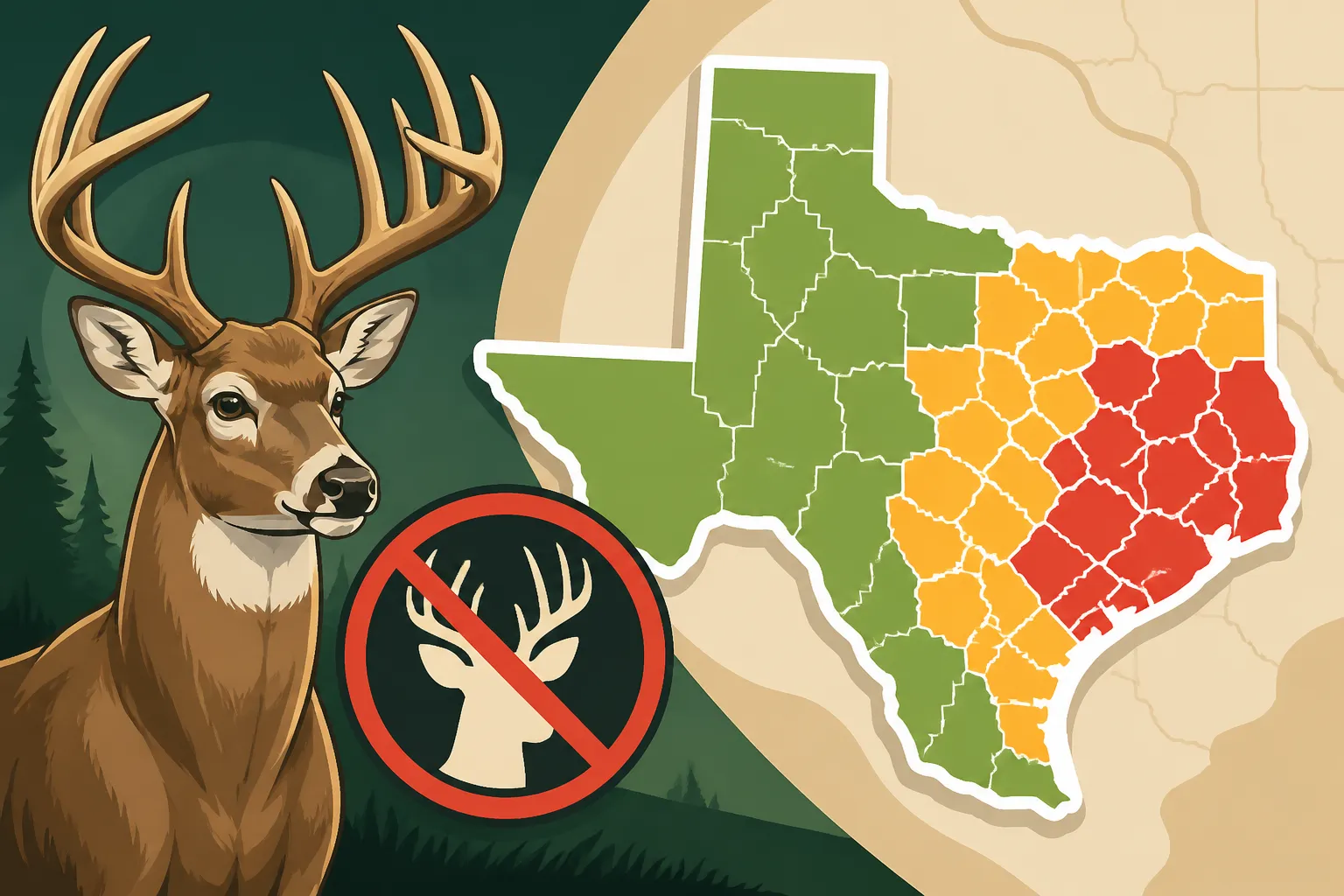
The Texas Parks and Wildlife Department (TPWD) establishes CWD management zones to contain and monitor the disease. These zones aren't arbitrary; they are meticulously defined areas around known CWD detections. There are generally a few types of zones:
- CWD Zone (CWDZ): This is the core area where CWD has been detected. These zones have the most stringent regulations regarding carcass movement, mandatory testing, and feeding restrictions.
- High-Risk Zone (HRZ): Sometimes, areas immediately surrounding a CWD Zone, or areas where there's a higher probability of CWD spread due to animal movement, are designated as High-Risk Zones. Regulations here are often similar to CWD Zones to prevent further spread.
- Surveillance Zone (SZ): These are broader areas around CWD detections where TPWD is increasing its CWD monitoring efforts. While regulations might be less strict than CWD or HRZs, increased sampling and hunter cooperation are often requested or mandated to gather more data.
The purpose of these zones is to reduce the risk of spreading CWD to new areas, especially given the disease's persistence in the environment. Hunters within these zones become critical partners in the state's efforts to control CWD by adhering to the specific rules.
Specific CWD Zones in Texas Trans-Pecos, South Central, Panhandle
Texas has seen CWD emerge in several distinct regions, leading to the establishment of multiple CWD zones, each with its own set of detailed regulations. It's not a one-size-fits-all situation, and the rules in one zone might differ slightly from another.
The Trans-Pecos CWD Zone was the first and encompasses parts of El Paso, Hudspeth, and Culberson counties, particularly around the Hueco and Franklin Mountains. This rugged terrain presents unique challenges for sampling and management. Later, the Panhandle CWD Zone was established, primarily impacting portions of Hartley, Oldham, and Dallam counties, following detections in white-tailed deer. More recently, the South Central Texas CWD Zone emerged, affecting counties like Uvalde, Medina, and Bandera, in areas known for high deer populations and significant hunting activity. This zone, in particular, has brought CWD close to many popular hunting areas in the Hill Country and South Texas. You can find the specific boundaries of these zones, which are often defined by county roads, highways, or property lines, on the official TPWD CWD map.
How to Identify if Your Hunting Area is in a Zone
Knowing whether your hunting lease or day hunt falls within a CWD zone is absolutely critical before you head out. The easiest and most reliable way to check is by visiting the Texas Parks and Wildlife Department website and looking at their interactive CWD map. They constantly update this map with the latest zone boundaries and information. It's a good idea to check this map every season, as boundaries can change based on new detections or management decisions.
Beyond the official map, many reputable hunting apps, like onX Hunt or HuntStand, often integrate CWD zone boundaries into their mapping layers, providing a convenient way to check on your phone while scouting. If you're on a managed land deer permit (MLDP) property or a hunting lease, the landowner or lease manager should also be well-versed in any CWD regulations affecting the property and communicate them to hunters. Always double-check, because ignorance of the law is no excuse, and violating CWD regulations carries significant penalties, not to mention the potential harm to our wildlife resources.
Mandatory CWD Testing and Carcass Movement Restrictions
One of the most impactful aspects of CWD management for hunters involves the rules around testing and what you can and cannot do with your harvested animal. It's a lot to remember, especially when the adrenaline is pumping after a successful hunt. These regulations are designed to minimize the risk of spreading CWD prions through infected carcasses, and hunter compliance is absolutely essential.
Mandatory Check Stations and Sampling Requirements
In established CWD Zones and sometimes in adjacent Surveillance Zones, mandatory CWD testing of harvested deer is often required. This means that if you harvest a deer within one of these specific zones, you are legally obligated to present the animal (or specific parts of it) at a designated CWD check station within a certain timeframe, usually within 24 or 48 hours. These check stations, often set up in convenient locations during peak hunting weekends, are staffed by TPWD biologists who will collect tissue samples, typically from the deer's brainstem and lymph nodes.
The purpose of mandatory testing is two-fold: to monitor the prevalence and spread of CWD and to identify infected animals. While it might feel like an inconvenience, especially after a long day in the field, it's a vital part of the state's CWD management strategy. Make sure you know the operating hours and locations of the nearest check stations before you hunt. Information on these stations is usually provided in the Texas Hunting Seasons: Complete Calendar by Species and on the TPWD website.
Legal Carcass Movement Rules within and out of Zones
Perhaps the most critical and often misunderstood aspect of CWD regulations involves carcass movement. Because CWD prions can persist in parts of the animal's carcass, especially the brain and spinal cord, there are strict rules about what you can transport from a CWD-positive zone. Generally, you cannot move a whole, unskinned, or unprocessed deer carcass out of a CWD Zone or High-Risk Zone.
The legal exceptions typically include:
- Deboned meat: All meat that has been deboned from the carcass.
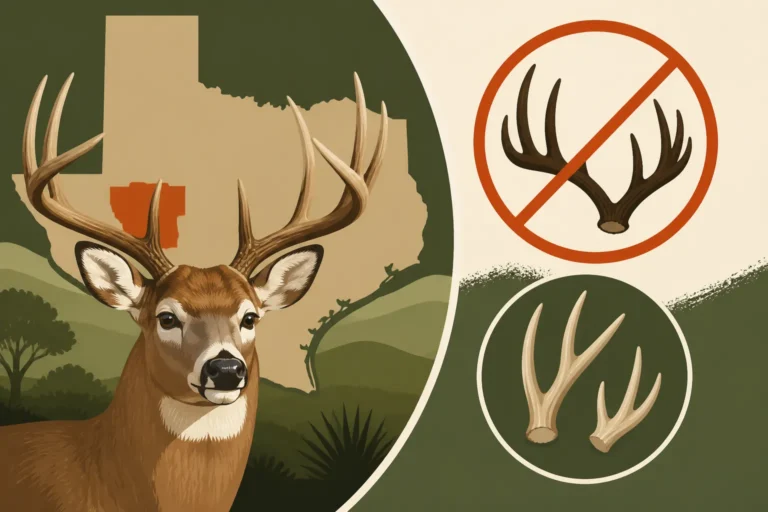
- Clean skull plate: The skull plate with antlers attached, with all brain tissue and soft tissues removed.
- Clean antlers: Antlers or horns detached from the skull.
- Hides: The hide of the animal.
- Clean teeth: Skeletal elements with no soft tissue attached.
For many hunters, this means field dressing and quartering the animal right there at the lease or hunt camp within the CWD zone. It’s a bit more work than just throwing it in the truck whole, but it’s a necessary step to prevent further spread. Learning How to Field Dress a Deer in Hot Weather is a skill every hunter in Texas should master, especially given these restrictions.
Processor and Taxidermist Requirements
If you plan on taking your harvested deer to a commercial processor or taxidermist, the CWD regulations also extend to them. Processors and taxidermists located within or receiving deer from a CWD zone often have specific requirements they must follow. Many are designated as official CWD check stations themselves, capable of collecting samples. It’s imperative to communicate with your chosen processor or taxidermist before your hunt if you are hunting in a CWD zone.
They will need to know that your deer came from a CWD-affected area to ensure they handle the carcass correctly, dispose of waste properly, and comply with any mandatory sampling. Some processors may even require a tag or verification that the animal originated from a specific zone. Always confirm their CWD protocols to avoid any last-minute surprises or issues, ensuring your deer is handled legally and safely.
CWD Prevention and Responsible Hunting Practices
Beyond the mandatory regulations, responsible hunters play a massive role in CWD prevention. It's not just about avoiding fines; it's about being a steward of our wildlife. Proactive measures and thoughtful practices can significantly reduce the risk of CWD spreading and help keep our deer herds healthy for generations to come.
Feeding Restrictions in CWD Zones
One of the most immediate impacts of CWD zone designation is often the implementation of baiting and feeding restrictions. The reason is simple: congregating deer at a feeder or bait site increases direct animal-to-animal contact, which is a primary mode of CWD transmission. When deer share a common food source, they are more likely to exchange saliva, urine, and feces, all of which can contain infectious prions.
Therefore, in many CWD and High-Risk Zones, the use of deer feeders, mineral licks, and bait (like corn or protein pellets) is either heavily restricted or outright prohibited. This can be a significant adjustment for many Texas hunters accustomed to hunting over feeders. While it means changing your hunting tactics, it's a vital measure. If you're wondering about the legality of feeding, check the latest outdoor annual, as questions like Can You Hunt Over Corn in CWD Zones? are common and the rules can change. These restrictions apply to all types of feeders, whether you're using a Best Deer Feeder Setup for Texas for corn or a Best Protein Feeder for Texas Deer to enhance antler growth.
Best Practices for Hunters to Mitigate Spread
Even if you're outside a designated CWD zone, adopting best practices can help prevent CWD from ever reaching your hunting area.
- Proper Carcass Disposal: Always dispose of carcass waste responsibly. If you're not in a CWD zone but still concerned, or if you're taking your deer to a processor, make sure non-consumable parts are left on the property where the animal was harvested or disposed of in a landfill. Never dump carcasses in public areas or waterways.
- Cleanliness: Thoroughly clean all equipment that comes into contact with deer, including knives, saws, and vehicles. While prions are incredibly resistant, good hygiene is always a good practice.
- Report Sick Animals: If you see any deer exhibiting CWD-like symptoms (wasting, neurological issues, abnormal behavior), report it immediately to TPWD. Don't try to harvest the animal yourself unless it's within a legal hunting season and area, and always inform TPWD of your observations.
- Know Your Regulations: Before every hunt, especially if you're traveling to a new area, make sure you're up-to-date on the latest CWD regulations for that specific county or zone. The Texas Antler Restrictions: 13-Inch Rule & Counties and Texas Deer Bag Limit by County might not be the only rules you need to worry about.
The Role of Landowners and Wildlife Management
Landowners are on the front lines of CWD management. Their cooperation and proactive efforts are absolutely critical. For those enrolled in programs like the Managed Lands Deer Program (MLDP), participation in CWD surveillance can be a requirement or strongly encouraged. These programs help collect valuable data that informs state-wide management strategies and provides flexibility to landowners for herd management. Managed Lands in Texas Explained covers more on these programs.
Wildlife management professionals continually monitor herds, conduct surveillance testing, and educate the public. Their expertise guides the regulations and strategies put in place. Hunters and landowners working together with TPWD form the strongest defense against CWD. It's a team effort that transcends individual interests for the greater good of Texas wildlife.
Navigating the Future of CWD and Texas Hunting
CWD isn't going away overnight, and its presence will continue to shape hunting in Texas for years to come. Staying informed, adaptable, and committed to ethical practices will be key to ensuring a healthy future for our deer and our cherished hunting heritage.
Ongoing Research and Monitoring Efforts
The scientific community, including universities and state agencies like TPWD, is continually engaged in critical research to better understand CWD. This includes studying prion behavior, developing faster and more accurate testing methods, and exploring potential ways to mitigate its spread or even treat affected animals. Every sample collected at a CWD check station contributes to this vital research, helping scientists map the disease and identify patterns.
Monitoring efforts are relentless, with surveillance continuing across the state, even in areas without known CWD detections. This proactive approach helps to identify new outbreaks quickly, allowing for a more rapid response and potentially containing the disease before it establishes a foothold. These efforts rely heavily on hunter compliance with mandatory testing and reporting of suspect animals.
Potential Changes to Regulations
Given the dynamic nature of CWD, it’s highly likely that hunting regulations related to CWD will continue to evolve. New detections might lead to expanded or new CWD zones, and successful management strategies could potentially lead to relaxed rules in certain areas over time, though this is a long-term prospect. The TPWD works closely with stakeholders, including hunters, landowners, and the deer breeding industry, to make informed decisions that balance conservation goals with recreational opportunities.
Staying current with these changes is essential. Regularly consulting the official Texas Parks and Wildlife Department website and the annual Outdoor Annual is the best way to ensure you're aware of the most up-to-date regulations. Don't rely solely on word-of-mouth; verify information directly from official sources to avoid any missteps.
Why Hunter Compliance is Crucial
Ultimately, the fight against CWD hinges on hunter compliance and responsible actions. Every hunter who adheres to carcass movement restrictions, participates in mandatory testing, and practices good sanitation plays a direct role in protecting our deer. It's not just about avoiding a ticket; it's about being a custodian of the wild places and animals we love.
The alternative—widespread apathy and non-compliance—could have devastating consequences, potentially leading to unchecked CWD spread, significant declines in deer populations, and even more stringent regulations that would impact everyone. By working together, being informed, and making responsible choices, we can all contribute to mitigating the threat of CWD and safeguarding Texas hunting for generations to come. Make sure you understand the nuances of Texas Hunting Tags & Harvest Reporting (My Texas Hunt Harvest) and How to Report Your Harvest in Texas to ensure you're always doing your part.
| CWD Zone Name | Primary Counties Affected | Key Regulations | Target Species |
|---|---|---|---|
| Trans-Pecos CWD Zone | El Paso, Hudspeth, Culberson (portions) | Mandatory CWD testing for harvested mule deer and white-tailed deer; strict carcass movement restrictions; feeding/baiting restrictions may apply. | Mule Deer, White-tailed Deer |
| Panhandle CWD Zone | Hartley, Oldham, Dallam (portions) | Mandatory CWD testing for harvested white-tailed deer and mule deer; strict carcass movement restrictions; feeding/baiting restrictions often in place. | White-tailed Deer, Mule Deer |
| South Central CWD Zone | Uvalde, Medina, Bandera, Real (portions), Frio (portions) | Mandatory CWD testing for harvested white-tailed deer; strict carcass movement restrictions; feeding/baiting restrictions are typically enforced. | White-tailed Deer |
Disclaimer
The information provided in this guide is for general informational purposes only and is not intended as legal advice. Hunting regulations, especially those pertaining to Chronic Wasting Disease (CWD) zones and restrictions, are subject to change by the Texas Parks and Wildlife Department (TPWD). Always consult the official TPWD website and the current Texas Outdoor Annual for the most up-to-date and accurate regulations before engaging in any hunting activities. Failure to comply with CWD regulations can result in significant penalties.