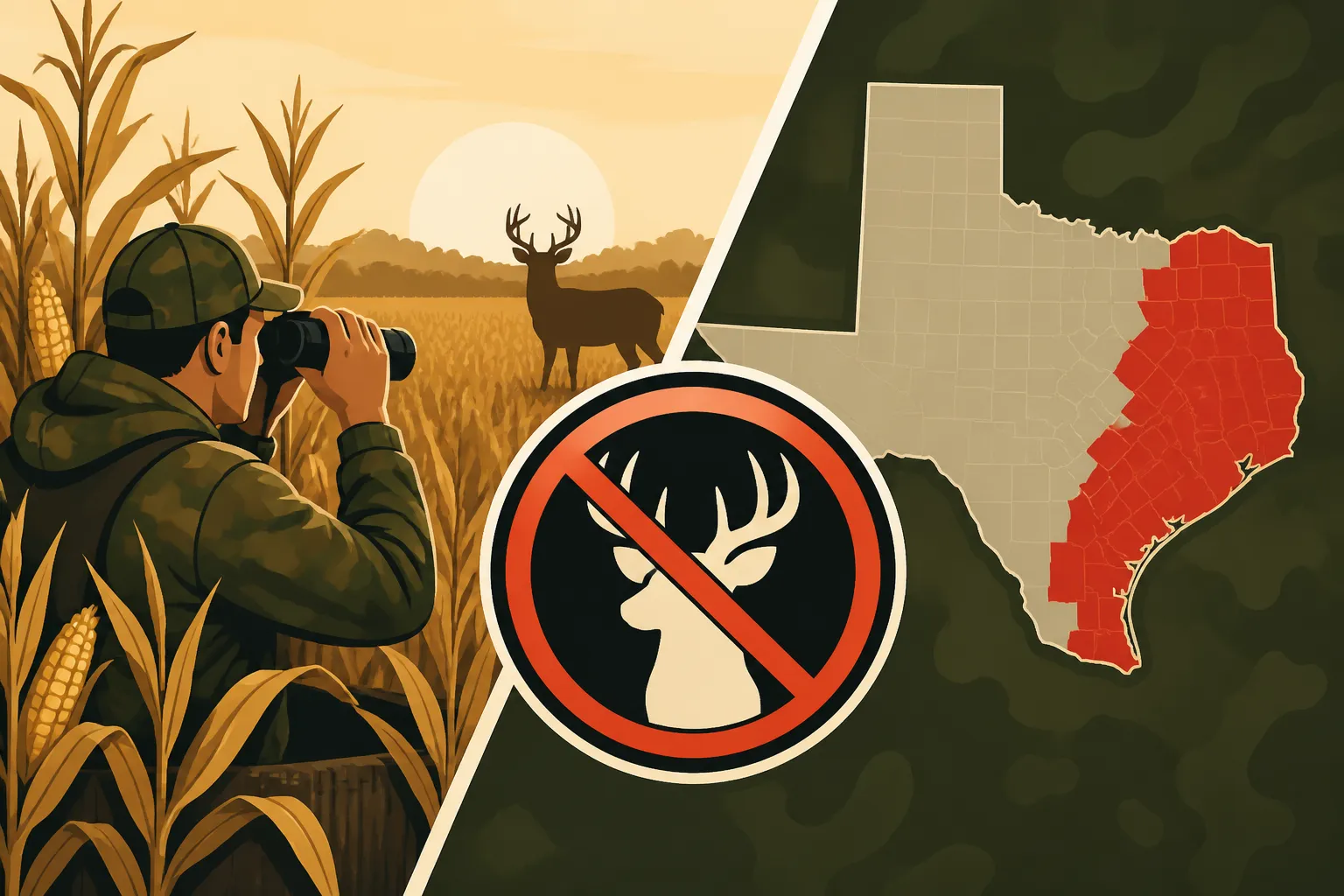
Can You Hunt Over Corn in CWD Zones?
Oh, the age-old question that keeps many a Texas hunter scratching their head and debating around the campfire: "Can you hunt over corn in CWD zones?" It's a loaded question, isn't it? Especially when you've invested time, money, and effort into a feeder setup, only to hear whispers about new rules. The frustration is real when regulations change or become county-specific, throwing a wrench into your well-laid plans. This comprehensive guide is here to clear up all that confusion, detailing the specific regulations for baiting deer in Chronic Wasting Disease (CWD) zones across our great state.
Understanding CWD and its Impact on Texas Hunting
Before we dive into the nitty-gritty of corn and feeders, it's absolutely crucial to grasp what Chronic Wasting Disease (CWD) is and why it's such a big deal for wildlife management and, by extension, for us hunters. This isn't just some bureaucratic red tape; it's a serious threat to the health of our deer herds and the future of hunting in Texas.
What is Chronic Wasting Disease?
Chronic Wasting Disease is a progressive, fatal neurological disease that affects cervids, which include our beloved white-tailed deer, mule deer, elk, and even red deer. It's caused by abnormal proteins called prions, similar to mad cow disease. These prions accumulate in the brain and other tissues, leading to symptoms like drastic weight loss (wasting), abnormal behavior, loss of bodily functions, and ultimately, death. What makes CWD particularly insidious is its long incubation period—deer can be infected for months or even years before showing any outward signs, all while potentially shedding prions into the environment through saliva, urine, and feces.
The disease spreads through direct animal-to-animal contact and indirectly through contaminated environments, such as soil, plants, or even feed and water sources. Once prions are in the environment, they can persist for a very long time, making eradication incredibly challenging. This persistent nature is why wildlife agencies are so concerned and why the regulations around CWD zones are often stringent and designed to minimize any human-induced aggregation of deer that could facilitate transmission. It's a silent threat, often unseen until it's too late, and that's why proactive measures, however inconvenient, are deemed necessary.
How CWD Affects Deer and the Hunting Community
The impact of CWD extends far beyond just the individual deer that contract it. For the deer population as a whole, it can lead to declines in herd health and numbers over time, especially in areas with high infection rates. Imagine a population of deer slowly getting sicker, becoming more vulnerable to predators, and less capable of reproducing. It's a grim picture that could severely diminish the quality and quantity of hunting opportunities.
For the hunting community, CWD brings a host of challenges and heartaches. First, there's the emotional toll of seeing sick animals or knowing that a beloved herd is at risk. Then there are the practical implications: increased regulations, mandatory CWD testing in certain areas, carcass movement restrictions, and, yes, changes to traditional hunting methods like baiting. These regulations can be frustrating, adding extra steps to your hunt and potentially limiting your ability to hunt certain areas or use familiar tactics. Nobody wants to deal with the hassle of getting their deer tested or having to quarter a deer in the field just to transport it. However, these measures are put in place by entities like the Texas Parks and Wildlife Department (TPWD) to safeguard the long-term health of our wildlife and ensure that future generations can enjoy the rich hunting heritage we cherish. Understanding the gravity of the disease helps put these regulations into perspective, even when they feel like an extra burden. For more general information on deer season, check out our guide on Texas Deer Season 2026-2027: Dates by Zone.
Texas CWD Zones and Regulations
Texas is a massive state, and while CWD has been detected in various counties, it's not uniformly distributed. TPWD has established specific CWD zones to manage the disease, and understanding where these zones are and what regulations apply to them is paramount for any hunter. Ignoring these rules isn't just a matter of breaking the law; it's a risk to the entire ecosystem.
Identifying CWD Zones in Texas
CWD zones in Texas are designated areas where the disease has been detected or where there is a high risk of spread. These aren't just arbitrary lines on a map; they are carefully drawn based on disease surveillance, epidemiologic investigations, and scientific modeling. TPWD regularly updates these zones, which typically fall into a few categories:
- CWD Containment Zones (CZ): These are areas where CWD has been confirmed and where the primary goal is to prevent the disease from spreading further. Regulations here are often the most restrictive.
- CWD Management Zones (MZ): These surround Containment Zones or are areas where CWD has been detected in a limited capacity. The aim here is to manage the disease, monitor its spread, and implement measures to slow it down.
- C CWD Surveillance Zones (SZ): These are broader areas where increased monitoring and sampling are conducted to detect CWD early if it emerges.
It's absolutely essential to consult the most current Texas Parks and Wildlife Outdoor Annual or their website before every hunting season, and especially if you plan to hunt in an area that might be near a known CWD detection. These zones can change, and what was permissible last year might not be this year. Counties like parts of Val Verde, Kimble, Mason, and more recently, areas in North Central Texas, have experienced CWD detections, leading to the establishment of these specific zones. Knowing your zone is the first step in being a responsible hunter. A useful resource is our in-depth article on CWD in Texas: Zones, Rules & Carcass Transport.
Specific Regulations Within CWD Zones
The regulations within CWD zones are designed to minimize the risk of disease transmission. While the exact rules can vary slightly between zones and may be updated, there are common themes that directly impact hunting practices. For instance, mandatory check stations for harvested deer, where biological samples are collected for CWD testing, are common. You might also encounter carcass movement restrictions, meaning you can't transport whole carcasses out of a CWD zone without processing them first (e.g., bone-out meat, cleaned skull plates, or taxidermy-ready hides are generally allowed). This is to prevent the physical movement of potentially infected animal parts to unaffected areas.
And here's where the corn question comes into sharp focus: Within many designated CWD Containment and Management Zones, the use of bait (including corn, protein pellets, or any other food attractant) is often prohibited or severely restricted. This restriction aims to reduce the congregation of deer around a single food source, which is a prime opportunity for direct and indirect disease transmission. When deer gather closely, they exchange saliva, urine, and feces, all potential vectors for CWD prions. So, if you're hunting in a CWD-designated area, your usual deer feeder might suddenly become illegal. Always double-check the specific regulations for the county and zone you're hunting in, as these rules are strictly enforced for the good of the deer herd.
Here's a simplified overview of typical CWD zone regulations regarding baiting, though always verify with the current TPWD Outdoor Annual:
| Zone Type | CWD Detection Status | Typical Baiting/Feeding Regulations | Carcass Movement Restrictions | Mandatory Testing |
|---|---|---|---|---|
| Containment Zone (CZ) | CWD confirmed, highest risk of spread | Baiting and feeding often PROHIBITED. No food attractants allowed. | Strictly restricted. Only deboned meat, cleaned skull plate, or taxidermy-ready hides can leave the zone. | Yes |
| Management Zone (MZ) | CWD detected in limited capacity, managing spread | Baiting and feeding often PROHIBITED or heavily restricted. Check specific county rules carefully. | Restricted. Similar to CZ, only processed parts can typically leave. | Yes |
| Surveillance Zone (SZ) | Increased monitoring, early detection focus | Generally allowed, but highly recommended to voluntarily participate in CWD sampling and monitor local updates. | Voluntary testing encouraged. Some restrictions may apply if new detections occur. | Voluntary |
| Non-CWD Area | No CWD detected, general Texas regulations | Generally allowed, subject to local regulations and ethical practices. | No general restrictions, but good practice to process deer quickly. | No |
Note: This table provides a general guideline. Always consult the current Texas Parks and Wildlife Outdoor Annual or website for the most up-to-date and specific regulations for your hunting area. Regulations can change annually.
The Legality of Hunting Over Corn in Texas General Context
Outside of the specific CWD zones, hunting over corn or other bait has a long history and is a common, perfectly legal practice for many hunters in Texas. It's an effective way to attract deer, provide supplemental nutrition, and manage populations. However, even in areas without CWD concerns, there are still rules and considerations to keep in mind.
General Rules for Baiting Deer in Texas
For the majority of Texas, hunting over bait—including corn, protein pellets, and other feed—is perfectly legal on private land. This is a stark contrast to many other states where baiting deer is strictly prohibited statewide. Texas's vast private land ownership and diverse ecosystems have contributed to a more permissive approach to baiting. You'll often see hunters using various types of feeders, from simple spin feeders to more advanced gravity feeders, all designed to dispense corn or protein. If you're looking for guidance on setting one up, check out our piece on Best Deer Feeder Setup for Texas.
However, even where legal, there are nuances. For instance, on public lands managed by TPWD, baiting is almost universally prohibited. This is to ensure fair chase and prevent over-concentration of animals, which could lead to habitat degradation or increased disease transmission risk, even outside of specific CWD concerns. Additionally, some local ordinances or specific hunting leases might have their own rules regarding baiting, so it's always smart to confirm with the landowner or lease manager. The general takeaway is that on your own property or a private lease, outside of a CWD zone, corn is typically good to go. But it's never a "set it and forget it" situation; staying informed is part of being a good steward of the land and wildlife.
Why Baiting is a Popular Tactic
Baiting is popular for several reasons, and it's easy to see why so many hunters rely on it. First and foremost, it increases your chances of seeing deer. In the dense South Texas brush country or the vast open spaces of the Panhandle, getting deer to come to a specific spot can be incredibly challenging. A well-placed feeder acts like a magnet, drawing deer into a predictable location and offering better shot opportunities. This predictability is a huge advantage, especially for those with limited time in the field.
Beyond just attracting deer, baiting can also be a valuable management tool. By providing supplemental feed, especially during lean times or drought, feeders can help improve the overall health and nutrition of a deer herd. This can lead to healthier deer, better antler growth, and stronger fawn survival rates. Many landowners and lease managers use protein feeders specifically for this purpose, aiming to grow bigger antlers and a healthier herd. Our article on Protein Feeding Deer for Bigger Antlers goes into more detail on this. Furthermore, feeders are excellent for patterning deer with trail cameras, allowing hunters to monitor herd activity, identify specific bucks, and understand their movements before and during the season. This intel is invaluable for strategic hunting, letting you know when to be in your blind. The ability to manage the herd, increase viewing opportunities, and collect crucial scouting data makes baiting a cornerstone of many Texas hunting strategies.
Hunting Over Corn in CWD Zones: The Specifics
Alright, let's get down to the core issue: the nitty-gritty of hunting over corn in those dreaded CWD zones. As we've discussed, the rules are significantly different here, and they're in place for a very serious reason. This section will clarify exactly what you can and cannot do.
Current Rules on Baiting in CWD Zones
Here’s the straight talk: in most designated CWD Containment Zones and Management Zones in Texas, the use of bait or supplemental feed, including corn, is strictly prohibited. This isn't a suggestion; it's a regulation with the force of law. The exact wording might vary slightly depending on the zone and the most recent TPWD updates, but the spirit of the rule remains consistent: avoid anything that congregates deer in a single, predictable location.
This prohibition extends to all forms of baiting, whether it's pouring corn directly on the ground, using a spin feeder, gravity feeder, or even protein feeders. If it's a food source that draws deer together, it's likely banned in a CWD zone. The goal is to minimize nose-to-nose contact and the sharing of saliva and excretions, which are primary pathways for CWD prion transmission. Deer congregating around a feeder create an ideal environment for the disease to spread. Therefore, if your hunting property falls within a CWD Containment or Management Zone, you must remove all feeders and cease any baiting activities. Failure to do so can result in citations and penalties, but more importantly, it undermines the collective effort to contain a disease that threatens the very wildlife we cherish. Always check the official TPWD Outdoor Annual or their website for the most up-to-date maps and specific regulations pertaining to your hunting area, as these zones and rules can be adjusted based on new scientific data or disease detections.
Reasons Behind the Baiting Restrictions
The reasons behind restricting baiting in CWD zones are rooted deeply in wildlife science and disease ecology. It's not about making hunting harder; it's about protecting the long-term health of the deer population.
Firstly, as previously mentioned, baiting creates artificial congregation points. When deer gather repeatedly at a feeder, they come into close contact with each other. This direct contact—touching noses, grooming each other, even fighting—is a highly effective way for prions to spread from an infected animal to a healthy one. Think of it like a crowded bus during flu season; the chances of transmission are much higher.
Secondly, feeders and bait sites become environmental contamination hotspots. Deer salivate, urinate, and defecate while feeding. If an infected deer visits a feeder, it can deposit CWD prions into the soil, on the feeder components, and onto the remaining feed. These prions are incredibly resilient and can persist in the environment for years, even decades. This means that a healthy deer visiting the same spot long after an infected deer has left could still pick up the prions from the contaminated soil or feed. This indirect transmission pathway is a significant concern and a primary driver for the baiting ban. TPWD's goal is to minimize these "hot spots" of environmental contamination, thereby reducing the chances of new infections. This scientific understanding of CWD transmission is why these seemingly drastic measures are put in place, safeguarding our deer for generations to come.
Alternative Hunting Strategies for CWD Zones
So, if your favorite corn feeder is out of the question in a CWD zone, what's a hunter to do? Don't despair! This is where your skills as a hunter truly shine. Adapting your tactics isn't just about following the rules; it's about becoming a more astute and effective hunter. There are plenty of successful ways to hunt deer without relying on bait.
Natural Food Source Focus
When baiting isn't an option, your focus shifts entirely to understanding the natural buffet available to deer. This means becoming a student of the local flora. What are the primary browse species in your area? Is it post oak acorns, agarita berries, mesquite beans, or perhaps green briar? Deer are constantly on the move, searching for the most nutritious and palatable food sources.
Your scouting efforts should center on identifying these natural food sources and understanding their seasonal availability. For instance, in the fall, acorns can be an absolute magnet for deer. Find a stand of mature oak trees dropping heavily, and you've found a natural hotspot. During times when acorns are scarce, deer will shift to browse. Look for heavily browsed plants, fresh droppings, and tracks in areas rich with their preferred forage. This might involve walking creek bottoms where lush vegetation thrives or observing field edges where deer come to graze on forbs and grasses. This method forces you to truly learn the land and the habits of the deer, which is a deeply rewarding aspect of hunting. You might even consider creating food plots if you have suitable land and conditions, as a managed food plot of oats, wheat, or clover provides a legal, natural draw. This kind of diligent scouting is key to success and is detailed further in our guide on How to Scout for Deer Before Season in Texas.
Scouting and Stand Placement Without Bait
Without a feeder to draw deer in, your scouting and stand placement become absolutely critical. You're no longer relying on a fixed point; you're trying to intercept deer along their natural travel routes between bedding areas, water sources, and those natural food sources we just discussed.
Start by identifying bedding areas – typically dense cover, thickets, or elevated areas offering security. Then, pinpoint water sources, especially during dry periods. Connect these points to the natural food sources with potential travel corridors. Look for well-worn trails, fresh tracks, rub lines, and scrapes. These are all indicators of deer activity and movement patterns. Your trail cameras become indispensable here. Instead of placing them on a feeder, position them on these natural travel corridors, near water sources, or over prime browse areas. Our article on How to Pattern Bucks With Trail Cameras offers great insights into making the most of your cameras.
When it comes to stand placement, think about pinch points, funnels, and natural barriers that concentrate deer movement. A fence line gap, a narrow strip of woods between two open fields, or a saddle in a ridge can be prime locations. Consider the prevailing wind direction and your entry/exit routes to minimize detection. This adaptive approach not only keeps you legal in CWD zones but also sharpens your overall hunting instincts and knowledge of deer behavior, making you a more versatile hunter in any scenario.
Using Non-Bait Attractants
Even without traditional bait, you still have some tools in your arsenal to attract deer, particularly using scent and sound. These methods work by appealing to a deer's natural curiosity, territorial instincts, or breeding urges, rather than their hunger.
Scent lures can be highly effective, especially during the rut. Estrous urine scents can simulate a receptive doe, drawing in curious bucks looking for a breeding opportunity. Dominant buck urine or tarsal gland scents can challenge territorial bucks, provoking them to investigate. Mock scrapes, enhanced with deer urine and gland lures, can also pique the interest of passing bucks. Just be sure to use synthetic or CWD-safe natural scents to avoid any inadvertent disease spread.
Calls and rattling are another potent tool, particularly for white-tailed deer and especially during the rut. Soft grunts, bleats, and fawn distress calls can bring deer in close. During the peak of the rut, rattling antlers can simulate two bucks fighting, often drawing in dominant bucks eager to assert their dominance or sneak in for a look. Understanding when to rattle for bucks in South Texas or how to grunt and rattle whitetail in the Hill Country can significantly improve your odds. These methods require practice and patience, but they are incredibly rewarding when a wary buck responds to your calls, proving that you don't always need a pile of corn to bring them in. This shift from passive baiting to active calling engages you more deeply with the hunt and the animals themselves.
Disclaimer
Please be aware that hunting regulations, including those pertaining to CWD zones and baiting, are subject to change. Always consult the most current Texas Parks and Wildlife Department Outdoor Annual or their official website before engaging in any hunting activities. This guide is for informational purposes only and does not supersede official state regulations. It is the hunter's responsibility to know and follow all applicable laws.