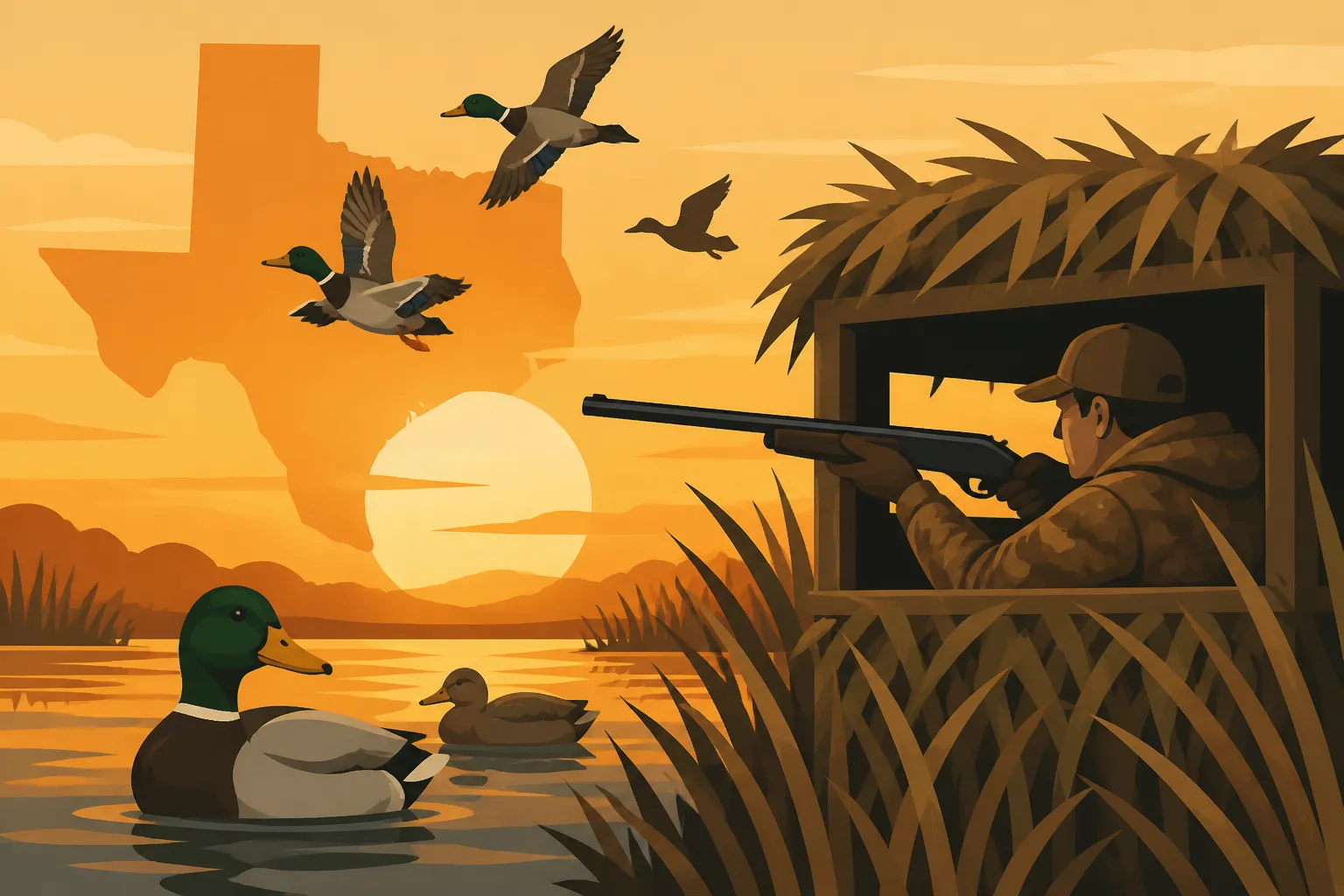
Duck Hunting in Texas: Decoys & Blinds
The excitement of a crisp morning breaking over a Texas marsh or a flooded timber bottom is something every duck hunter lives for, but let's be real, the sheer effort and complexity involved can quickly turn that excitement into frustration. From lugging heavy decoys through sticky mud to trying to hide from the sharp eyes of a wary teal, it often feels like the ducks have all the advantages. This comprehensive guide is here to equip you with the knowledge and strategies you need to effectively use decoys and blinds, turning those challenging Texas duck hunting days into memorable successes.
Understanding Texas Duck Habitats and Migratory Patterns
Texas is a truly unique state when it comes to duck hunting, offering an incredible diversity of habitats that attract an equally diverse range of migratory waterfowl. What works in the coastal marshes for pintails might be completely useless in a Panhandle playa lake for mallards. Understanding these distinct environments and the birds they attract is the first step to successful decoy and blind strategies.
Coastal Marshes and Bays
Ah, the Texas Gulf Coast – a mecca for waterfowl, but a beast to hunt! The vast expanses of brackish and saltwater marshes, interwoven with bayous and open bays, are the wintering grounds for millions of ducks. Here, you'll primarily encounter species like redheads, pintails, wigeon, gadwall, and various teal. The challenge in these areas often lies in accessibility, tide changes, and finding consistent feeding grounds. You might be hunting over open water one day, and the next, a falling tide could leave your decoys high and dry. The birds are accustomed to wide-open spaces, so your spread needs to reflect that, and your blind needs to be virtually invisible against the sparse natural cover. The sheer size of these areas also means birds can raft up in huge numbers, making it tough to pull them into smaller setups.
The coastal marsh environment, from Galveston down to Corpus Christi and beyond, is dynamic. Strong winds can make setting up decoys a real chore, and fog can roll in quickly, turning a clear morning into a pea-souper. Hunters often use mud motors or airboats to navigate the shallow, vegetated flats. When hunting these areas, it’s crucial to scout for active feeding areas and understand how the tides influence bird movement. Sometimes, the birds will feed on a rising tide along the edges, and other times, they'll congregate in deeper pockets as the water recedes.
Inland Lakes, Ponds, and Rivers
Move away from the coast, and Texas offers a completely different waterfowl experience. The state is dotted with countless stock tanks, large reservoirs like Sam Rayburn and Toledo Bend, and river systems such as the Trinity and Brazos. These inland spots attract more dabbling ducks like mallards, wood ducks, and often good numbers of gadwall and teal. Here, the hunting can be more intimate, often focusing on smaller bodies of water or river bends. The challenges include navigating private land access, finding less-pressured birds, and adapting to varying water levels in drought years.
For these spots, concealment is absolutely paramount. Ducks here tend to be warier because they often encounter more hunting pressure on smaller, confined bodies of water. A subtle approach with a well-camouflaged blind is often more effective than a massive decoy spread. Think about the local food sources – acorns in flooded timber, aquatic vegetation in ponds – and how that dictates where ducks will want to be. River hunting, in particular, requires understanding current and how ducks use river bends and sandbars to rest and feed. A careful approach and patience are key.
Agricultural Fields
Then there are the agricultural fields, especially in areas like the Texas Panhandle, North Central Texas, and the rice belt along the Gulf Coast. These fields – harvested corn, wheat, or flooded rice paddies – are magnets for ducks and geese, particularly large flocks of mallards, pintails, and various geese. Hunting these fields offers a unique challenge: you're often hunting dry ground or very shallow water, and the birds are typically focused on abundant food sources. This means large, realistic decoy spreads are often necessary to convince passing flocks to commit.
The sheer scale of field hunting can be daunting. You're trying to hide from birds that are often flying at high altitudes, constantly scanning for anything out of place. This is where specialized field blinds, like layout blinds, truly shine. Scouting is non-negotiable; you absolutely must know where the birds are feeding. Weather plays a huge role too; a sudden cold front can push new birds into the area, while warm, sunny days can make birds lethargic and less willing to decoy. Always be prepared to adapt your spread based on the specific crop and the birds' behavior.
Essential Decoy Strategies for Texas Waterfowl
Decoys aren't just plastic ducks you throw in the water; they're your primary tool for convincing wary waterfowl that your spot is safe and inviting. Using them effectively in Texas means adapting to the specific species, habitat, and hunting pressure you're facing.
Spreads for Different Species
One size definitely does not fit all when it comes to decoy spreads in Texas. A dozen mallard decoys might cut it for a small stock tank, but try that in a wide-open coastal bay, and you'll likely be watching birds flare a mile out.
For dabblers like mallards, gadwall, and pintails in inland ponds or flooded timber, a mixed spread of 1-3 dozen decoys mimicking a natural feeding group often works well. A "J" or "U" shaped spread with a landing hole in the middle, facing downwind, is a classic and effective choice. This creates an inviting pocket for incoming birds to land. When considering your overall setup, remember that Best Duck Decoy Spread for Texas Coast will differ greatly from inland pond strategies.
On the Texas coast, where redheads and pintails dominate, you'll often need bigger spreads, sometimes 50-100 decoys or more, to grab their attention over vast distances. These birds often prefer more open water, so a long line or large blob spread can be effective, mimicking huge rafts of resting birds. Diver spreads often feature multiple lines of decoys anchored together, creating a massive, visible presence. Don't forget species-specific decoys; redheads tend to decoy better to other redheads, for example. If you're hunting along the coast, especially for fast-flying teal during the September Teal Season Dates in Texas, a smaller, more dynamic spread might be more effective.
Motion Decoys and Spinners
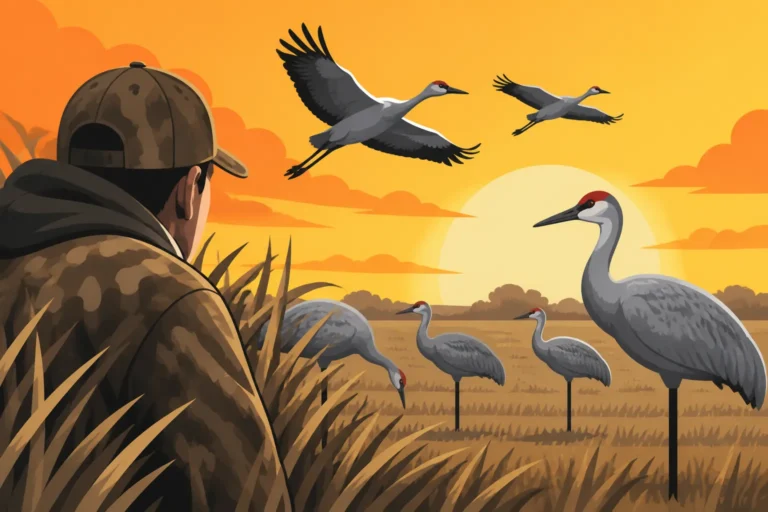
In the world of duck hunting, motion equals attraction, especially in Texas where ducks can become quite educated. Motion decoys, particularly spinning-wing decoys (often called "spinners" or "mojo ducks"), have revolutionized duck hunting. They simulate the flickering wings of a landing duck, providing a visual beacon that can pull birds from incredible distances. For dabbling ducks, one or two spinners placed strategically within your spread can make a huge difference, especially on calm, windless days when traditional decoys offer no movement.
However, there's a caveat: overused or improperly used spinners can sometimes flare wary birds, especially late in the season. Some hunters swear by them every single time, while others use them sparingly, only when ducks aren't responding to static spreads. The key is balance. Sometimes, a single flapping-wing decoy or a jerk string system that allows you to animate a few decoys manually can be more subtle and effective. For field hunting, kites or flags can provide vital movement for high-flying birds.
Don't overlook the subtle movement provided by a jerk string. This simple device allows you to create ripples and simulate duck activity with a gentle tug, and it can be especially deadly in small water, drawing attention without being overly aggressive.
Realistic Decoy Placement and Maintenance
It's not just about how many decoys you have, but how you place them. Realism is key. Ducks don't land in neat rows; they spread out, feed, and interact. Pay attention to wind direction – ducks almost always land into the wind. Your landing hole should be open and facing into the prevailing wind, giving them a clear path. Mix up your species and poses; some decoys should be feeders, some upright, some resting. A few goose decoys on the edge of a duck spread can even add a sense of security, making ducks feel safer.
Water depth also dictates placement. Ducks won't land where it's too deep to feed. In shallow areas, place your feeders in the shallowest spots. In deeper water, cluster resting birds. Always scout before you hunt to get an idea of how ducks are naturally loafing and feeding in that specific location.
Maintenance is another often-overlooked aspect. Faded, bullet-riddled, or waterlogged decoys look unnatural and will quickly educate birds. Keep your decoys clean, repaint them if necessary, and repair any leaks. A well-maintained spread looks more natural and will consistently attract more birds. After all, you're trying to fool an animal with incredibly sharp eyesight!
Types of Blinds and Their Applications in Texas
Concealment is the name of the game in duck hunting, and Texas offers a spectrum of terrain that demands different blind solutions. From the open expanses of rice fields to the thick cover of timber, choosing the right blind is crucial for success.
Layout Blinds
When you're hunting ducks in a stubble field, a harvested cornfield, or even a dry pond edge in Texas, a layout blind is your best friend. These low-profile, coffin-like blinds allow you to lie flat on your back, hidden beneath a camouflaged shell. They blend seamlessly into the field, especially when brushed in with local vegetation like corn stalks, wheat stubble, or hay. The beauty of a layout blind is its portability and effectiveness in open environments where traditional upright blinds would stick out like a sore thumb. You can set up directly in the ducks' flight path, right amidst your decoys.
The major consideration for layout blinds in Texas is the sheer heat, especially during early season teal or even later in the main season when warm fronts can push through. Lying flat can get uncomfortable. However, their advantage in concealment often outweighs the discomfort. They are particularly effective when hunting large flocks of mallards or pintails that are feeding in agricultural fields, as these birds are notorious for circling high and spotting anything out of place. Learning How to Set Up a Box Blind Over a Feeder is great, but that's a different beast entirely from field hunting.
A-Frame and Panel Blinds
For more versatile concealment in areas with varying cover, A-frame and panel blinds are excellent choices. A-frame blinds are essentially triangular structures, often collapsible, that provide a sturdy frame for brushing in. They're great for hunting along tree lines, brushy ditch banks, or in marshes where you need a bit more height and structural integrity than a layout blind. Panel blinds are similar but typically consist of individual panels that can be linked together to create a custom-sized blind. Both types allow you to stand or sit upright, offering more comfort and visibility than a layout blind.
These blinds excel in situations where you need to adapt to the available cover. Say you're hunting a tank surrounded by sparse mesquite and some tall grass; an A-frame or panel blind can be quickly brushed in to match the surroundings. They're also a good choice for hunting with a dog, as they provide ample space for both you and your retriever. Look for models that are easy to transport and quick to set up, as you might need to move spots if the birds aren't working your initial location. Brands like Rig'Em Right and Avery make popular, durable panel and A-frame style blinds that hold up well to Texas conditions.
Natural and Improvised Blinds
Sometimes, the best blind is the one nature provides. Texas, with its varied landscapes, offers plenty of opportunities for natural concealment. This could mean hiding within a thick clump of cattails in a marsh, nestled into a mesquite thicket along a pond, or even simply hunkering down behind a large fallen log in flooded timber. The key to successful natural blinds is to become part of the environment. Break up your outline, use face paint or a mask, and remain absolutely still as birds approach.
Improvised blinds take this a step further. This might involve building a makeshift blind from cut brush and stakes on a temporary basis, especially if you're hunting a new spot that lacks cover. A simple tarp draped over some branches can also work in a pinch. The beauty of natural and improvised blinds is their cost-effectiveness and their ability to blend perfectly with the immediate surroundings. However, they can be less comfortable and offer less protection from the elements. This approach demands a keen eye for existing cover and a willingness to get creative, often using only what's at hand.
Gear and Setup for a Successful Texas Duck Hunt
Beyond decoys and blinds, a successful Texas duck hunt relies heavily on having the right supporting gear. The Texas weather can be notoriously unpredictable, and being unprepared can quickly ruin a hunt.
Waders and Weather-Appropriate Clothing
Texas weather can swing wildly. One morning it might be a frosty 28 degrees, and by midday, it's a balmy 60. Then a Blue Norther rolls through, and you're back in a deep freeze. Because of this, layering is absolutely essential for Texas duck hunting. Start with a moisture-wicking base layer, add insulating layers like fleece or down, and top it off with a waterproof, windproof outer shell in a suitable camouflage pattern. Don't forget a warm hat and gloves – you lose most of your body heat through your head and extremities.
Waders are non-negotiable for most Texas duck hunting scenarios, whether you're slogging through coastal mud flats or wading into an inland pond. Chest waders are the most common choice, keeping you dry and warm in water up to your chest. Neoprene waders offer excellent insulation for colder days, while breathable waders are more comfortable for warmer early season hunts or when you'll be doing a lot of walking. Ensure they fit well, allow for layering underneath, and are durable enough to withstand thorns and rough terrain. Consider investing in quality Snake Boots vs Snake Gaiters Which for Texas for added protection if you're in brushy areas.
Shotguns and Ammunition
Your shotgun is, of course, a critical piece of gear. Most duck hunters opt for a 12-gauge, semi-automatic, or pump-action shotgun. A 3-inch or 3.5-inch chamber gives you versatility for different loads. Reliability is key; waterfowl hunting often involves wet, muddy, and cold conditions, so a gun that cycles reliably is paramount. Brands like Benelli, Beretta, Remington, and Browning are popular choices known for their durability and performance.
Ammunition choice is equally important. Federal regulations mandate the use of non-toxic shot for waterfowl hunting. Steel shot is the most common and affordable option, but it performs differently than lead. You might need to go up a shot size or two (e.g., #2 steel instead of #4 lead) to achieve similar knockdown power. Other non-toxic alternatives like Bismuth, Tungsten-Matrix, or Hevi-Shot offer denser patterns and better terminal performance but come at a higher cost. For typical Texas ducks like mallards, gadwall, and pintails, steel shot in #2 or #3 is a good all-around choice. For larger ducks or longer shots, BB or BBB steel might be appropriate. Always pattern your shotgun with your chosen loads to see how they perform.
Dog Training and Handling
For many, duck hunting isn't complete without a loyal retriever by their side. A well-trained duck dog can make the difference between lost birds and a full strap. In Texas, where ducks often fall into dense cover, deep water, or across mud flats, a good retriever is invaluable. Labs, Chessies, and Goldens are the most popular breeds.
Training should focus on obedience, force fetch, and blind retrieves. Your dog needs to sit quietly in the blind, remain steady until commanded, and be able to retrieve birds from various terrains and water conditions. Hand signals are crucial for sending your dog on blind retrieves, especially for birds that fall far from the blind. During the hunt, ensure your dog has a comfortable, dry spot in the blind and access to fresh water. Protect their paws from sharp ice or rough terrain, and be mindful of the Texas heat, as dogs can overheat quickly. Many hunters also choose to invest in a dog vest for protection and buoyancy.
Mastering Duck Calling and Shot Placement
Calling and shooting are the two skills that truly separate successful duck hunters from those who just watch birds fly by. In Texas, where ducks are often pressured, these skills are more critical than ever.
Basic Calls and When to Use Them
Duck calling is an art form, not just noise-making. The goal is to sound like a contented duck, reassuring passing birds that your area is safe and full of their kind. For most Texas duck species, especially mallards, gadwall, and pintails, the basic mallard hen calls are your bread and butter.
- Greeting Call: A series of five to seven sharp, descending quacks (e.g., quack-quack-quack-quack-quack). Use this to get the attention of birds flying far away.
- Comeback Call: A louder, more urgent series of quacks, often longer than the greeting call, used when birds begin to leave or ignore your initial calls. This tells them, "Hey, don't leave! Come back!"
- Pleading or Lonesome Hen Call: A long, drawn-out quaaaaaaack followed by a pause, then another quack. Use this when birds are directly overhead or circling, sounding like a single, lonely hen looking for company.
- Feeding Chatter: A rapid, soft series of short, choppy quacks and clucks that simulate ducks happily feeding. This is your go-to call when birds are committed and working your spread. It provides reassurance as they get closer.
Start with these basics and practice, practice, practice. You want to sound natural, not like a broken record.
Advanced Calling Techniques
Once you've mastered the basics, you can add more nuance to your calling. Learning to sound like multiple hens, or even incorporating drake whistles, can add realism to your calling sequence.
- Cadence Calling: Varying the rhythm and volume of your calls to mimic a more natural conversation among ducks. Don't just make noise; make music.
- Whistles: For species like wigeon, pintails, and even some teal, a duck whistle can be incredibly effective. A pintail drake whistle, for example, is a simple, high-pitched trill that can often pull reluctant birds into range.
- Blind Calling: Calling without seeing birds, especially in foggy conditions or when birds are just over the tree line, can sometimes pull them into view.
The key to advanced calling is knowing when to call and, more importantly, when to shut up. Overcalling is a common mistake. If birds are coming, let the decoys do their work. Only call to correct them or give a soft, reassuring feeding chuckle. Also, remember that How to Grunt and Rattle Whitetail in the Hill Country involves very different techniques than duck calling, so don't mix them up!
Decoy Spreads for Texas Coast
The vastness of the Texas Coast demands different decoy strategies compared to inland ponds or fields. For popular species like redheads and pintails, you'll generally need larger spreads to catch their attention over the open water.
- Long Line Spreads: Ideal for diver ducks in open bay systems. A single long line of 20-50 decoys, anchored at both ends, creates a highly visible string of ducks that can be seen from a distance. Sometimes, multiple lines can be set in a "V" or "W" shape.
- Pod Spreads: For dabblers or mixed bags, creating several "pods" or clusters of 6-12 decoys, each mimicking a small feeding group, can be effective. This offers a more natural look than a single, large blob.
- Resting Rigs: When birds are pressured, a spread composed mostly of resting or loafing decoys can be incredibly effective. These decoys sit low in the water, mimicking content birds that are in no hurry to leave.
- Pintail Stringers: For wary pintails, especially during calmer conditions, a string of several pintail decoys, spaced far apart and tied to a single main line, can create a natural-looking "string" of birds feeding.
Consider incorporating a few goose floaters on the perimeter of your duck spread. This can offer an added sense of security, signaling to incoming ducks that your spread is a safe haven.
Navigating Regulations and Safety in Texas Duck Hunting
Understanding the rules and prioritizing safety are non-negotiable aspects of duck hunting in Texas. Regulations can change, and conditions can be dangerous, so staying informed and prepared is vital.
Licenses and Stamps
Before you even think about setting out decoys, ensure you have all the necessary licenses and stamps. In Texas, you'll need a valid hunting license. For migratory birds like ducks, you'll also need a Texas Migratory Game Bird Endorsement and a federal Migratory Bird Hunting and Conservation Stamp (often called a "Duck Stamp"). You must also be HIP (Harvest Information Program) certified. Non-residents will need a non-resident hunting license along with the necessary endorsements and stamps. You can purchase these online through the Texas Parks and Wildlife Department (TPWD) website or at most sporting goods stores. Always carry your licenses and stamps with you while hunting, as game wardens frequently check. Don't assume you know everything; periodically check the Texas Hunting License Cost, Types & How to Buy (2026) page for updates.
Bag Limits and Shooting Hours
Texas has specific daily bag limits for different duck species, and these can vary by species (e.g., mallards, pintails, redheads, teal). There are also possession limits, which dictate how many birds you can have in your possession after a hunt or while transporting them. It's absolutely critical to correctly identify your birds before shooting, which can be challenging in low light or with fast-flying ducks. Study your duck identification guides!
Shooting hours for migratory birds typically begin 30 minutes before sunrise and end at sunset. Always check the official TPWD Outdoor Annual for the exact times for your specific hunting dates and zone, as these are based on local sunrise and sunset. Using a reliable app or chart that provides accurate shooting times is a smart move. Violating bag limits or shooting hours can result in hefty fines and loss of hunting privileges, so be vigilant. Texas also has various Texas Duck & Waterfowl Season 2026 Zones so make sure you know which zone you're hunting in.
Safety Best Practices
Waterfowl hunting often takes place in challenging environments – cold water, slippery mud, difficult terrain, and often in low light. Safety must always be your top priority.
- Firearms Safety: Always follow the four primary rules of firearm safety: treat every gun as if it's loaded, always point the muzzle in a safe direction, keep your finger off the trigger until ready to shoot, and be sure of your target and what's beyond it. In a crowded blind, spatial awareness is key. Know where other hunters are and establish safe shooting lanes.
- Boating Safety: If hunting from a boat, wear a life jacket, especially in cold water. Don't overload your boat, and be aware of changing weather and water conditions. Always tell someone where you're going and when you expect to return.
- Weather Preparedness: Texas weather can be brutal. Dress in layers to prevent hypothermia, even on seemingly mild days. Carry extra dry clothing in a waterproof bag. Dehydration is also a risk, so bring plenty of water.
- Hypothermia and Cold Water Shock: If you fall into cold water, the danger of hypothermia and cold water shock is real. Wear a life vest, know how to self-rescue, and hunt with a buddy.
- First Aid: Carry a well-stocked first-aid kit in your blind or boat, including items for cuts, scrapes, and emergency warmth.
Field Care and Culinary Tips for Your Harvest
The hunt doesn't end when the birds are down. Proper field care is essential for ensuring your hard-earned ducks make it to the table as delicious table fare.
Field Dressing in the Field
Texas heat, even on cool hunting mornings, can quickly spoil game if not handled properly. As soon as you retrieve a duck, the best practice is to field dress it immediately. This means removing the entrails, which helps the bird cool down much faster. You can either breast out the bird (removing only the breast meat) or pluck it whole.
To breast out: lay the bird on its back, make an incision down the center of the breastbone, and pull the skin away. Then, use your fingers to separate the breast meat from the bone. The legs and thighs can also be removed if desired. Place the meat in a game bag or a cooler with ice immediately.
If plucking, rough pluck as many feathers as possible in the field. This makes the later plucking much easier. The quicker you can get the bird cooled down, the better the meat quality will be. Carrying a cooler full of ice to your hunting spot is a smart move, especially if you're not planning to head straight home. For more detailed instructions, you might find How to Cool a Deer Fast in Texas Heat to be a helpful reference for general game cooling principles, even if it focuses on deer.
Transport and Storage
Once field dressed, your ducks need to be transported and stored properly. Place the cleaned birds or breast meat in resealable plastic bags, then immediately into a cooler packed with ice. Keep the birds on ice until you can get them home for final processing. Never just throw them in the bed of your truck in a pile; they'll spoil rapidly in Texas temperatures.
At home, you can either completely pluck the birds, skin them, or finish breasting them out.
- Plucking: If you want to roast the bird whole, plucking is the way to go. A paraffin wax dip or a mechanical plucker can speed up this messy process.
- Skinning: For those who prefer to fry or grill duck, skinning is a quicker alternative to plucking. While the skin does add flavor, many find it too fatty for certain preparations.
- Freezing: Vacuum sealing is the best method for freezing duck meat, as it prevents freezer burn and maintains quality for up to a year. If you don't have a vacuum sealer, wrap the meat tightly in plastic wrap, then butcher paper, and finally place it in a freezer bag, squeezing out as much air as possible. Label and date everything!
Cooking Your Texas Ducks
Now for the best part – enjoying your harvest! Texas ducks offer a range of culinary experiences. Smaller, leaner ducks like teal are fantastic simply pan-seared or grilled to a medium-rare. They cook quickly and have a mild flavor.
Larger ducks like mallards, gadwall, and pintails have richer, more pronounced flavors. They can be roasted whole, slow-cooked in stews, or made into sausage. Many people marinate duck breasts to tenderize them and add flavor. A simple marinade of soy sauce, garlic, ginger, and a touch of honey can work wonders.
Redheads, often harvested along the Texas coast, are diving ducks and can have a stronger, "fishier" flavor due to their diet. Many hunters parboil or soak redhead breasts in saltwater or buttermilk overnight to temper this flavor before cooking. Often, these birds are best prepared by stuffing them with ingredients like jalapenos and cream cheese, wrapping them in bacon, and grilling or smoking them. Don't be afraid to experiment with different recipes. Wild duck is a versatile protein that can be incredibly delicious with the right preparation.
Table of Common Texas Duck Species & Decoy Tips
| Species Group | Common Texas Species | Habitat Preference | Typical Decoy Spread Size | Decoy Color & Pose Tips | Special Considerations |
|---|---|---|---|---|---|
| Dabblers | Mallard, Gadwall, Pintail, Green-winged Teal, Blue-winged Teal, Shoveler, Wigeon, Wood Duck | Inland ponds, lakes, rivers, flooded timber, agricultural fields, coastal marshes | Small to Medium (1-4 dozen for ponds, 2-5 dozen for fields/marshes) | Natural colors, mixed feeding & upright poses. Use pintail/wigeon specifics for those species. | Utilize motion (spinners, jerk strings). Landing hole crucial. Scout for feed. |
| Divers | Redhead, Canvasback, Scaup (Bluebill), Ring-necked Duck | Bays, large open lakes, deep water coastal marshes | Medium to Large (3-10 dozen or more) | Darker colors, upright and sleeper poses. Redhead decoys for redheads. | Spread out in large groups or long lines. Consider offshore rigs. |
Disclaimer
Hunting is an inherently dangerous activity. This guide is for informational purposes only and does not substitute for proper training, adherence to all local, state, and federal regulations, or exercising personal responsibility. Always prioritize safety, respect wildlife, and obtain necessary licenses and permits. Consult the official Texas Parks and Wildlife Department (TPWD) Outdoor Annual for the most current regulations.