Where to Hunt Mourning Dove in Texas
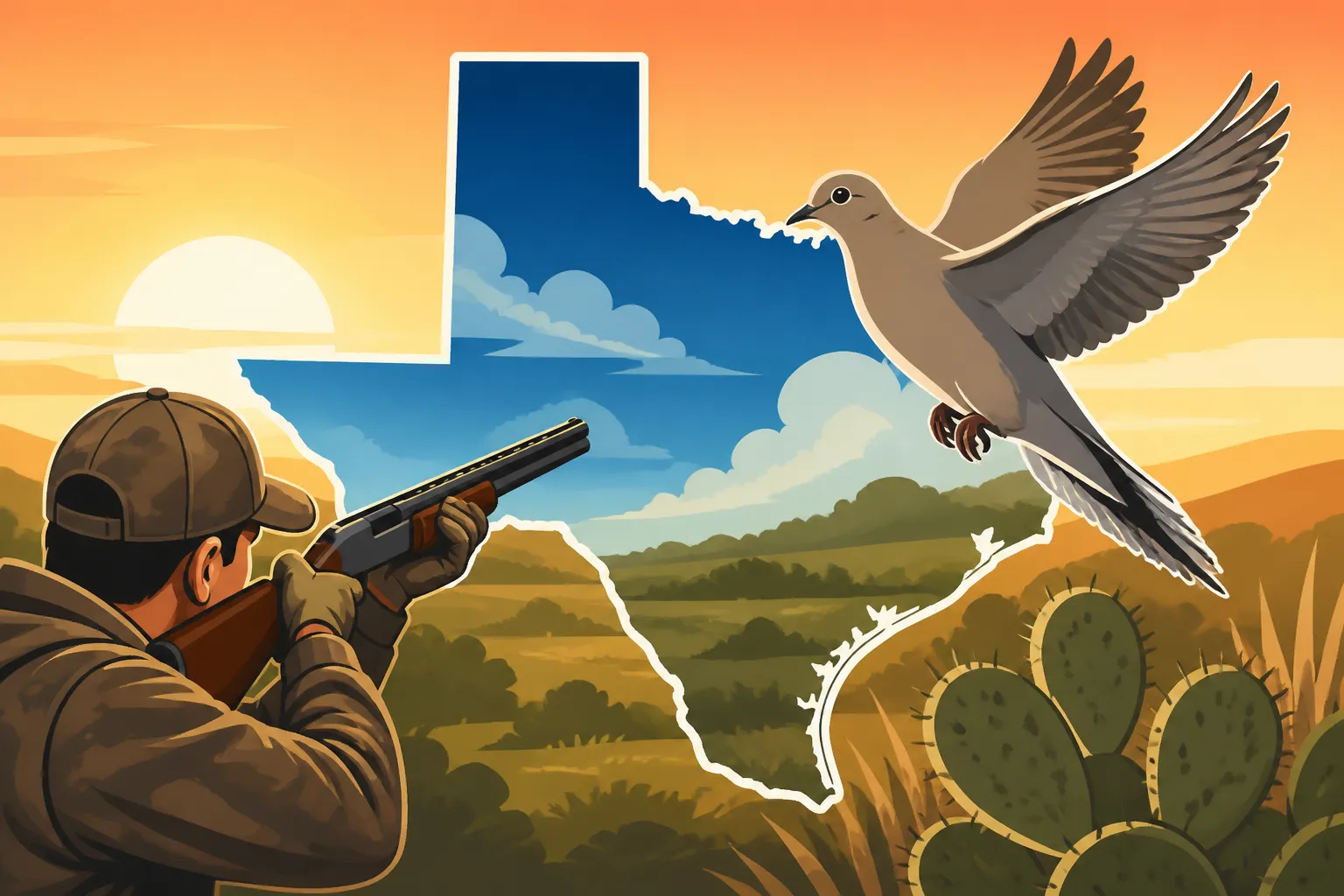
Finding a prime spot to hunt mourning dove in Texas can feel like a daunting task, especially with so much ground to cover and varying habitat across the state. Many hunters experience the frustration of driving for miles only to find overcrowded public lands or private fields that are completely locked down. This guide is designed to cut through that confusion, helping you understand where these quick-flying birds prefer to hang out and how to gain access to the best dove hunting opportunities Texas has to offer, whether you're looking for public land adventures or a private field experience.
Understanding Mourning Dove Habits and Habitat in Texas
Before you can even think about where to set up your stool and spread your decoys, you’ve got to get inside the head of a mourning dove. These aren't random birds; they have very specific needs that dictate their movements and where they'll be found. Texas is a huge state with diverse ecosystems, but the fundamental requirements for doves remain constant, and understanding them is your first step to success.
Key Habitat Components: Food, Water, and Roost Sites
Mourning doves are creatures of habit, particularly when it comes to their daily routine. Their lives revolve around a triangle of essential habitat components: food, water, and roosting/loafing areas. They typically start their day leaving the roost, heading directly to a feeding area, then moving to a watering hole, and finally finding a shaded spot to loaf during the heat of the day before returning to feed and then roost again in the evening.
When it comes to food, doves are primarily seed-eaters. They prefer small, easily digestible seeds found on the ground. Think of fields of native weeds, harvested agricultural fields, or even well-managed food plots. Some of their favorite natural forage includes sunflower, croton (doveweed), ragweed, and various millets. Agricultural fields like wheat, milo, and corn are absolute magnets for doves, especially after harvest when machinery has scattered grains across the ground. A field that's been recently mowed or disked can also be fantastic, as it exposes seeds and makes them easier for doves to find. If you're wondering how to make your own dove field, planting these types of seeds is key. Water is just as critical. Doves need to drink frequently, especially in the warm Texas climate. Ponds, tanks, creeks, and even cattle troughs can serve as vital watering spots. Look for areas with bare, open ground around the water's edge, as doves prefer to land and walk to drink rather than navigating dense vegetation. Finally, roosting and loafing areas are usually characterized by dense trees or brush, offering protection from predators and the elements. Mesquite thickets, live oak mottes, and even utility lines are common places where doves will gather to rest. Scouting for these three elements in close proximity is the golden rule for locating concentrations of birds.
Migration Patterns and Seasonal Movements
Mourning doves in Texas aren't just local residents; many are migratory, and their movements significantly impact where and when you'll find them. Texas sits squarely in the Central Flyway, making it a critical corridor for millions of doves. Understanding these patterns is essential for planning your hunts, especially around the highly anticipated September 1 opener.
While some doves are year-round residents, a large portion of the population that hunters target in the fall are migrants moving south from northern states. The timing of their arrival and passage through Texas is influenced by weather patterns and food availability. Early in the season, particularly during the first few weeks of September, you'll often encounter a mix of local birds and the first waves of early migrants. As the season progresses and cooler weather pushes down from the north, more doves will funnel into the state. Areas in the North Zone often see the earliest influx of migrants, while the Central and South Zones can hold strong numbers well into October and even November, especially if a good food source and mild weather persist. It's worth remembering that Texas has distinct dove zones, and understanding the nuances of the Texas Dove Season 2026: Zones & Dates is crucial for legal and successful hunting. Local birds, often referred to as "resident birds," are important, but the sheer volume of migratory doves can make or break a season in many regions. Pay attention to local reports and weather forecasts – a strong cold front can often push new birds into an area, revitalizing hunting opportunities.
Navigating Public Hunting Opportunities for Doves
Texas is predominantly private land, which can make finding a good public hunting spot for doves feel like searching for a needle in a haystack. However, with a little research and effort, there are excellent opportunities available through the Texas Parks and Wildlife Department (TPWD) and other federal agencies. The key is knowing where to look and understanding the specific access requirements.
Wildlife Management Areas and Annual Public Hunting Permit
Wildlife Management Areas (WMAs) are the crown jewels of public hunting in Texas. TPWD manages these lands specifically for wildlife conservation and public recreation, including hunting. While some WMAs offer drawn hunts for doves, many provide general dove hunting opportunities that can be accessed with an Annual Public Hunting (APH) Permit. This permit, often called the "public land permit," is incredibly affordable and unlocks access to hundreds of thousands of acres across the state.
WMAs like Chaparral WMA in South Texas or Gene Howe WMA in the Panhandle are well-known for their dove populations. These areas often feature managed fields of sunflowers, millets, or wheat specifically planted for doves, along with natural forage and water sources. The challenge with WMAs can be hunter pressure, especially on opening weekend. To mitigate this, consider hunting on weekdays, exploring less accessible parts of the WMA, or trying different fields that might not be as obvious. Tools like the GoHunt app can be incredibly helpful for navigating WMA boundaries, identifying access points, and scouting potential hotspots remotely. Always check the specific WMA regulations and hunt schedules in the Texas Public Hunting Lands section of the Outdoor Annual or on the TPWD website, as rules can vary greatly from one area to another. Some WMAs might require sign-in, specific shooting hours, or have restricted vehicle access. Being prepared with this information saves a lot of frustration and ensures you're hunting legally and safely.
National Grasslands and Other Public Lands
Beyond WMAs, Texas also boasts other public land options that can provide fantastic dove hunting, particularly the National Grasslands and lands managed by the U.S. Army Corps of Engineers. These lands often see less overall hunting pressure than some of the more popular WMAs, offering a more tranquil experience if you're willing to do some scouting.
The Caddo and Lyndon B. Johnson National Grasslands in North Texas, for instance, offer expansive areas with diverse habitats. While not always managed specifically for doves with planted fields, these grasslands contain ample native forage, scattered water sources, and abundant roosting cover in their wooded sections. Hunting these areas often requires more walking and "bird dogging" to locate concentrations of doves, but the reward can be a less crowded hunt. Similarly, many Corps of Engineers lakes have public hunting lands surrounding them, often featuring agricultural fields, riparian zones, and plenty of water. Access to these areas typically falls under the APH permit as well, but always double-check with the local Corps office or the TPWD public hunting map. Just like with WMAs, identifying property lines and access points is critical, and a reliable mapping app can make all the difference. Remember, these lands are multi-use, so you might encounter hikers, fishermen, or other outdoor enthusiasts. Being respectful and aware of your surroundings is paramount. Always consult the Texas Hunting Seasons: Complete Calendar by Species to ensure you're hunting within legal dates and regulations for all species.
Unlocking Private Land Access for Mourning Dove
For many Texas hunters, especially those chasing consistent dove action, private land is where the magic happens. While public lands offer accessibility, private properties often boast better habitat management, less pressure, and ultimately, more birds. The challenge, of course, is gaining access.
Building Relationships with Landowners
Gaining access to private land often boils down to building relationships and asking politely. It might seem old-fashioned, but knocking on doors or making phone calls to landowners can still yield incredible results. Farmers and ranchers, particularly those with harvested fields of wheat, sunflowers, or milo, are often inundated with doves and might be open to allowing ethical hunters access, especially if the birds are impacting their crops or feed.
When approaching a landowner, always be respectful, well-groomed, and offer to help in some way. Perhaps you can offer to fix a fence, help with a chore, or simply bring them a gift of appreciation. Clearly state your intentions, assure them you're a safe and responsible hunter, and offer to share some of your harvest. Providing proof of insurance or a hunting license can also help build trust. A key strategy is to start early, well before the season, giving you time to build rapport. Many successful dove hunters have found their best spots through word-of-mouth connections, so network within your community. Sometimes, a "no" today isn't a "no" forever; maintaining a good reputation can open doors in the future. Remember that hunting on private land, even with permission, still requires a valid Texas Hunting License: Cost, Types & How to Buy (2026).
Exploring Day Hunts and Lease Options
For those who don't have personal connections or the time to cultivate landowner relationships, day hunts and hunting leases are incredibly popular and often highly effective avenues for private land dove hunting. These options provide guaranteed access to prime real estate, often managed specifically for doves.
Day hunts are a fantastic option for dove hunters who don't want the commitment of a full season lease. Many outfitters and landowners across the state offer guided or unguided day hunts, particularly around the early season opener. You'll typically pay a per-hunter fee for access to a pre-scouted field, complete with water sources and good cover. Areas around big agricultural hubs like those in the Texas Panhandle, North Texas, or even pockets of South Texas will often have numerous outfitters advertising these opportunities. A quick search online for "Texas dove day hunts" will reveal many options. Brands like GoHunt sometimes list private land access opportunities, or you might find them through local hunting forums and classifieds. When booking a day hunt, inquire about the type of fields, expected hunter numbers, and any specific rules or amenities. For a more consistent, less crowded experience, a seasonal hunting lease might be the answer. While deer leases are most common, some landowners offer dove-only leases, especially on properties with excellent agricultural fields. These require a larger financial commitment but often provide exclusive access to well-managed properties. To learn more about securing these types of opportunities, check out our guide on Hunting Leases in Texas: Complete Guide (Cost & How to Find).
Effective Strategies for Scouting and Field Setup
Finding the location is only half the battle. To consistently fill your limit, you need to understand how to scout effectively and set up your spread to entice doves into range. This is where observation, patience, and a bit of tactical know-how come into play.
Pre-Season Reconnaissance and In-Season Adaptations
Scouting for doves isn't a one-and-done affair; it's an ongoing process. Pre-season reconnaissance, often starting weeks before the Texas Dove Season 2026: Zones & Dates, is critical for identifying hot spots before the pressure begins. Drive rural roads, binoculars in hand, looking for concentrations of birds. Pay close attention to power lines, isolated trees, and watering holes where doves loaf and gather. Observe flight paths—doves are creatures of habit and will often fly the same routes between food, water, and roost. This information is invaluable for placing yourself in their natural flight path.
As the season progresses, especially after opening weekend, dove patterns can change dramatically due to hunting pressure, changing food sources, or shifting migration. This is where in-season adaptations become vital. Don't be afraid to move if a spot isn't producing. What worked last week might not work today. Keep an eye on weather patterns; cool fronts often push new birds into an area, while sustained hot, dry conditions can make water sources even more critical. If you're hunting on a larger lease, use trail cameras set up near water sources or field edges to monitor activity, even for doves. You can also use online mapping tools, which many hunters find indispensable. Services like GoHunt offer detailed satellite imagery and property boundaries, helping you identify potential pinch points, water sources, and unpressured corners of fields from your computer or phone. This kind of dynamic scouting, combining both boots-on-the-ground observation and technological assistance, will give you a significant edge.
Decoy Spreads and Concealment for Success
Once you've identified a promising spot, your field setup and concealment are paramount. Doves have excellent eyesight, and while they can be forgiving, a poorly concealed hunter will quickly flare birds. The goal is to blend into your surroundings and entice doves to commit to your shooting zone.
Effective concealment means breaking up your outline. Natural cover like mesquite bushes, tall weeds, or fence lines are ideal. If natural cover is sparse, a good ground blind or even a simple camo netting draped over a stool can make a huge difference. Sit still, wear camouflage that matches your surroundings, and avoid sudden movements. When it comes to decoys, less is often more, but strategic placement is everything. A spread of 6-12 static dove decoys, placed on the ground in an open area that doves would naturally feed, can be very effective. However, the real game-changer is often motion. Battery-operated spinning wing decoys, such as a Mojo Dove, are incredibly effective at grabbing a dove's attention from a distance and making them curious enough to come investigate. Place these motion decoys a little higher than your ground decoys, perhaps on a pole or a fence post, to simulate a bird landing. Position yourself 20-30 yards downwind from your decoy spread, allowing incoming birds to face into the wind as they approach, which slows them down and presents a better shot. Don't forget a good bird bag or bucket to sit on, and plenty of water, especially during early season hunts. For more detailed insights on effective setups, check out our guide on Dove Field Setup: Where to Stand or How to Use Decoys for Dove Hunting.
Here's a quick comparison of popular dove hunting options in Texas:
| Hunting Opportunity | Pros | Cons | Cost (Typical) | Effort Level (Scouting/Access) |
|---|---|---|---|---|
| Public WMAs | Accessible with APH permit, often managed for doves, diverse habitat | High hunter pressure, can be competitive, specific rules | Low (APH Permit ~$48) | Medium |
| National Grasslands | Less pressure, expansive, natural forage, APH access | Requires more scouting, less managed for doves, can be sparse | Low (APH Permit ~$48) | High |
| Private Permission | Exclusive access, low pressure, potentially prime habitat | Difficult to secure, requires landowner relationships, no guarantee | Free (or goodwill gesture) | Very High |
| Private Day Hunts | Guaranteed access to scouted fields, often guided, higher success | Can be expensive per hunt, limited time, varying quality | Medium to High ($75-$200+) | Low (booking) |
| Private Lease | Exclusive access, low pressure, consistent opportunity | High financial commitment, long-term responsibility | High ($500-$5000+ /year) | Medium |
Disclaimer
Hunting is an inherently dangerous activity. Always prioritize safety, follow all applicable laws and regulations, and respect private property. The information provided in this guide is for educational purposes only and should not be considered legal advice. Consult the official Texas Parks and Wildlife Department Outdoor Annual for the most current regulations before any hunting activity.