Where to Hunt Blue Quail in Texas
Finding blue quail in Texas can feel like chasing a desert ghost sometimes, especially if you're used to the more predictable coveys of bobwhites. These sporty birds love their wide-open, arid spaces, which means a completely different approach to scouting and hunting. This guide will walk you through exactly where to find blue quail across Texas and equip you with the knowledge to increase your chances of a successful hunt.
Unpacking Blue Quail Habitat Preferences in Texas
Before we dive into specific locations, it's crucial to understand what makes a place appealing to blue quail. Unlike the dense cover favored by their bobwhite cousins, blue quail, often called "scaled quail" for their distinctive feathering, are creatures of the open, dry country. They thrive in environments that would make many other game birds pack their bags.
Arid and Semi-Arid Landscapes
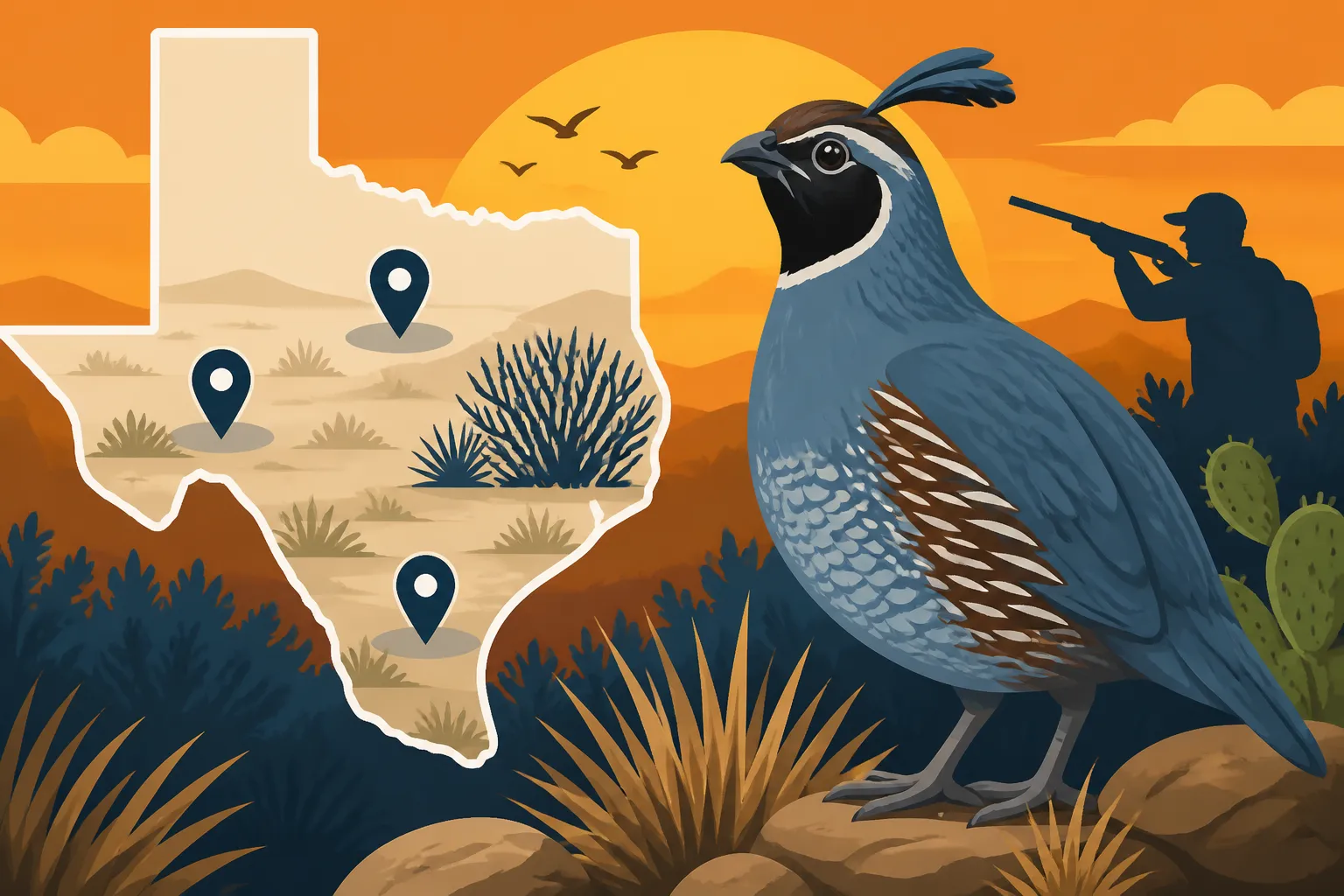
Blue quail are perfectly adapted to the dry, often rugged terrains of West and South Texas. They absolutely love areas with sparse vegetation, thorny brush, and plenty of bare ground or rocky outcrops. Think about landscapes where rainfall is typically low, and the dominant plants are mesquite, prickly pear, yucca, and various desert grasses. This type of environment provides them with the specific blend of cover, food, and escape routes they need. You won't find them in the lush, piney woods of East Texas, that's for sure. Their home is where the sun beats down hard and the dust devils dance.
Escape Cover and Foraging Grounds
While they prefer open spaces, blue quail aren't entirely exposed. They need thick, thorny bushes like mesquite, acacia, or even dense stands of prickly pear for escape cover from predators. When startled, these birds are famous for running like track stars rather than flushing, often disappearing into the nearest dense thicket. Their diet is pretty diverse, consisting of seeds, insects, and green vegetation, which they find by scratching through sparse ground cover. They'll often frequent areas where native grasses have gone to seed or where there's been some recent rain to sprout tender greens. Understanding these needs helps you recognize good habitat even if you're unfamiliar with a specific area, allowing you to use mapping tools like GoHunt to pinpoint potential spots by analyzing vegetation types and topographical features.
Prime Texas Regions for Blue Quail Hunting
When it comes to blue quail, Texas offers several distinct regions where these birds call home. Knowing these hotspots can save you a lot of driving and increase your chances of finding coveys.
The Trans-Pecos and Panhandle Regions
Without a doubt, the Trans-Pecos region, encompassing far West Texas, is a blue quail paradise. This rugged, mountainous, and high-desert area is quintessential scaled quail country. Counties like Jeff Davis, Presidio, Brewster, and Culberson are legendary for their blue quail populations. Here, you'll find vast expanses of Chihuahuan Desert, with its iconic agaves, yuccas, and thorny scrub, interspersed with mountain ranges. The sheer scale of the landscape means you might need to cover a lot of ground, but the rewards can be incredible.
Similarly, the western edge of the Texas Panhandle also offers excellent opportunities. While the central Panhandle is more known for its agricultural fields, the dryer, rougher western counties bordering New Mexico, like Dallam, Hartley, and Oldham, can hold good numbers of blue quail. These areas typically feature rolling plains with short grasses, mesquite, and cholla cactus, providing ideal conditions for these birds. Many hunters find themselves focused on mule deer in this part of the state, but savvy wingshooters know to keep an eye out for blue quail coveys too.
South Texas Brush Country
While the South Texas Brush Country is often synonymous with trophy whitetail deer and bobwhite quail, blue quail do have a significant presence here, especially in the western and more arid parts of this vast region. Counties such as Webb, Maverick, Dimmit, and even parts of Zapata and Starr, closer to the Rio Grande, can offer good blue quail hunting. Here, the dense, thorny brush is perfect for their running escape tactics, and the landscape is dotted with prickly pear and various acacia species.
The challenge in South Texas is that blue quail habitat can sometimes overlap with bobwhite habitat, leading to mixed bags. It's not uncommon to flush a covey of blues from a mesquite flat and then stumble into bobwhites in a patch of thicker, grassy cover nearby. Paying attention to the specific vegetation and terrain will help you differentiate between prime blue quail spots and bobwhite strongholds.
Accessing Blue Quail Hunting Grounds
Once you know where blue quail generally prefer to live, the next step is figuring out how to get access to those lands. Texas has a unique blend of private and public hunting opportunities.
Public Hunting Land Opportunities
Texas Parks and Wildlife Department (TPWD) manages several Wildlife Management Areas (WMAs) and offers drawn hunts through its Public Hunt Drawing System that can provide access to blue quail. While dedicated blue quail hunts are less common than for deer or turkey, many general small game or bird hunts might include blue quail as a target species. You'll need an Annual Public Hunting Permit (APH) to access most public lands, and checking the specific WMA regulations is always a must. Areas like the Black Gap WMA in the Trans-Pecos are prime examples of vast public lands where blue quail thrive. However, be prepared for rugged conditions and a true wilderness experience.
The key to success on public land is often thorough scouting and being willing to go where others aren't. Utilize mapping tools like GoHunt's public land layers to identify huntable acreage and cross-reference with satellite imagery to spot potential blue quail habitat. Remember that hunting pressure can be higher on accessible public tracts, so look for less obvious spots. For general information on public land options, you might want to read our guide on Public Hunting in Texas: WMAs & Annual Public Hunting Permit.
Private Leases and Day Hunts
The vast majority of prime hunting land in Texas is privately owned, making hunting leases and day hunts the most common ways to pursue blue quail. Finding a dedicated blue quail lease can be challenging, as many landowners focus on deer or bobwhite quail. However, many general bird leases in the Trans-Pecos or western South Texas will offer blue quail as part of their package. You might also find day hunts specifically for scaled quail, particularly in seasons with good bird numbers.
When searching for a lease, don't be afraid to ask specific questions about blue quail populations and past harvest success. Websites dedicated to hunting leases, along with local hunting guides and outfitters, can be invaluable resources. Our article on Hunting Leases in Texas: Complete Guide (Cost & How to Find) can provide a great starting point for navigating the lease market.
Here's a quick comparison of blue quail hunting access options:
| Access Type | Pros | Cons | Typical Regions |
|---|---|---|---|
| Public Land (WMAs) | Affordable, vast acreage, true wilderness experience | Rugged terrain, potential for higher pressure, limited availability | Trans-Pecos, Western Panhandle |
| Private Leases | Exclusive access, managed habitat, potential for amenities | Can be expensive, multi-year commitment, finding one can be hard | Trans-Pecos, Western South Texas, Panhandle |
| Guided Day Hunts | Expert knowledge, equipment provided, higher success | Most expensive per day, less flexibility, limited to specific ranches | Trans-Pecos, Western South Texas |
Essential Tactics for Blue Quail
Hunting blue quail isn't quite like hunting bobwhites. Their behavior demands different strategies and a patient, persistent approach.
Covering Ground and Using Dogs
Blue quail are notorious runners. When a covey is spooked, they'd much rather sprint through the sparse brush than take to the air. This makes having good bird dogs, particularly those with a strong nose and the ability to work wide, almost essential. Pointers and setters that can cover vast amounts of ground are excellent choices. They'll help you locate birds that might otherwise go undetected.
Be prepared to walk, a lot. Covering vast stretches of arid terrain is part of the blue quail hunt. Grid searching open flats, working along washes, and thoroughly investigating brush lines are all productive methods. You'll need to develop an eye for "quail sign," such as tracks in dusty areas, droppings, and the characteristic scale-like feathers.
The Art of the Flush
When a covey of blue quail does finally decide to fly, it's often a burst of speed from a thicket, and they won't fly far. They'll typically land and immediately start running again. This means you need to be quick on the draw and ready for follow-up shots. After the initial flush, mark where birds land and try to get ahead of their running path to attempt a re-flush. It's a game of chess, not checkers, with these birds.
Shot selection is important too. Given their explosive flush, open chokes like improved cylinder or modified are often preferred, coupled with lighter loads of 7 ½ or 8 shot. For more general guidance on bird hunting seasons, check out the Texas Quail Season Dates & Limit and the comprehensive Texas Hunting Seasons: Complete Calendar by Species. Always remember to consult the most current Texas Outdoor Annual for specific regulations before heading out.
Final Thoughts and Tips for Success
Hunting blue quail in Texas is a fantastic challenge that offers a unique experience. The vast, rugged landscapes, the elusive nature of the birds, and the sheer amount of ground you'll cover all contribute to an unforgettable adventure. Don't get discouraged if your first few attempts are tough. It takes time to learn their habits and the terrain.
Gear Up for the Desert
Beyond your shotgun and shells, consider the specialized gear needed for this environment. Comfortable, sturdy snake boots are non-negotiable in blue quail country. The thorny brush will tear up regular pants, so tough briar pants or chaps are a smart investment. Carry plenty of water for yourself and your dogs, as temperatures can soar even in the cooler months. A good GPS device or a robust hunting app like onX Hunt or even GoHunt with offline maps is also critical for navigating vast, unmarked territories.
Embrace the Experience
Ultimately, hunting blue quail isn't just about the birds in the bag; it's about immersing yourself in the wild, beautiful, and often harsh landscapes of West and South Texas. It's about the camaraderie with your hunting partners and the incredible bond you build with your dogs as they work tirelessly to find those elusive coveys. Take the time to appreciate the sunrise over a vast desert plain or the unique flora and fauna you encounter. It's a truly wild pursuit, and that's precisely why we love it.
Disclaimer
Hunting regulations and conditions in Texas can change frequently. Always consult the latest Texas Parks and Wildlife Department (TPWD) Outdoor Annual or their official website for the most up-to-date information on seasons, bag limits, licensing, and any special restrictions or CWD zones before planning your hunt. The information provided here is for general guidance and informational purposes only.