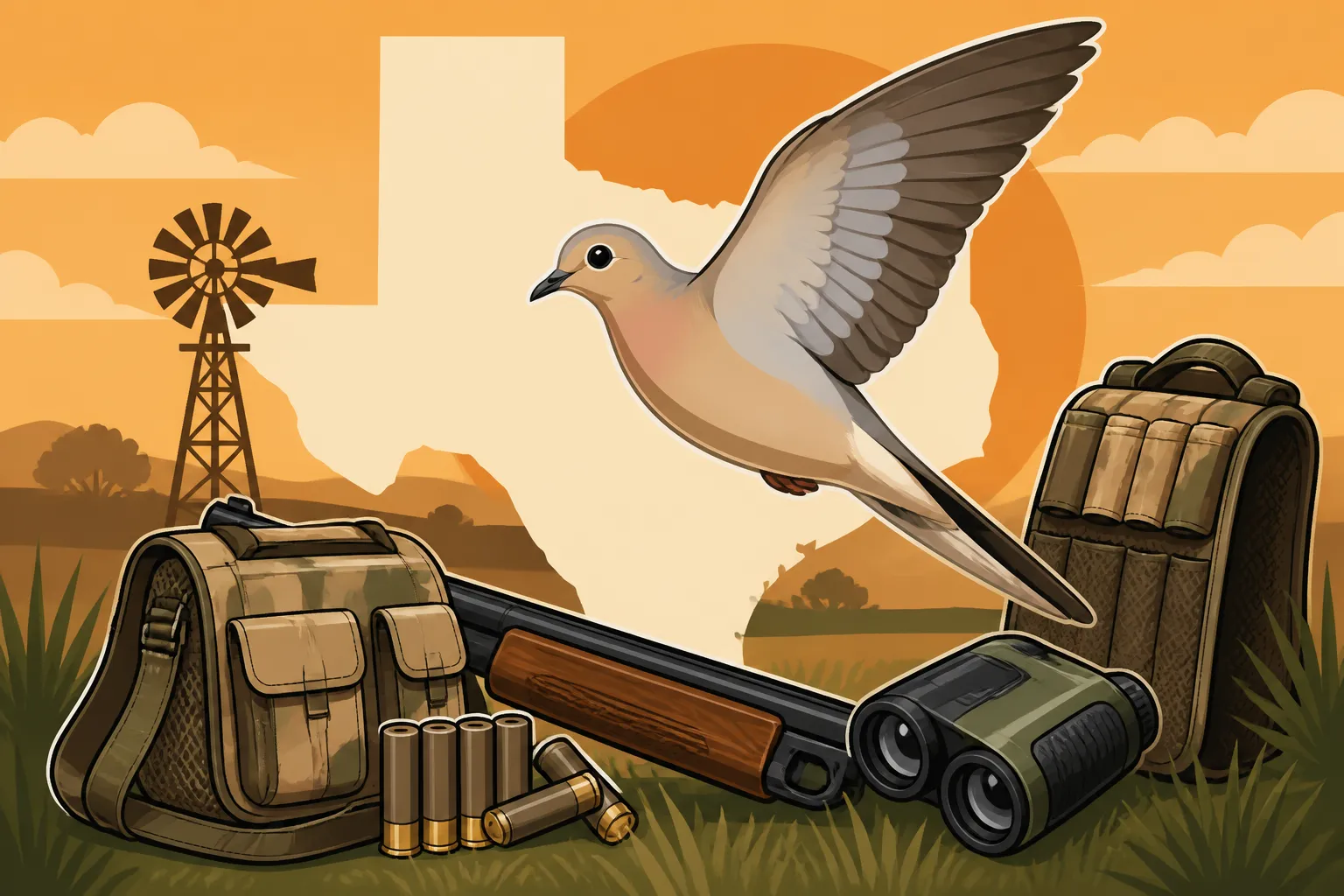
Best Gear for Mourning Dove on a Texas Lease
Hunting mourning dove on a Texas lease, especially during the sweltering early season, presents unique challenges that can easily turn a fun outing into a frustrating one without the right gear. From battling the intense heat to navigating unfamiliar terrain and ensuring you have everything needed for a successful shoot and proper game care, preparation is key. This guide will walk you through the essential gear you’ll need to make your dove hunt on a Texas lease not just productive, but genuinely comfortable and enjoyable.
Essential Shotguns and Ammunition for Texas Dove
When it comes to dove hunting, your choice of firearm and shells can make all the difference between a full strap and an empty cooler. Texas dove hunting often means high-volume shooting, so reliability and comfortable handling are paramount.
Shotgun Types and Gauges
Texas dove hunters typically lean towards either 12-gauge or 20-gauge shotguns, with semi-automatics and over/unders being the most popular actions. Each has its pros and cons, and what works best often comes down to personal preference and comfort.
A 12-gauge shotgun is the most common choice, and for good reason. It offers a wide array of ammunition options, from light target loads to heavier field loads, and provides a broader shot pattern, which can be forgiving on fast-flying doves. The versatility of a 12-gauge means you can use it for various other game birds too, making it a great all-around option for someone just starting out or looking for a do-it-all shotgun. However, firing dozens, or even hundreds, of 12-gauge shells in a single dove hunt can take a toll on your shoulder. Recoil can really add up, especially for younger hunters or those sensitive to it. Popular models like the Remington 870, Mossberg 500, or various semi-automatic options from brands like Benelli and Beretta are staples in many Texas hunters' safes.
For those looking for less recoil or a lighter gun to carry across fields, a 20-gauge shotgun is an excellent alternative. While it carries a slightly lighter payload and a tighter shot pattern, modern 20-gauge ammunition is incredibly effective on dove. Many experienced hunters, myself included, have switched to 20-gauge for dove purely for the comfort factor, allowing for more accurate follow-up shots without the fatigue. This is especially true for long days under the Texas sun. Kids or smaller framed hunters will find a 20-gauge much more manageable, making it an ideal choice for youth hunting weekends.
As for action types, semi-automatic shotguns are highly favored for dove due to their ability to rapidly fire multiple shots (usually three, thanks to federal migratory bird regulations) and their gas-operated systems which significantly reduce felt recoil. This makes them incredibly comfortable for long sessions of shooting. Over/under shotguns offer the elegance and reliability of two barrels, allowing for quick follow-up shots without a pump or bolt action. They tend to be heavier, which can help absorb recoil, but they only hold two shells, meaning more frequent reloading if the birds are flying hot.
Ammunition Choices
Selecting the right ammunition is just as important as your shotgun. For mourning dove, you're generally looking for smaller shot sizes that provide a dense pattern without over-penetrating the small birds, preserving more meat.
The sweet spot for dove ammunition is typically 7 ½ or 8 shot size. These smaller pellets create a very dense pattern, increasing the likelihood of hitting fast-moving birds. While 6 shot can also be used, it's generally overkill and reduces the number of pellets in your pattern, potentially leading to more misses. For the early season when birds might be a bit tougher, some hunters prefer a higher velocity load in 7 ½ shot to give them an extra edge, but standard target loads often perform admirably.
When picking up your boxes of shells, consider the "dram equivalent" or velocity. Lighter, faster loads are often preferred as they get to the target quicker, reducing the lead needed on crossing shots. However, don't just grab the cheapest box you see; consistency is important. Brands like Winchester, Federal, and Rio offer reliable and effective dove loads that many Texas hunters swear by. You'll likely go through several boxes, so buying in bulk usually makes sense. Remember, always check the legal limits for shotgun capacity and migratory bird regulations to ensure you're compliant, typically a plug to limit your shotgun to a 3-shell capacity (one in the chamber, two in the magazine).
Crucial Apparel and Footwear for Comfort and Concealment
Texas weather, particularly in early September when dove season kicks off, can be brutal. Proper clothing and footwear aren't just about looking the part; they're essential for safety, comfort, and success.
Lightweight Camo and Breathable Clothing
Forget the heavy, insulated camo you might wear for deer hunting in December. Early dove season often means temperatures soaring into the 90s, sometimes even triple digits, with humidity to match. The biggest mistake you can make is overdressing.
Your clothing strategy should prioritize breathability, moisture-wicking properties, and light colors or patterns that blend into the dry, often dusty, Texas landscape. Lightweight hunting shirts made from synthetic blends or treated cotton are ideal. Look for fabrics that actively pull sweat away from your skin to help you stay cool and dry. Long sleeves are often preferred, not just for concealment but also to protect your arms from the sun's harsh UV rays and prickly brush, even in the heat. Brands like Sitka Gear or First Lite offer excellent early-season options specifically designed for hot weather hunting. A good pair of lightweight hunting pants, again, breathable and quick-drying, will serve you well. Many hunters opt for simple khaki or olive green pants if full camo is too much, as dove aren't as visually acute as deer.
A wide-brimmed hat is non-negotiable. It protects your face, ears, and neck from the relentless sun, preventing sunburn and heatstroke. A pair of good sunglasses will cut glare and protect your eyes from dust and stray shot. While total concealment isn't always critical for dove, breaking up your outline helps, especially if you're hunting in open fields without much natural cover. Consider a light mesh face mask if you find yourself exposed. The goal here is to be as comfortable as possible so you can focus on the birds, not the sweat dripping into your eyes.
Protective Footwear
Walking through dried-out pastures, along fence lines, or in crop stubble means encountering all sorts of hazards. From thorny mesquite branches and sharp cacti to, more alarmingly, rattlesnakes and other venomous critters, your feet need serious protection.
Snake boots are not just a recommendation; they are often a lifesaver in many parts of Texas. South Texas brush country, the Hill Country, and many other dove hunting locales are prime habitat for rattlesnakes, cottonmouths, and copperheads. A quality pair of snake boots, like those from LaCrosse or Irish Setter, provides crucial protection up to your knee. They might feel a bit stiff at first, but the peace of mind they offer is invaluable. Make sure they are comfortable enough for walking, as you’ll likely be covering some ground between stands. You don't want to hobble back to the truck with blisters.
If snake boots feel too restrictive or hot for your preference, snake gaiters worn over sturdy hiking boots can be a good compromise. However, ensure your hiking boots offer good ankle support and a rigid sole to protect against thorns and uneven terrain. Regardless of whether you choose boots or gaiters, make sure your footwear is broken in before opening day. Blisters are the quickest way to ruin a hunt. Proper moisture-wicking socks, like those made from merino wool or synthetic blends, will also help keep your feet dry and prevent discomfort.
Must-Have Field Accessories for a Productive Hunt
Beyond your gun and clothes, a few key accessories can significantly enhance your dove hunting experience on a Texas lease, from attracting birds to staying comfortable and ensuring your harvest is handled properly.
Decoys and Calls
Just like duck or turkey hunting, using decoys and calls can drastically improve your dove success rate, especially on pressured birds or in areas where natural flyways aren't obvious.
Dove decoys come in various forms, but rotating wing decoys (like the Mojo Dove) are incredibly effective. The spinning wings mimic doves feeding or landing, catching the attention of distant birds and drawing them into your setup. Place them strategically around your blind or shooting position, ideally on taller stakes or simulated dead trees, to make them visible from afar. Static decoys, clipped onto fence lines or dead branches, can add to the illusion of a flock. The goal is to create a realistic spread that makes approaching doves feel safe. Many experienced hunters will combine a spinning wing decoy with several static decoys positioned as if feeding or resting. For tips on effective placement, look into strategies for Dove Field Setup: Where to Stand.
While not as critical as for other game, a basic dove call can sometimes coax wary birds closer or help locate hidden flocks. A simple coo-call can make a difference, particularly on slow days. However, the visual appeal of decoys is generally far more important for dove. Remember, the Texas migratory bird endorsement also requires HIP certification, so be sure you’re properly licensed before you head out.
Seating, Shades, and Hydration
Comfort is king during a long Texas dove hunt. You’ll be sitting for extended periods, exposed to the elements, so don't skimp on these creature comforts.
A comfortable folding chair or stool is essential. Lightweight options that are easy to carry across fields are best. Some hunters prefer a dove bucket, which serves as both a seat and a convenient place to store shells and other small items. For truly relentless Texas sun, a small, portable umbrella or pop-up blind with a roof can provide much-needed shade, helping to prevent heat exhaustion and keep you in the field longer. You might even consider a "Sport-Brella" type product that offers sun protection and is easily movable.
Hydration is paramount. Bring significantly more water than you think you'll need. A large, insulated cooler filled with ice, water bottles, and sports drinks is non-negotiable. Brands like Yeti or RTIC are popular for their ability to keep ice for days, which is critical in Texas heat. You'll thank yourself for having ice-cold drinks readily available. Dehydration can sneak up on you, so drink continuously, even if you don't feel thirsty. Consider packing some salty snacks to help replenish electrolytes. For more on keeping things cool, check out guides on the Best Coolers for Texas Hunting (Yeti & Alternatives).
Bird Processing and Storage Gear
Once you've shot your limit, the work isn't over. Proper handling of your birds in the heat is crucial to ensure the meat doesn't spoil.
A game vest or small backpack with a game bag is perfect for carrying your birds from the field. Some vests have built-in hydration pockets, which are a nice bonus. As soon as you retrieve a bird, it's best to cool it down as quickly as possible. Many hunters field-dress their doves by plucking the breast meat immediately and placing it in a separate, small cooler with ice, or even a Ziploc bag tucked into a larger cooler with ice. Do not leave birds exposed to the sun for long periods.
A dedicated cooler for your birds is a must. Fill it with ice and keep it closed as much as possible. If you're hunting with a group, having a central "bird cooler" back at the truck, or even next to your blind if feasible, can be a game-changer. The quicker you get those birds on ice, the better the meat will taste. A sharp knife or dedicated dove shears can also make quick work of cleaning.
Navigational Tools and Tech for Lease Hunting
Even on a familiar lease, modern technology can provide significant advantages for scouting, navigating, and staying safe.
GPS and Mapping Apps
Hunting on a Texas lease means you're often on private property, but knowing your boundaries and the best spots is still vital. Modern GPS devices or smartphone apps have become indispensable tools.
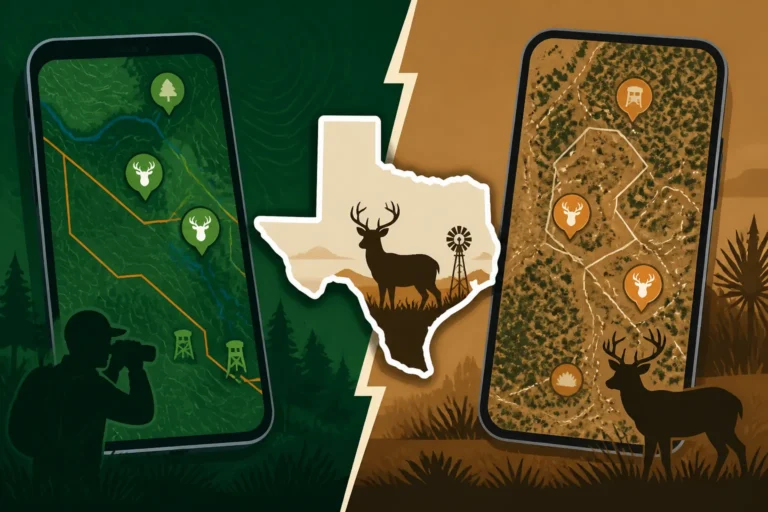
Apps like onX Hunt or GoHunt provide detailed satellite imagery, property lines, landowner information, and the ability to mark waypoints for blinds, feeders, water sources, and productive areas. This is incredibly helpful for understanding the layout of your lease, identifying potential flyways, and staying within your designated hunting zone. Before your hunt, spend time digitally scouting the lease, looking for agricultural fields, water sources (ponds, tanks, creeks), power lines, and tree lines—all natural attractors for doves. You can mark these on your map and plan your approach accordingly. If you’re hunting a new area, these apps can save you hours of guesswork and prevent accidental trespassing, which is a serious concern. Remember to download offline maps, as cell service can be spotty in rural Texas.
Even with apps, a physical map of the lease can be a good backup, especially for larger properties or if you prefer a traditional approach. Understand the major roads and landmarks. Knowing your property boundaries is critical, so always consult with the lease owner about specifics.
Communication and Safety Gear
Staying connected and prepared for emergencies is crucial, especially when hunting solo or in remote areas of a large lease.
A fully charged cell phone is obvious, but don't rely solely on it for navigation or emergency calls, as service can be unreliable. Consider carrying a portable power bank to recharge your phone or other small electronics. If you're in a truly remote area with no cell service, a satellite messenger like a Garmin inReach or Zoleo can be a lifesaver, allowing you to send emergency messages or check in with family.
A basic first-aid kit is a must. Include essentials for cuts, scrapes, snake bites (though prevention is better than treatment), and any personal medications. Whistles can be useful for signaling in an emergency, and a good flashlight or headlamp is always a smart addition, even for a day hunt, in case you're out later than expected. Let someone know your hunting plans, including your exact location and expected return time. This is a fundamental safety practice for any hunting endeavor.
Gear Checklist for Texas Dove Hunting
| Category | Essential Item | Description |
|---|---|---|
| Firearm & Ammo | 12- or 20-Gauge Shotgun | Semi-auto for less recoil, Over/under for quick follow-ups. |
| Shells (7 ½ or 8 shot) | Plenty of them! At least 2-3 boxes per hunter for an active day. | |
| Shotgun Plug | Essential for migratory bird hunting (limits shotgun to 3 shells). | |
| Apparel & Footwear | Lightweight, Breathable Camo/Earth Tones | Moisture-wicking materials, long sleeves for sun/brush protection. |
| Wide-Brimmed Hat | Crucial for sun protection. | |
| Sunglasses | Protect eyes from sun, glare, and debris. | |
| Snake Boots or Gaiters | Absolutely critical for protection against venomous snakes and thorns. | |
| Moisture-Wicking Socks | Prevents blisters and keeps feet dry. | |
| Field Accessories | Portable Chair or Dove Bucket | For comfort during long waits. |
| Rotating Wing Decoy (Mojo Dove) | Highly effective for attracting birds. | |
| Static Dove Decoys | To create a realistic flock setup. | |
| Dove Call (optional) | Can help locate or coax wary birds. | |
| Large Insulated Cooler with Ice | For water, sports drinks, and rapid cooling of harvested birds. | |
| Smaller Bird Cooler (optional, dedicated) | For cleaned bird breasts or whole birds on ice. | |
| Water & Electrolyte Drinks | Bring more than you think you need. | |
| Snacks | Energy bars, salty snacks. | |
| Game Vest or Small Backpack with Game Bag | For carrying birds from the field. | |
| Field Knife or Dove Shears | For cleaning birds quickly. | |
| Sunscreen & Bug Spray | Protect from UV rays and insects. | |
| Portable Shade (umbrella/small blind) | Provides relief from intense sun. | |
| Navigation & Safety | GPS Device or Smartphone with Mapping App (e.g., GoHunt, onX Hunt) | Essential for navigation, property lines, and scouting. Download offline maps. |
| Portable Power Bank | For recharging electronics. | |
| First-Aid Kit | For minor injuries, cuts, scrapes. | |
| Flashlight or Headlamp | For low-light situations or emergencies. | |
| Whistle (optional) | For signaling. |
With this comprehensive list of gear, you'll be well-prepared to tackle any Texas dove lease, from the expansive fields of the Panhandle to the thorny brush of South Texas. A successful and enjoyable dove hunt starts long before the first shot is fired, with careful planning and packing of the right equipment. Enjoy your hunt, stay safe, and have fun out there!
Disclaimer
Hunting involves inherent risks, including but not limited to injury or death. Always prioritize safety, follow all local, state, and federal hunting regulations, and ensure you have the appropriate licenses and permits. The information provided in this guide is for informational purposes only and should not be considered a substitute for professional instruction or official wildlife department guidelines. Always consult the latest Texas Parks and Wildlife Department Outdoor Annual for current regulations and season dates.