Is the Pulsar Talion Worth It for Hog Hunting?
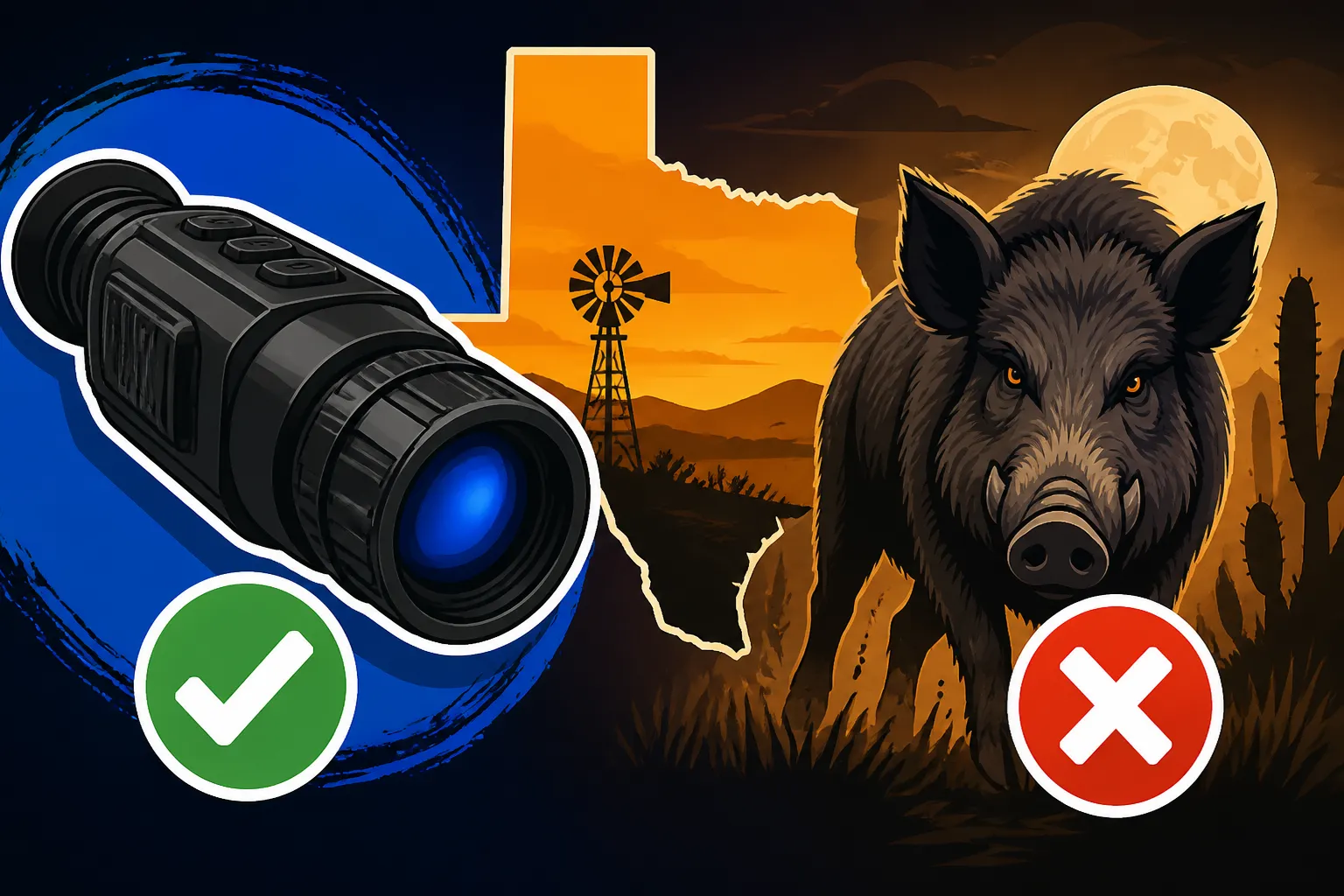
Alright, let's talk about hog hunting in Texas, especially after the sun goes down. If you've spent any time out there, you know how frustrating it can be when those elusive feral hogs only come out under the cover of darkness. They're smart, they're destructive, and they seem to vanish the moment you flip on a regular light. This is exactly where advanced optics like thermal scopes come into play, and many hunters wonder if a specific model, like the Pulsar Talion, truly delivers the performance needed to tackle these nocturnal nuisances effectively. This guide will dive deep into the Pulsar Talion's capabilities and help you decide if it's the right tool for your Texas hog hunting adventures.
Diving Deep into the Pulsar Talion's Features for Hog Hunting
When you're out there trying to spot a sounder of hogs moving through dense brush or across a wide-open pasture in the dead of night, your optics are your lifeline. The Pulsar Talion series is designed with some pretty compelling features that, on paper, seem tailor-made for this exact challenge. But what does that really mean when you're 400 yards from a group of hogs, trying to determine if it's a shootable boar or just a javelina?
Core Specifications and Image Quality
The heart of any thermal scope is its sensor, and the Pulsar Talion typically boasts some respectable specs. You're usually looking at resolutions that give you a clear enough image to differentiate between game animals and other heat sources. For instance, a common configuration might be a 384×288 or even a 640×480 resolution sensor, paired with a 12-micron pixel pitch. What this means in plain English is that the scope can pick up smaller temperature differences, leading to a crisper, more detailed image, especially when you zoom in digitally.
When you're scanning a field after a hot Texas day, where everything is radiating residual heat, a good sensor can really make a difference. The Talion's display, often an AMOLED type, offers high contrast and vibrant color palettes that can help highlight hogs against the background, even when thermal signatures are subtle. You’re not just seeing a blob; with decent image quality, you can start to discern the shape, size, and even the direction of travel of those hogs. This becomes critical when you're trying to make an ethical shot and avoid non-target animals. It's a far cry from the grainy, indistinct images some older thermal units produced.
User Interface and Ergonomics
Pulsar has made a name for itself with user-friendly designs, and the Talion is no exception. It generally features a pretty intuitive control layout, often with a multi-function button or a rotary encoder that makes navigating menus and adjusting settings surprisingly easy, even in the dark with gloves on. This is huge because fumbling with tiny buttons when you've got hogs on the move is the last thing you want to do.
The Talion's design is usually compact and relatively lightweight, which is a major plus when you're humping gear around South Texas ranches or through the dense Pineywoods. It feels balanced on most rifles, which contributes to more stable shooting. Plus, the quick-release mount options are a godsend if you plan on swapping the scope between different rifles or need to remove it quickly. The ability to customize button functions and quickly access frequently used settings (like different color palettes or reticle options) further streamlines the hunting experience. This thoughtful design means you can focus more on the hunt and less on operating complicated electronics.
Performance in the Field: Talion's Strengths and Weaknesses in Texas Conditions
Texas presents a unique set of challenges for any piece of hunting gear, and thermal optics are definitely put through their paces. From scorching summer nights to surprisingly chilly winter fronts, along with varying terrain from wide-open plains to thick brush, the Pulsar Talion needs to perform consistently.
Detection and Identification Range
One of the biggest questions hunters ask is, "How far can I see with it?" The Pulsar Talion often boasts impressive detection ranges, sometimes well over a thousand yards for a man-sized object. For hogs, which are smaller but still significant heat signatures, you can typically expect to detect them hundreds of yards out, depending on the model and environmental conditions.
The more critical factor, though, is identification range. Can you tell it's a hog, and not a deer, at 150 yards? Can you tell if it's a mature boar or a smaller sow at 200 yards? This is where the Talion's sensor resolution and processing power come into play. Many users find that while detection is excellent, positive identification becomes reliable typically within 150-250 yards, which aligns well with common shooting distances for hogs. If you're employing tactics like those discussed in How to Hunt Hogs at Night With Thermal, knowing your identification limits is absolutely critical to avoid misidentification. Remember, even the best thermal still requires you to confirm your target before pulling the trigger, especially when hunting close to populated areas or where other game animals might be present.
Durability and Battery Life in Texas Extremes
Texas weather is no joke. The brutal summer heat, especially on those long night hunts, can put a serious strain on electronics. The Talion units are typically IPX7 waterproof rated, meaning they can handle being submerged in water for a short period, which translates to excellent resistance against rain, dew, and dust. This ruggedness is essential when you're traversing muddy fields or dealing with sudden downpours.
Battery life is another huge consideration. Nothing is worse than having your thermal die just as the hogs start moving in. The Pulsar Talion often uses proprietary battery packs that offer a solid 5-9 hours of continuous operation, depending on the model and features used (like Wi-Fi streaming). While this is generally sufficient for most night hunts, carrying spare batteries or a portable power bank is always a smart move, especially during an all-night Hog Hunting Methods in Texas: Thermal, Night & Trapping session. Remember, cold weather can also impact battery performance, so keeping spares warm on colder nights might extend their life.
Navigating the Thermal Spectrum with Different Palettes
A key advantage of modern thermal scopes like the Talion is the variety of color palettes they offer. Instead of just black hot or white hot, you can often choose from multiple options like "Red Hot," "Rainbow," or "Ultramarine." These different palettes enhance visibility in various scenarios. For instance, "White Hot" or "Black Hot" are usually preferred for general detection and quick target acquisition, as they provide high contrast. However, a "Rainbow" or "Red Hot" palette can be incredibly useful for discerning subtle details, like the heat signature of a hog partially obscured by tall grass, or for identifying specific features on the animal itself.
Experimenting with these palettes will reveal what works best for your eyes and the specific hunting conditions. Some hunters swear by one particular palette for scanning and then switch to another for the actual shot. This flexibility is a significant strength of the Talion, allowing hunters to adapt to changing environments and ensure they have the clearest possible image to make informed decisions. Using a tool like onX Hunt vs HuntStand: Best App for Texas? can help you plan your hunt, mapping out areas where specific thermal palettes might perform better due to terrain or vegetation density.
Is the Investment Worth It? Value and Alternatives for Hog Hunters
Deciding to invest in a high-end thermal scope like the Pulsar Talion is a significant financial commitment. It's not just about the upfront cost; it's about whether the value it adds to your hunting experience justifies that price tag.
Comparing Talion with Other Thermal Options
The thermal optics market is bustling, and the Pulsar Talion sits among a strong lineup of contenders. Brands like AGM, ATN, and Trijicon all offer excellent thermal scopes with varying features and price points. The Talion often finds itself in the mid-to-high range, offering a balance of performance, features, and build quality. When looking at Pulsar vs AGM Thermal Scopes for Hogs, for example, you'll notice differences in sensor sensitivity, refresh rates, battery solutions, and user interfaces.
- Pulsar Talion: Known for its robust build, intuitive controls, excellent image quality for its class, and reliable performance. It's often praised for its quick startup and wide array of customization options.
- AGM Rattler V2: Often a strong competitor in terms of price-to-performance, offering good image quality and detection ranges, sometimes at a more accessible price point.
- ATN ThOR: Popular for its integrated features like ballistics calculators, video recording, and smart rangefinding, though some find its interface more complex.
Ultimately, the "best" scope depends on your personal priorities and budget. If top-tier image quality, proven reliability, and user-friendly design are paramount, the Talion is a very strong contender. If you prioritize integrated tech or a lower price point, other options might catch your eye. It's always a good idea to research Best Thermal Scopes for Hog Hunting in Texas to get a comprehensive overview of the market before making your choice.
Enhancing Your Hunt with Complementary Gear and Intelligence
Even the best thermal scope isn't a silver bullet. Successful hog hunting, especially at night, requires a holistic approach. Pairing your Pulsar Talion with other useful gear and intelligence gathering can dramatically increase your success rate.
Many hunters find a dedicated thermal monocular, like those discussed in Best Thermal Monocular for Scanning in Texas, to be invaluable for initial scanning, saving your rifle-mounted scope for when you're ready to take a shot. This conserves the rifle scope's battery and prevents you from flagging areas with your weapon unnecessarily.
Furthermore, integrating scouting data is crucial. Tools like GoHunt can provide satellite imagery, land ownership maps, and topographical data that help you identify potential hog travel corridors, feeding areas, and bedding spots even before you step foot in the field. This kind of intelligence, combined with the real-time detection capabilities of your Talion, creates a powerful hunting system. Imagine using GoHunt to identify a water source or a freshly disked field on a private lease, then using your thermal at night to confirm hog activity in those predicted areas. It’s a game-changer.
Is the Talion Worth the Cost?
For serious Texas hog hunters who frequently hunt at night and demand reliable performance, the Pulsar Talion is generally considered a worthwhile investment. Its ability to quickly detect and help identify hogs in total darkness, its rugged construction, and user-friendly interface significantly boost your chances of success and enjoyment. While its price might be a hurdle for some, the frustration it eliminates and the opportunities it creates often justify the cost for those committed to reducing the hog population.
Think about the long-term benefits: fewer crop losses if you're hunting agricultural land, more opportunities to put ethical shots on destructive animals, and simply a more engaging and effective hunting experience. For many, the peace of mind knowing they have a reliable, high-performance tool like the Talion outweighs the initial expenditure. When you combine it with proper scouting and understanding Best Shot Placement for Hogs, you become a far more effective hunter.
Practical Tips for Maximizing Your Talion Hog Hunting Success
Having a great piece of gear like the Pulsar Talion is one thing, but knowing how to use it to its full potential is another. Here are some practical tips to help you get the most out of your thermal scope for hog hunting in Texas.
Mastering Your Scope's Settings and Features
Don't just take your Talion out of the box and head straight to the field. Spend time learning its menu system, custom reticles, and all the available settings. This might seem tedious, but understanding how to quickly switch between color palettes, adjust brightness and contrast, and fine-tune your picture-in-picture mode can make all the difference when a critical moment arises.
Zeroing your thermal scope accurately is, of course, paramount. Many Talion models offer multiple zeroing profiles, allowing you to save settings for different rifles or even different ammunition types. Take advantage of this. Practice shooting with your thermal during the day and night to get comfortable with its unique sight picture. Familiarize yourself with the digital zoom; while it can reveal more detail, excessive zoom often degrades image quality, so know its limits. The more comfortable you are with the scope's controls, the less time you'll spend fumbling and the more time you'll spend hunting.
Using Complementary Scouting and Hunting Methods
Thermal scopes are fantastic, but they work best as part of a broader strategy. Before a night hunt, always try to scout the area during the day. Look for fresh hog sign – rooted-up ground, tracks, and rubs. Identify natural funnels, creek beds, or fence lines that hogs might use for travel. Using satellite imagery from a platform like GoHunt can help you visualize the terrain and pinpoint these key areas.
Combine your thermal with traditional How to Pattern Hogs on Your Lease techniques like trail cameras. While thermal excels at real-time detection, trail cameras provide a historical record of hog movement, helping you understand their patterns and preferred routes. Consider setting up a feeder to draw hogs in, then use your Talion to pick them off at night. Just be sure to check Is It Legal to Hunt Over Corn in Texas? for any specific regulations in your county or if you're in a CWD zone.
Ethical Considerations and Target Identification
With the power of thermal, comes the responsibility of ethical hunting. Just because you can detect a heat signature doesn't mean you should immediately pull the trigger. Always strive for positive identification of your target. Hogs can be surprisingly similar in thermal signature to javelina, or even smaller deer at longer ranges or in challenging conditions. Take the extra moment to confirm it's a hog and that you have a clear, ethical shot opportunity.
Be aware of your surroundings. Thermal scopes show heat, but they don't see obstacles like fences, rocks, or other hunters. Always know what's beyond your target and ensure your backstop is safe. Utilize your Talion's recording features if it has them. Reviewing footage later can be a great way to learn from your hunts, improve your shot placement, and even identify new hog patterns. The Pulsar Talion is a powerful tool, and with responsible use, it can significantly enhance your Feral Hog Hunting in Texas: Year-Round Guide efforts.
Disclaimer
Always consult the latest Texas Parks and Wildlife Department regulations and local ordinances before engaging in any hunting activities. Hunting laws and regulations can change, and it is the hunter's responsibility to ensure compliance. This article provides general information and should not be considered legal advice.