Best Gear for Squirrel on a Texas Lease
Hunting squirrels on a Texas lease offers a unique blend of challenge and relaxation, but showing up unprepared can quickly turn a promising day into a frustrating one. The dense brush, unpredictable weather, and the sheer agility of these bushy-tailed critters demand specific gear to ensure success and comfort. This comprehensive guide will walk you through the essential equipment you need to effectively hunt squirrels on your Texas lease, from firearms to footwear and everything in between.
Choosing the Right Firearm and Ammunition
When it comes to squirrel hunting, precision and minimal disturbance are key. You're not after big game, so your firearm choice should reflect that, balancing accuracy with appropriate power for small targets. Texas offers diverse environments, from the dense Pineywoods to more open Post Oak Savannah, and your choice of firearm can be adapted to the specific conditions of your lease.
Small Caliber Rifles for Accuracy
For many seasoned squirrel hunters, a .22LR rifle is the undisputed champion. Its minimal recoil, quiet report, and affordable ammunition make it ideal for headshots, which are crucial for preserving meat and ensuring humane kills. With a good scope, a .22LR can be incredibly accurate out to 75 yards, which is often plenty for squirrels nestled in tree branches. You might also consider a .17 HMR, which offers a flatter trajectory and more velocity, making it a good choice for slightly longer shots or windier conditions on more open leases. However, .17 HMR ammunition can be more expensive and might cause more pelt damage if you're aiming for a trophy squirrel. Remember, precision is paramount, and a rifle allows for those careful, deliberate shots that are harder to achieve with a shotgun.
The quiet nature of a .22LR also means you're less likely to spook every other squirrel in the vicinity with your first shot. This can be a huge advantage, allowing you to often take multiple squirrels from the same general area if you remain still and patient. Many hunters opt for a semi-automatic model for quick follow-up shots, though a bolt-action provides excellent accuracy if you prefer a slower, more deliberate pace. Whichever action you choose, make sure you're comfortable with it and have practiced extensively to ensure consistent groupings.
When hunting on a lease, understanding your backstop is always critical, but especially so with small calibers that can travel a surprising distance. Always be aware of your surroundings, including property lines and any neighboring structures or livestock. A good hunting app, like those often discussed in articles about the best hunting apps for Texas, can help you keep track of your boundaries on your lease.
Shotguns for Faster Action
While rifles offer precision, shotguns provide a broader spread, which can be advantageous for squirrels on the move or when they're particularly elusive. A 20-gauge or .410 shotgun is often preferred for squirrel hunting, as it offers a lighter recoil and is easier to handle than a 12-gauge. The key is to use the right shot size to ensure a clean kill without excessive damage to the meat. Typically, #6 or #7.5 shot is recommended for squirrels.
The effectiveness of a shotgun really shines when squirrels are actively feeding on the ground or darting between trees, presenting fleeting targets. The wider pattern increases your chances of connecting, especially for those quick, reactionary shots. However, shotguns require closer ranges for ethical kills, typically within 30-40 yards, depending on the choke. This means you’ll need to employ different stalking and calling tactics compared to rifle hunting.
Choosing between a rifle and a shotgun often comes down to personal preference and the specific conditions of your lease. If your lease has dense woods with plenty of undergrowth, a shotgun might be more practical for snap shots. If it has taller trees and more open areas where squirrels might be higher up or further away, a rifle could be the better option. Consider bringing both if your hunting style allows for it, giving you flexibility for different scenarios you might encounter.
Ammunition Considerations
Beyond caliber, the specific type of ammunition makes a difference. For .22LR, many hunters prefer hollow point bullets as they expand on impact, delivering more energy and a quicker, more humane kill, especially for body shots. Solid point rounds are excellent for precise headshots and often group tighter from some rifles. Experiment with different brands and bullet types to see what performs best in your firearm.
For shotguns, the choice of shot size is paramount. As mentioned, #6 or #7.5 lead shot is standard. However, some areas in Texas, particularly those with specific waterfowl rules or on certain public lands, may require non-toxic shot. Always check the current Texas hunting regulations to ensure compliance, as these rules can change and vary by location. Understanding the limitations of your ammunition and practicing regularly will significantly improve your success rate.
Optimizing Your Vision: Optics and Sighting
Squirrels are masters of camouflage, blending seamlessly with bark and leaves, especially when still. High-quality optics are not just a luxury but a necessity for spotting these small, often motionless targets and ensuring precise shot placement.
Rifle Scopes for Precision Shots
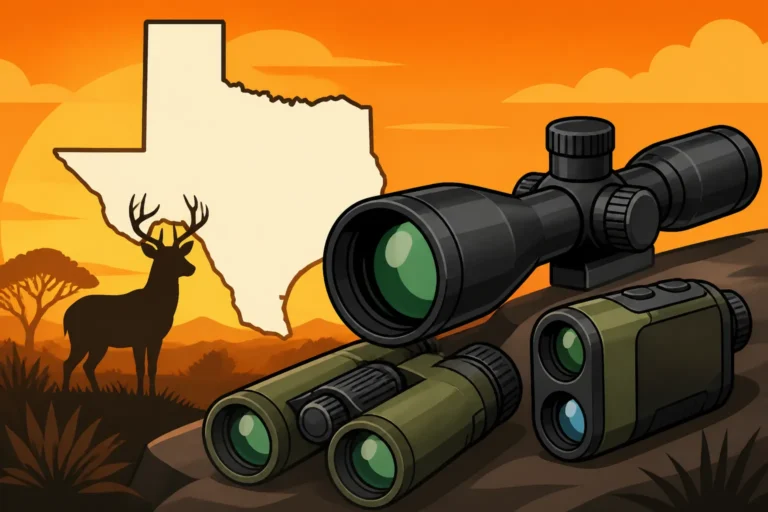
A good rifle scope is absolutely crucial for squirrel hunting with a .22LR or .17 HMR. A variable power scope with a low-end magnification of 2-3x and a high-end of 7-9x is typically ideal. For example, a 3-9×40 scope is a popular choice, offering enough magnification to pinpoint a squirrel's head at 50-75 yards without being overly bulky or heavy for carrying through the woods. The objective lens size (e.g., 40mm) affects light gathering, which can be beneficial in dimly lit woods during early morning or late afternoon hunts.
Look for a scope with clear glass and a crisp reticle. A fine duplex or mildot reticle can aid in precise aiming on such small targets. Reliability is key; you don't want a scope that loses zero after a few bumps in the truck or a walk through dense brush. Brands like Leupold, Vortex, and Bushnell offer excellent options across various price points. Always zero your scope properly before heading out, and perhaps check it again after transport, as even minor shifts can lead to a missed shot on a small target.
Binoculars for Spotting and Scouting
Even with a scoped rifle, a good pair of binoculars is indispensable for spotting squirrels. They allow you to scan tree lines, canopy, and forest floors for movement or tell-tale signs without constantly raising your rifle. A compact pair of 8×32 or 10×42 binoculars is usually perfect. The 8x magnification provides a wider field of view, making it easier to locate squirrels quickly, while 10x offers more detail for identifying squirrels at greater distances or in dense foliage.
When hunting on a Texas lease, especially one with thick cover, binoculars help you penetrate the brush and pick out those subtle movements. They save you from unnecessary fatigue by not holding your rifle up repeatedly and help confirm your target before you even think about shouldering your firearm. Consider a pair with good light transmission for those low-light conditions when squirrels are most active. Checking out detailed guides on "Best Hunting Optics for Texas: Scopes, Binos & Rangefinders" might offer more specific brand and model recommendations suitable for varied Texas terrain.
Rangefinders for Ethical Shooting
While not strictly necessary for most close-range squirrel hunting, a compact rangefinder can be a valuable tool, especially if you're using a .17 HMR or if your lease offers longer sight lines. Knowing the precise distance to your target helps you make accurate holdover adjustments, particularly with smaller calibers where bullet drop can become a factor even at moderate ranges.
A rangefinder also helps with ethical hunting. It ensures you're taking shots within your comfortable and effective range, minimizing the chance of wounding a squirrel. For squirrel hunting, a basic model that can range out to a couple hundred yards is more than sufficient. You don't need the advanced ballistic calculators found in high-end rangefinders designed for long-range big game hunting. Simplicity and reliability are what you're looking for here.
Essential Apparel and Footwear for Texas Conditions
Texas weather is notoriously unpredictable, even during squirrel season. From hot, humid mornings to sudden cool fronts, your clothing needs to be versatile. Moreover, safety and comfort are paramount when navigating the diverse terrain of a Texas lease.
Camouflage and Layering
For squirrel hunting, blending into your surroundings is crucial. Unlike deer, squirrels are constantly looking up, so good overhead concealment is important. Opt for camouflage patterns that mimic the local foliage of your Texas lease – whether it’s the greens and browns of the East Texas Pineywoods or the more subdued tones of the Hill Country. Light-to-medium weight camo is generally suitable, as squirrel season often falls outside the coldest parts of winter.
Layering is your best friend. Start with a moisture-wicking base layer to manage sweat, especially during warmer Texas days. Add a light fleece or long-sleeved shirt as a mid-layer, and a quiet, breathable outer layer. This allows you to shed or add clothing as temperatures fluctuate throughout the day, keeping you comfortable and quiet. Silence is golden when stalking squirrels, so choose fabrics that don't rustle or make noise as you move. A quiet outer shell is particularly important for those close encounters. You can find more specific advice on appropriate clothing in articles covering "Best Early-Season Camo for Texas Heat."
Durable and Protective Footwear
Your feet are your foundation in the field, and a good pair of boots can make or break your hunt. In Texas, you're not just dealing with varied terrain – from rocky hills to muddy creek beds – but also with an abundance of thorns, briars, and venomous snakes. Therefore, rugged, comfortable, and protective footwear is non-negotiable.
Look for snake boots that are lightweight but provide adequate protection, typically up to your knees. Brands like Lacrosse and Rocky offer popular options designed to withstand snake fangs and tough brush. These boots also offer excellent ankle support, crucial for navigating uneven ground, and are often waterproof or water-resistant, keeping your feet dry during dew-laden mornings or unexpected rain showers. Prioritize comfort, as you’ll be doing a lot of walking and standing. Break them in well before your hunt to avoid blisters. For a deeper dive into protecting your feet, explore resources on "Best Snake Boots for Texas Hunting" to select the ideal pair.
Gloves and Headwear for Concealment and Protection
Completing your concealment, gloves and a hat are essential. A light pair of camouflage gloves will help hide your hands, which are often in motion, and protect them from thorns and insects. Choose gloves that allow for good dexterity, so you can handle your firearm safely and effectively.
Headwear serves multiple purposes. A camo cap or wide-brimmed hat breaks up the outline of your head and provides shade from the Texas sun. For deeper concealment, particularly if you're sitting still for extended periods, a head net or a full face mask can make you practically invisible to the sharp eyes of a squirrel. During cooler mornings, a beanie or insulated cap can also provide much-needed warmth.
Auxiliary Gear and Essential Supplies
Beyond the core hunting tools, a few other items can significantly enhance your squirrel hunting experience on a Texas lease, ensuring both efficiency and safety.
Game Processing and Carrying
Once you've successfully harvested a squirrel, you'll need the means to process and carry it. A sharp, compact hunting knife is indispensable for field dressing. You don't need a large Bowie knife; a small, sharp blade for gutting and skinning is perfect. Make sure it’s easy to clean and keep sharp. For comprehensive guidance on selecting the right tool, consult our article on the "Best Hunting Knife for Field Dressing."
A small game bag or mesh bag is ideal for carrying your squirrels out of the woods. It allows for air circulation, which is crucial for cooling the game quickly in Texas heat and preventing spoilage. If you plan on a longer hunt or it's a particularly warm day, consider a small cooler with ice for the trip back to camp or home, especially if your lease is a long drive. A simple backpack can carry these items along with your water and snacks.
Navigation and Communication
Even on a familiar lease, it's easy to get disoriented, especially when focused on tracking game. A reliable GPS device or a hunting app on your smartphone, such as one often discussed in guides like "Best Hunting Apps for Texas (onX, HuntStand & More)", is critical. These tools allow you to mark your vehicle, track your path, and identify property boundaries, preventing accidental trespassing. Some apps, like GoHunt, can also provide valuable information about terrain and even animal activity data that, while primarily focused on bigger game, can offer insights into general wildlife patterns.
Always carry a fully charged phone for emergencies, even if cell service is spotty on your lease. Consider a portable power bank to keep your devices charged. If you're hunting with a partner, two-way radios can be useful for communication without disturbing wildlife as much as a loud shout would. Before you head out, inform someone of your hunting plans and expected return time.
Hydration and Snacks
Hunting, even for small game like squirrels, can be physically demanding, especially in the Texas climate. Staying hydrated is absolutely critical. Carry plenty of water in a hydration pack or water bottles. Consider electrolytes if it's going to be a long, hot day. For hunting on a Texas lease, it's wise to overestimate your water needs.
Pack some high-energy, easy-to-carry snacks like granola bars, trail mix, or fruit. These will keep your energy levels up during long treks through the woods or while sitting patiently. You don’t want to cut a hunt short because of hunger or dehydration.
Additional Useful Items
- Squirrel Call: While not always necessary, a squirrel call can be very effective, especially if the woods are quiet. They can mimic barks and chirps to get squirrels to reveal their position or even come closer.
- Small Seat Cushion: If you plan to sit for extended periods, a lightweight, foldable seat cushion can make a huge difference in comfort, especially on damp ground or rough terrain.
- First-Aid Kit: Always carry a basic first-aid kit with essentials like bandages, antiseptic wipes, pain relievers, and any personal medications. Accidents can happen, and being prepared is vital.
- Headlamp/Flashlight: Even if you plan to be out during daylight, a small headlamp or flashlight is invaluable for navigating in low light, especially if you end up staying out longer than expected or need to field dress game after sundown.
Firearm and Ammunition Comparison Table
To help you decide which firearm setup might be best for your squirrel hunting on a Texas lease, here’s a quick comparison:
| Feature | .22LR Rifle | .17 HMR Rifle | 20-Gauge Shotgun (with #6 or #7.5 shot) |
|---|---|---|---|
| Accuracy | Excellent for precise headshots | Excellent, flatter trajectory | Good for moving targets, less precise |
| Effective Range | ~75 yards (for ethical squirrel shots) | ~125 yards (for ethical squirrel shots) | ~30-40 yards (depending on choke) |
| Noise Level | Low (can be suppressed for very quiet hunting) | Moderate (louder than .22LR) | High |
| Ammunition Cost | Very affordable | Moderate to high | Moderate |
| Meat Preservation | Excellent with headshots, minimal damage | Good with headshots, slightly more damage | Can cause significant pellet damage |
| Best Use Case | Still hunting, precise shots, close quarters | Longer range shots, open canopy | Fast-moving targets, thick cover |
Remember, successful squirrel hunting on a Texas lease often comes down to patience, stealth, and using the right gear for the conditions. By carefully considering your firearm, optics, apparel, and auxiliary items, you'll be well-prepared for a rewarding experience in the field. Don't forget to regularly check the Texas Parks and Wildlife Department's Outdoor Annual for the most current regulations on small game hunting, bag limits, and season dates specific to your region. Happy hunting!
Disclaimer
Please be aware that hunting regulations, seasons, and licensing requirements in Texas can change. Always consult the official Texas Parks and Wildlife Department (TPWD) Outdoor Annual or website for the most current and accurate information before planning any hunting trip. This guide is for informational purposes only and should not replace official regulatory guidance.