Best Hunting Method for Red Stag in Texas
Hunting a Red Stag in the Texas Hill Country or the brushy draws of South Texas is a far cry from a standard whitetail hunt. Many hunters arrive expecting a slightly larger deer, only to realize these "monarchs of the glen" are massive, vocal, and incredibly wary. This guide solves the mystery of the best hunting method for Red Stag in Texas, focusing on the tactical shifts you must make to account for their herd behavior and the rugged Texas terrain.
Understanding the Red Stag Challenge in Texas
Before we dive into the specific tactics, you have to understand exactly what you are up against. Red Stags are cousins to the American Elk, but they carry a distinct European flair in their behavior. In Texas, they have thrived, especially in the rocky, cedar-clogged canyons of the Edwards Plateau. Unlike a whitetail that might duck and weave through the brush, a Red Stag is a heavy-bodied animal that relies on its nose and its "harem" of hinds (females) to stay safe.
The frustration most hunters face is the sheer size of the animal. If you are used to shooting a .243 or a light .270 for deer, you are going to feel underpowered. These animals can weigh 400 to 600 pounds. Furthermore, they are often part of a larger group of exotics. When you are Exotic Hunting in Texas: Axis, Aoudad, Blackbuck & More, you’ll notice that Red Stags are the dominant force on the landscape. They aren't just bigger; they are louder and more aggressive, particularly during the "roar."
Because Red Stags are considered exotic in Texas, you have the luxury of hunting them year-round. However, if you want the best results, you need to sync your hunting method with their biology. If you are wondering Do Exotics Require a Hunting License in Texas?, the answer is a resounding yes. You need a valid Texas hunting license, even on private land, but you aren't bound by the traditional whitetail seasons. This flexibility allows us to target them when they are most vulnerable: the rut.
The Roar: Mastering the Spot-and-Stalk Method
If you ask any veteran Texas hunter, they will tell you that Spot-and-Stalk Hunting in Texas (Exotics & Mule Deer) is the most effective and thrilling way to take a trophy stag. This method is at its absolute peak from mid-September through October during the roar. Unlike whitetails, which are relatively quiet, Red Stags bellow like prehistoric beasts. This vocalization is your GPS.
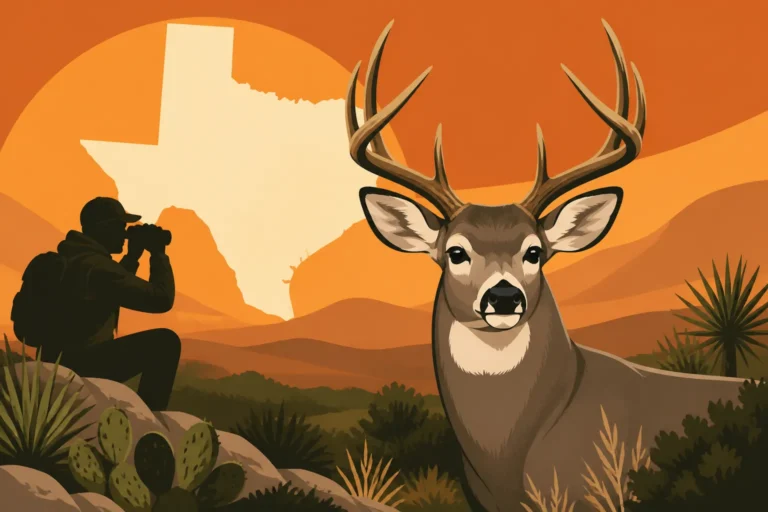
In the Hill Country, stags love to bed down in the thickest cedar breaks during the day. As the sun begins to dip, the "roar" begins. You can hear a dominant stag from over a mile away in a quiet canyon. The strategy here is to use the topography to your advantage. You want to get to a high point—a "glassing knob"—and use your optics to scan the draws. I often suggest checking Amazon for high-quality tripod adapters for your binoculars, as you will be glassing for hours, and hand-held fatigue is real.
Once you locate a stag with his hinds, the stalk begins. This is where most hunters fail. You aren't just stalking one stag; you are stalking twenty pairs of eyes. The hinds are incredibly jumpy. You must keep the wind in your face. In the Texas heat, the wind can swirl in the canyons, so carry a wind-check powder. Move only when the stag roars or when the herd is busy grazing. If you move while a hind is looking your way, the game is over. For a deeper look at the specific steps for this species, check out our guide on How to Hunt Red Stag in Texas (Step by Step).
Managing the Physicality of the Stalk
The Texas terrain is unforgiving. If you are hunting the Trans-Pecos or the steeper parts of the Hill Country, you need to be in decent shape. You are going to be side-hilling across loose limestone and through thorny brush. This isn't a "sit in the stand and wait" kind of hunt when you are doing it right.
I always recommend wearing a sturdy pair of snake boots. You can find several reliable brands on Amazon that offer both protection and the ankle support needed for rocky climbs. The last thing you want while closing the gap on a 300-inch stag is to be worried about a Western Diamondback in the prickly pear.
Blind Hunting: The Strategic Approach to Feeders
While spot-and-stalk is the "purist" method, let’s be realistic: not everyone can or wants to hike five miles through a canyon. For many, Hill Country Hunting in Texas involves sitting in a well-placed blind overlooking a protein station or a corn feeder. Red Stags are highly motivated by high-quality feed, especially during the late summer months before the rut begins.
The key to blind hunting stags is patience and understanding their hierarchy. Stags will often hang back while the hinds and younger bulls enter the feeding area first. If you shoot the first big-looking deer you see, you might be missing the "monarch" that is watching from the brush line. Stags are notorious for "brush-hanging"—standing perfectly still just inside the treeline to see if anything feels off.
When setting up, you need a blind that can accommodate the size of these animals. A cramped whitetail blind won't cut it. You want something with height and wide windows. Because stags have incredible eyesight, consider using a Best Box Blind for Hot Texas Weather that offers tinted glass or specialized mesh. If you are hunting over a feeder, timing is everything. Stags often hit feeders in the "grey light" of dawn or the very last minutes of legal shooting light.
Scent Control in a Box Blind
Even though you are enclosed, don't ignore scent. Red Stags have a nose that rival an elk's. Use a scent-eliminating spray on your gear and avoid eating "loud" smelling foods in the blind. I’ve seen stags catch a whiff of a turkey sandwich from 200 yards away and vanish into the cedar. Consistency is your friend here. If the stags are used to the blind being there, they will eventually treat it as part of the landscape, but one wrong move can burn that spot for weeks.
Comparison of Red Stag Hunting Methods
To help you decide which approach fits your style, I’ve broken down the two primary methods based on success rates and physical demand.
| Feature | Spot-and-Stalk | Blind Hunting (Over Feeders) |
|---|---|---|
| Physical Demand | High – Requires hiking and climbing | Low – Stationary and accessible |
| Best Time of Day | Early Morning / Late Evening | Dawn and Dusk |
| Best Season | September-October (The Roar) | Year-round (Best in late summer) |
| Stealth Required | Maximum – Scent and movement | Moderate – Scent control is primary |
| Equipment Needs | High-end optics, shooting sticks | Comfortable blind, feeder |
| Typical Range | 150 – 400 yards | 50 – 150 yards |
Essential Gear and Ballistics for a Successful Hunt
You cannot hunt a Red Stag with a "varmint" mindset. These are tough, thick-skinned animals with heavy bone structures. If you don't use enough gun, you are going to be tracking a wounded animal through the Texas brush for miles—and in the heat, that meat will spoil fast. If you're interested in meat quality, remember that many hunters believe Is Axis Venison the Best Wild Game Meat?, but a properly handled Red Stag is a very close second.
For caliber, I recommend nothing smaller than a .30-06 Springfield. Ideally, a .300 Win Mag or a 7mm Rem Mag is the perfect "Texas Stag" rifle. You want a heavy, controlled-expansion bullet that can punch through a shoulder blade if necessary. When choosing your setup, look for the Best Gear for Red Stag on a Texas Lease to ensure your rifle and glass are up to the task.
Optics are where you should spend your money. In the low light of the Texas dawn, cheap glass will look like a muddy mess. You need a scope with a large objective lens to gather every bit of available light. I often look for deals on Amazon for rangefinders that have "angle compensation," which is vital when shooting across the deep draws of the Hill Country. For more advice on glass, check out Best Hunting Optics for Texas: Scopes, Binos & Rangefinders.
The Importance of Shooting Sticks
Whether you are in a blind or on a stalk, you must have a stable rest. A Red Stag's "kill zone" is about the size of a dinner plate, but at 200 yards after a long hike, that plate looks very small. A good set of trigger-sticks or a carbon-fiber tripod is non-negotiable. It allows you to wait out the stag. Sometimes they will stand behind a cedar bush for ten minutes before stepping out; you can't hold a 10-pound rifle off-hand for that long without shaking.
Final Tactical Considerations
Success with Red Stags often comes down to "the little things." For instance, pay attention to the water. In South Texas and the drier parts of the Hill Country, a lone water hole can be more effective than a corn feeder. Stags need a lot of water, especially during the heat of the rut when they are running themselves ragged.
Always have a plan for after the shot. If you are hunting in the early fall, temperatures can still hit 90 degrees. You need to get that animal broken down and on ice immediately. These aren't whitetails you can throw in the back of the truck and drive around to show your buddies. They are big, hot, and prone to "bone sour" if not cooled quickly.
By combining the vocal excitement of the roar with a disciplined spot-and-stalk or a strategic blind setup, you give yourself the best chance at a true Texas trophy. Remember to respect the animal, the land, and the laws of the Great State of Texas.
Disclaimer
The information provided in this guide is for educational and informational purposes only. Hunting regulations, including license requirements and legal methods of take, are subject to change by the Texas Parks and Wildlife Department (TPWD). Always consult the current Texas Outdoor Annual and local county regulations before heading into the field. Hunting involves inherent risks; prioritize safety and ethical shot placement at all times.