Texas Mule Deer Antler Restrictions (20-Inch Rule)
One of the biggest head-scratchers for Texas mule deer hunters, especially those new to the Panhandle or Trans-Pecos regions, can be navigating the specific antler restrictions designed for these majestic animals. It's not just about seeing a big buck; it's about understanding the nuances of the "20-inch rule" to ensure you're hunting legally and responsibly. This guide will meticulously break down everything you need to know about mule deer antler regulations in Texas, helping you make confident decisions in the field.
Understanding Texas Mule Deer Regulations
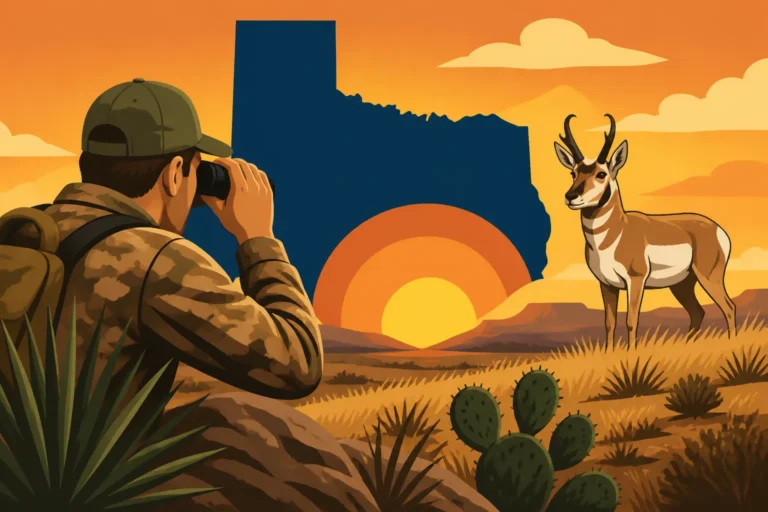
Hunting mule deer in Texas is a unique experience, often taking place in the vast, open landscapes of the Panhandle and Trans-Pecos. Unlike the prevalent white-tailed deer, mule deer populations are more localized and require distinct management strategies. This is precisely why specific antler restrictions, particularly the 20-inch rule, have been implemented. The goal is straightforward: to protect younger bucks and allow them to mature, thereby improving the overall age structure and quality of the mule deer herd. It's about ensuring sustainable hunting for generations to come, moving beyond simply harvesting the first deer you see.
Why Antler Restrictions Exist for Mule Deer
The primary reason for antler restrictions on mule deer, much like their white-tailed cousins, is to implement a form of selective harvest. Historically, hunters often focused on harvesting the largest-antlered bucks, which, over time, can inadvertently reduce the number of prime breeding age males in the population. This can lead to a phenomenon where younger bucks are doing most of the breeding, potentially impacting genetics and overall herd health. By establishing minimum antler criteria, the Texas Parks and Wildlife Department (TPWD) encourages hunters to pass on younger, smaller-racked bucks, giving them a chance to grow older and develop more impressive antlers, benefiting both the deer and future hunting opportunities.
These regulations are not arbitrary; they are based on extensive biological research and population data collected by wildlife biologists across the state. They consider factors like antler development rates, herd health, and the specific characteristics of mule deer in Texas. The larger minimum width for mule deer, compared to white-tailed deer, reflects the generally wider antler spread typical of mature mule deer bucks. It's a science-backed approach to managing a valuable natural resource, ensuring that the mule deer population remains healthy and robust.
The Core of the 20-Inch Rule
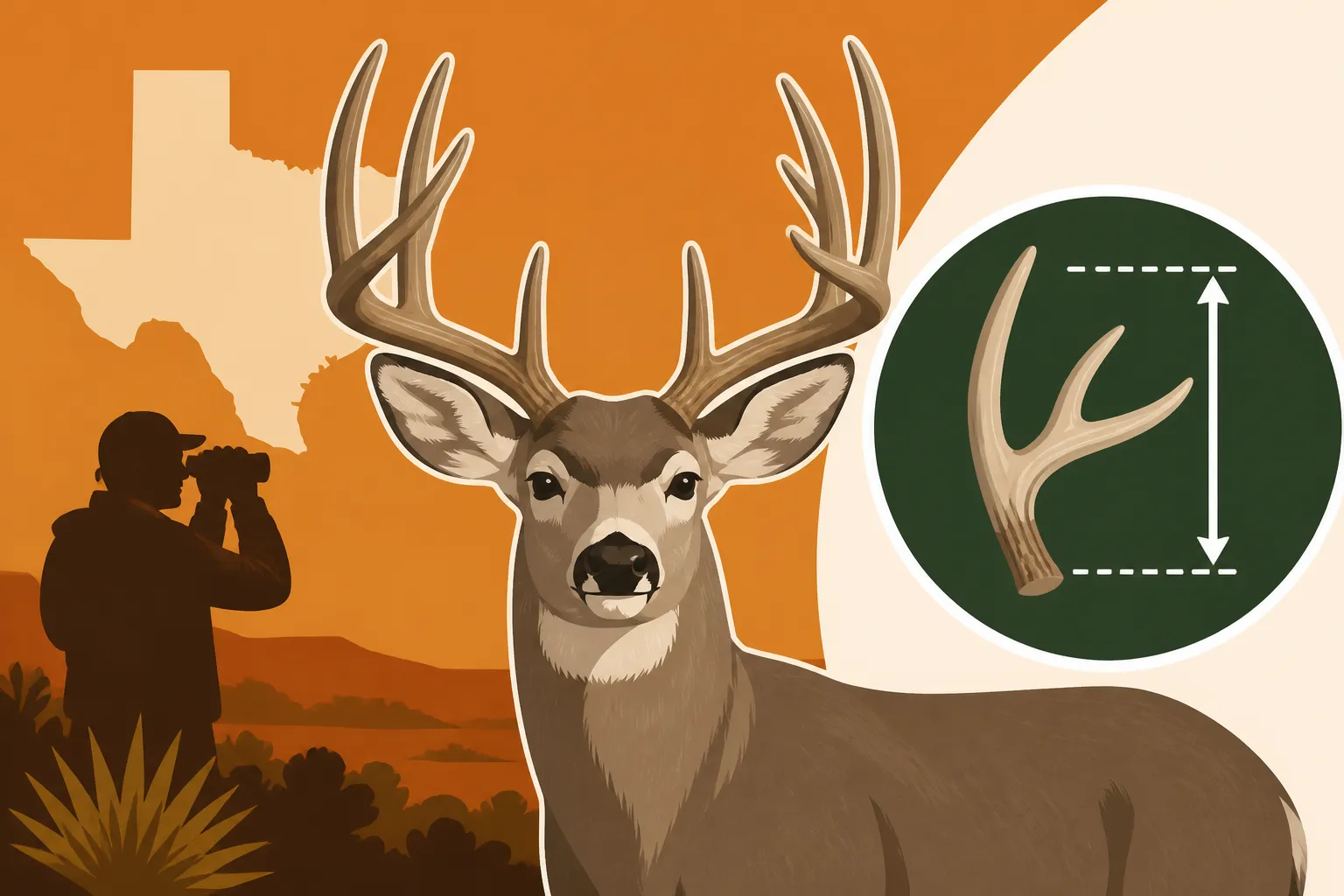
At its heart, the 20-inch rule for mule deer in Texas dictates that a legal buck must have an antler spread of at least 20 inches, measured outside to outside. This measurement is crucial and often the most challenging aspect to judge accurately in the field. The intent is to specifically target mature bucks that have reached a certain level of antler development, indicating they've had several years to grow. It's not about the number of points, the length of individual tines, or mass; it's purely about the width of the main beams.
This regulation applies to specific counties in the Panhandle and Trans-Pecos regions where mule deer are found. Hunters need to be intimately familiar with the boundaries of these regulatory zones, as mistakenly harvesting a buck that doesn't meet the 20-inch spread can lead to serious legal consequences, including fines and license suspension. Always check the current Texas Outdoor Annual or a guide like the Texas Mule Deer Hunting Regulations 2026 before heading out, as regulations can sometimes see minor adjustments. Understanding this rule is fundamental to a successful and legal mule deer hunt in Texas.
Applying the 20-Inch Rule in the Field
Field judging mule deer for the 20-inch rule is undeniably one of the trickiest parts of hunting in regulated areas. Unlike the easily counted points of a white-tailed buck for the 13-inch rule, judging a 20-inch spread requires a keen eye and often significant practice. It’s a skill that develops over time, and even seasoned hunters can find themselves second-guessing their judgments in the heat of the moment, especially if the light isn't perfect or the deer is on the move. The vast, open terrain where mule deer typically roam can also play tricks on your depth perception, making a 20-inch spread look wider or narrower depending on the angle and distance.
Many hunters dedicate considerable time to scouting and studying mule deer before the season even begins, specifically to hone their field judging abilities. This often involves looking at photos and videos of different bucks, paying close attention to the relationship between the antler tips and the deer's ear spread or eye width, which can serve as natural reference points. Without these visual cues, it’s easy to misjudge, leading to either passing on a legal buck or, worse, harvesting an illegal one.
Challenges of Field Judging Mule Deer
The primary challenge in applying the 20-inch rule lies in the visual estimation of an exact measurement. A deer's ears, when alert, typically span about 16-18 inches from tip to tip. This means a legal buck, by the 20-inch rule, must have main beams that extend noticeably beyond its ear tips. However, deer rarely stand perfectly still, broadside, with their ears perked at an ideal angle. They might be quartering away, looking at you, or feeding, all of which distort the perceived width. Distance also plays a huge role; what looks like a wide buck at 100 yards might shrink considerably when seen up close. The excitement of the hunt can further cloud judgment, leading to hasty decisions.
Another hurdle is the natural variation in mule deer antler growth. While some bucks consistently grow wide antlers, others might have impressive mass and tines but a narrower spread. It's a common mistake to focus too much on the overall impressiveness of the rack rather than the specific 20-inch spread requirement. This is where patience becomes paramount. Taking the time to observe the animal, even through a spotting scope or good binoculars, to get multiple angles and assess its maturity, can save a lot of grief. Remember, it's better to let a buck walk and be certain of legality than to take a questionable shot. This skill is critical, especially when considering Mule Deer Hunting Tactics for Texas where shots can often be long and opportunities fleeting.
Key Indicators for Width and Tine Length
While the 20-inch rule focuses solely on spread, developing an eye for overall antler characteristics can aid in quickly identifying potential legal bucks. Beyond the ears-as-a-ruler trick, look for mature body characteristics that often correlate with wider antlers. Older bucks tend to have thicker necks, broader chests, and a more developed, "pot-bellied" appearance compared to younger, more slender deer. These physical attributes suggest a deer that has reached an age where it is more likely to develop a wide rack.
When observing the antlers themselves, pay attention to the main beams. Do they sweep out wide before turning up, or do they grow mostly upwards with less horizontal spread? The degree of divergence of the main beams is a strong indicator of overall width. While tine length isn't part of the 20-inch rule, bucks with long, well-developed tines often have robust main beams that contribute to a wider spread. However, this is not a hard and fast rule, so always prioritize the estimated width. Utilizing high-quality Best Hunting Optics for Texas: Scopes, Binos & Rangefinders can dramatically improve your ability to field judge accurately, giving you the clarity needed to make those critical decisions. Practicing with photos of known wide bucks and using a rangefinder to estimate distance and compensate for perception distortions will also refine your skills.
Geographic Areas Affected by the 20-Inch Rule
The specific regulations for mule deer antler restrictions in Texas are not statewide. They are carefully delineated to correspond with the primary habitats of mule deer, which are significantly different from those of white-tailed deer. Hunters need to be intimately familiar with these zones, as mistakenly applying a regulation from one region to another can lead to compliance issues. These geographic distinctions underscore the TPWD's targeted approach to wildlife management, recognizing that different species in different ecosystems require tailored rules.
Panhandle and Trans-Pecos Zones Explained
The 20-inch antler restriction for mule deer primarily applies to specific counties within the Texas Panhandle and Trans-Pecos regions. These vast, often rugged landscapes are where the vast majority of Texas's mule deer population resides.
- Trans-Pecos Zone: This region, characterized by arid mountains, deserts, and scrubland, includes counties like Culberson, Hudspeth, Jeff Davis, Presidio, Brewster, Pecos, Reeves, and Ward. Here, mule deer thrive in the challenging terrain, and the 20-inch rule is a critical management tool. Hunters in this area often seek out mature bucks in the mountains, a truly iconic Texas hunting experience.
- Panhandle Zone: Moving north, the Panhandle region, with its rolling plains, canyons, and agricultural lands, also harbors significant mule deer populations. Counties such as Armstrong, Briscoe, Childress, Cottle, Dickens, Donley, Floyd, Hall, Hardeman, Kent, King, Motley, and Stonewall typically fall under this restriction. This area offers a different kind of mule deer hunting, often involving glassing vast distances or hunting near agricultural fields.
It's absolutely essential to consult the current Texas Outdoor Annual or TPWD website for the exact county list and any potential annual changes. Knowing if you're in a "20-inch rule" county for mule deer is the first step in ensuring a legal hunt. For more information on hunting this region, check out our guide on Mule Deer Hunting in Texas: Panhandle & Trans-Pecos.
Differences from Whitetail Antler Restrictions
It's easy to confuse mule deer antler regulations with those for white-tailed deer, especially since many hunters pursue both species in different parts of the state. However, the differences are significant and reflect the distinct biological characteristics and management goals for each species.
The most common white-tailed deer antler restriction in Texas is the "13-inch rule" (or sometimes simply a "one horn with a point" rule in certain areas). This rule typically requires a buck to have at least one unbranched antler, or an inside spread of 13 inches or greater, to be legal. This rule is widespread across much of the Hill Country and South Texas. For an in-depth look at these regulations, read our article on Texas Antler Restrictions: 13-Inch Rule & Counties.
The fundamental difference for mule deer is the emphasis on outside spread (20 inches) rather than inside spread or unbranched antlers. Mule deer naturally tend to have wider racks than white-tailed deer, so a 20-inch outside spread requirement for a mule deer buck is analogous in its selective impact to a 13-inch inside spread requirement for a white-tailed buck. This higher minimum spread for mule deer reflects their growth patterns and the larger physical stature of mature bucks. Understanding this distinction is vital to avoid infractions, particularly if you hunt both species or transition between different hunting zones in Texas.
Beyond the 20-Inch Rule: Other Important Regulations
While the 20-inch antler restriction is a critical component of mule deer hunting in Texas, it’s far from the only regulation hunters need to be aware of. A successful and legal hunt requires a comprehensive understanding of all rules governing this species, from when you can hunt them to how many you can harvest. These additional regulations are designed to manage the overall population, prevent overharvest, and ensure ethical hunting practices are upheld across the board. Neglecting any of these rules can have serious repercussions, so always make sure you're fully informed before you step into the field.
Bag Limits and Season Dates for Mule Deer
Just like with any game species in Texas, mule deer hunting is governed by specific bag limits and open season dates. These are set annually by the TPWD based on population surveys, habitat conditions, and historical harvest data.
- Bag Limit: For mule deer, the general statewide bag limit is typically one buck per license year. This is a very conservative limit, reflecting the more localized and often less dense populations of mule deer compared to white-tailed deer. In some specific counties or under special permits, there might be slight variations, but "one buck" is the rule of thumb. It's rare to see a doe harvest opportunity for mule deer in Texas outside of specific Landowner Assisted Management Programs (LAMP) or Managed Lands Deer Permits (MLDP), further emphasizing the conservation-focused approach.
- Season Dates: Mule deer season dates are also specific to the Panhandle and Trans-Pecos regions and generally fall within a much narrower window than white-tailed deer season. The general season for mule deer typically runs for about two weeks, usually in late November or early December, to coincide with the mule deer rut in those areas. There might also be a shorter archery-only season prior to the general season.
It's absolutely crucial to check the most current Texas Mule Deer Season Dates 2026 in the Texas Outdoor Annual for the specific county you plan to hunt, as these dates can vary slightly year to year and by zone. The Texas Parks and Wildlife Department also provides a Texas Hunting Seasons: Complete Calendar by Species which is an invaluable resource for all hunters. Planning your trip around these strict dates is essential, as hunting outside the legal season is a serious offense.
Special Permits and Drawn Hunts
For those looking for unique opportunities or who don't have access to private land, Texas offers alternative avenues for mule deer hunting through special permits and the Public Hunt Draw System. These programs allow access to public lands or private lands under special agreements, but they come with their own set of rules and application processes.
- Drawn Hunts: The TPWD's Texas Drawn Hunts & Public Hunt Draw 2027 program is a fantastic way to access some of the state's best public and private lands for mule deer hunting. These hunts are highly coveted, and drawing a permit can be challenging due to high demand. Applications typically open in the summer, and hunters apply for specific hunt categories (e.g., "Mule Deer – General," "Mule Deer – Archery") and specific locations like the Black Gap WMA in the Trans-Pecos. If drawn, these hunts often have their own specific rules, which may include harvest criteria, weapon restrictions, and guided components, all detailed in the hunt packet.
- Managed Lands Deer Permits (MLDP): Some private landowners in mule deer counties participate in the MLDP program, which allows them greater flexibility in managing their deer herds. This might include extended seasons or different bag limits, but all harvests must be reported and adhere to a strict management plan developed with TPWD biologists. If you are hunting on a private ranch, always clarify if they are part of an MLDP program and understand the specific rules that apply to that property.
These special opportunities require diligent research and application, but they can provide incredible, often high-quality, hunting experiences for mule deer in Texas. Always ensure you understand the specific requirements of any permit or drawn hunt you pursue.
| Regulation Aspect | Texas Mule Deer (20-Inch Rule Zone) | Texas White-tailed Deer (13-Inch Rule Zone) |
|---|---|---|
| Antler Restriction | Outside spread 20 inches or greater | At least one unbranched antler OR inside spread 13 inches or greater |
| Primary Focus | Antler width | Antler width or tines (depending on county) |
| Typical Bag Limit | 1 buck per license year | Varies by county (e.g., 2 bucks, 3 bucks), often with specific antlerless limits |
| Season Duration | Generally 2-week general season | Often 1.5 – 2 months general season, plus early archery and late muzzleloader/special seasons |
| Primary Geographic | Panhandle & Trans-Pecos regions | Hill Country, South Texas, East Texas, Cross Timbers (widespread) |
| Difficulty of Field Judging | High (visual estimation of exact width) | Moderate (counting points or estimating inside spread with more reliable ear-tip reference) |
Practical Tips for Responsible Mule Deer Hunting
Mule deer hunting in Texas is an adventure that demands preparation, patience, and a deep respect for the animal and the environment. Beyond understanding the regulations, responsible hunting involves a proactive approach to scouting, ethical shot placement, and contributing to conservation. It's about more than just filling a tag; it's about the entire experience and upholding the integrity of the sport. The vast, often remote landscapes where mule deer reside mean that proper planning and self-sufficiency are paramount.
Scouting and Trail Camera Strategies
Effective scouting is the bedrock of successful mule deer hunting. This means getting out into the field well before the season, or at least leveraging tools to do so remotely. Mule deer are creatures of habit, often following predictable routes between bedding and feeding areas, especially during the rut.
- Pre-Season Scouting: This involves physically traversing the landscape, looking for tracks, droppings, rubs, and scrapes. Pay close attention to water sources, food plots, and natural funnels like canyon bottoms or ridge lines. Mule deer country is vast, so focus your efforts on areas with good cover that are adjacent to open feeding grounds. Glassing with high-powered binoculars or a spotting scope from elevated positions for extended periods is a classic mule deer scouting technique, allowing you to cover immense territory. If you're wondering How to Scout for Deer Before Season in Texas, the same principles apply, but on a larger, more expansive scale.
- Trail Cameras: Modern cellular trail cameras can be invaluable, especially in remote mule deer country where frequent visits might be impractical. Place cameras near waterholes, mineral licks, or well-used travel corridors. While cellular service can be spotty in some Trans-Pecos areas, brands like Tactacam and Moultrie offer robust solutions for remote monitoring. They can help you identify mature bucks, understand their patterns, and even estimate antler spread before you ever set foot with a rifle. To learn more about selecting the right gear, consult our guide on Best Cellular Trail Cameras for Texas (2027). Just remember, check local regulations regarding trail camera use on public lands.
Ethical Considerations and Conservation
Responsible mule deer hunting extends beyond legal compliance; it encompasses a strong ethical framework and a commitment to conservation. This means making good decisions not just about which buck to shoot, but how and when to shoot it, and what to do after the shot.
- Shot Placement: Given the challenges of field judging and the vast distances often encountered when hunting mule deer, ethical shot placement is non-negotiable. Practice regularly with your chosen firearm to ensure accuracy at extended ranges. Only take shots when you have a clear, unobstructed view of the vital organs and are confident in your ability to make a clean kill. Avoid rushing the shot, even if it means letting a legal buck walk away if the conditions aren't ideal.
- Game Recovery: Mule deer can be incredibly tough, and tracking them in rugged terrain can be difficult. Always mark the spot of the shot, observe the deer's reaction, and wait an appropriate amount of time before beginning your search, especially if the shot wasn't perfect. Being prepared with good tracking skills, a reliable flashlight, and even a tracking dog (where legal) is part of responsible hunting.
- Conservation Role: As hunters, we are critical conservationists. The funds from hunting licenses, tags, and excise taxes on hunting equipment directly support wildlife management and habitat restoration efforts in Texas. By adhering to regulations, reporting harvests (through systems like My Texas Hunt Harvest), and promoting ethical practices, we contribute to the health and abundance of mule deer populations for future generations. This holistic approach ensures that the magnificent Texas mule deer will continue to roam the Panhandle and Trans-Pecos for years to come.
Disclaimer
Please note that hunting regulations, including antler restrictions, season dates, and bag limits, are subject to change annually. While we strive to provide the most current and accurate information, it is the hunter's sole responsibility to consult the official Texas Parks and Wildlife Department Outdoor Annual or website for the most up-to-date and complete regulations before participating in any hunting activity. Failure to do so may result in legal penalties.