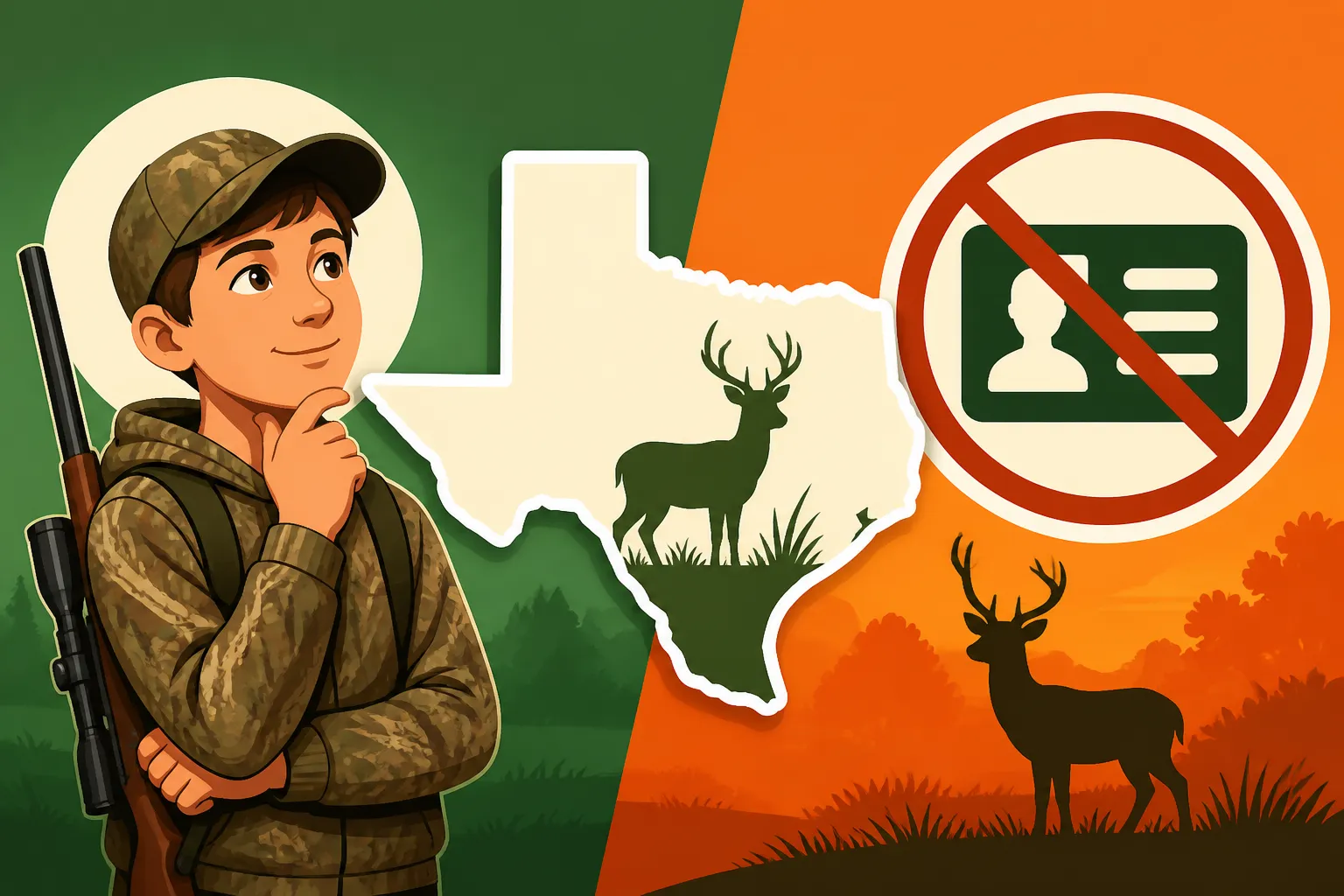
Is a Hunting License Required for Youth in Texas?
Introducing children to the outdoors and the tradition of hunting is a truly special experience, but let's be honest, navigating the maze of hunting regulations can feel like trying to track a ghost in a dust storm. One of the most common questions and sources of confusion for parents and guardians in Texas is whether their young hunters need a license. This guide is here to cut through all that noise, providing a clear, detailed breakdown of hunting license requirements for youth in the Lone Star State, ensuring your family stays legal and enjoys every moment in the field.
Understanding the Basics: Age and License Requirements for Young Hunters
It’s completely understandable to feel a bit lost when you first dive into Texas Parks and Wildlife Department (TPWD) regulations. You want to do right by your kids and teach them to respect the rules, but figuring out who needs what, and when, for youth hunting licenses can be a real head-scratcher. The good news is, once you understand the core principles, it becomes much clearer.
The Under-17 Rule and General License Needs
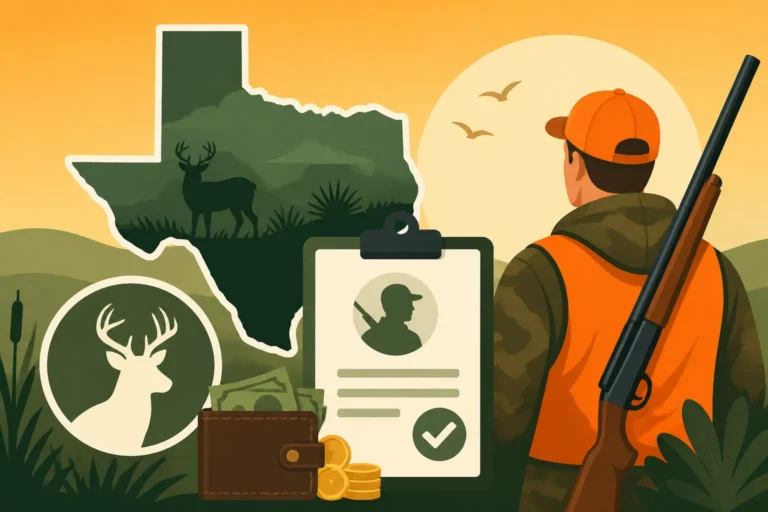
In Texas, the general rule of thumb is that anyone, regardless of age, who is hunting legal game animals or game birds needs a hunting license. This means that if your child is participating in hunting activities, even if they're not the one pulling the trigger every time, they will likely need to be properly licensed. However, there are some important distinctions based on age. The magic number here is 17. Individuals under 17 years of age are considered youth hunters, and they have specific license options.
For most youth hunters pursuing white-tailed deer, feral hogs, dove, ducks, or other game, the Youth Hunting License is the go-to. This license covers all legal hunting activities (except for certain exotic species on private land, which we'll discuss later) and simplifies the process greatly. It combines the general hunting license, migratory game bird endorsement, and federal duck stamp requirement into one convenient package. This really helps cut down on the paperwork and separate purchases, which can be a huge relief for busy parents.
Endorsements and Stamps for Specific Game
While the Youth Hunting License is fantastic for covering most bases, it's crucial to remember that certain types of hunting still require specific endorsements or stamps, even for youth. For instance, if your young hunter plans to pursue migratory game birds like dove, duck, or goose, they will need the Migratory Bird Endorsement & HIP Certification. Thankfully, as mentioned, the Youth Hunting License often bundles this in, but it’s always wise to double-check the specific license package you’re purchasing. For ducks and geese, a federal duck stamp is also generally required for anyone 16 years of age or older. Again, the Youth Hunting License often takes care of this, but knowing the underlying requirements is key to understanding the total picture.
It's not just about what to buy, but what not to miss. Many a seasoned hunter has forgotten a federal duck stamp, only to realize it halfway to the blind. Teaching our youth to be meticulous about their licenses and endorsements from the start instills a lifelong habit of responsible hunting.
Key Exemptions and Special Situations for Youth in Texas
Just when you think you've got it all figured out, Texas throws in a few exemptions and special situations that can further confuse things. But don't worry, these usually work in your favor, making it easier for kids to get into hunting without unnecessary hurdles.
Hunting on Private Land and Without a License
One of the biggest questions that comes up is whether a license is needed when hunting on private property. For youth, there's a significant exemption here that often brings a sigh of relief to landowners and parents alike. A youth under 17 years of age is not required to have a hunting license to hunt feral hogs, coyotes, or other non-game animals on private property. This is a huge benefit, especially if you have access to a family ranch or a friend's land where these animals might be abundant. It allows younger kids to get valuable experience in the field, learn safe gun handling, and understand animal behavior without the immediate need to purchase a full license.
However, this exemption only applies to non-game animals. If your young hunter is after deer, turkey, dove, or any other game animal or bird, they will still need the appropriate license, even on private land. This distinction is vital for staying compliant with state regulations. For comprehensive details on what species require specific tags, you might want to read up on the complete guide to Texas Hunting Seasons: Complete Calendar by Species.
The Mentored Hunter Program: A Lifeline for New Hunters
Texas offers a fantastic initiative called the Mentored Hunter Program, designed to make it easier for new hunters of all ages, including youth, to get started. This program allows an unlicensed hunter (regardless of age, as long as they meet the hunter education deferral requirements) to hunt under the direct supervision of a licensed hunter. This means your child can go hunting with you, learn the ropes, and even participate in the hunt without immediately needing their own license, provided you meet the mentorship criteria.
To qualify for the Mentored Hunter Program:
- The mentor must be a licensed hunter at least 17 years old.
- The mentor must have successfully completed a hunter education course (or be exempt).
- The mentee (the youth hunter) must remain under the direct supervision of the mentor at all times while hunting. Direct supervision means the mentor must be within normal voice control and not more than a few feet away.
- The mentee must have a valid hunter education deferral if they are 17 years of age or older, or if they are 9-16 years of age and wish to hunt unaccompanied by a licensed hunter (though the program specifically targets unlicensed hunters).
This program is a wonderful bridge, letting new hunters experience the thrill and responsibility of hunting firsthand before fully committing to the license purchase and hunter education course. It’s perfect for those initial outings to see if hunting is truly something your child wants to pursue long-term.
Special Youth Hunting Weekends and Opportunities
Texas Parks and Wildlife Department actively promotes youth hunting through special seasons and events. These "Youth Hunting Weekends" are designed to give young hunters an exclusive opportunity to hunt certain species, typically before or after the general season opens. This reduces pressure from adult hunters and often leads to higher success rates, building confidence in young sportsmen and sportswomen.
For example, there are dedicated Texas Youth Hunting Weekend Dates for deer and often for other species like waterfowl. During these weekends, typically, only licensed youth hunters (under 17) are allowed to hunt, often with relaxed regulations on antler restrictions or bag limits in specific areas. Always check the current year's Texas Outdoor Annual for specific dates and rules, as these can vary annually and by zone, like the detailed breakdowns for Texas Deer Season 2026-2027: Dates by Zone. These events are priceless for fostering a love for hunting and conservation in the next generation.
Navigating the Process: How to Get a Youth Hunting License
Once you've determined that your young hunter needs a license, the next step is actually acquiring it. Thankfully, Texas makes this process relatively straightforward, offering several convenient options.
Where to Purchase a Youth Hunting License
There are a few ways to purchase a hunting license for your child in Texas:
- Online: The easiest and most common method for many is to purchase licenses directly from the Texas Parks and Wildlife Department's online portal. You can do this from the comfort of your home, any time of day. You'll need some basic information about your child, and a credit card for payment. The TPWD website is user-friendly, and it generates a printable license immediately. Remember, even with a digital purchase, you'll need a physical copy or a printed version of the license and any required endorsements to carry in the field.
- In-Person: For those who prefer a face-to-face transaction or need immediate assistance, licenses can be purchased at numerous licensed retailers across the state. This includes most Academy Sports + Outdoors stores, Walmart locations, sporting goods stores, and many independent bait and tackle shops. Just look for the signs indicating they sell hunting and fishing licenses. This is a great option if you're already out shopping for gear or if you have questions about specific requirements.
- TPWD Law Enforcement Offices: While less common for general purchases, TPWD law enforcement offices and state parks sometimes offer license sales. It's best to call ahead to confirm availability and hours if you plan to go this route.
No matter where you purchase the license, make sure to keep the original in a safe place and carry a valid copy when hunting. It’s also a good idea to explain to your child the importance of having their license with them, just like an adult would.
Required Information and Documents
When purchasing a youth hunting license, you'll generally need the following information for your child:
- Full Name: As it appears on their birth certificate or identification.
- Date of Birth: To verify their age category.
- Physical Address: Their primary residence.
- Social Security Number (SSN): This is required by federal law for all hunting and fishing licenses across the United States. While it might seem intrusive for a child, it's a standard procedure.
- Height, Weight, Hair Color, Eye Color: These are usually requested for identification purposes on the license itself.
You typically won't need to present a physical ID for a minor, but having accurate information is crucial. The cost of a How Much Is a Texas Hunting License? for youth is significantly lower than for adults, making it very accessible. The Youth Hunting License for residents is usually around $7, which is a fantastic bargain considering all it covers. For a non-resident youth, the price is higher but still a good value.
Beyond the License: Hunter Education and Mentorship
Getting the license is just one piece of the puzzle. For youth hunters, especially, the journey involves much more than paperwork. It's about safety, ethics, and a deep understanding of conservation.
The Importance of Hunter Education
While a youth under 17 might not always need a hunting license in specific situations, Texas law generally requires anyone born on or after September 2, 1971, to complete a hunter education course to hunt in the state. However, there's a vital exemption for youth under the age of 9, and also the Mentored Hunter Program we just discussed.
Specifically:
- A person under 9 years of age is not required to take hunter education. They must be accompanied by a licensed hunter (17 years of age or older) who has completed hunter education (or is exempt).
- A person 9 through 16 years of age must complete hunter education OR hunt under the direct supervision of a person 17 years of age or older who has completed hunter education.
- A person 17 years of age or older must complete hunter education unless they are eligible for the hunter education deferral and are hunting under supervision.
So, while your 9-year-old might not immediately need hunter education if they're with you, it’s a critical step in their development as a responsible hunter. Many parents choose to have their children complete the course around age 10-12, equipping them with essential knowledge long before they might hunt solo. You can find detailed information on Do You Need Hunter Education in Texas? to plan accordingly. The course covers firearms safety, wildlife identification, conservation principles, hunting ethics, and more – all invaluable lessons for any aspiring hunter.
The Role of a Mentor in Youth Hunting
Beyond formal education, the role of a mentor is paramount. This is where you, as a parent, guardian, or experienced hunter, truly shine. Hunting with a child isn't just about bagging game; it's about building character, teaching patience, fostering respect for nature, and creating lasting memories.
A good mentor does more than just supervise. They:
- Teach safety above all else: Reinforce the four rules of firearm safety (treat every gun as loaded, never point the muzzle at anything you don’t intend to destroy, keep your finger off the trigger until your sights are on the target, be sure of your target and what’s beyond it).
- Impart ethical hunting practices: Explain fair chase, humane harvesting, and the importance of following all game laws, including understanding Texas Antler Restrictions: 13-Inch Rule & Counties if hunting deer.
- Share knowledge of wildlife and habitats: Help identify different species, explain their behaviors, and discuss how management practices contribute to healthy populations. This is an excellent opportunity to talk about wildlife biology, beyond just identifying a buck.
- Emphasize conservation: Explain why regulations exist, how license fees contribute to wildlife management, and the role hunters play in preserving natural resources for future generations.
- Foster appreciation for the outdoors: Teach woodsmanship, tracking skills, how to read the landscape, and simply enjoy the peace and beauty of nature. This can be as simple as pointing out different bird calls or identifying tracks near a deer feeder. Speaking of which, understanding Hunting Over Feeders & Corn in Texas (Legal Guide) is another practical area where a mentor's guidance is invaluable.
The best hunting experiences for youth often come from these mentorship opportunities, whether it’s on a family ranch or a public hunting lease. These lessons extend far beyond the hunting stand, shaping responsible citizens who value wildlife and wild places.
Essential Gear and Preparedness
While not directly related to licensing, ensuring your youth hunter is properly geared up and prepared is crucial for a safe and enjoyable experience. This includes appropriate clothing for Texas's varied weather, comfortable footwear like snake boots (especially in brush country), and proper ear and eye protection.
A youth hunting setup doesn't need to be expensive or elaborate. Start with the basics:
- Firearm or Bow: Appropriately sized and weighted for their build, with low recoil if using a firearm.
- Ammunition: The correct caliber/gauge for their weapon and the game they are pursuing.
- Camo/Appropriate Clothing: Blends in with the environment, comfortable, and layers for changing weather.
- Safety Gear: Eye and ear protection are non-negotiable.
- First-Aid Kit: Always have one accessible.
- Hydration/Snacks: Especially important in the Texas heat.
Consider starting with something manageable, like dove hunting. It’s often fast-paced, requires less sitting still, and can be a great way to introduce shooting fundamentals and field etiquette. Learning Dove Hunting Tactics: Field Setup & Shooting can be an ideal initial outing.
Summary of Youth Hunting License Requirements in Texas
To bring it all together, here's a quick overview of the key points for youth hunting licenses in Texas.
| Age Group | General Hunting License (Game Animals/Birds) | Non-Game Animals (Feral Hogs, Coyotes on Private Land) | Migratory Bird Endorsement (Doves, Ducks, Geese) | Federal Duck Stamp (Ducks, Geese) | Hunter Education Requirement |
|---|---|---|---|---|---|
| Under 9 | Yes, if not Mentored Hunter* | No | Yes, if not Mentored Hunter* | No | No (Must be supervised by licensed, HE-certified hunter) |
| 9-16 Years Old | Yes, typically Youth Hunting License | No | Yes (Included in Youth HL) | No | Yes (or hunt under direct supervision of HE-certified hunter) |
| 16-17 Years Old | Yes, typically Youth Hunting License | No | Yes (Included in Youth HL) | Yes | Yes (or hunt under direct supervision of HE-certified hunter) |
*Mentored Hunter Program allows unlicensed individuals to hunt under direct supervision of a licensed, HE-certified hunter. See TPWD for full details.
This table should serve as a handy reference, but remember, laws can change, so always consult the latest Texas Outdoor Annual or the official TPWD website for the most current regulations.
Taking a child hunting is about more than just a license; it's about passing on a legacy. It's about instilling a profound respect for wildlife, the land, and the responsibility that comes with being a hunter. By understanding these regulations, you're not just staying legal, you're paving the way for countless incredible memories and helping to shape the next generation of ethical and conservation-minded outdoors enthusiasts. Good luck out there, and happy hunting with your young ones!
Disclaimer
Please note that hunting regulations, seasons, and licensing requirements in Texas can change. While every effort has been made to provide accurate and up-to-date information, it is the sole responsibility of the individual hunter to consult the most current official Texas Parks and Wildlife Department Outdoor Annual or website before engaging in any hunting activities. This guide is for informational purposes only and does not constitute legal advice.