Texas Hunting License for Disabled Veterans
It can feel overwhelming trying to navigate the complex world of hunting licenses, especially when you've served our country and earned special recognition for your sacrifices. For disabled veterans in Texas, finding clear, concise information about securing a hunting license that acknowledges your unique status shouldn't be another challenge. This guide is dedicated to breaking down the process, clarifying the benefits, and providing a straightforward path to getting your Texas hunting license as a disabled veteran, ensuring you can enjoy the Lone Star State's incredible outdoors without unnecessary hassle.
Understanding the Texas Hunting License for Disabled Veterans
Texas is proud to offer specific hunting license benefits for its disabled veterans, recognizing their service and commitment. However, like many government programs, understanding the ins and outs can be a bit like navigating thick South Texas brush – it requires a clear path. This section aims to clear that path for you.
Eligibility Criteria and Proof of Service
The first hurdle to overcome is confirming your eligibility. It’s not just about having served; there are specific criteria defined by the Texas Parks and Wildlife Department (TPWD). To qualify for a Disabled Veteran hunting license, you must be a Texas resident, which generally means you've resided in Texas for at least six months. More crucially, you must have a service-connected disability of 50% or more, or you must have lost the use of a lower extremity. This isn't just an arbitrary number; it's a specific designation that needs to be officially documented.
When it comes to proof of service, the TPWD isn't asking for your old boot camp photos, but rather official documentation from the U.S. Department of Veterans Affairs (VA). This typically means a current VA disability rating letter or a similar official document that clearly states your percentage of service-connected disability. Sometimes, hunters get tripped up by bringing in an old ID card or a general letter that doesn't explicitly state the disability percentage, leading to delays or denial at the counter. Always make sure your documentation is current and clearly articulates the required disability status. For more detailed information on general licensing requirements, check out our guide on Texas Hunting License: Cost, Types & How to Buy (2026).
Comprehensive Benefits and Privileges
The Disabled Veteran Super Combo license, as it's often called, is far more than just a piece of paper; it's a gateway to enjoying Texas's diverse hunting opportunities with significant financial relief. This license essentially combines a suite of popular hunting endorsements and privileges into one affordable package, or even free for those with 50% or more disability. This includes the annual resident hunting license, a resident fishing license, and various endorsements like the Archery Endorsement, Upland Game Bird Endorsement, Migratory Game Bird Endorsement, and the Federal Duck Stamp.
Think about it: normally, you'd have to purchase each of these individually, which can add up quickly. For example, a standard Super Combo license for a regular resident can be over $60, not including the Federal Duck Stamp. But as a qualifying disabled veteran, you could pay a reduced fee or nothing at all, allowing you to allocate those funds to other essential gear, fuel for your hunting trips, or even just a good meal after a successful day in the field. This license truly honors your service by making the outdoors more accessible and less burdensome financially.
Distinguishing Features from General Hunting Licenses
The most obvious distinction between a disabled veteran license and a general resident hunting license is, of course, the price. While the standard licenses can range from basic hunting permits to comprehensive Super Combo packages with varying price tags, the Disabled Veteran Super Combo is either significantly reduced or entirely free for those meeting the 50% or greater disability criteria. This financial benefit is a huge relief for many.
Beyond the cost, the disabled veteran license consolidates multiple endorsements into one product, simplifying the process for the hunter. A regular hunter would have to carefully select and purchase individual endorsements like the migratory game bird or archery endorsement if they plan to pursue those species. The veteran's Super Combo streamlines this, bundling all the common necessities into one. It’s a recognition that for disabled veterans, every effort to simplify and reduce barriers to enjoying the outdoors is a small token of gratitude for their service. This also ties into the broader discussion of How Much Is a Texas Hunting License?, where the cost savings for veterans become particularly clear.
Navigating the Application Process for Veterans
Once you understand the eligibility, the next step is the actual application. This part can sometimes be confusing, especially if you're used to doing everything online. While Texas offers many digital services, sometimes a personal touch or specific documentation is required for specialized licenses like this.
Step-by-Step Guide to Obtaining Your License
Getting your Disabled Veteran hunting license usually involves a few key steps. First, ensure you have your official VA disability rating letter confirming your service-connected disability of 50% or more, or the loss of a lower extremity. This document is non-negotiable. Second, you’ll need proof of Texas residency, which could be a Texas driver’s license or ID card.
With your documentation in hand, your best bet is often to visit a licensed retailer. While the TPWD website is fantastic for general information and many license purchases, the disabled veteran license sometimes requires in-person verification of your VA documents. At a retailer, a knowledgeable clerk can review your paperwork and process the application on the spot, printing your license right there. This avoids potential delays or issues that might arise from online submissions where document verification could be tricky. Don't forget, even with special licenses, understanding rules like those for Texas Antler Restrictions: 13-Inch Rule & Counties remains crucial for all hunters.
Online, Retailer, and TPWD Office Application Options
While many standard Texas hunting licenses can be purchased online through the TPWD website, for the Disabled Veteran Super Combo, visiting a local retailer or a TPWD law enforcement office is often the most straightforward and recommended route. This is primarily due to the need for official documentation verification. If you attempt to purchase it online without prior verification, you might encounter issues or delays in proving your disability status.
Retailers like Academy Sports + Outdoors, Walmart, or any independent sporting goods store that sells TPWD licenses are usually well-equipped to handle these transactions. They have the systems in place to verify your VA documentation and process your license correctly. TPWD offices also offer this service and can provide expert guidance. While the convenience of online purchases is appealing, for this specific license, a face-to-face interaction can save you a lot of headache and ensure you walk out with your valid license in hand.
Common Hurdles and Expert Tips for a Smooth Process
One of the most frequent frustrations disabled veterans encounter is incomplete or outdated documentation. Hunters might bring a VA healthcare ID, thinking it's sufficient proof, only to be turned away because it doesn't state the disability percentage. Always double-check that your VA letter clearly indicates a service-connected disability of 50% or greater, or the loss of a lower extremity. If you're unsure, contact the VA for an updated letter before heading to a license vendor.
Another common issue arises when residency isn't clearly established. Make sure your Texas driver's license or ID is current and reflects your Texas address. If you’ve recently moved to Texas, you might need additional proof of residency, such as utility bills or voter registration. To avoid any last-minute stress, consider applying a few weeks before your planned hunt. This gives you ample time to gather any missing paperwork. Remember, while the license helps, it's still your responsibility to be aware of regulations, such as those covered in Texas Hunting Seasons: Complete Calendar by Species, to ensure a legal and enjoyable experience.
Essential Endorsements and Federal Requirements
Even with the comprehensive Disabled Veteran Super Combo, there are a few additional endorsements and federal requirements that all hunters, including disabled veterans, need to be aware of, especially when pursuing migratory birds. It's easy to assume the Super Combo covers absolutely everything, but a couple of critical pieces are still needed for specific hunting types.
Texas Migratory Game Bird Endorsement and HIP Certification
The good news is that the Disabled Veteran Super Combo includes the Texas Migratory Game Bird Endorsement. This endorsement is crucial for anyone planning to hunt doves, ducks, geese, coots, rails, gallinules, or sandhill cranes in Texas. However, possessing the endorsement isn't the only requirement for migratory bird hunting.
You also need to be HIP (Harvest Information Program) certified. HIP certification is a federal requirement, and it essentially involves answering a few simple questions about your migratory bird hunting success from the previous season. This information helps wildlife agencies monitor harvest levels and manage migratory bird populations effectively. The process for HIP certification is usually integrated into the license purchase system, so when you buy your Disabled Veteran Super Combo, the vendor will prompt you to complete the HIP questions. It’s a quick step, but one that’s often overlooked, and not having it could lead to legal trouble if you’re checked in the field. Our guide on Texas Migratory Bird Endorsement & HIP Certification goes into more detail.
Understanding Federal Duck Stamp Obligations
While the Texas Migratory Game Bird Endorsement is covered by your Disabled Veteran Super Combo, the Federal Duck Stamp is a separate federal requirement that all duck and goose hunters aged 16 and older must possess. This stamp is not issued by TPWD; it's issued by the U.S. Fish and Wildlife Service. It's a physical stamp that you sign across the face and carry with you, or you can purchase an electronic version that's valid for 45 days while you await the physical stamp's arrival.
The revenue generated from Federal Duck Stamp sales goes directly to conserving wetlands and purchasing waterfowl habitat, so it's a vital contribution to wildlife conservation efforts. You can purchase a Federal Duck Stamp at most post offices, many sporting goods stores, or online from the U.S. Fish and Wildlife Service. Even with your special veteran's license, failing to have this stamp if you're hunting ducks or geese is a federal offense, so don't overlook it!
Special Tags for Specific Game Species
For most common game animals like white-tailed deer and turkey, your Disabled Veteran Super Combo will cover the necessary privileges, and your hunting license comes with tags for deer, turkey, and often other species like javelina. You'll need to make sure to validate and attach the correct tag to the animal immediately after harvest, as outlined in the Texas Outdoor Annual. This is a critical step in Texas Hunting Tags & Harvest Reporting (My Texas Hunt Harvest) to ensure legality and aid wildlife management.
However, for certain special hunts or less common species, additional permits or tags might be required. For example, if you participate in a Texas Drawn Hunts & Public Hunt Draw 2027 for an alligator or pronghorn, there might be specific permit requirements unique to that draw. Similarly, exotic species on private land typically don't require state tags beyond your basic hunting license, but it's always wise to confirm with the landowner or outfitter what their specific requirements are. Always consult the current Texas Outdoor Annual for the most up-to-date and specific regulations for the species you intend to hunt.
Expanding Your Hunting Opportunities in Texas
Texas offers a vast array of hunting experiences, from chasing trophy whitetail in the brush country to calling in turkeys in the Hill Country. As a disabled veteran with your specialized license, you have access to these incredible opportunities, but understanding how to maximize them is key.
Accessing Public Hunting Lands and Drawn Hunts
Texas boasts an impressive system of Public Hunting Lands, including Wildlife Management Areas (WMAs), state parks, and national grasslands, all accessible through the Annual Public Hunting Permit (APH). The great news is that your Disabled Veteran Super Combo includes the APH permit, opening up literally millions of acres for hunting, fishing, and other outdoor recreation. To find these areas, consult the TPWD Public Hunting Program website, which provides maps, regulations, and available species for each location. Our guide on Public Hunting in Texas: WMAs & Annual Public Hunting Permit is a fantastic resource for this.
Beyond general public access, Texas also runs a highly popular Drawn Hunt system. These hunts offer unique opportunities for high-quality hunts on premier public and private lands, often for species like deer, alligator, or even exotic game. As a disabled veteran, you can apply for these hunts just like any other resident, and sometimes there are even special drawn hunts designated specifically for disabled hunters, offering enhanced accessibility or support. Keep an eye on the TPWD website for application periods and details, as competition can be stiff for popular hunts.
Considerations for Hunting on Private Leases
While public lands offer great opportunities, the vast majority of hunting in Texas takes place on private land, often through hunting leases. Your Disabled Veteran Super Combo is fully valid for hunting on private land, assuming you have permission from the landowner or have secured a lease. Private leases offer more control over your hunting experience, less pressure from other hunters, and often better habitat management, potentially leading to higher quality game.
When considering a private lease, be sure to clearly understand the terms of the agreement, including species allowed, bag limits (which might differ under programs like MLDP), and any specific ranch rules. Many landowners are incredibly supportive of veterans and may even offer discounts or specialized access. Don't be shy about asking. Remember to consult the Texas Hunting Regulations Changes for 2026 each year, as rules can evolve even on private land, particularly concerning CWD zones or antler restrictions.
Adaptive Hunting Equipment and Resources
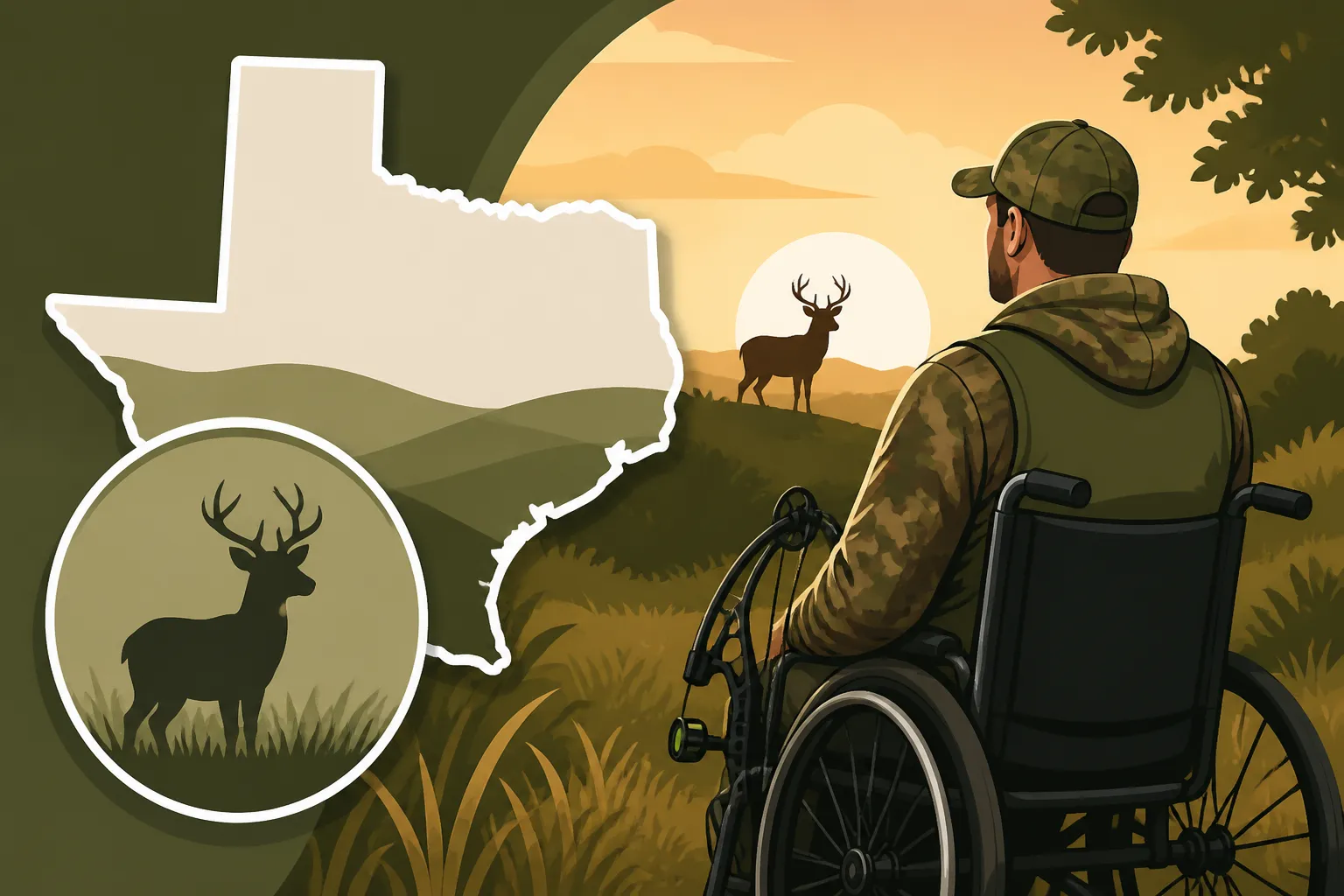
Disabled veterans often face unique challenges that require adaptive solutions to enjoy hunting. Thankfully, the hunting industry and various organizations have made significant strides in providing adaptive equipment and resources. This can range from specialized wheelchairs designed for rough terrain, to adaptive shooting rests, custom slings, or even modified vehicles to transport hunters into remote areas.
Many hunting outfitters and organizations specifically cater to disabled hunters, offering guided hunts with accessible blinds, vehicles, and assistance. Organizations like the Texas branch of the National Wild Turkey Federation, Safari Club International, and various local veteran support groups frequently host or sponsor hunts for disabled veterans. Don't let physical limitations deter you; there's a strong community and plenty of innovation dedicated to making hunting accessible for everyone who wants to participate.
Important Regulations and Best Practices for Disabled Veteran Hunters
Getting your license is a crucial first step, but being a responsible and successful hunter in Texas means staying informed about regulations and adopting best practices. This is true for all hunters, and disabled veterans are no exception.
License Renewal, Validity, and Keeping Records
Your Texas hunting license is typically valid from September 1st of one year to August 31st of the following year. This means you’ll need to renew it annually, usually starting in mid-August. Don't get caught off guard! Mark your calendar for renewal reminders. While your initial purchase might require in-person verification of your VA documents, subsequent renewals can often be handled online or over the phone if your status is already on file with TPWD.
It's always a good practice to keep a copy of your VA disability letter, or at least a digital image, with your hunting records. This way, if there's ever a question about your eligibility, you have immediate proof. Also, keep track of your previous license numbers. This helps TPWD streamline the renewal process and ensures accurate record-keeping of your hunting history.
Companion Hunting and Assistance Guidelines
For some disabled veterans, hunting might require assistance from a companion. Texas hunting regulations generally allow for assistance, but it's important to understand the specifics to ensure legality. For example, a companion can often help with tasks like setting up blinds, retrieving game, or even assisting with aiming, but the person who holds the license must be the one to actually pull the trigger or release the arrow. The exact level of assistance allowed can vary, so always consult the current Outdoor Annual or contact TPWD directly if you have specific questions about companion roles.
It’s crucial that if a companion is also hunting, they must have their own valid hunting license and any necessary endorsements. They are not covered by your Disabled Veteran Super Combo. Clear communication and understanding of both state regulations and ethical hunting practices are essential when hunting with a companion to ensure a safe and legal experience for everyone involved.
Staying Current with Texas Hunting Regulations
Texas hunting regulations, like the weather, can change. Each year, TPWD publishes the Texas Outdoor Annual, which is the definitive guide to all hunting and fishing regulations. While the core structure of seasons and bag limits for common species often remains similar, there can be changes to specific county regulations, CWD zones, or definitions of legal hunting methods. Always review the Outdoor Annual before each hunting season, or even before a specific trip if you haven't hunted that species or in that area recently.
You can access the Outdoor Annual online through the TPWD website, pick up a physical copy at most license vendors, or download the handy Outdoor Annual mobile app. Staying informed about these changes, whether it's understanding the nuances of CWD in Texas: Zones, Rules & Carcass Transport or new antler restriction rules, is not just about avoiding fines; it's about being a responsible steward of Texas's wildlife resources and ensuring the future of hunting for everyone.
Summary of Texas Disabled Veteran Hunting License Benefits
To help consolidate the information, here’s a quick overview of the key benefits and requirements for the Texas Disabled Veteran Hunting License:
| Feature | Details | Cost (Qualifying DV) | Standard Resident Cost (approx.) |
|---|---|---|---|
| Eligibility | TX Resident, 50%+ service-connected disability or loss of lower extremity (VA documentation required). | N/A | N/A |
| Included Licenses | General Hunting, Fishing, Archery, Upland Game Bird, Migratory Game Bird, APH Permit. | $0 or Reduced Fee | $68 (Super Combo) |
| Federal Duck Stamp | NOT Included. Required for duck/goose hunters 16+, purchased separately (USFWS). | $25 | $25 |
| HIP Certification | Included with Migratory Endorsement. Required for all migratory bird hunters. | Free | Free |
| Validity Period | September 1st to August 31st (Annual Renewal). | Annual | Annual |
| Application Method | Best in-person at retailers or TPWD offices for initial verification. Renewals often online/phone. | N/A | N/A |
| Proof Required | Current VA disability rating letter, Texas Driver's License/ID. | N/A | N/A |
Disclaimer:
Please be aware that hunting regulations in Texas are subject to change by the Texas Parks and Wildlife Department. While every effort has been made to provide accurate and up-to-date information in this guide, it is ultimately the hunter's responsibility to consult the current Texas Outdoor Annual and any official TPWD publications for the most recent and complete regulations before participating in any hunting activities. This guide is for informational purposes only and should not be considered a substitute for official legal guidance.