Chaparral WMA Hunting (South Texas)
Hunting public land in Texas can feel like trying to find a needle in a haystack, especially when everyone is vying for the same limited opportunities. The sheer competition for coveted spots often leaves hunters feeling disheartened, wondering if they'll ever get a chance at a truly wild, fair-chase experience without breaking the bank on a private lease. This guide is here to shed light on one of South Texas's premier public hunting gems, the Chaparral Wildlife Management Area, offering a comprehensive look at what it takes to successfully navigate and hunt this incredible landscape.
Discovering the Chaparral Wildlife Management Area
The Chaparral WMA is more than just a piece of public land; it’s a sprawling testament to the raw, untamed beauty of South Texas. Tucked away in the iconic Brush Country, it represents a unique opportunity for hunters willing to put in the effort. For many, just getting drawn to hunt here is a victory in itself.
Location and Terrain
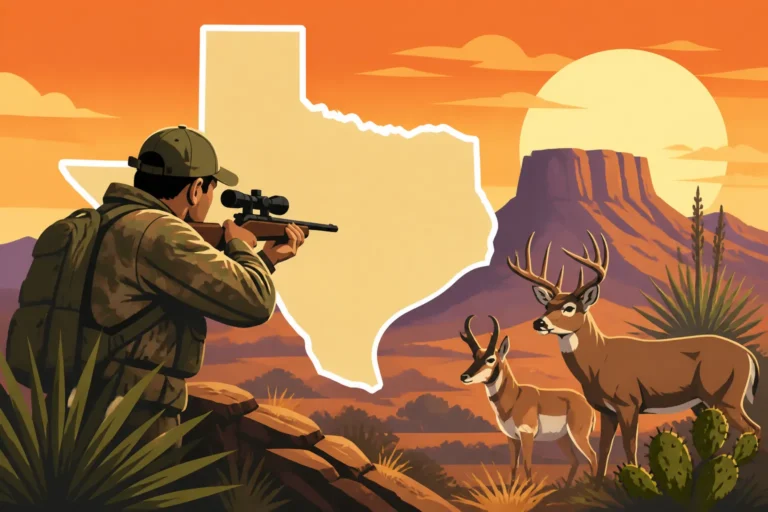
Situated in Dimmit and LaSalle Counties, the Chaparral Wildlife Management Area spans over 15,000 acres of prime South Texas habitat. If you've ever dreamed of hunting the legendary Brush Country, this is your chance to experience it firsthand. The terrain here isn't what most people picture when they think of "open Texas land." Instead, you'll find an incredibly dense landscape dominated by thick stands of mesquite, prickly pear cactus, blackbrush, granjeno, and a host of other thorny, impenetrable shrubs. This is true brush country, where visibility is often limited to mere yards, and navigating on foot can be a formidable challenge. Elevations are relatively flat, but the sheer density of the vegetation creates its own kind of topography, forming natural corridors, bedding areas, and feeding grounds that are often invisible until you're right on top of them. This makes for an incredibly intimate hunting experience, demanding patience, stealth, and a keen understanding of animal behavior in tight quarters.
Unique South Texas Habitat
What truly sets Chaparral apart is its commitment to wildlife research and management, particularly for white-tailed deer. This WMA has been at the forefront of deer research for decades, meaning the habitat is not just preserved, but actively managed to foster healthy, robust populations. The dense brush provides critical cover from predators and the scorching Texas sun, while the diverse plant life offers a year-round buffet of browse. Beyond the iconic brush, you'll find ephemeral wetlands, senderos (cut lines or roads), and scattered food plots that act as magnets for game during different times of the year. This mosaic of habitats creates a vibrant ecosystem supporting not only deer but also thriving populations of feral hogs, javelina, and a variety of upland game birds. Understanding these micro-habitats and how game utilizes them is key to success. For instance, knowing where the water sources are during a dry spell or where the mesquite beans are dropping in the fall can give you a significant advantage. This place is a living laboratory, and its rich ecology provides an exceptional hunting challenge.
Navigating the Public Hunt Draw System for Chaparral
Getting a hunting slot at Chaparral WMA isn't like walking into a store and buying a tag; it's a competitive process that requires understanding the Texas Parks and Wildlife Department's (TPWD) Public Hunt Draw System. Many hunters feel the sting of rejection letters year after year, and it’s a truly frustrating part of trying to access these amazing public lands. But don't give up! With a strategic approach, you can increase your chances.
Applying for Drawn Hunts
The vast majority of hunting opportunities at Chaparral WMA are allocated through the annual public hunt draw. This system aims to provide fair access to quality hunting experiences on public lands across the state. Applications typically open in mid-summer, with deadlines staggered throughout the fall, depending on the hunt category. To apply, you'll need to visit the Texas Drawn Hunts & Public Hunt Draw 2027 portal on the TPWD website. It’s crucial to pay close attention to the specific hunt categories available for Chaparral, which might include anything from archery deer hunts to general gun hunts for deer, feral hogs, or javelina. Each category has its own application period and associated fee. You'll enter a lottery, and if your name is drawn, you receive a permit to hunt during a specified period. The frustrating part is that there are often thousands of applicants for only a handful of available slots, making the odds incredibly long for popular hunts like general deer season. This is where researching your options and maximizing your application strategy comes into play.
Improving Your Odds
While luck plays a significant role, there are ways to strategically improve your chances in the drawn hunt system. One of the most effective methods is accumulating preference points. For many hunt categories, if you apply and are not drawn, you'll receive a preference point for that category. The more points you have, the better your chances are in subsequent drawings, as TPWD often gives priority to applicants with more points. It's a long game, and it can be discouraging when you're accumulating points for years without success, but it's often the only way to get a foot in the door for highly sought-after hunts.
Another tip is to apply for less popular hunt categories or time slots. While everyone wants a prime rut hunt, applying for early or late season opportunities might face less competition. Researching the Texas Drawn Hunt Odds: What Are Your Chances? for previous years can give you valuable insight into which hunts are most competitive. Tools like GoHunt can also provide data and analysis that might help you identify categories with slightly better odds, even if it's just a marginal improvement. Also, consider applying as a group. Some hunts allow for group applications, which can increase your collective odds if a group slot is drawn. However, remember that if one person in the group is drawn, everyone in that group uses a preference point. It’s all about understanding the rules and playing the system smart, even when it feels like a giant roulette wheel.
Game Species Available at Chaparral WMA
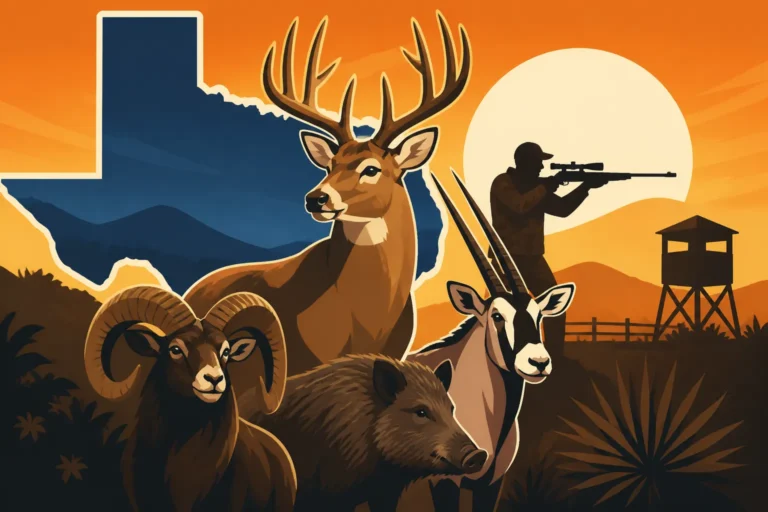
Chaparral WMA is renowned for its diverse wildlife, offering hunters a chance to pursue several iconic South Texas game animals. The success rates can vary, but the quality of the animals, especially the deer, makes it a highly desirable location.
White-Tailed Deer
The white-tailed deer at Chaparral WMA are legendary, primarily due to the extensive research and management efforts conducted there over the years. Hunters often dream of harvesting a mature South Texas buck from the dense brush, and Chaparral offers that opportunity. While trophy potential exists, the primary focus for TPWD is often on herd management and providing quality hunting experiences, not just big antlers. Hunters here will likely encounter deer that are extremely wary, accustomed to the thick cover, and masters of evasion. This isn't a "sit and wait" kind of deer hunt; it requires active scouting, patience, and often tracking through thorny terrain. Hunters should familiarize themselves with Texas Antler Restrictions: 13-Inch Rule & Counties and other specific regulations for the WMA, as rules can vary from general state guidelines. Harvesting a buck here, regardless of size, is a true accomplishment given the challenging environment. Doe hunts are also often available and are critical for herd management.
Feral Hogs and Javelina
Beyond deer, Chaparral WMA is home to significant populations of both feral hogs and javelina. These animals are often included in drawn hunts, sometimes as primary targets, or as secondary opportunities during deer hunts. Feral hogs are prolific breeders and are considered an exotic invasive species in Texas, with no closed season or bag limit on private land. On WMAs like Chaparral, specific regulations will apply to control their numbers. Hunting Feral Hog Hunting in Texas: Year-Round Guide is a challenging pursuit in the dense brush; they are intelligent, adaptable, and can disappear into cover almost instantly.
Javelina, or collared peccaries, are native to South Texas and offer a unique hunting experience. These small, pig-like mammals travel in herds and can be quite elusive. They are often found in areas with dense brush and prickly pear cactus, which they rely on for food and water. Hunting Javelina Hunting in Texas at Chaparral provides a genuine South Texas experience, requiring careful stalking and a keen eye to spot them amidst the thorns. Both hogs and javelina provide excellent table fare if properly handled, and their presence adds another layer of excitement and opportunity to a Chaparral hunt.
Quail and Other Small Game
While deer and hogs often take center stage, Chaparral WMA also offers opportunities for upland bird hunting, primarily bobwhite quail. The diverse habitat, with its mix of brush and open patches, provides ideal conditions for these fast-flying game birds. Quail hunts are usually separate drawn hunts and can be highly sought after by bird dog enthusiasts. The density of the brush, however, means that working dogs here requires specific training and careful attention to avoid cactus and thorns.
Beyond quail, some limited opportunities for other small game like rabbit might exist, though these are typically secondary to the larger drawn hunt categories. Always consult the specific hunt rules and regulations for your drawn permit to understand all allowable species and bag limits. The variety of game species truly makes Chaparral a comprehensive South Texas hunting destination, offering a different challenge for various hunters.
Essential Gear and Preparation for a Chaparral Hunt
Hunting in the South Texas brush at Chaparral WMA is a demanding endeavor, and success often hinges on meticulous preparation and having the right gear. The environment itself presents unique challenges, from the oppressive heat to the impenetrable thorny vegetation. Don't underestimate the importance of being well-equipped.
Navigation and Communication
Forget about relying solely on old-school paper maps and compasses in this dense environment, although they should always be a backup. Digital mapping tools are absolutely critical for Chaparral. A reliable GPS unit or a smartphone with a robust hunting app like onX Hunt is indispensable. These apps allow you to mark your vehicle, your blind, game sightings, and most importantly, your track so you don't get disoriented in the thick brush. The ability to see property boundaries, topographical features, and even recent satellite imagery can give you a massive advantage. Always download offline maps before you go, as cell service can be spotty or non-existent in many parts of the WMA.
Communication is also key, especially if you're hunting with a partner. Two-way radios are a must, as cell phones may fail. Make sure your radios have enough range to penetrate the dense cover. Additionally, carrying a fully charged power bank for your electronic devices is non-negotiable. Getting lost or running out of battery far from your vehicle in the South Texas heat could turn a great hunt into a dangerous situation very quickly. Plan your routes, mark your waypoints, and communicate effectively.
Footwear and Clothing
This is where many hunters make critical mistakes when heading to South Texas. Regular hunting boots simply won't cut it. The Chaparral is snake country, home to venomous species like rattlesnakes, and every bush seems to be armed with thorns ready to puncture your skin. Best Snake Boots for Texas Hunting are not optional; they are a vital piece of safety equipment. Look for boots that offer full protection up to the knee and are comfortable enough for long hours of walking. Brands like Lacrosse and Rocky offer excellent options built for this kind of terrain.
Your clothing needs to be tough, breathable, and thorn-resistant. Heavy-duty canvas or brush pants are highly recommended over typical hunting pants, which will quickly snag and tear. Long-sleeved shirts are a must, even in the heat, to protect against thorns and sun. Layering is important, as mornings can be cool, but midday temperatures can soar, even in late fall or early spring. Consider lightweight, moisture-wicking materials in natural earth tones. A wide-brimmed hat is also crucial for sun protection. Don't forget durable gloves to protect your hands when pushing through brush or field dressing game.
Essential Hunting Tools
Beyond your firearm or bow, a few critical tools will make your Chaparral hunt more successful and safer. A good quality knife is essential for Field Dressing & Processing Game in Texas Heat, and you might even want a small folding saw or heavy-duty pruners for clearing shooting lanes or trails if permitted. Hydration is paramount; always carry more water than you think you'll need, especially during warmer hunts. A quality backpack that can withstand the rigors of the brush and comfortably carry your gear, water, and any harvested game is crucial.
Consider a game cart if you're planning on harvesting larger animals like deer or hogs and anticipate a long haul back to your vehicle. The dense brush makes dragging game incredibly difficult, if not impossible, in many areas. A headlamp or flashlight is also a must for early morning hikes in or late-night hikes out. Finally, always carry a basic first-aid kit with essentials for cuts, scrapes, snake bite precautions (though immediate medical attention is always required for a bite), and pain relief. Being self-sufficient and prepared for anything the South Texas brush throws at you is the name of the game.
Tactics for Successful Hunting at Chaparral
Hunting Chaparral WMA isn't about covering vast open spaces; it's a game of inches, patience, and understanding the tight, thorny world you're entering. Success here often boils down to keen observation, strategic movement, and adapting to the unique challenges of the Brush Country.
Pre-Hunt Scouting
Your permit to hunt Chaparral is hard-earned, so make the most of it by dedicating time to pre-hunt scouting, even if it's just digitally. Utilize tools like onX Hunt to study the topography, identify potential watering holes, senderos, and dense bedding areas. Look for any changes in vegetation density that might indicate travel corridors or feeding zones. Satellite imagery can reveal clearings or food plots that aren't obvious on traditional maps. If the WMA allows pre-season access for scouting, take full advantage. Walk the senderos, look for fresh tracks, rubs, and scrapes, and try to visualize how deer, hogs, or javelina would move through the impenetrable thickets. Pay close attention to wind direction relative to potential stand or blind locations.
During scouting, don't just focus on fresh sign, but also on the type of cover and food sources available. A veteran hunter using an app like GoHunt might be looking at historical weather patterns for the area, understanding how recent rainfall might affect water sources or forage availability. This initial reconnaissance helps you formulate a game plan, rather than just wandering aimlessly once the hunt begins. Remember, once you’re on the ground during hunting season, every step and every decision needs to be deliberate.
In-Season Strategies
Once the hunt begins, your strategies need to be tailored to the environment. Unlike open country hunting, long-range shots are rare here. Most engagements will be up close and personal, often within 50 yards or less. This makes stealth and quiet movement absolutely paramount. Still-hunting, where you move slowly and deliberately, stopping frequently to glass and listen, can be incredibly effective. Take one step, pause, scan, listen, then repeat. The rustle of leaves or a broken twig can send a wary buck crashing through the brush before you even know it's there.
Another effective strategy is to locate natural travel corridors within the dense brush. These could be subtle game trails, edges of different vegetation types, or even old faint senderos. Set up a ground blind or a strategically placed tree stand (if allowed and safe) overlooking these pinch points. Patience is a virtue here; sometimes, the best tactic is to pick a good spot with the wind in your favor and simply wait for the animals to move. Don't be afraid to adjust your approach based on what you're seeing and hearing. The Texas sun can be brutal, so remember to hydrate constantly and utilize the shade when possible.
Adapting to Conditions
Chaparral hunting demands adaptability. Weather conditions, especially in South Texas, can change rapidly. A cold front rolling in might get deer moving more aggressively, while a sudden rain shower can quiet the woods and wash away fresh sign. Pay attention to changes in wind direction and adjust your position accordingly to keep your scent from blowing towards game. A reliable weather app, even with spotty service, can give you a heads-up.
Understanding the Best Time of Day to Hunt Whitetail in Texas in dense brush is also critical. Early mornings and late evenings are typically prime movement times, but in extremely thick cover, deer might move throughout the day, feeling more secure. After a heavy rain, deer often come out to feed on fresh growth or to dry off. During the rut, rattling and grunting can be highly effective for bringing bucks out of the brush. Remember that the dense cover will muffle sounds, so you might need to call more aggressively or for longer periods. Be prepared for anything, stay vigilant, and don't be afraid to change your game plan if what you're doing isn't working.
Rules, Regulations, and Important Considerations
Hunting Chaparral WMA means playing by specific rules that go beyond general state hunting regulations. These rules are in place to ensure hunter safety, protect the resource, and manage the unique challenges of this public land. Familiarizing yourself with these details is non-negotiable.
Check-in/Check-out Procedures
Every hunter drawn for a Chaparral WMA hunt will be required to check in and check out at the designated WMA headquarters or check station. This isn't just a formality; it's a critical safety and management protocol. Upon check-in, you'll receive your specific hunt packet, which includes detailed maps of hunt units, special instructions, and any last-minute regulation updates. You'll also be briefed on safety protocols, boundary lines, and designated parking areas. It’s also often where you'll get your harvest tags or permits for the WMA.
After your hunt, whether successful or not, you must check out. This process ensures that all hunters are accounted for, helps WMA staff collect valuable harvest data, and allows them to monitor hunting pressure. Failure to check in or out can result in penalties, including forfeiture of future hunting opportunities. Treat the WMA staff with respect; they are there to help ensure a safe and enjoyable experience for everyone. Be prepared to show your license, permit, and any harvested game for inspection.
CWD and Carcass Transport
Chronic Wasting Disease (CWD) is a serious neurological disease affecting deer and elk, and it has been detected in various parts of Texas, including CWD Zones. Chaparral WMA is often within or adjacent to CWD surveillance zones, making adherence to specific rules critical. Before your hunt, it is absolutely essential to check the most current CWD in Texas: Zones, Rules & Carcass Transport information for Dimmit and LaSalle Counties.
CWD regulations can include mandatory harvest reporting within certain timeframes, restrictions on the transport of certain carcass parts (such as the brain, spinal cord, and skull plate) out of the CWD zone, and mandatory CWD testing. These rules are in place to prevent the spread of the disease and are strictly enforced. Hunters caught violating CWD regulations face significant fines and penalties. If you harvest a deer, know the procedures for sampling, reporting, and proper carcass disposal or transport before you ever pull the trigger. Always err on the side of caution and consult WMA staff if you have any questions.
Safety Guidelines
The South Texas brush is a wild place, and safety must always be your top priority. Beyond the obvious firearm safety rules, there are specific considerations for Chaparral. As mentioned, snake awareness is huge. Always wear your snake boots, watch where you step, and be cautious when reaching into brush piles or dense cover. Heat exhaustion is another major concern, especially during early season or warmer hunts. Stay hydrated, take breaks, and know the signs of heat-related illness.
Hunting in dense cover also presents unique challenges for visibility. Always be absolutely certain of your target and what's beyond it. Wearing blaze orange or pink is often mandatory on public lands during general gun hunts and is a good idea even when not required, just for added visibility to other hunters. Be aware of your surroundings, especially if you're still-hunting or stalking. Before your hunt, communicate your hunting area and expected return time to a friend or family member. While not common, getting disoriented in the thick brush is a real possibility, so a robust navigation system and communication device are crucial. Finally, respect other hunters. Public land hunting means sharing the space, so be mindful of others and avoid encroaching on their hunting areas.
Maximizing Your Chaparral Experience
Hunting Chaparral WMA is truly a unique and rewarding experience for those who are drawn to its challenging beauty. It's a place where you can test your skills against truly wild animals in their native, rugged environment. Don't let the competition or the dense brush deter you; instead, embrace the challenge.
| Game Species | Typical Season (WMA Specific) | Bag Limit (WMA Specific) | Hunting Method | Notes |
|---|---|---|---|---|
| White-Tailed Deer | Late Fall – Early Winter | 1-2 (Buck/Doe) | Archery/Rifle | Often antler restrictions (e.g., 13-inch rule). Highly challenging due to dense brush. Requires draw permit. |
| Feral Hogs | Concurrent with Deer/Specific | Varies, often no limit | Archery/Rifle | Invasive species, managed opportunistically. Requires draw permit, usually part of other hunts. |
| Javelina | Concurrent with Deer/Specific | 1-2 | Archery/Rifle | Native species, herd animals. Requires draw permit, often part of other hunts. |
| Bobwhite Quail | Late Fall – Winter | Varies | Shotgun | Specific drawn hunts. Requires good bird dogs and brush-savvy handling. |
Note: All season dates and bag limits are subject to change annually and are specific to the individual hunt permit issued for Chaparral WMA. Always consult your specific permit and the current Texas Hunting Seasons: Complete Calendar by Species and the TPWD Outdoor Annual.
Remember, the value of a Chaparral hunt isn't solely in the harvest; it's in the immersion into the wild South Texas Brush Country. It's about the sounds of the rustling leaves, the scent of mesquite, the thrill of tracking, and the satisfaction of navigating one of Texas's most iconic hunting landscapes. Take advantage of every learning opportunity, from studying maps with onX Hunt to practicing your calls, and you'll find that Chaparral offers an adventure unlike any other. Good luck, and happy hunting!
Disclaimer
This guide is intended for informational purposes only and does not supersede official regulations set forth by the Texas Parks and Wildlife Department (TPWD). Hunting regulations, seasons, bag limits, and WMA-specific rules can change annually. Always consult the current TPWD Outdoor Annual and any specific permits or instructions provided by the Chaparral Wildlife Management Area staff before planning or undertaking any hunting activity. Failure to comply with all applicable laws and regulations may result in fines or other penalties.