How Many Acres Do You Need to Hunt Deer in Texas?
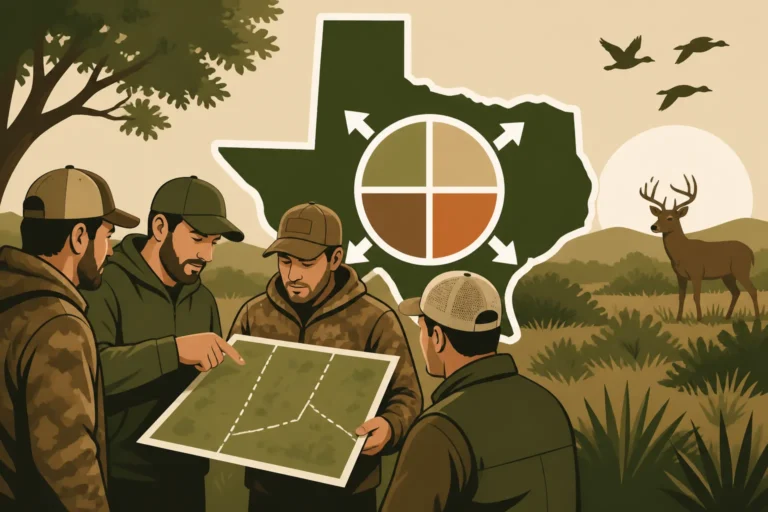
One of the biggest hurdles and sources of frustration for any deer hunter in Texas, whether you're a seasoned veteran or just starting out, is figuring out how much land you actually need to have a successful hunt. It's not just about finding a place to set up a feeder; it's about understanding deer movement, managing pressure, and creating a truly enriching experience. This guide aims to cut through the myths and provide a realistic, in-depth look at acreage considerations for deer hunting across our vast and diverse state.
The Big Question: Is There a "Magic Number" for Acreage?
Many new hunters, and even some old timers, fall into the trap of thinking there's a universally accepted minimum acreage you need to effectively hunt deer. They hear stories or see leases advertised and get caught up in the numbers, often feeling discouraged if their own land access doesn't measure up. It's a common and understandable frustration, especially with property values and lease prices being what they are in Texas these days.
Dispelling the Myth of a Fixed Minimum
Let me tell you, right off the bat: there is no single, magic number for how many acres you need to hunt deer in Texas. Anyone who tells you otherwise is probably oversimplifying a very complex equation. What works for a hunter chasing whitetails in the dense thickets of the South Texas Brush Country is going to be vastly different from someone pursuing mule deer in the rugged mountains of the Trans-Pecos, or even a weekend warrior in the sprawling Pineywoods. The idea of a fixed minimum is a myth because deer don't read property lines, and habitat varies wildly from one county to the next.
Consider a hypothetical scenario: you might have a 50-acre tract that is an absolute deer magnet – bordered by dense cover, boasts a year-round water source, and has a natural travel corridor right through the middle. This small parcel, with its prime real estate, could offer more consistent hunting opportunities than a sprawling 500-acre ranch of marginal habitat that deer only occasionally pass through. It really boils down to understanding the specific land you're hunting and the deer utilizing it. Don't let acreage envy get you down; focus on what you can control on the land you have access to.
The Reality of Deer Behavior and Land Use
Deer are creatures of habit and necessity. They need food, water, and cover, and they'll travel to find those things. Their home range, which is the area they typically use for all their life-sustaining activities, can vary dramatically. For a mature buck in good habitat, a home range might be a few hundred acres, but a doe and her fawns might operate within a much smaller area. During the rut, however, all bets are off! Bucks especially will expand their range significantly in search of receptive does, often crossing multiple property lines.
This brings us to the core reality: deer don't care about your fence lines. They move based on food sources, water availability, security cover, and breeding instincts. If your 100-acre property is merely a bedding area, and the primary food source is a mile away on your neighbor's land, you'll see deer, but mostly at dawn and dusk as they transition. Conversely, if your 100 acres contains all three critical elements – food, water, and cover – then you might be holding deer on your property for much longer periods, increasing your chances of an encounter. Understanding this dynamic behavior is far more important than a simple acreage count.
It's About Quality, Not Just Quantity
Think of it this way: would you rather have a tiny, gourmet restaurant with a perfect menu, or a massive all-you-can-eat buffet where everything is mediocre? For deer hunting, it's almost always about the quality of the habitat over the sheer quantity of land. A well-managed 50-acre property with diverse food sources, thick bedding cover, and strategic water points can be a deer haven. You can create natural funnels, clear shooting lanes, and manage your scent more effectively.
On the flip side, a vast 1,000-acre property that's essentially a monoculture of sparse grass with little to no cover or water will offer very few reasons for deer to hang around. You might see a few deer passing through, but you won't be consistently holding them. This is why when folks talk about prime hunting ground, they're often discussing the features of the land – timber, creeks, agricultural fields, elevation changes – not just the total size. A smaller, well-thought-out piece of property where you can influence deer movement through habitat improvements, careful stand placement, and consistent scouting can produce excellent results.
Key Factors Influencing Acreage Needs
Since there's no "one-size-fits-all" answer, let's dive into the various factors that truly dictate how much land you'll need for a successful deer hunt in Texas. It's a puzzle with many pieces, and understanding each one will help you evaluate any potential hunting spot, big or small.
Habitat Quality and Cover
This is arguably the most critical factor. Deer, particularly whitetails, are creatures of the edge and heavy cover. They need dense thickets for bedding, thermal regulation, and escape routes from predators and hunters alike. If your property is mostly open pasture or manicured lawn, deer won't spend much time there, no matter how many acres you have.
Conversely, a property that integrates mature timber, dense brush, riparian zones along a creek, and open areas for feeding creates a diverse ecosystem that deer thrive in. For example, in the South Texas Brush Country, even a small 20-acre parcel with excellent, dense guajillo and blackbrush thickets, complemented by a senderos or two, can hold deer and funnel them right past your stand. This kind of quality habitat allows deer to feel secure, providing them with everything they need to live out their lives. When evaluating a potential spot, always look for good cover, access to water, and varied food sources, not just the number on the property deed.
Deer Density and Pressure
Deer density refers to how many deer are living in a given area. In some parts of the Texas Hill Country, for example, deer populations can be incredibly high, meaning you might see more deer on a smaller tract simply because there are more deer to begin with. On the other hand, in regions with lower deer density, you might need more ground to increase your chances of encountering a deer. You can usually find information on deer density by region through Texas Parks and Wildlife Department (TPWD) surveys.
Hunting pressure is another huge consideration. If your small tract is surrounded by other small tracts that are all being heavily hunted, deer will quickly become nocturnal or move to less pressured areas. They learn fast. If you're on a 50-acre parcel that's constantly being walked by hunters, ATV traffic, or has stands every 100 yards, your success will likely plummet. The goal is to find or create a low-pressure sanctuary, even if it's small, where deer feel safe to move during daylight hours. This often means working with neighbors if possible, or being strategic about when and how you hunt your own land.
Hunting Method and Personal Preferences
Your chosen hunting method plays a significant role in acreage requirements. If you're a bowhunter, you're looking for close encounters, often requiring more intimate knowledge of deer trails and bedding areas. A smaller, heavily scouted 20-acre property might be perfect for a bowhunter who understands exactly how deer use that specific terrain. You can really dive deep into topics like Bowhunting in Texas: Archery Season Guide to refine your strategies for tighter spaces.
If you're primarily a rifle hunter who prefers to hunt over a feeder or a large food plot, you might need a bit more open space to ensure safe shooting lanes and ethical shot distances. A strategy like Hunting Over Feeders & Corn in Texas (Legal Guide) lends itself well to properties where you can establish multiple feeding sites. Spot-and-stalk hunting, common for exotic species or mule deer in more open country, generally demands much larger tracts of land to cover ground and maintain stealth. Someone looking to perfect their technique for Spot-and-Stalk Hunting in Texas (Exotics & Mule Deer) would certainly benefit from hundreds, if not thousands, of acres. Ultimately, your personal style and desired experience will heavily influence what feels "enough" for you.
Neighboring Land Use and Pressure
This often overlooked factor can make or break a small hunting property. What are your neighbors doing? Are they running cattle? Are they hunting intensely with high-fence operations, pushing deer off their property? Or are they non-hunters who inadvertently create a deer sanctuary right next to your fence line?
A small property (say, 50-100 acres) can be highly productive if it borders a much larger ranch that isn't hunted heavily, effectively acting as a funnel for deer moving to or from that sanctuary. Conversely, if all your neighbors are also hunting 50-acre parcels aggressively, you'll be competing for the same few deer, and those deer will be extremely wary. This is where using a mapping app like onX Hunt can be invaluable. It lets you see property lines, landowner names (often), and terrain features, giving you a better understanding of the surrounding landscape and potential pressure points. Knowing what’s happening beyond your fences can dramatically impact your strategy and expectations.
Acreage Recommendations by Texas Region
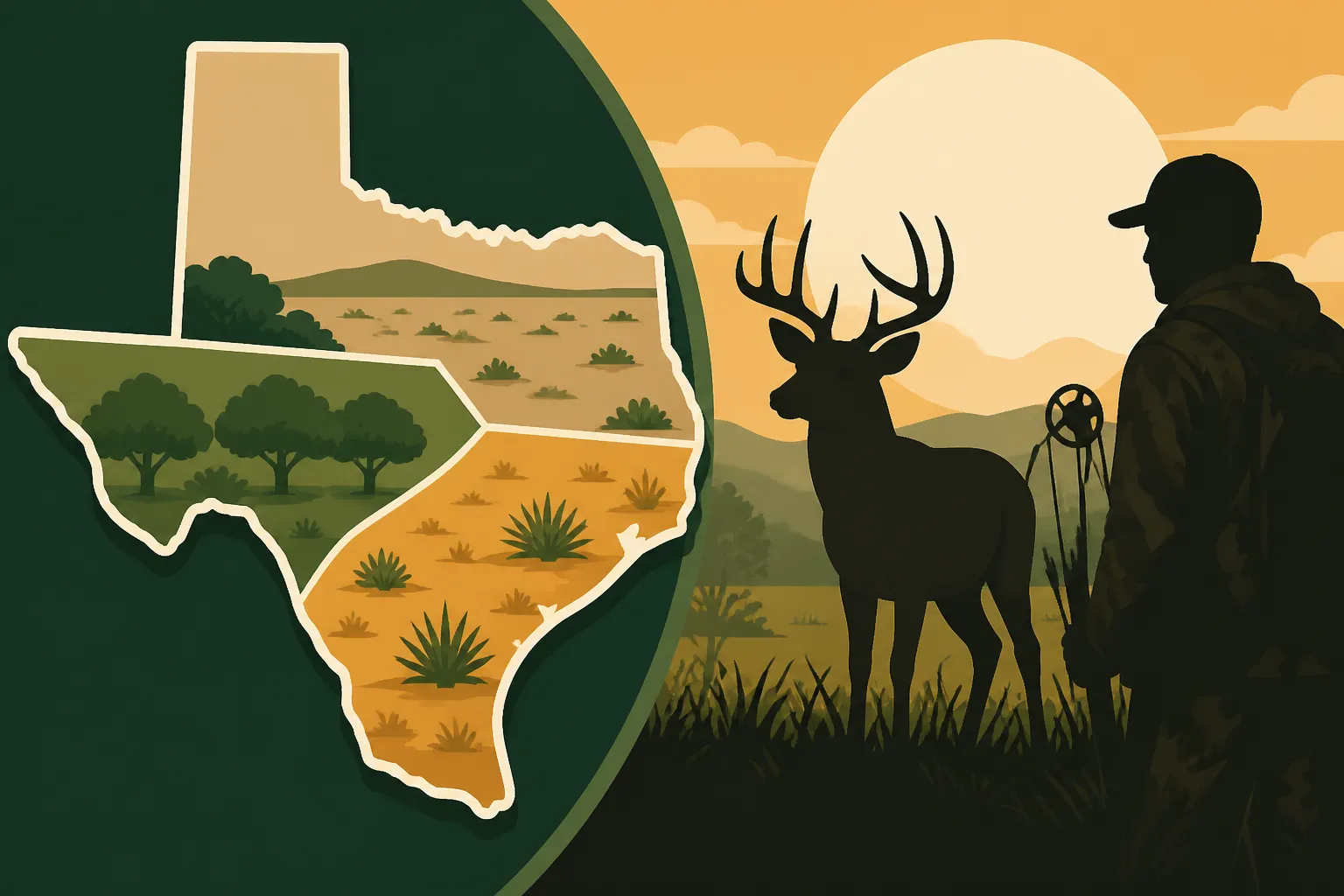
Texas is a land of incredible diversity, and what applies to the red dirt of East Texas certainly won't hold true for the arid landscapes of the Trans-Pecos. Let's break down acreage needs by the major ecological regions of our state.
South Texas Brush Country
Ah, the legendary South Texas Brush Country. This region is famous for its dense thorny brush, which provides incredible cover and nutrition for whitetail deer. Here, deer densities can be substantial, and the deer often prefer to stay hidden within the thickets.
Due to the impenetrable nature of the brush, deer often use well-defined trails and senderos (cleared lanes). This means that even smaller properties, say 50-150 acres, can be highly effective if they boast prime brush habitat and access to water. A hunter on 75 acres in Webb County, for example, might have excellent success if that land is bisected by a creek and surrounded by larger, lightly hunted ranches. The key here isn't necessarily vast open spaces, but rather strategically placed blinds along senderos or natural travel corridors within the dense brush. For more insights, check out our guide on South Texas Deer Hunting: Brush Country Guide. However, if you're looking to manage for truly massive trophy bucks, especially if neighboring properties are also high-fenced or intensely managed, then larger acreage (200+ acres) gives you more control over the herd genetics and movement.
Texas Hill Country and Edwards Plateau
The Texas Hill Country, with its rolling hills, live oaks, and cedar breaks, presents a different challenge. This region often has some of the highest deer densities in the state, which might lead you to believe you need less land. However, uncontrolled deer populations can lead to overbrowsing and smaller deer.
For general deer hunting and meat harvesting, even 20-40 acres in the Hill Country can yield opportunities, especially if it's well-treed and has access to water. You'll likely see plenty of deer. The challenge, however, comes with trophy management. With so many deer, it can be hard to let young bucks walk if everyone on smaller surrounding tracts is shooting the first legal deer they see. To effectively manage for larger, older bucks, or to implement antler restrictions like the 13-inch rule, you generally need more contiguous acreage—ideally 100-300+ acres—to have a meaningful impact on the herd. This allows for better habitat control, supplemental feeding (like protein), and reduced external pressure. Learn more about hunting in this area with Hill Country Hunting in Texas.
Pineywoods and East Texas
East Texas is a whole different ballgame with its dense pine forests, hardwoods, and often swampy bottomlands. Deer densities here can be good, but the thick vegetation means visibility is often limited, and deer have ample cover.
For hunting in the Pineywoods, smaller tracts of 40-80 acres can be productive, especially if they are part of a larger timberland parcel or have varied habitat with clearcuts, creek bottoms, and mature hardwoods. The key here is scouting specific deer travel patterns and finding pinch points. If you're managing for timber and deer, then larger tracts (150+ acres) are beneficial, as they allow you to implement diverse timber management practices that create varied habitat stages, from dense clearcuts for bedding to mature stands for mast production. For this region, understanding how to navigate thick cover and use techniques like still-hunting can be more important than the overall acreage.
Panhandle and Trans-Pecos
Hunting mule deer in the wide-open spaces of the Texas Panhandle or the rugged mountains of the Trans-Pecos is a completely different proposition. Here, deer densities are generally lower than for whitetails, and the terrain is vast and often challenging.
For mule deer, you're almost certainly going to need significantly more acreage. Spot-and-stalk is the primary method, which requires miles of ground to glass and maneuver. Properties in the hundreds, if not thousands, of acres are typical for quality mule deer hunting. A 50-acre parcel simply won't offer the space needed to effectively locate and pursue these animals in their natural environment. Even for whitetails in the Panhandle, which often inhabit river bottoms and riparian zones, larger acreage (100+ acres) is generally desired due to the more open surrounding country and lower overall deer numbers. If you're dreaming of a Mule Deer Hunting in Texas: Panhandle & Trans-Pecos adventure, prepare for large properties and expansive views.
Making the Most of Smaller Acreage
Don't have access to thousands of acres? Most of us don't! But that absolutely doesn't mean you can't have fantastic, consistent deer hunting. In fact, many successful Texas hunters operate on relatively small parcels of land, proving that smart tactics and dedicated effort often trump sheer size. It's about working smarter, not harder.
Strategic Stand Placement and Scent Control
On smaller acreage, every decision about stand placement is critical. You can't just throw up a blind anywhere; you need to understand exactly how deer are using your property and its immediate surroundings. Look for natural funnels – places where topography, vegetation, or water features naturally constrict deer movement. A small creek bottom, a narrow strip of timber between two fields, or a ridge line can all act as funnels.
Your goal is to position your stand to intercept deer as they transition between bedding and feeding areas, or as they navigate these natural funnels. This also means being incredibly diligent about wind direction and scent control. On a small property, your scent cone can easily cover a significant portion of your hunting area, alarming deer before they even get close. Using scent-eliminating sprays, storing hunting clothes properly, and choosing stands based on prevailing winds for that day are non-negotiable. Whether it's a Box Blind vs Tripod vs Ground Blind in Texas, choose the one that best allows you to remain undetected.
Habitat Improvement and Food Plots
One of the greatest advantages of hunting smaller acreage is the ability to directly influence and improve the habitat. You can turn a mediocre patch of woods into a deer magnet with a little work. Planting strategic food plots is a prime example. Even a small 1/4-acre food plot of oats, wheat, or clover can draw deer from neighboring properties, especially during periods of stress or late season. Our guide on Food Plots in Texas: What Works in the Heat can give you some excellent starting points for what to plant.
Beyond food plots, consider creating hinge-cut bedding areas to provide dense cover, or planting native browse species that deer prefer. You can also improve water sources, clear specific shooting lanes, or even strategically thin brush to create natural travel corridors that lead deer exactly where you want them. Every little bit of habitat work you do increases the value of your property to deer, making it more likely they'll spend daylight hours there.
Trail Cameras and Scouting
When you have limited acreage, you need to maximize your intelligence gathering. This is where trail cameras become your absolute best friend. Deploying them strategically allows you to monitor deer movement patterns, identify specific bucks, and understand the timing of their activity without putting human pressure on the property. You can learn How to Pattern Bucks With Trail Cameras and pinpoint exactly when and where deer are moving.
Scouting isn't just for before the season; it's an ongoing process. Use tools like onX Hunt or GoHunt to digitally scout your property, marking bedding areas, travel corridors, potential stand sites, and water sources. These apps allow you to analyze satellite imagery, track historical deer movement (if you've marked it), and understand topographical features. Physically scout after a rain or when conditions are right to find fresh tracks, rubs, and scrapes, confirming what your cameras and maps are telling you. This meticulous approach reduces wasted time and increases your odds significantly on a smaller footprint.
Managing Expectations and Deer Movement
Hunting smaller acreage often means you're hunting deer that are constantly moving through, rather than living exclusively on, your property. This requires a different mindset. You might not have 20 different bucks to choose from, but you can definitely intercept quality deer. The key is managing your expectations.
You might not see deer every sit, but when you do, they might be exactly what you're looking for. Patience is paramount. Also, understand that your smaller property might be more susceptible to outside influences. If a neighbor harvests a big buck, or if a nearby crop field is cut, deer patterns on your land can shift. Be adaptable, and don't be afraid to move your stands or change your tactics based on new information. On a small piece of land, a little flexibility goes a long way.
When More Acreage Becomes Essential
While you can certainly do a lot with a little, there are specific scenarios where having more acreage moves from being a luxury to a near necessity. These often revolve around more ambitious management goals or accommodating multiple hunters.
Trophy Management and Herd Health
If your primary goal is to consistently harvest mature, trophy-class bucks, then larger acreage (typically 200+ acres, but often much more in prime areas like South Texas) gives you a significant advantage. On smaller tracts, even if you pass on young bucks, your neighbors might not, meaning your efforts could be undermined.
With larger acreage, you gain more control over the herd. You can implement more rigorous management practices, such as supplemental protein feeding (check out our guide on Protein Feeding Deer for Bigger Antlers), selective harvesting of does to balance buck-to-doe ratios, and allowing younger bucks to reach their full potential. This allows you to truly influence the genetics and age structure of the deer herd that lives on and around your property. You become less dependent on the decisions of your neighbors and more in charge of your own deer population.
Multiple Hunters and Hunting Styles
If you're part of a hunting group, or if you regularly take family and friends out, larger acreage is almost always preferred. It provides more space to spread out, reducing human pressure on specific areas and minimizing interference between hunters. No one wants to hike to their stand only to find another hunter already set up too close.
On a larger lease, you can designate different hunting zones, allowing for various hunting styles to coexist. One hunter might prefer a rifle blind over a food plot, while another might want to spot-and-stalk a remote canyon, and a third might be focused on Bowhunting Hogs in Texas: Tips in a dense creek bottom. With ample space, everyone can pursue their preferred method without impacting others. This also contributes to a safer hunting environment, as everyone knows where others are likely to be.
Mitigating Neighboring Pressure
As we discussed, neighboring land use can heavily influence deer activity on smaller properties. While you can't control what your neighbors do, having more acreage gives you a buffer against their activities. If a nearby property is being heavily hunted or has a lot of human disturbance, a larger tract allows you to create undisturbed sanctuaries deep within your own boundaries.
Deer will naturally seek out these low-pressure areas, often congregating on the larger, quieter property. This can turn neighboring pressure into your advantage, as deer pushed off other lands find refuge on yours. For example, if your 500-acre lease is surrounded by smaller, day-hunted properties, your land might become the primary bedding area, and deer will move through your property during daylight hours. This is particularly relevant when you're looking for a Hunting Lease in Texas: Complete Guide (Cost & How to Find).
Hunting Leases and Group Dynamics
The reality for many Texas hunters is that they hunt on a lease. The size of these leases varies widely, from small 100-acre weekend operations to vast multi-thousand-acre corporate setups. When joining a lease, the acreage per hunter is a critical metric. A 500-acre lease with 10 hunters is essentially 50 acres per person – which, while manageable, still means careful coordination is needed. A 1,000-acre lease with 5 hunters offers 200 acres per person, providing much more elbow room and flexibility.
Groups often use platforms like GoHunt to find and evaluate potential leases, looking not just at the price, but also the acreage, habitat, and the number of hunters allowed. More acreage generally means less pressure from your fellow lease members, more opportunities for diverse stand locations, and a better chance of consistently encountering deer throughout the season. It fosters a better experience for everyone involved, reducing conflicts and increasing satisfaction.
Legal Considerations and Ethical Hunting on Any Sized Property
Regardless of whether you're hunting on 5 acres or 5,000, understanding your legal obligations and upholding ethical hunting practices is paramount. The law applies to everyone, and responsible hunting ensures the future of our sport.
Understanding Property Boundaries
This is especially critical on smaller tracts, or any property bordering others. You must know your property lines. Trespassing, even accidentally, is a serious offense, and shooting across property lines can be incredibly dangerous and illegal. Always have a clear understanding of where your land ends and your neighbor's begins.
This is where digital mapping tools like onX Hunt are indispensable. They use GPS to show your exact location relative to property lines, often displaying landowner information. Take the time to physically walk your boundaries, identify fences, and use bright flagging tape if necessary, especially if property lines run through thick brush. Never take a shot if you're unsure of your position or what's beyond your target. Safety is always the number one priority.
Texas Hunter Education and Regulations
Before you even step foot on any property with a firearm or bow, you need to ensure you're compliant with Texas hunting regulations. If you were born on or after September 2, 1971, you're required to complete a Hunter Education course. This course covers everything from firearm safety to ethical hunting practices and game laws. It's designed to make you a safer, more responsible hunter, regardless of the size of the land you're on.
Additionally, always possess the correct Texas Hunting License: Cost, Types & How to Buy (2026) and any necessary endorsements. Be intimately familiar with the specific regulations for the county you're hunting in, including bag limits, season dates, and specific rules like Texas Antler Restrictions: 13-Inch Rule & Counties if applicable. The Texas Parks and Wildlife Department's Outdoor Annual is your bible; always carry a copy or have the app on your phone. Ignorance of the law is no excuse.
Respecting the Resource and Landowners
Finally, ethical hunting transcends property size. It's about respecting the animals you pursue, the land you hunt on, and the landowners who grant you access. This means only taking ethical shots, recovering any game you wound, and properly Field Dressing & Processing Game in Texas Heat to ensure no meat is wasted.
On any property, big or small, leave no trace. Pack out everything you pack in. Be a good steward of the land, whether you own it, lease it, or are a guest. For those hunting on a lease, understand and abide by all lease rules and ensure your actions contribute positively to the group dynamic. If you're a guest on someone's property, treat it with the utmost respect and always thank your host. Building a reputation as a responsible, ethical hunter is the most valuable asset you can have, opening doors to hunting opportunities far beyond what any acreage count might suggest.
Disclaimer
Please remember that hunting regulations and conditions can change. Always consult the most current Texas Parks and Wildlife Department Outdoor Annual and local regulations before heading into the field. This guide provides general information and best practices based on experience and research but should not be considered legal advice.