When to Rattle for Bucks in South Texas
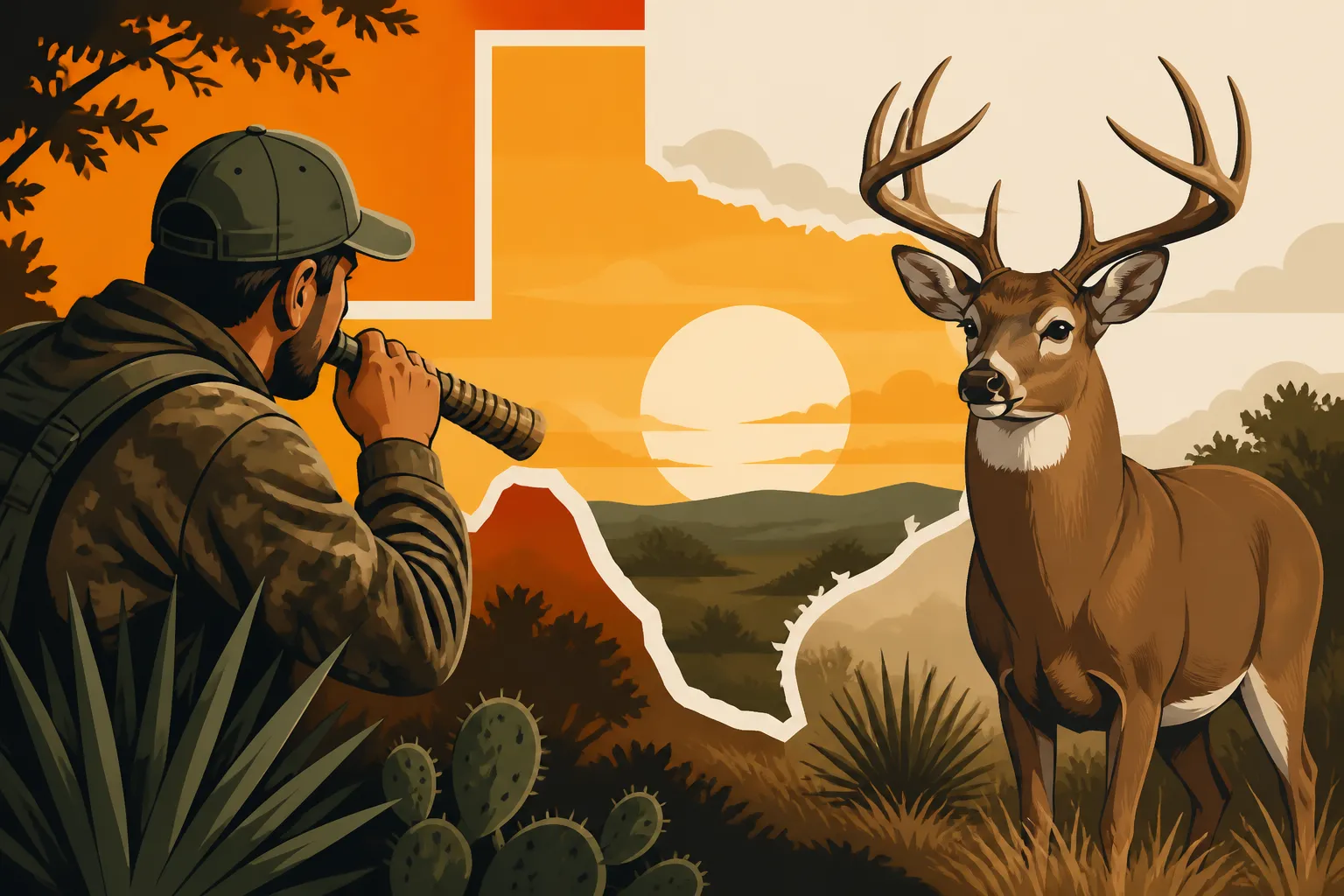
There’s nothing quite as frustrating as heading out into the South Texas brush, clashing those antlers together with all the hope in the world, only for the woods to remain stubbornly silent. You put in the work, you scouted, you got to your stand early, but if you’re not rattling at the right time, you might as well be clanking two sticks together. This guide is all about demystifying the art of rattling for bucks in South Texas, helping you understand when to make that noise, how to do it effectively, and what subtle cues the deer themselves are giving you so you can capitalize on those prime opportunities.
Understanding the South Texas Rut Cycle
The rut in South Texas isn't a single, neat little window; it's a dynamic period influenced by a multitude of factors, and understanding its different stages is paramount to rattling success. Unlike some regions with a very condensed rut, South Texas can often feel like a drawn-out affair, with pockets of intense activity that can shift from one ranch to the next. Knowing what phase the deer are in helps you tailor your rattling approach, ensuring you're mimicking the right kind of interaction.
Early Pre-Rut & Scouting Implications
The pre-rut is that exciting period when bucks are beginning to feel the urge, rubbing trees, making scrapes, and generally becoming more aware of the does around them. It's typically characterized by increased buck movement as they establish dominance and start checking on doe groups, but the full-blown chasing hasn't quite kicked off. For South Texas, this can often begin in late October and extend through much of November, though it varies significantly. You'll see younger bucks getting frisky, while older, more dominant bucks are just starting to show interest.
During this phase, rattling can be moderately effective, but you often need to be more subtle. Bucks aren't quite ready for a full-scale brawl, but they are curious and territorial. A few light antler clashes, mimicking two bucks testing each each other, might pique their interest. This is also a fantastic time to focus on your How to Scout for Deer Before Season in Texas efforts. Look for fresh rubs, active scrapes, and observe buck travel patterns. Pay close attention to younger bucks. If you see them sparring or pushing each other around, it's a good indicator that the bigger boys are not far behind in their competitive spirit. Bucks are still somewhat in their bachelor groups or just breaking up, so an aggressive rattling sequence might seem out of place. It’s a time for reconnaissance and gentle nudges, not full-on combat simulations.
Peak Rut Intensity & Timing
Ah, the peak rut—the holy grail for many South Texas hunters. This is when the does are in estrus, and the bucks lose their minds, chasing, fighting, and generally abandoning their cautious nature in pursuit of breeding opportunities. For much of South Texas, the peak rut traditionally falls from late December through mid-January, sometimes even into early February in certain areas like the deep brush country of Webb or La Salle counties. This period is often characterized by frantic activity, with bucks running does through senderos and across pastures.
When the rut is red hot, rattling can be incredibly effective. Bucks are pumped full of testosterone and are highly susceptible to the sound of other bucks fighting for breeding rights. They are far more likely to charge in, often without much hesitation, to investigate or intervene. Your rattling sequences can be more aggressive, longer, and louder. This is the time to really put some oomph into those antler clashes, simulating a serious dominance battle. It's not uncommon to have multiple bucks come in during a single rattling sequence during the peak. Knowing The Texas Rut: When Do Bucks Rut by Region? can help pinpoint these crucial weeks. This is also when bucks are most vulnerable, often dropping their guard and moving during daylight hours more frequently than any other time of year.
Post-Rut & Late Season Considerations
Just as quickly as it peaks, the rut will start to wind down. The majority of the does have been bred, and the intense chasing subsides. Bucks are exhausted, often having lost a significant amount of body weight. For South Texas, this typically means late January into February. While the peak intensity is over, lingering estrous does or late-cycling does can still spark some activity, especially among younger bucks or those dominant bucks who haven't secured enough breeding opportunities.
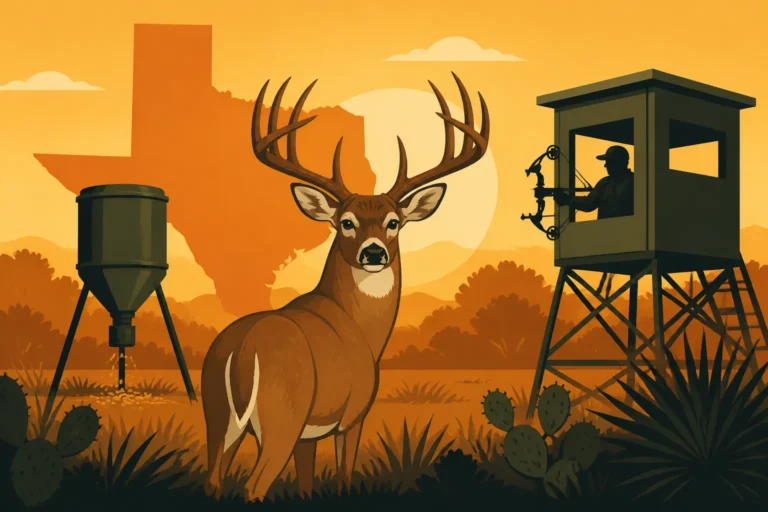
Rattling during the post-rut can still yield results, but it generally requires a different strategy. Aggressive rattling might not be as effective, as the bucks are worn out and less inclined to fight. However, subtle rattling, combined with grunts and perhaps a snort-wheeze, can sometimes draw in a weary buck looking for a final opportunity or simply investigating competition without the energy for a full-blown confrontation. Bucks at this stage are often focused on replenishing their energy stores, so you might find them near prime food sources. This is also a good time to consider hunting over feeders, which can be an effective strategy if you're looking for Hunting Over Feeders & Corn in Texas (Legal Guide). While the sheer chaos of the peak rut is over, a smart hunter can still capitalize on the tail end by adjusting their approach.
The Art of Rattling: Techniques and Scenarios
Rattling isn't just about smashing antlers together; it's about telling a story in the woods. You're trying to convince a buck that there's a serious interaction happening, one he can't afford to miss out on, either to assert dominance or steal a breeding opportunity. The success isn't just about when you rattle, but how you execute the sequence.
Aggressive vs. Subtle Rattling
The intensity of your rattling should directly correlate with the rut phase and the behavior you observe. During the early pre-rut or post-rut, a more subtle approach is usually best. This involves softer clashing, shorter sequences, and longer pauses. Imagine two younger bucks playfully sparring or briefly testing each other's strength. You might start with a few light taps, then a gentle grind, followed by a 30-60 second pause. Listen intently for any deer movement or responses. This softer technique is less intimidating and more likely to draw in curious bucks who aren't in a full-blown fighting mood.
Conversely, during the peak rut, when bucks are actively chasing and fighting, you can be much more aggressive. This means loud, violent clashes, simulating a full-on, knockdown, drag-out brawl. Integrate grunts, snort-wheezes, and even breaking branches or rustling leaves to make it sound incredibly realistic. A typical aggressive sequence might involve 30-60 seconds of intense clashing, followed by a 2-3 minute pause, then another aggressive burst. The key is to convey a sense of urgency and high stakes. You're trying to make a buck think, "I have to get over there, right now!" You can learn more about combining these calls in How to Grunt and Rattle Whitetail in the Hill Country. Remember, the goal is to trigger an instinctual response.
Ideal Wind Conditions and Stand Selection
Wind is your silent killer or your best friend when rattling. You absolutely cannot have a buck circle downwind of your setup. Whitetails, especially mature South Texas bucks, are incredibly wary, and if they catch your scent, the game is over. Always try to position yourself with the wind in your face or quartering away from where you expect deer to approach. This means scouting your location and understanding prevailing winds is crucial.
When selecting your stand, whether it's a Box Blind vs Tripod vs Ground Blind in Texas or a natural setup, consider visibility and cover. You want a clear line of sight for approaching bucks, but also enough cover to break up your silhouette. Think about escape routes for the deer; if they feel trapped, they'll bolt. Rattling from a slightly elevated position, like a tripod stand or a well-placed box blind, can give you a better vantage point and help carry the sound further. In the thick South Texas brush, sound doesn't travel as far, so proximity to known deer travel corridors or bedding areas is vital. Always position yourself so that any buck responding to your calls will likely approach from an area where your scent isn't carried.
Decoy Usage with Rattling
Adding a decoy to your rattling setup can be a game-changer, especially during the peak rut. A visual stimulant, particularly a buck decoy, can provide that extra layer of realism that convinces a wary buck to commit. When a buck hears the sounds of a fight and then sees a rival buck standing in a clearing, his natural aggression often overrides his caution. Position your decoy in a visible spot, ideally facing away from you, as if it's looking towards the fight you're simulating.
However, be mindful of the risks. Decoys can also deter deer if they're not convinced, or they can draw aggressive bucks directly to your position, sometimes a little too close for comfort. Always place your decoy about 20-30 yards from your stand, giving you enough space to draw and shoot if you're bowhunting, or get a clean rifle shot. Avoid using doe decoys too close to the rut's peak, as bucks might try to breed the decoy instead of approaching your setup, or it might make other bucks feel less competitive if they think the "fight" is already over a doe. For South Texas, a small, lifelike buck decoy, or even just a pair of shed antlers on a stick to mimic a dominant buck's head, can be surprisingly effective.
Factors Influencing Rattling Success
While timing the rut is critical, other environmental and population factors play a huge role in how effective your rattling efforts will be. South Texas is a diverse region, and what works in one area might not be as successful just a few miles down the road.
Deer Density and Buck-to-Doe Ratio
The overall health and balance of the deer herd on your specific property significantly impact rattling success. In areas with a high deer density and a balanced buck-to-doe ratio (ideally 1:1 or 1:2), rattling tends to be much more effective. Why? Because there's more competition. If there are plenty of bucks vying for a limited number of estrous does, any perceived challenge from another buck (your rattling) is more likely to be met with an aggressive response. Bucks feel the pressure to breed, and they'll actively seek out confrontation to secure their place in the pecking order.
Conversely, in areas with a heavily skewed buck-to-doe ratio (e.g., too many does per buck) or very low deer density, rattling may be less effective. Bucks might not feel as much pressure to fight for breeding rights, or there simply might not be enough bucks in the area to hear your calls and respond. This is where understanding your specific lease or hunting area becomes vital. If you're managing a herd and aiming for a balanced ratio, Protein Feeding Deer for Bigger Antlers can contribute to overall herd health and more competitive bucks. Data from your trail cameras, particularly on How to Pattern Bucks With Trail Cameras, can give you insights into the local buck-to-doe ratio and buck behavior.
Habitat and Terrain Considerations
South Texas is renowned for its dense, thorny brush country, and this unique habitat dictates how sound travels and how deer move. Unlike open hardwoods, the thick senderos and mesquite flats of South Texas absorb sound quickly. This means your rattling sounds won't carry as far, and bucks will need to be closer to hear you. It also means you need to be more strategic about your setup locations, focusing on known travel corridors, creek bottoms, and areas with natural breaks in the brush.
Consider where bucks will most likely stage before approaching your rattling setup. They'll often try to circle downwind, using the dense cover to their advantage. Positioning yourself near a sendero or a clearing can provide shot opportunities as they emerge. Terrain variations, even subtle ones like a slight ridge or a dry creek bed, can serve as natural travel routes and funnels, guiding bucks directly into your rattling zone. Hunting in the deep South Texas brush offers unique challenges and rewards, and understanding the local habitat is key to success in South Texas Trophy Whitetail: Brush Country Bucks.
Weather Patterns and Temperature Swings
Weather profoundly impacts deer activity and, by extension, rattling effectiveness. Cold fronts, especially those following a period of warm weather, can ignite deer movement and make rattling more productive. Bucks, feeling the drop in temperature, often become more active, moving more freely and actively seeking does. A sudden temperature drop often signals an increase in deer movement, making them more receptive to calls.
Conversely, unseasonably warm weather during the rut can suppress daylight movement. Bucks will often become nocturnal, moving primarily at night to avoid the heat. Rattling on a hot, calm day during the rut is generally less effective than rattling on a crisp, cool morning. Heavy winds can also be a challenge; not only does the wind carry your scent, but it also disperses your rattling sounds, making them harder for deer to pinpoint. A light, steady breeze is ideal, as it helps carry your sound and provides a consistent wind direction for your setup. Always check the forecast before you head out, as adapting to the weather is a major component of Best Time of Day to Hunt Whitetail in Texas.
Common Rattling Mistakes to Avoid
Even with perfect timing and ideal conditions, rattling can be ineffective if you fall victim to common errors. Many hunters get discouraged after a few unsuccessful attempts, but often, the problem isn't the deer; it's the technique.
Over-Rattling and Impatience
One of the biggest mistakes hunters make is rattling too much or too often. Remember, you're trying to simulate a fight, not a continuous drum solo. A realistic fight has bursts of intensity followed by lulls. Over-rattling can sound unnatural and can actually spook deer or make them suspicious. It also gives them too much time to pinpoint your exact location without committing.
Patience is a virtue in rattling. After an aggressive sequence, resist the urge to immediately rattle again if nothing shows up. Give it at least 5-10 minutes, sitting absolutely still and scanning the brush. Many bucks will hang up just out of sight, trying to figure out what's going on or attempting to circle downwind. Sometimes, the most patient hunters are the most successful. When you are quiet, that's often when a buck will decide to step out. It’s a delicate balance of creating enough noise to attract attention without overdoing it.
Ignoring Environmental Cues
Another common pitfall is rattling without paying attention to the real-time environmental cues the deer are giving you. Are the does still in large groups, or are they beginning to separate? Are you seeing any young bucks sparring? Are there fresh rubs and scrapes, or are they old and inactive? Ignoring these signs is like trying to guess the weather without looking outside.
If you're seeing signs that the pre-rut is still in full swing, an overly aggressive rattling sequence might be premature and less effective. If you're deep in the post-rut, and bucks are acting sluggish, a subtle approach is more likely to work. Pay attention to the moon phase, barometric pressure changes, and any sudden shifts in deer behavior. Sometimes, a lack of response isn't a failure of rattling, but a sign that the deer aren't in the mood, or that you're hitting the wrong "note." Your initial Deer Hunting in Texas: Feeders, Blinds & Tactics planning should always include observation.
Insufficient Scouting and Preparation
You can't just show up to any random patch of woods and expect rattling magic to happen. Effective rattling starts long before you ever touch those antlers. Insufficient scouting is a surefire way to minimize your chances of success. You need to know where bucks are bedding, where they're feeding, and what their primary travel corridors are. Rattling effectively means placing yourself in a position where bucks are likely to hear you and, more importantly, want to come investigate.
This means understanding the topography, identifying natural funnels, and knowing where the thickest cover is that bucks might use to approach. Using tools like onX Hunt or HuntStand to study aerial maps can help you pinpoint promising locations. Setting up trail cameras in the off-season and leading up to the rut can provide invaluable data on buck activity, herd composition, and travel patterns, helping you identify the best places to position yourself. Remember, the goal is to bring the fight to the bucks, not to randomly shout into the wilderness.
Regional Nuances: Variations Across South Texas
South Texas isn't a monolithic hunting landscape; it's a vast and varied region with unique characteristics that can influence rut timing and, consequently, rattling success. What works best in the Golden Triangle might need slight adjustments in the western brush country or closer to the coast.
Golden Triangle vs. Western Brush Country
The "Golden Triangle" region, roughly encompassing parts of Webb, La Salle, and Dimmit counties, is legendary for its trophy whitetails and often exhibits a very intense rut. Bucks in this region are often genetically superior, with a strong drive to breed, and the intense competition makes them highly responsive to rattling. The rut here can often be quite aggressive and prolonged, stretching from late December through January. This is often where aggressive rattling techniques shine, especially during the peak.
Moving west into the more arid brush country, the rut might be slightly later or more spread out, influenced by different rainfall patterns and browse conditions. Deer densities might be lower, and bucks might be more cautious. Here, a more patient approach, combining rattling with periods of silence and careful observation, might be more productive. Understanding the nuances of these specific areas is crucial for success, especially if you’re hoping for South Texas Trophy Whitetail: Brush Country Bucks. While the general principles apply, local adaptation is key.
Coastal Plains Influence
The Coastal Plains of South Texas, extending towards the Gulf, presents another unique set of challenges and opportunities. The habitat is different, with more marshy areas, larger expanses of open pasture, and often a different mix of browse. The rut here can sometimes be later and more subtle, influenced by humidity and less dramatic temperature swings compared to inland areas.
Rattling success in the Coastal Plains might depend more heavily on targeting specific travel corridors that connect islands of cover or small patches of woods. The open terrain means sound travels further, but it also means deer have greater visibility, making them harder to surprise. A buck decoy can be particularly effective in these more open landscapes, providing that crucial visual component to your rattling sequence. Factors like higher humidity and potential for standing water can also influence buck movement patterns.
Adapting to Local Micro-Ruts
Perhaps the most important regional nuance is the concept of "micro-ruts." Within South Texas, even within a single large ranch, different pockets of deer might experience slightly varied rut timings. This can be due to localized nutritional differences, pressure from predators, or simply the natural variations in doe estrus cycles. One pasture might be hot with activity, while an adjacent one is still quiet.
This is why ongoing scouting, even during the season, is so important. Your trail cameras are your best friends here. By monitoring buck and doe activity, you can identify these localized hotspots and focus your rattling efforts where the action is truly happening. Don't be afraid to move your setup if one area isn't producing. The ability to adapt to these micro-ruts is what separates consistently successful rattling hunters from those who only connect occasionally.
Equipment for Effective Rattling
While the core of rattling is simply two antlers clashing, having the right tools can make your efforts more realistic and ultimately more successful. You don't need a massive amount of gear, but what you have should be effective and reliable.
Rattling Antlers vs. Synthetics
When it comes to the "clash" itself, you have two main options: natural deer antlers or synthetic rattling systems. Both have their pros and cons.
- Natural Antlers: There's something undeniably authentic about using real deer antlers. They produce a very realistic sound, especially if you have a pair from a mature buck. The varying textures and densities of natural bone create a complex range of sounds that can be hard to replicate. However, they can be bulky, heavy, and awkward to carry, especially when trying to be silent. They also tend to be quite loud, which can be a disadvantage when you're trying to be subtle. Finding a good matched pair that creates the right sound can also be a challenge.
- Synthetic Rattling Systems: Brands like Rattling Forks, Rack Basher, or the Rattle Bag offer lightweight, compact alternatives. They are often much quieter to carry, and many allow for a more controlled range of sounds, from light sparring to aggressive clashing. While some hunters argue they don't produce quite the same authentic sound as real antlers, advancements in technology have made them incredibly effective. They are also less likely to damage or break during aggressive rattling sequences. For many South Texas hunters who cover a lot of ground or hunt from smaller blinds, the convenience and versatility of synthetics are a major plus.
Essential Gear for Your Setup
Beyond the rattling device itself, a few other pieces of gear can significantly enhance your rattling setup:
- Grunt Tube/Snort-Wheeze Call: These calls complement rattling perfectly. A grunt tube can simulate a buck challenging another, or a snort-wheeze can express aggression or frustration. Integrating these calls into your rattling sequence adds realism and can often be the final convincing element for a buck.
- Camouflage: Full concealment is critical. Wear quality camouflage that breaks up your outline. For South Texas, patterns with browns, tans, and greens that mimic the mesquite and prickly pear are ideal. Think about Best Early-Season Camo for Texas Heat if you're hitting the early pre-rut.
- Binoculars: High-quality binoculars are essential for scanning the brush before and after rattling sequences. Bucks often approach cautiously, hanging up in cover before committing. Good optics will help you spot them before they spot you. Consider a pair of Best Binoculars for South Texas Brush for optimal visibility in dense cover.
- Scent Control: Even with the best wind, scent control is paramount. Use scent-eliminating sprays on your clothes and gear, and be mindful of your personal hygiene. Your scent is a huge deterrent, and a mature buck will often circle downwind to confirm before approaching.
- Comfortable Seat: Rattling requires patience. A comfortable seat, whether it's a hunting chair in a blind or a small folding stool, will help you remain motionless and attentive for extended periods.
| Rut Phase | Estimated South Texas Timing | Rattling Intensity | Approach Style | Key Considerations |
|---|---|---|---|---|
| Early Pre-Rut | Late Oct – Mid Nov | Subtle to Moderate | Curious, Gentle | Bucks establishing dominance, light sparring. Focus on scouting. |
| Peak Rut | Late Dec – Mid Jan | Aggressive, Loud | Dominance, Challenge | Bucks actively chasing, fighting. High testosterone. Excellent response rates. |
| Late Rut / Post-Rut | Late Jan – Feb | Subtle, Combination | Weary, Last Chance | Bucks exhausted, few remaining estrous does. Combine with grunts/wheezes. |
Disclaimer
Hunting is an inherently dangerous activity. Always prioritize safety, understand and follow all local, state, and federal hunting regulations, and be aware of your surroundings. The information provided in this guide is for informational purposes only and should not be considered a substitute for proper hunter education, professional guidance, or personal experience. Conditions in the field can change rapidly, and responsible hunting practices are essential for a safe and successful outing.