Best Hunting Method for Sika Deer in Texas
If you have ever spent a bone-chilling morning tucked into a cedar motte, listening to the eerie, high-pitched whistle of a stag that refuses to step into the clearing, you know the unique frustration of hunting Sika deer. This guide solves that mystery by breaking down the specific, proven methods to outsmart these elusive "swamp ghosts" in the Texas brush.
Understanding the Elusive Texas Sika
To catch a Sika, you have to stop thinking like a whitetail hunter. While they are both members of the deer family, Sika are a completely different beast. Originating from Asia but thriving in the Texas Hill Country and coastal regions, they have earned a reputation for being incredibly hardy, suspiciously smart, and frustratingly vocal. If you are used to the predictable patterns of native game, the Sika’s tendency to vanish into thin air just as the sun rises will keep you humble.
Sika vs Whitetail: Why They Aren't the Same
One of the first things you’ll notice on a Texas ranch is that Sika deer are significantly more aggressive and territorial than whitetails. While a whitetail might snort and run at the first sign of danger, a Sika stag is just as likely to "bark" at you, holding its ground in thick cover where it knows you can't get a shot. They are built lower to the ground, with a thick, muscular neck and a compact frame that allows them to slip through the densest briars like a ghost.
Because they are so compact, their vitals are positioned slightly differently than what you might expect. When looking at Texas Game Animals: What You Can Hunt, it is important to realize that Sika are often tougher to bring down than a deer of similar size. Their hide is thick, and they possess an incredible will to live. If you don't prioritize perfect shot placement, you are in for a long afternoon of tracking through the roughest terrain Texas has to offer.
Habitat and Range in the Lone Star State
In Texas, you will mostly find Sika in the Hill Country, particularly around Kerrville, Fredericksburg, and Mason. They love the dense cover of cedar brakes and live oak mottes. However, they have also established strong populations along the coast and in the Pineywoods. They are highly adaptable, but their heart remains in the thick stuff. They don't like open pastures during daylight hours, which is why Hill Country Hunting in Texas often requires a different tactical approach than hunting the wide-open spaces of the Panhandle.
If you are hunting a lease with a high Sika population, look for the "rub lines" on smaller saplings. Unlike whitetails that rub to mark territory on larger trees, Sika stags will absolutely thrash small bushes and low-hanging branches. They create "wallows"—muddy depressions where they urinate and roll to coat themselves in scent. If you find a fresh wallow that smells like a wet dog and old gym socks, you are in the right zip code.
The Most Effective Hunting Methods for Sika Deer
Now that we know who we are dealing with, let’s talk about how to actually put one in the cooler. Because Sika are exotics, you have the advantage of hunting them year-round in Texas, but that doesn't mean it's easy. Their senses are sharp, and their internal alarm system is always set to high.
Hunting Over Feeders and Food Sources
The most common method for most Texas hunters is the tried-and-true feeder setup. Sika deer love corn just as much as any other animal, but they are often the last ones to the party. On a typical afternoon, you’ll see the does and fawns come out first, followed by the whitetail, and only at the very "grey light" of dusk will the Sika stags poke their heads out. Using Hunting Over Feeders & Corn in Texas (Legal Guide) is a foundational strategy, but you have to be patient.
To maximize this method, consider the height of your feeder. Since Sika are shorter, they are often bullied away by larger whitetails or axis deer. Setting up multiple small "hand-fed" piles of corn or protein pellets around the main feeder can give the Sika a place to eat without having to fight a 200-pound whitetail buck. You can find high-quality timed spreaders on Amazon if you want to supplement your permanent feeders with something more portable.
The Art of the Sika Call
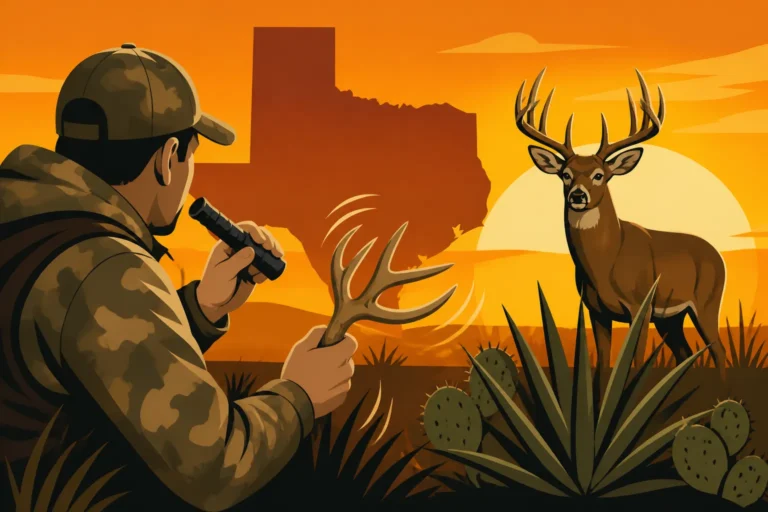
If you want the most heart-pounding experience possible, you have to try calling. Sika are among the most vocal deer in the world. During their rut, which typically peaks in September and October, the stags emit a multi-syllabic whistle or scream that sounds more like an elk or a bird than a deer. Learning How to Call Rio Grande Turkeys in Texas is one thing, but mastering the Sika whistle is a whole other level of woodsmanship.
You can purchase specialized Sika calls on Amazon, and they are worth every penny. The goal isn't to blast the call every five minutes. Instead, listen for a stag to whistle first. Once you have his location, give a short, aggressive return whistle. If he's in a fighting mood, he will come in looking for a scrap. Be ready, though—Sika don't always walk into an opening; they often circle downwind through the thickest brush they can find to catch your scent before they show themselves.
Spot and Stalk Tactics for Free Range Sika
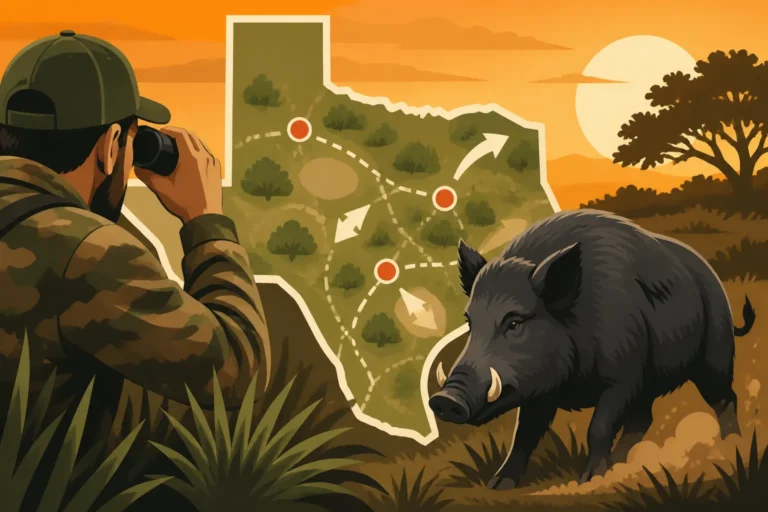
For those who find sitting in a box blind too sedentary, spot-and-stalk is a viable, albeit difficult, option. This method works best on large properties where you can use the terrain to your advantage. Because Sika stay in the shadows, you need high-end glass to pick them out. Using Best Hunting Optics for Texas: Scopes, Binos & Rangefinders will help you see the flick of an ear or the white "rump patch" that gives them away in the brush.
The key to a successful stalk is the wind. A Sika's nose is its primary defense. If the wind shifts even slightly, the hunt is over. Many hunters prefer to wear lightweight, breathable camo during these stalks to stay quiet. You can find great scent-blocking gear on Amazon that helps mask your human odor while you crawl through the prickly pear and mesquite. Move slowly—take two steps and glass for five minutes. If you see them before they see you, you’ve already won half the battle.
Gear and Preparation for a Successful Sika Hunt
You wouldn't head out to the coast without the right tackle, and you shouldn't head into the Sika woods without the right gear. Because these deer are dense and sturdy, your equipment needs to be up to the task.
| Gear Item | Recommended Type | Why It Matters for Sika |
|---|---|---|
| Caliber | .243 Win to .30-06 | Sika are tough; you need good expansion and penetration. |
| Optics | 8×42 or 10×42 Binoculars | Essential for spotting them in thick "swamp ghost" cover. |
| Footwear | Snake Boots | Texas brush is home to rattlers, especially in Sika territory. |
| Clothing | Scent-Control Camo | Their nose is elite; you need every advantage you can get. |
| Knife | High-Carbon Fixed Blade | Their hide is thick and can dull a cheap blade quickly. |
Optimal Firearms and Bow Setups
When selecting a rifle, don't underestimate the Sika. While they aren't huge, they are "tanky." A .243 is the bare minimum, but many veterans prefer a .270 or a .308 to ensure a clean harvest. If you are a bowhunter, Bowhunting in Texas: Archery Season Guide tactics apply here, but remember that Sika are prone to "jumping the string." They are incredibly twitchy. Aim for the lower third of the chest to account for the animal's natural reaction to the sound of the bow.
Many hunters find that a good rangefinder is non-negotiable. Because Sika are smaller than whitetails, they often look further away than they actually are. You can pick up a reliable laser rangefinder on Amazon to take the guesswork out of the equation. Trusting your eyes alone in the Hill Country shadows is a recipe for a missed shot or, worse, a wounded animal.
Scent Control and Stealth
As mentioned, the Sika's nose is legendary. Beyond just checking the wind, you should be meticulous about your scent. Wash your clothes in scent-free detergent and avoid using flavored coffee or pungent snacks in the blind. Best Gear for Sika Deer on a Texas Lease usually includes some form of scent-eliminating spray.
Stealth also applies to how you get to your stand. Sika are sensitive to the "clink" of metal and the "thud" of a truck door. If you can, walk the last quarter-mile to your hunting spot. If you use a UTV, park it well away from the area you plan to hunt. Sika are known to pattern hunters just as much as hunters pattern them; if they hear your engine at 5:00 AM every Saturday, they’ll simply stay in the brush until you leave.
When to Hunt: Seasonality and Timing
In Texas, you have the luxury of hunting Sika 365 days a year because they are non-native. However, there are definitely "better" times to be in the woods if you want to see a trophy stag.
The Magic of the Sika Rut
The absolute best time to hunt Sika is during their rut, which usually falls between late August and early October. This is when the stags are the most active and the most vocal. While whitetail hunters are still waiting for their season to start, Sika hunters are already in the thick of it. During this time, stags lose their caution in pursuit of hinds (females).
If you are looking at Texas Hunting Seasons: Complete Calendar by Species, you’ll see that this coincides with the hottest part of the year. This means you have to be prepared for the heat. Early morning and very late evening are your only real windows of opportunity. During the heat of the day, Sika will bed down in the thickest, coolest shade they can find, often near water sources. If you can find a hidden pond or a "seep" in the rocks, that is a prime location for a midday ambush.
Summary of Sika Hunting Strategies
To pull everything together, let's look at how these methods compare. Every ranch and every hunter is different, so you may need to mix and match these tactics based on what the deer are telling you.
- Feeder Hunting: Best for consistency and beginners. Requires patience and low-light capability.
- Calling: Best for the rut (Sept/Oct). High excitement, but requires skill and a good ear.
- Spot and Stalk: Best for large acreage and experienced woodsmen. Requires top-tier optics and perfect wind.
- Water Hole Ambush: Best for the Texas summer heat. Can be very effective during the midday lull.
Don't be discouraged if your first few attempts end with a Sika barking at you from the shadows and disappearing. They aren't called swamp ghosts for nothing. But with the right gear from Amazon, a solid understanding of White-Tailed Deer Hunting Tactics for Texas to use as a baseline, and a lot of grit, you’ll eventually find yourself standing over a beautiful, spotted stag with those unique, ivory-tipped antlers.
Disclaimer
Hunting regulations in Texas can change, and while Sika are considered exotic and can be hunted year-round, you must still possess a valid Texas hunting license. Always verify local county laws and specific ranch rules before your hunt. Safety should always be your top priority when handling firearms or archery equipment in the field.