Protein Feeding Deer for Bigger Antlers
Every deer hunter dreams of seeing those magnificent, mature bucks with racks that defy description. We spend countless hours scouting, hanging stands, and trying to outsmart them, but sometimes it feels like we're missing a piece of the puzzle, especially when it comes to maximizing antler potential. In a state like Texas, where natural forage can be feast or famine depending on the year and region, providing supplemental protein can be a game-changer for growing those impressive antlers. This guide is all about diving deep into how protein feeding works, what it takes, and how you can implement it effectively to help your deer herd reach its full genetic potential.
Why Protein Feeding Matters for Antler Growth in Texas
Let's face it, we all want to see big antlers. There's just something inherently exciting about a heavy, wide rack. But growing those impressive headpieces isn't just about age; it's profoundly linked to nutrition. In Texas, where the landscape varies wildly from the rich Pineywoods to the arid Trans-Pecos, natural food sources can be inconsistent. That's where a consistent protein feeding program steps in to make a real difference.
The Nutritional Building Blocks of Antlers
Think of antlers like any other rapidly growing part of an animal's body – they require specific raw materials. Antlers are primarily composed of protein (about 45-60%), along with significant amounts of calcium and phosphorus. When a buck starts growing his antlers in the spring, it's an incredible metabolic undertaking. He's essentially building bone at an astonishing rate. If his body doesn't have enough high-quality protein and essential minerals readily available, that growth will be stunted, regardless of his age or genetic potential. It's like trying to build a skyscraper with insufficient steel; you just won't get the height or strength you're looking for. Protein provides the amino acids necessary for tissue development, which is crucial during this intense growth phase. Without adequate protein, the buck's body will prioritize its own survival and basic functions over antler development, meaning smaller, weaker racks.
Overcoming Texas' Nutritional Challenges
Texas is a vast and diverse state, and so are its deer habitats. While some areas, like portions of the Golden Triangle in South Texas, are renowned for their incredible brush country, offering a smorgasbord of browse, many other regions present significant nutritional hurdles. The Hill Country, for instance, often deals with overpopulated deer herds and rocky, less fertile soils that struggle to produce high-quality forage consistently. The Panhandle and Trans-Pecos, while home to mule deer, can experience severe droughts, turning lush landscapes into barren expanses almost overnight. Even in areas with good habitat, a late spring freeze or a scorching summer drought can decimate natural food sources precisely when bucks need them most for antler development.
Supplemental protein feeding helps buffer these natural fluctuations. It provides a consistent, high-quality nutritional source that ensures deer are getting the protein, vitamins, and minerals they need, even when the natural buffet is empty. This consistent intake not only supports robust antler growth but also contributes to the overall health of the herd, boosting fawn survival rates and improving the body condition of does. It helps your deer herd thrive, not just survive, through the lean times that are so common in our unpredictable Texas weather.
When to Start and Maintain Protein Feeding
Timing is everything when it comes to protein feeding for antler growth. You can't just throw out some pellets a month before hunting season and expect miracles. It's a long-term commitment that aligns with the deer's natural biological cycles. Understanding when their bodies demand the most protein is key to seeing those desired results.
The Critical Timing of Antler Development
Bucks typically begin growing new antlers shortly after shedding their old ones, usually in late winter or early spring, often around March or April. This growth phase continues through the summer, usually hardening off by late August or early September. This entire period, from spring green-up through late summer, is absolutely critical for antler development. During this time, a buck's body is in an anabolic state, rapidly building bone and tissue. Their protein requirements skyrocket. If they hit a nutritional bottleneck during this phase—say, a harsh drought dries up all the palatable browse and forbs—antler growth will be negatively impacted.
Therefore, the ideal time to start supplemental protein feeding is in late winter or very early spring, just as antlers are beginning to sprout. This ensures that bucks have a consistent source of high-quality protein from the very beginning of their antler growth cycle and throughout the summer when demand is highest. Continuing the feed through the summer and into early fall ensures they don't experience a dip as their antlers are mineralizing and hardening. Don't forget, does also benefit immensely from protein, especially during gestation and lactation, which happens concurrently with buck antler growth. Healthier does mean healthier fawns, contributing to the future of your herd.
Year-Round vs. Seasonal Strategies
There are two primary approaches to protein feeding: year-round or seasonal. Each has its merits, and the best choice often depends on your goals, budget, and the specific conditions of your property.
Year-Round Feeding: This strategy involves providing protein supplements consistently throughout all twelve months. The argument for year-round feeding is that it supports overall herd health, not just antler growth. It ensures does are healthy for breeding and fawning, helps fawns grow robustly, and ensures bucks are in prime condition heading into and coming out of the rut. A strong, healthy deer herd is more resilient to disease and stress, and consistently well-nourished deer are better equipped to express their full genetic potential, both in body size and antler development. While it's a greater financial and time commitment, many serious land managers and lease holders in Texas swear by the consistent benefits. It also helps condition deer to use the feeders, making them more reliable food sources even during peak antler growth.
Seasonal Feeding: This approach focuses protein supplementation during the most critical periods for antler growth and herd health, typically from late winter/early spring through early fall. For many, this means starting in March and continuing until September or October. The benefit here is reduced cost and labor compared to year-round feeding. It targets the period when protein demand is highest for antler development and fawn rearing, aiming to maximize impact during these crucial months. While effective for antler growth, seasonal feeding might not provide the same holistic herd health benefits as year-round, as deer will still rely solely on natural forage during the off-season. However, it can be a highly effective compromise for those on a tighter budget or with less consistent access to their property. For those focused primarily on maximizing racks for hunting season, timing it with the antler growth cycle, as discussed in Best Time of Day to Hunt Whitetail in Texas, is paramount.
Ultimately, both strategies can yield results. The key is consistency during the chosen feeding period. Intermittent feeding can do more harm than good, as deer become accustomed to a food source only to have it disappear.
Types of Protein Feeds and How to Choose
Once you've decided when to feed, the next big question is what to feed. Walking into a feed store can be overwhelming with the sheer number of options available. Knowing what to look for and understanding the labels is crucial for making an informed decision that truly benefits your deer.
Pellets, Blocks, and Mixes
Protein supplements for deer come in several forms, each with its own advantages and disadvantages.
- Pellets: This is by far the most common and effective form for consistent protein supplementation. Pellets are typically a mixture of grains, protein sources (like soy meal), vitamins, and minerals, pressed into a uniform size. They are designed for easy consumption and digestibility, ensuring deer get a balanced nutritional package with every bite. Pellets are ideal for use in gravity or timed feeders, which we'll discuss more in Best Deer Feeders for Texas. They deliver a concentrated dose of nutrients, making them highly efficient for promoting antler growth and overall health. The main downside can be cost and the need for dedicated feeders.
- Blocks: Protein blocks are dense, hardened supplements that deer lick to consume. They are convenient because they require no special feeder, just a clear spot on the ground. Blocks are often fortified with minerals and are good for supplementing during transitional periods or in areas where feeder setup is challenging. However, their palatability can vary, and consumption is generally much slower and less consistent than with pellets. They're more of a "snack" than a primary protein source, and often don't deliver the same rapid intake needed for optimal antler development. Also, smaller deer or fawns may struggle to get adequate nutrition from blocks if larger, more dominant deer monopolize them.
- Mixes (or Attractants): These can be a blend of various grains, seeds, and sometimes include a protein boost. While some mixes are marketed for their nutritional value, many are primarily attractants used to draw deer to a specific spot. Their protein content can be lower and less consistent than dedicated protein pellets. They might be useful for getting deer accustomed to a feeding area, but for serious antler growth, a high-quality pellet is usually preferred. They often contain higher amounts of corn, which while a good energy source, doesn't offer the balanced protein profile needed for antler development compared to specialized protein feeds.
Understanding Nutritional Labels and Ingredients
When you're sifting through the bags at the feed store, don't just grab the cheapest one. The nutritional label is your best friend. Here's what to look for:
- Crude Protein (CP): This is the big number. For serious antler growth, you want a feed with at least 18-20% crude protein. Some premium feeds go even higher, up to 22-24%. This ensures bucks are getting the amino acids they need for rapid bone growth. Anything less than 16% is generally considered maintenance-level and won't drive significant antler gains.
- Crude Fat: While protein builds, fat provides energy. Look for a crude fat content of around 4-6%. This provides the energy bucks need to metabolize the protein and fuels their overall activity.
- Crude Fiber: This indicates the indigestible plant material. A lower crude fiber percentage (under 10%) usually means a more digestible and nutrient-dense feed. High fiber can mean the deer are filling up on less nutritious material.
- Minerals: This is often overlooked but incredibly important. Look for feeds fortified with essential macro-minerals like calcium (Ca) and phosphorus (P), and trace minerals such as copper (Cu), zinc (Zn), and selenium (Se). These minerals are vital for bone formation and overall metabolic function. A good calcium-to-phosphorus ratio is also critical, ideally around 2:1. You might also see added vitamins like A, D, and E.
Here's a quick comparison of what you might see on labels:
| Nutrient | Target Percentage/Range | Importance for Deer |
|---|---|---|
| Crude Protein | 18-22%+ | Primary driver for antler growth, muscle development, overall health. |
| Crude Fat | 4-6% | Energy source for metabolic processes, maintaining body condition. |
| Crude Fiber | < 10% | Indicates digestibility; lower is generally better for nutrient absorption. |
| Calcium | 1-2% | Crucial for bone strength and antler mineralization. |
| Phosphorus | 0.7-1% | Works with calcium for bone formation; often deficient in natural forage. |
| Trace Minerals | Fortified | Zinc, Copper, Selenium, etc., vital for enzyme function, immune system, and antler quality. |
Brands and Formulations
While I won't dive into promoting specific brands, understand that many reputable feed companies offer excellent protein formulations designed for deer. You'll often find options tailored to different regions or specific goals. Some popular names you might encounter at your local feed store or co-op include Purina, AntlerMax, Record Rack, and Lyssy & Eckel. These companies invest heavily in research to develop palatable and highly nutritious feeds. Look for brands that clearly list their ingredients and nutrient profiles, and consider talking to local wildlife biologists or successful deer managers in your area about what they've had success with. Remember, the best protein for deer isn't just about the protein percentage; it's about the overall balance of nutrients and its palatability to the deer in your area.
Setting Up Your Protein Feeding Station
So you've chosen your protein, now it's time to get it to the deer. The right feeder setup and placement can make all the difference in ensuring your deer actually consume the feed, minimizing waste, and keeping out unwanted visitors. This is more than just dumping feed; it's about creating an efficient and inviting feeding station.
Choosing the Right Feeder Type
The feeder you choose will largely dictate the consistency and volume of protein your deer consume.
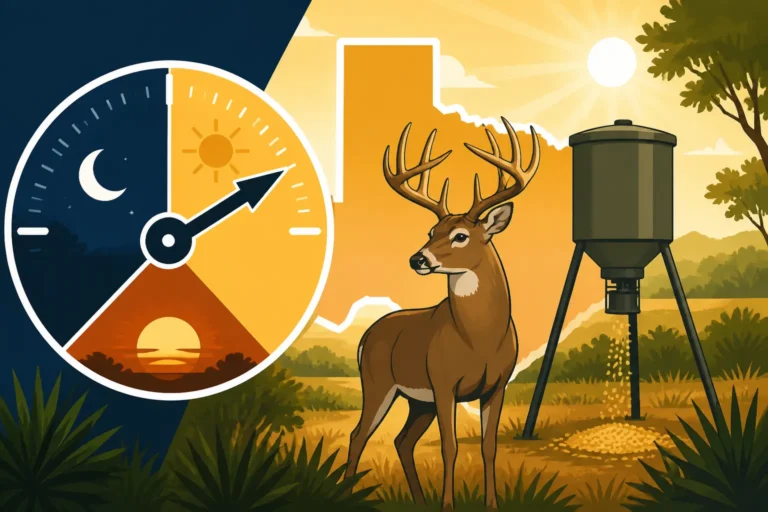
- Gravity Feeders: These are a popular choice for protein feeding. Gravity feeders typically have a large hopper at the top and several feeding tubes (often 3-4) at the bottom. The feed flows down as deer consume it, making protein available 24/7. This "free choice" access is excellent because deer can eat when they need it most, mimicking natural grazing patterns. Many gravity feeders are simple, durable, and don't require batteries or timers. However, they can be more susceptible to waste if not designed well, as rain can get into the feed, or excessive amounts can be pulled out by deer. Some designs incorporate internal funnels or small "drip edges" to help keep feed dry and minimize spillage. For a deeper dive into feeder types, check out Best Deer Feeder Setup for Texas.
- Timed Protein Feeders: While less common for pure protein, some timed feeders can dispense protein pellets. These are often standard spin-cast feeders that have been modified with specialized plates or larger openings to handle pellets rather than just corn. The advantage here is control: you can limit how much feed is dispensed and at what times, which can help manage costs and potentially reduce consumption by non-target animals. The downside is that deer don't have free-choice access, which might not be ideal for maximum antler growth, as their nutritional needs can fluctuate. These feeders often require batteries and solar panels, adding to maintenance. However, they can be a great option if you're trying to integrate protein with a traditional corn feeding schedule, or if you're battling persistent issues with hogs or raccoons.
Strategic Placement for Maximum Impact
Where you place your protein feeders is almost as important as the feed itself. You want to make it easy and safe for deer to access, while also integrating it into their natural patterns.
- Near Bedding Areas: Placing feeders within a reasonable distance of known bedding areas can encourage more consistent use. Deer feel more secure venturing to a food source if a safe place to retreat is nearby.
- Along Travel Corridors: Identify natural travel routes deer use between bedding, water, and existing food sources. Placing a feeder near these corridors can intercept deer as they move, increasing the chances they'll discover and utilize the protein.
- Accessibility and Visibility: Ensure the feeder is easily accessible for deer but also for you to refill. Choose a spot that offers some cover nearby, making deer feel less exposed while feeding. They generally prefer to approach and leave a feeder with some brush or timber for security. Avoid wide-open, exposed areas if possible. For more insights on optimal placement, see Where to Place a Deer Feeder for Best Results.
- Water Sources: If possible, locate feeders within a reasonable distance of a reliable water source. Deer, especially when consuming dry protein pellets, will need to drink more, and combining these necessities makes the feeding station more appealing.
- Multiple Feeders: On larger properties or leases, consider setting up multiple protein feeders. This helps distribute deer, reduces competition, and ensures that more deer have access to the supplement, including younger bucks and less dominant does who might be run off by older, more aggressive animals at a single feeder.
Keeping Out Unwanted Guests
This is the eternal struggle of protein feeding in Texas: keeping hogs and other non-target animals from devouring your expensive feed. Feral hogs are notorious for destroying feeders and consuming vast quantities of protein.
- Feeder Pens/Cages: This is by far the most effective method. Construct a sturdy pen around your protein feeder using cattle panels or heavy-gauge wire fencing. The key is to make the opening large enough for deer to jump over or crawl under but small enough to exclude hogs and cattle. A common design uses 4-5 cattle panels in a circular or square shape, about 4-5 feet high, with a diameter of at least 16-20 feet. This allows deer to easily jump in and out, but hogs can't typically clear the height, nor can they squeeze through if the bottom gap is too small. For specific tips, check out How to Keep Hogs Out of Your Deer Feeder.
- Height of Feeders: Elevating your feeder can help, especially for gravity feeders. While it won't deter a determined hog completely, raising the feeding tubes to a height that deer can comfortably reach (typically around 42-48 inches from the ground) can make it harder for hogs to access. This also helps with raccoons to some extent, though clever ones will find a way.
- Motion-Activated Sprinklers or Lights: While more unconventional, some hunters experiment with motion-activated deterrents to scare off hogs at night. These are generally less reliable for consistent prevention but can be used as part of a multi-faceted approach.
- Targeted Hog Control: Ultimately, aggressive hog control measures on your property will be the best long-term solution to protecting your protein investment. This can include trapping, hunting, and aerial control if applicable.
Monitoring Results and Adjusting Your Strategy
Implementing a protein feeding program isn't a "set it and forget it" endeavor. To truly understand its impact and maximize its effectiveness, you need to actively monitor your deer herd and be willing to adjust your strategy based on what you observe.
Tracking Antler Growth and Herd Health
How do you know if your efforts are paying off? Observing changes in your deer herd is crucial.
- Trail Cameras: These are invaluable tools for monitoring. Deploy trail cameras around your protein feeders. Regularly review the photos and videos to track individual buck growth throughout the spring and summer. You'll be able to see the progression of antler development, assess overall body condition, and get an idea of how many deer are regularly utilizing the feed. Pay attention to changes in antler mass, tine length, and spread over time. Don't forget, using your trail cameras to identify individual bucks can also help you determine if specific individuals are responding well. Check out tips on How to Pattern Bucks With Trail Cameras for best practices.
- Field Observations: Spend time observing your deer in person, particularly during the early morning and late evening. Note the general health and body condition of bucks, does, and fawns. Are fawns looking robust? Are does maintaining good body weight through lactation? Are bucks showing better antler development than in previous years before protein feeding? Keep a journal or use a spreadsheet to record your observations.
- Harvest Data: When you harvest deer, pay close attention to the age, body weight, and antler measurements. Over several seasons, you can compare this data to pre-protein feeding years. Are you seeing an increase in average body weight for age? Are bucks of the same age class carrying larger antlers? This long-term data is the most definitive way to gauge the success of your program. Consider participating in programs like MLDP (Managed Lands Deer Program) if you have enough acreage, as it provides valuable data collection and management recommendations from TPWD biologists.
- Feed Consumption Rates: Keep a close eye on how quickly your feeders are emptied. This tells you how much the deer (and potentially non-target animals) are consuming. If consumption is very low, there might be an issue with palatability or placement. If it's excessively high, it might indicate a high deer density or a significant hog problem, prompting you to refine your strategy or increase feeder capacity.
Troubleshooting Common Protein Feeding Issues
Even with the best intentions, you might run into some bumps in the road.
- Deer Not Eating the Feed:
- Palatability: Not all deer feeds are equally palatable. If deer aren't touching it, try a different brand or formulation. They need to acquire a taste for it.
- Acclimation: It can take time for deer to get accustomed to a new food source. Be patient. Sometimes mixing a small amount of corn with the protein pellets initially can help draw them in, but remember the goal is protein, so transition away from corn if possible, as discussed in Corn vs Protein Feeder for Texas Deer.
- Placement: Is the feeder in an area where deer feel safe? Is it too exposed? Is there enough nearby cover?
- Competition: Are hogs or other animals dominating the feeder, scaring away the deer?
- Excessive Non-Target Animal Consumption: This is a big one in Texas.
- Feeder Pens: As mentioned, robust feeder pens are your best defense against hogs and cattle. This investment will save you money in the long run.
- Feeder Design: Some feeders are more hog-resistant than others due to their sturdy construction and elevated feeding ports.
- Active Control: Consistent trapping and hunting of hogs will reduce their numbers and pressure on your feeders.
- Moldy or Wet Feed: This is a serious issue that can make deer sick.
- Feeder Design: Ensure your feeder is designed to keep moisture out. Check for leaks in the hopper or where the spouts attach.
- Refilling Frequency: Don't let feed sit for too long, especially in humid weather. Only put out what deer can consume in a reasonable amount of time.
- Cleanliness: Regularly clean out your feeders, removing any old or contaminated feed.
Potential Downsides and Ethical Considerations
While protein feeding can be incredibly effective for improving deer health and antler quality, it's not without its challenges and ethical debates. Being a responsible land manager or hunter means understanding these aspects fully.
Cost, Maintenance, and Dependency
Let's not sugarcoat it: protein feeding is an investment. It's not a cheap endeavor, especially if you're committed to a year-round program across a large property.
- Financial Cost: Quality protein pellets can range from $15 to $25+ per 50-pound bag, and deer can consume significant amounts. Over a year, this can add up to thousands of dollars, depending on herd size and feeding duration. Feeder purchase and maintenance also factor in. This cost needs to be weighed against your hunting goals and budget.
- Time and Labor: Refilling feeders regularly, checking cameras, and maintaining feeder pens takes time and effort. It's a commitment that requires consistent presence on your property or a reliable team to help out. If you're managing a larger property, this can be a significant undertaking.
- Deer Dependency: A common concern is creating deer that become overly dependent on supplemental feed, potentially losing their natural foraging instincts. While deer will always browse naturally to some extent, a consistent, high-quality supplemental source can alter their movement patterns and reliance on natural forage. If you suddenly stop feeding, especially during a critical period or drought, the herd could suffer a nutritional shock. This highlights the importance of consistency if you decide to undertake a feeding program.
Regulations and Disease Concerns (CWD)
Before you even buy your first bag of protein, it is absolutely vital to understand and comply with all state and local regulations. Texas Parks and Wildlife Department (TPWD) has specific rules regarding supplemental feeding, especially concerning Chronic Wasting Disease (CCWD).
- Legal to Feed: In most of Texas, supplemental feeding of deer is legal. However, there are exceptions and special regulations, particularly in areas designated as CWD zones. You must consult the most current Texas Outdoor Annual or the TPWD website before you begin. For details on statewide regulations, referring to Texas Hunting Seasons: Complete Calendar by Species can provide a broader context, though specific feeding rules will be in dedicated sections.
- CWD Zones: Chronic Wasting Disease is a serious, fatal neurological disease affecting deer. To combat its spread, TPWD implements CWD Management Zones with specific restrictions, which often include prohibitions or strict limitations on supplemental feeding, particularly baiting with corn or protein. Feeding practices can concentrate deer, increasing nose-to-nose contact and the potential for disease transmission. If your property is within a CWD zone, or even near one, you must be aware of and abide by these rules. Failure to do so can result in significant fines and penalties. For critical information on these areas, see CWD in Texas: Zones, Rules & Carcass Transport.
- Ethical Considerations: Beyond legalities, consider the broader ethical implications. Some argue that extensive feeding programs can disrupt natural ecosystems, artificially inflate deer populations beyond carrying capacity, or give hunters an unfair advantage. While opinions vary, it's important to approach supplemental feeding with a sense of stewardship, aiming to enhance the health of the herd and habitat, rather than solely focusing on trophy antlers without considering the bigger picture.
Protein feeding is a powerful tool in a deer management toolbox, but it's one that requires careful thought, commitment, and a thorough understanding of its implications. When done correctly and responsibly, it can absolutely contribute to healthier deer and bigger antlers on your Texas property.
Disclaimer
Please note that hunting regulations, seasons, and licensing requirements in Texas are subject to change by the Texas Parks and Wildlife Department. Always consult the official TPWD Outdoor Annual or website for the most current and accurate information before engaging in any hunting or feeding activities. This guide is for informational purposes only and does not constitute legal advice.