Best Hunting Method for Pronghorn in Texas
Hunting pronghorn in the wide-open expanses of the Texas Panhandle and the high desert of the Trans-Pecos is a challenge that humbles even the most seasoned hunters. If you have ever spent a grueling afternoon belly-crawling through prickly pear only to have a buck vanish into a shimmering heat mirage at 500 yards, you understand the frustration. This guide breaks down the most effective hunting methods to ensure you don't spend your limited season chasing ghosts across the flats.
The Reality of Pronghorn Hunting in Texas
Before you ever set foot on a ranch near Dalhart or Alpine, you have to understand the adversary. Pronghorn are not just another deer species; they are North America’s fastest land mammal, capable of hitting speeds over 55 miles per hour. But their speed isn't their primary defense—it’s their eyesight. A pronghorn’s eyes are structurally similar to a set of 8x binoculars, and they have a nearly 300-degree field of vision. They are designed to spot movement on a flat horizon from miles away.
In Texas, pronghorn hunting is largely dictated by the permit system. Unlike whitetail, where you can often just buy a license and go, pronghorn require a landowner permit or a lucky draw from the state. Because these tags are so hard to come by, the pressure to succeed is immense. You aren't just out for a walk; you are trying to make a once-in-a-decade opportunity count. This is why choosing the right strategy is paramount. For many, the journey starts with understanding How to Hunt Pronghorn Antelope on the Texas Plains and preparing for the unique environmental factors of the high desert.
The terrain in the Trans-Pecos is rugged, filled with volcanic rock, yucca, and greasewood. In contrast, the Panhandle is often a sea of shortgrass prairie and agricultural fields. Both environments offer zero cover. This lack of "verticality" means you cannot hide behind a tree or wait in a traditional forest blind. You have to become part of the dirt. If you are a beginner, you might find that Pronghorn Hunting Tactics for Texas differ wildly from the sit-and-wait style used for whitetail. You are entering a game of chess played at long distances.
The Master Method: Spot and Stalk
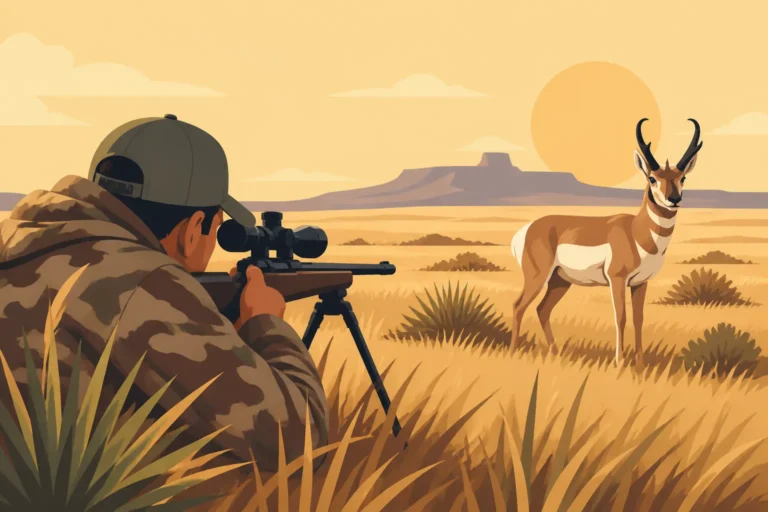
For the purist and the most successful Texas hunters, the spot-and-stalk method is the gold standard. It involves using high-quality optics to locate a buck from a distance and then using the meager contours of the land to sneak within shooting range. This is rarely a quick process. A single stalk can take four hours, involving a mile-long detour just to stay out of the animal's line of sight.
High-Power Optics Strategy
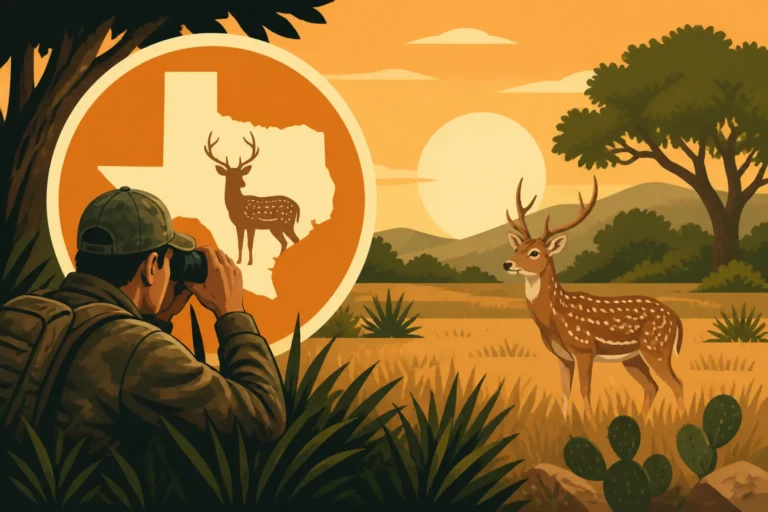
The "spot" part of spot-and-stalk is where most hunters fail before they even start. You cannot rely on your naked eye. You need to spend hours behind a tripod-mounted spotting scope or high-end 10×42 binoculars. Look for the white patches on their rumps or the dark "mask" on a buck's face. Because pronghorn are active throughout the day, you aren't limited to the first and last light.
In places like Marfa or north of Amarillo, the heat shimmer can be brutal by 10:00 AM. This is where Best Hunting Optics for Texas: Scopes, Binos & Rangefinders become essential. You need glass that can cut through the mirage. Once a target is located, you must use a rangefinder to plan your stalk. Guessing distances in the desert is a recipe for a clean miss, as the lack of trees makes objects appear much closer or farther than they actually are. Investing in the Best Rangefinder for Texas Hunting is often more important than the rifle you carry.
The Low Profile Crawl
Once you’ve spotted a buck, the real work begins. If a pronghorn sees you stand up, the hunt is over. You must utilize every "micro-fold" in the terrain. A dry wash only six inches deep can be your best friend. This often requires literal belly crawling. This is not the time for heavy, bulky clothing. You need knee pads and gloves because the Texas desert is designed to poke, prod, and scratch you.
Many successful hunters use "decoying" during the rut, which usually falls in late September. A silhouette of a rival buck can sometimes draw an aggressive herd leader into range, but in the vastness of Texas, this is a hit-or-miss tactic. The most reliable way is simply to stay out of sight. Remember, if you can see their eyes, they have probably already seen you.
The Patience Method: Hunting Water and Fences
While spot-and-stalk is the most common approach, it isn't always the most effective, especially during particularly hot, dry years. In the Trans-Pecos, water is the lifeblood of the desert. Pronghorn, despite being well-adapted to arid climates, must drink daily. This creates an opportunity for the patient hunter to utilize a different strategy: the ground blind.
Setting Up Over Water Holes
This method involves finding a windmill, a "tank," or a natural spring that shows heavy pronghorn sign. Look for the distinct heart-shaped tracks in the mud. Unlike deer, pronghorn are quite comfortable coming to water in the middle of the day. In fact, noon to 2:00 PM is often the peak time for water hole activity when the sun is at its hottest.
Using a ground blind is the most effective way to hunt water. However, you can't just pop a blind up and expect results. Pronghorn are incredibly wary of new structures. It is best to set the blind up several days or even weeks in advance so the local herds can habituate to its presence. If you are hunting a lease, check Box Blind vs Tripod vs Ground Blind in Texas to see which portable options offer the best concealment for the open prairie. Because the wind is a constant factor in West Texas, your blind must be heavily staked down.
The Fence Line Strategy
Pronghorn are famous for their refusal to jump over fences. Unlike deer, which leap over barbed wire with ease, pronghorn almost always crawl under. This creates "crossings"—specific spots where the bottom wire is high enough or the ground is worn down enough for them to slide through. If you find a well-used crossing, you have found a bottleneck.
This is a subtle form of Spot-and-Stalk Hunting in Texas (Exotics & Mule Deer) where you aren't actively chasing, but rather intercepting. By positioning yourself 200 to 300 yards downwind of a known crossing, you can catch bucks as they move between bedding areas and feeding grounds. It requires a deep knowledge of the specific ranch's layout and the daily movement patterns of the herd.
| Method | Best Terrain | Physical Effort | Success Rate | Equipment Needed |
|---|---|---|---|---|
| Spot and Stalk | Broken Plains/Trans-Pecos | High | High (with skill) | Tripod, Spotting Scope, Kneepads |
| Water Hole Blind | Flat Desert/High Heat | Low | Medium | Ground Blind, Scent Spray |
| Fence Intercept | Agricultural Borders | Medium | Medium | Quality Rangefinder, Bipod |
| Decoying | Open Prairie (Rut Only) | Medium | Variable | Buck Decoy, Flat-shooting Rifle |
Gear and Ballistics for the Long Shot
Pronghorn hunting is almost synonymous with long-range shooting. Because of the open terrain, a 100-yard shot is a rarity. You should be prepared for shots ranging from 250 to 450 yards. This requires a rifle caliber that is "flat-shooting," meaning it has a high muzzle velocity and a high ballistic coefficient to resist wind drift.
Common Texas favorites include the .257 Weatherby Magnum, the 6.5 PRC, and the classic .270 Winchester. The wind in the Panhandle is relentless, often blowing a steady 20 miles per hour. You must practice shooting in crosswinds before your hunt. A 20 mph wind can push a bullet several inches off target at 300 yards, which is more than enough to turn a heart shot into a gut shot or a complete miss.
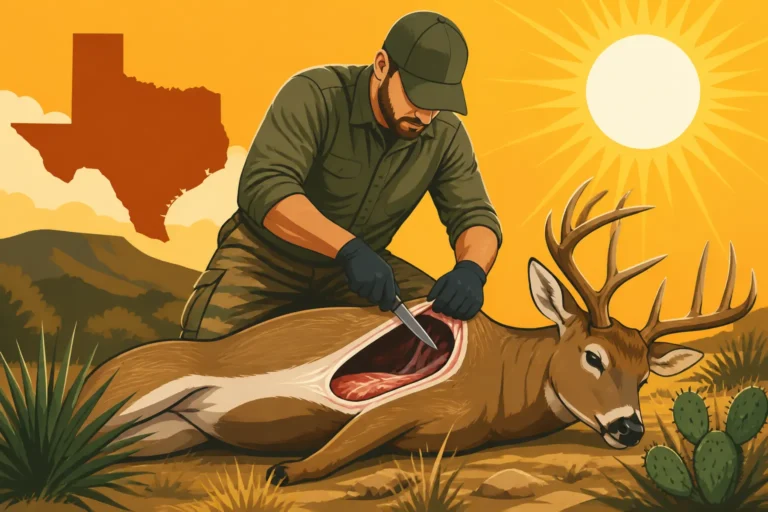
Furthermore, once you make the shot, the work isn't over. The Texas sun is the hunter's greatest enemy regarding meat quality. Pronghorn meat is delicious but lean, and it can spoil quickly if not cooled down. Knowing Field Dressing & Processing Game in Texas Heat is vital. Many hunters bring large coolers filled with ice to the field specifically to get the hide off and the meat on ice within the hour. If you aren't prepared for the logistics of How to Cool a Deer Fast in Texas Heat, you risk losing some of the best wild game meat North America has to offer.
Navigating the Texas Permit System
You cannot simply walk onto a ranch and hunt pronghorn. Most tags are allocated to landowners based on the acreage they manage and the pronghorn populations surveyed by Texas Parks and Wildlife (TPWD). To hunt, you usually need to purchase a "package" from a landowner or outfitter that includes the permit.
For those looking for a more affordable route, the state offers a small number of tags through the public draw system. Understanding How to Get a Texas Drawn Hunt Permit is the first step for many budget-conscious hunters. These draws are highly competitive, but they offer access to some of the most pristine habitats in the state, such as the Rita Blanca National Grasslands. You should also keep a close eye on Texas Pronghorn Season & Permits as dates can shift slightly depending on the year's survey results. Always consult the Texas Hunting Seasons: Complete Calendar by Species to ensure your trip aligns with the legal windows for your specific zone.
The hunt is as much about the preparation as it is the execution. Whether you are glassing the horizon for a trophy buck or waiting patiently by a secluded water tank, the pronghorn hunt represents the pinnacle of the Texas fair-chase experience. It is a test of your vision, your marksmanship, and your willingness to endure the elements of the Great Plains.
Disclaimer
Hunting regulations in Texas are subject to change annually based on population surveys and environmental conditions. Always consult the most recent Texas Parks and Wildlife Outdoor Annual for specific season dates, bag limits, and permit requirements before heading into the field. This guide is for informational purposes and does not replace the necessity of a valid Texas hunting license and appropriate permits.