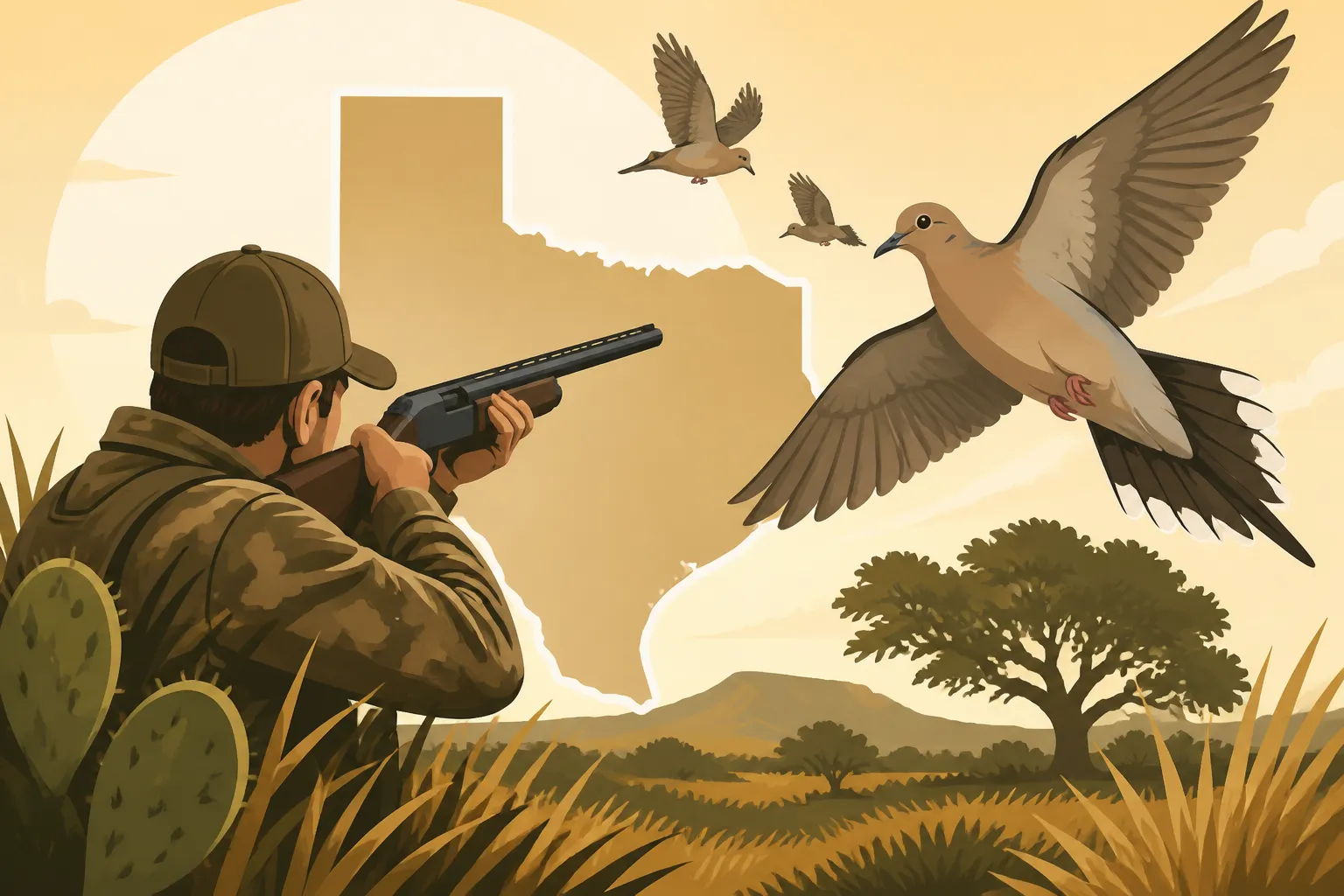
How to Hunt Mourning Dove on a Texas Lease
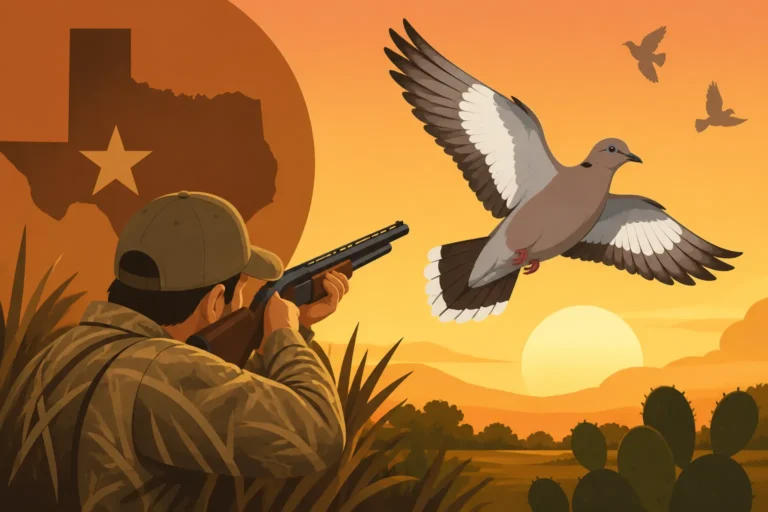
Standing in a dusty mesquite flat under a 100-degree sun while watching empty skies is a frustrating rite of passage many Texas hunters want to avoid. This guide breaks down the specific strategies for finding, scouting, and successfully harvesting mourning dove on a private lease, ensuring your opening day is more than just an expensive tan and a waste of shells.
Scouting Your Lease for Mourning Dove
The biggest mistake hunters make on a new lease is assuming that because they saw birds in August, they will be there on September 1st. Mourning doves are notoriously flighty, and their patterns can shift based on a single afternoon thunderstorm or a change in local harvesting schedules. You need to treat scouting with the same intensity as you would How to Scout for Deer Before Season in Texas because these birds are looking for three specific things: high-energy food, accessible water with clean banks, and gravel for digestion.
Identifying Water and Food Sources
Mourning doves are creatures of habit but only as long as the resources last. On a Texas lease, especially in regions like the Rolling Plains or the South Texas Brush Country, you want to look for "tank" water. However, not just any pond will do. Doves are terrified of tall grass where predators can hide. They want a water source with a "clean" edge—ideally a mud flat or a gravelly bank where they can land and walk directly to the water’s edge. If your lease has a cattle tank that’s been trampled down by livestock, you’ve likely found a gold mine for the midday and late-afternoon flight.
In terms of food, mourning doves in Texas are suckers for sunflower, croton (commonly called goatweed), and waste grain like wheat or sorghum. If your lease has actively farmed acreage, talk to the producer to see when they plan on cutting. A freshly cut grain field is the ultimate magnet. If you are on a more natural ranch, look for areas where the soil has been disturbed, as this often leads to a flush of native sunflowers. Understanding the local flora is a key part of Mourning Dove Hunting Tactics for Texas because it allows you to predict where the birds will move when the weather shifts.
Tracking Flight Paths and Travel Corridors
Scouting isn't just about finding where the birds eat and drink; it's about finding how they get there. Doves love to follow "lines." This might be a literal power line running across a pasture, a fence line, or a specific creek bed. Spend an evening on your lease about a week before the season starts. Sit in your truck with binoculars and watch the horizon. You will start to notice that the birds don't just fly randomly; they use specific gaps in the mesquite or follow the contour of a ridgeline.
Look for "sentinel trees"—these are usually dead mesquites or oaks that stand taller than the surrounding brush. Doves will almost always land in these trees to survey the area before dropping down into a field to feed or a tank to drink. If you can position yourself between a known roosting thicket and a sentinel tree near a food source, you are in the "kill zone." This kind of observational scouting is just as vital as knowing How to Pattern Bucks With Trail Cameras because it reveals the daily rhythm of the land.
Gear and Equipment for the Lease Hunter
One of the most common frustrations on a Texas dove lease is being under-prepared for the brutal environment. This isn't a walk in the park; it's a gear-intensive endeavor that requires balancing mobility with the need to stay cool and hydrated. Many hunters show up with a box of shells and a chair, only to realize they forgot that the Best Early-Season Camo for Texas Heat is a necessity, not a luxury, when the heat index hits 105 degrees.
Selecting the Right Shotgun and Choke
The debate between the 12-gauge and the 20-gauge for dove is as old as the hills. For a lease where you might be shooting at birds high-balling over a grain field, a 12-gauge offers a denser pattern and more reach. However, if you are hunting over a tight water hole, a 20-gauge is lighter to carry and plenty effective. The real secret lies in the choke. Early in the season, mourning doves are often flying lower and slower. An Improved Cylinder choke is usually sufficient. As the season progresses and the birds get "educated" and fly higher, switching to a Modified choke is a smart move.
When choosing your ammunition, pay attention to the shot size. For mourning dove, #7.5 or #8 lead shot is the standard. If your lease happens to be on federal land or specifically requires non-toxic shot, you'll need to look into steel #6 or #7. Always check your Texas Mourning Dove Hunting Regulations 2026 to ensure you are compliant with lead vs. steel requirements for your specific area.
Essential Field Accessories
The Texas sun is your primary enemy. A high-quality, lightweight hunting chair with a backrest is non-negotiable for long sits. You also need a way to keep your birds cool. While we often discuss How to Cool a Deer Fast in Texas Heat, the same principles of heat spoilage apply to small game. A small soft-sided cooler with an ice pack is much better than a traditional game bag for keeping your dove meat from souring in the afternoon sun.
Another often-overlooked piece of gear is footwear. While you might be tempted to wear light sneakers, remember that dove fields are also home to rattlesnakes. Investing in the Best Snake Boots for Texas Hunting provides peace of mind when you have to trek into the tall brush to retrieve a downed bird. Additionally, carry more water than you think you need—not just for you, but for your retriever if you have one.
| Gear Category | Recommended Item | Purpose |
|---|---|---|
| Shotgun | 12 or 20 Gauge Semi-Auto | High volume shooting / Reliability |
| Choke Tube | Improved Cylinder or Modified | Pattern density at varying ranges |
| Ammunition | #7.5 or #8 Lead Shot | Standard dove load |
| Footwear | Snake Proof Boots | Protection from Texas Diamondbacks |
| Cooling | Soft-sided Cooler with Ice | Prevent meat spoilage in 100°F+ |
| Apparel | Lightweight, Vented Camo | Sweat management and concealment |
Strategic Field Positioning and Decoy Setup
Success on a lease often comes down to where you place your bucket. Even on a 2,000-acre lease, the "hot" spot might only be a 50-yard stretch of a specific fence line. You have to understand how to read the wind and the sun to make sure you aren't glaring yourself out or giving the birds an easy way to flare away from you.
Finding the X in Large Pastures
If you are hunting a large, open field, look for any structural anomaly. A single round bale left in a field, a stray cedar tree, or even a slight dip in the terrain can be enough to break up your silhouette. You want the sun at your back whenever possible. Not only does this make it easier for you to see the birds, but it also puts the sun directly in the doves' eyes as they approach your position, making it harder for them to spot your movement.
When you are deciding Dove Field Setup: Where to Stand, consider the wind direction. Doves, like most birds, prefer to land and take off into the wind. If the wind is blowing at your back, the birds will be flying toward you as they slow down to land in the field or at the water. This creates the "incoming" shot that most hunters find the easiest to lead. If you have to take cross-shots, make sure you have a clear swinging lane that isn't obstructed by other hunters on the lease.
Utilizing Decoys and Motion
Decoys can be the difference between a limit and a long walk back to the truck. While mourning doves are social, they are also easily fooled by motion. A couple of spinning-wing decoys placed on tall poles can be seen from a long distance and will pull birds from their natural flight path toward your position. Place these "mojos" about 15-20 yards in front of you.
Static decoys also have their place. Clip a few onto the top wire of a fence or place them in the bare branches of a sentinel tree. This gives approaching birds the confidence that the area is safe. Learning How to Use Decoys for Dove Hunting effectively involves creating a "landing zone." Leave a gap in your decoy spread directly in front of your blind or chair; the birds will naturally try to drop into that open space, giving you the perfect shot.
Navigating Legal Requirements and Ethics
Hunting on a private lease doesn't mean the rules don't apply. In fact, Texas Game Wardens are very active on private lands during dove season. It is your responsibility to stay updated on the Texas Dove Season Dates 2026 and ensure that every person in your group is fully licensed. This includes having the Texas Migratory Bird Endorsement & HIP Certification on your license, which is a common oversight that leads to unnecessary tickets.
Daily Bag Limits and Possession
The daily bag limit for mourning dove in Texas is typically 15 birds, but you must be careful about species identification. White-winged doves are often mixed in with mourning dove flights, especially in South and Central Texas. Your aggregate limit includes both species, but you need to know how to tell them apart on the wing. Mourning doves have pointed tails and a faster, more erratic flight, while white-wings have a rounded tail and a distinct white bar on their wings.
Possession limits are also critical. You are allowed to have three times the daily bag limit in your possession (45 birds), but this applies to the birds you have in your cooler, your freezer at the lease house, and your vehicle. If you are hunting a multi-day trip, keep your birds processed and labeled. Following the Texas Dove Bag Limit & Possession rules is the only way to ensure you don't end up with a heavy fine that ruins the season.
Lease Etiquette and Safety
When you are on a lease, you are often sharing the space with other hunters. Communication is vital. Before the hunt begins, establish "fields of fire" so that no one is shooting toward another hunter or toward the lease owner's cattle or equipment. Always pick up your spent shells. Not only is it good manners, but plastic hulls are bright and can flare birds in future hunts. Furthermore, cattle have been known to eat spent hulls, which can cause serious health issues for the livestock.
Safety also extends to bird retrieval. If a bird falls into a neighbor's property, you must have permission to cross the fence. In Texas, "purple paint" or a fence line is a legal notice of no trespassing. Most lease agreements have specific rules about where you can and cannot go. Respecting these boundaries and following the Texas Hunting Tags & Harvest Reporting (My Texas Hunt Harvest) guidelines for any other game you might encounter is part of being a responsible Texas hunter.
Texas Hunting Disclaimer
This guide is intended for informational and educational purposes only. Hunting regulations in Texas, including season dates, bag limits, and legal methods of take, are subject to change annually by the Texas Parks and Wildlife Department (TPWD). Always consult the current version of the Texas Outdoor Annual before heading into the field. Accessing private land requires a valid lease agreement or express permission from the landowner. Ensure you possess a valid Texas hunting license with all required endorsements and have completed a state-approved Hunter Education course if required by your age. Safe firearm handling is the sole responsibility of the hunter. Always identify your target and what lies beyond it before discharging a firearm.