Best Game Calls for Texas Hunting
There’s nothing quite as frustrating as sitting patiently in your blind, the Texas sun beating down, or the crisp morning air chilling your bones, and seeing absolutely no movement. You know the game is there, you’ve seen the sign, but they just aren't coming in. It’s enough to make you wonder if you’re doing something wrong or if the animals are just plain smarter than you. That’s where game calls come into play, transforming a quiet, uneventful hunt into an interactive and often successful pursuit. This guide is all about equipping you with the knowledge to select, understand, and master the best game calls for the unique challenges and opportunities Texas hunting offers.
The Undeniable Advantage of Game Calls in Texas Hunting
Texas is a vast and incredibly diverse state when it comes to hunting, from the dense South Texas brush country to the expansive Panhandle plains, and the thick East Texas timber. This varied landscape means game animals often have excellent cover and can be incredibly elusive. Just setting up a feeder or waiting for them to walk by isn't always enough. This is precisely why game calls aren't just a novelty; they're a critical tool that can give you a significant edge, bridging the gap between simply being in the woods and actively engaging with the wildlife.
Cutting Through the Brush and Distance
Imagine trying to communicate with a friend across a thick, mesquite-choked pasture without shouting. It's tough, right? Animals face the same challenge, and even with their keen senses, they can be spread out or hidden in dense cover. Game calls act as a powerful way to extend your presence, projecting sounds that can penetrate the natural noise and visual barriers that define much of Texas. Whether it's the roar of a strong wind or the rustle of leaves, a well-placed call can cut through the environmental clutter, grabbing an animal's attention from hundreds of yards away. This is especially true when you're targeting species like whitetail deer that often hug tight cover or Rio Grande turkeys whose gobblers can be notoriously shy about showing themselves until they know there’s a hen interested. For hunters navigating the challenging terrains, understanding how to use specific calls to draw out game from deep cover is a skill that truly pays dividends.
Tapping into Natural Instincts for Success
The beauty of game calls lies in their ability to mimic the very sounds that define the animals' world. You’re not just making noise; you’re speaking their language, tapping into their fundamental instincts for survival, reproduction, and social interaction. A deer call might simulate the soft bleat of a fawn in distress, triggering a doe's protective maternal instinct, or the aggressive grunts of a challenging buck, drawing in a dominant male ready for a fight. For predators like coyotes, a rabbit distress call is an irresistible invitation for a quick meal. It's about more than just attracting; it's about provoking a natural, often strong, reaction that causes the animal to drop its guard and approach your position. This connection to their primal urges makes game calling one of the most effective and exciting forms of hunting, turning you from a passive observer into an active participant in their world.
Beyond Just Noise: Ethical Engagement
Some folks might think of game calls as merely a trick, but they're really an art form rooted in deep understanding and respect for wildlife. When used ethically and skillfully, a game call isn't about unfair advantage; it's about connecting with the animal on its terms, understanding its behavior, and drawing it into a position where you can make a clean, humane shot. It demands patience, keen observation, and a precise execution of sounds that the animal understands and responds to instinctively. This method of hunting requires you to truly listen, to interpret subtle cues, and to learn the intricate vocalizations that define each species. It’s a rewarding challenge that enhances your overall hunting experience, making you a more knowledgeable and connected outdoorsman. This direct engagement, when done responsibly, deepens the respect we have for the game we pursue.
Decoding the Different Types of Game Calls
Stepping into a hunting store to pick out a game call can feel overwhelming. There’s a dizzying array of options, each promising to be the magic bullet for your next hunt. But understanding the fundamental types of calls and how they work is the first step to building an effective arsenal. From the simple elegance of a mouth call to the technological prowess of electronic units, each type has its place and its particular advantages in the diverse hunting environments of Texas.
The Intimacy of Mouth and Friction Calls
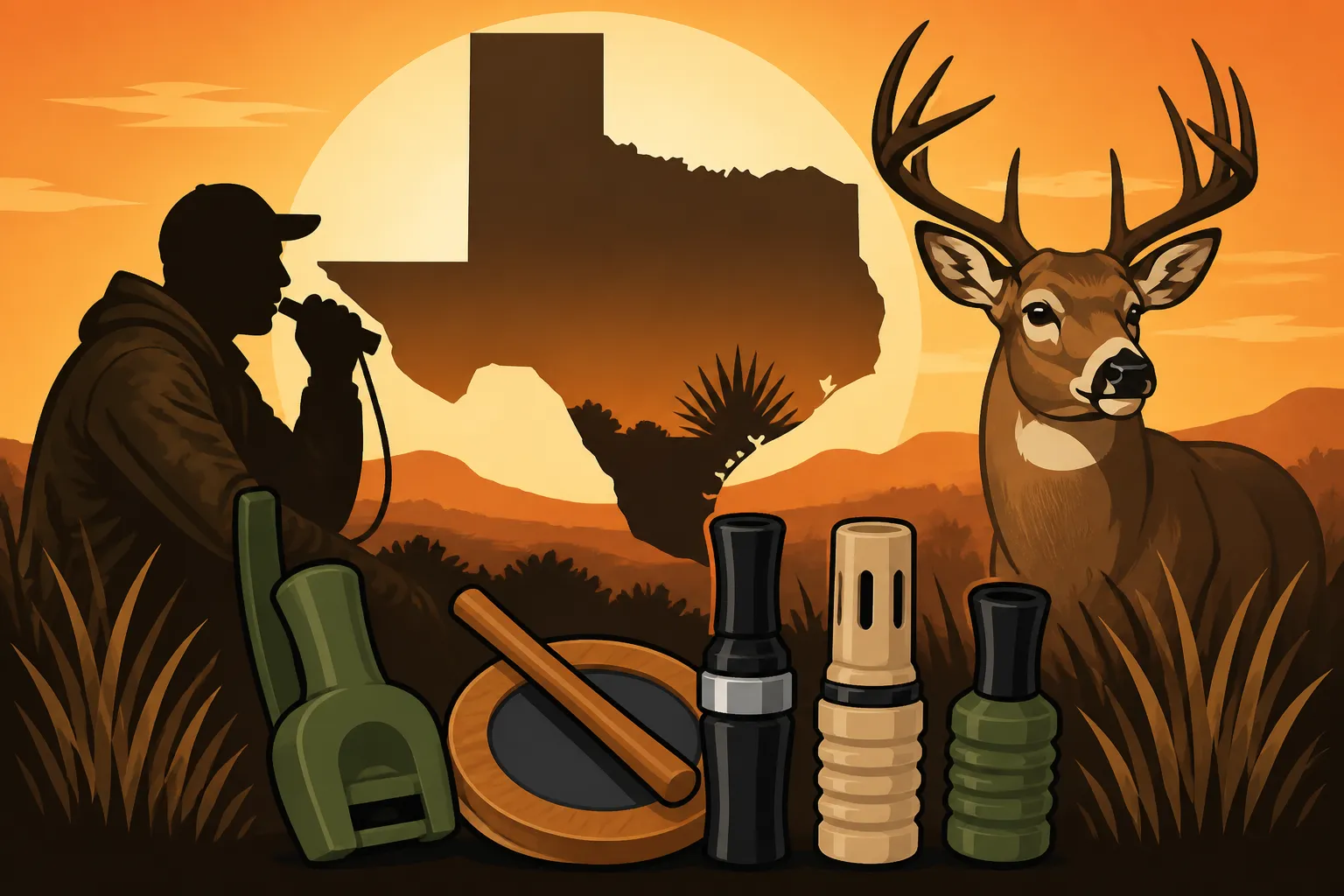
These are the traditional mainstays of game calling, relying on human breath and dexterity to produce lifelike sounds. Mouth calls, often called diaphragm calls, fit into the roof of your mouth and use air pressure from your lungs to vibrate a latex reed. They're incredibly versatile, allowing for hands-free operation – a huge advantage when you're trying to draw a bead on a wary gobbler or keep your rifle steady. They take practice, but once mastered, you can produce a wide range of sounds from the soft purrs of a turkey to the excited yelps, or even a nuanced deer bleat. For hunters serious about Turkey Calling & Tactics for Texas Rios, a good diaphragm call is indispensable.
Friction calls, on the other hand, require a bit more movement but offer incredible realism and volume. These include slate calls (using a striker on a slate or glass surface), box calls (rubbing a lid across a sounding board), and even gobble shakers. They're fantastic for producing loud, attention-grabbing sounds that can carry across large open areas or cut through dense cover. The variety of tones you can achieve with a slate call, for instance, by changing strikers or pressure, is truly impressive. Many experienced hunters carry a combination of both mouth and friction calls, using the friction call for initial loud calls and switching to a hands-free mouth call as game approaches. For whitetail, a good grunt tube and a rattling bag or real antlers are classic friction-style calls that are extremely effective, especially when learning How to Grunt and Rattle Whitetail in the Hill Country.
The Power and Controversy of Electronic Calls
Electronic calls represent the technological forefront of game calling. These devices play pre-recorded sounds through a speaker, offering a vast library of incredibly realistic animal vocalizations. Many come with remote controls, allowing you to place the speaker away from your position, drawing attention away from yourself and towards the sound source. They are particularly effective for predator hunting, where a variety of distress calls can be cycled through to entice coyotes, bobcats, and foxes. Brands like Foxpro and Lucky Duck dominate this market, offering sophisticated units with extensive sound libraries.
However, it's crucial to understand the legalities. While highly effective for predators and often for hogs, electronic calls are not legal for hunting most migratory game birds or deer in Texas. Always double-check the current Texas Parks and Wildlife Department (TPWD) regulations before using an electronic call for any species. For instance, while you can use them for calling coyotes at night, you cannot use them for deer. They are a game-changer for Coyote Hunting in Texas: Night & Thermal, but ensure you're compliant with all regulations to avoid any issues. For hunting hogs, especially when trying to lure them out of thick cover, electronic calls broadcasting hog grunts or even distress sounds can be incredibly effective, and they are legal for feral hogs in Texas.
Specialized Calls for Specific Scenarios
Beyond the broad categories, there's a whole world of specialized calls designed for very specific situations or species. Think about the unique requirements of duck hunting – you'll need a call that can replicate the precise quacks and feeding chuckles of various duck species. Or consider dove hunting, where specific coos can draw in birds circling overhead. These calls often require unique techniques and an intimate understanding of the animal's behavior.
For instance, a good duck call needs to be tuned and operated in a way that sounds natural, not just loud. Many champion callers spend countless hours perfecting their technique, and quality calls from brands like Zink or Echo can make a huge difference. Similarly, for Dove Hunting Tactics: Field Setup & Shooting, while decoys are often key, a skilled caller can add another layer of realism. Even for species like javelina, there are specific calls, usually a distress sound, that can prove surprisingly effective in the right conditions. Investing in a specialized call and learning its nuances can truly elevate your success rate for specific hunts.
Tailoring Your Calls for Texas' Diverse Game
Texas is home to an incredible array of huntable species, each with its own unique vocalizations and behavioral patterns. What works for a whitetail buck certainly won't work for a green-winged teal, and attempting to use the wrong call can do more harm than good. To truly excel as a Texas hunter, you need to tailor your calling approach to the specific game you're after, understanding their language and when they're most receptive to a conversation.
Bringing in Whitetail and Mule Deer
When it comes to deer in Texas, calling strategies primarily revolve around the rut, but can be effective at other times too. For whitetail, the classic calls are the grunt, snort-wheeze, and bleats. A grunt tube mimics the sound of a buck, either a tending grunt (when he's with a doe) or a challenging grunt (when he's looking for a fight). The snort-wheeze is a more aggressive challenge, usually reserved for dominant bucks trying to intimidate rivals. Doe and fawn bleats can attract curious bucks or concerned does. During the peak of the rut, rattling antlers or a rattling bag, simulating two bucks fighting, can be absolutely deadly. This aggressive sound often brings in dominant bucks eager to assert their territory or check out the commotion. For more detailed strategies, check out articles on Rut Hunting Tactics: Rattling & Grunting in Texas.
Mule deer, primarily found in the Panhandle and Trans-Pecos regions, respond to similar calls but often with slightly different nuances. While rattling is less commonly used for mule deer than whitetail, a good grunt tube can still attract curious bucks. Fawn bleats can be particularly effective on does, which can sometimes bring a buck along. When hunting these wide-open landscapes, projecting sound across long distances is crucial, so a loud, clear grunt is often preferred. Understanding the subtle differences in their behavior and habitat is key to selecting and employing the right deer calls.
Luring in Wild Hogs and Predators
Feral hogs are perhaps the most widespread and destructive game animal in Texas, and thankfully, they are also highly susceptible to calling. While not as vocal as deer or turkeys, hogs do communicate, and distress calls can be incredibly effective. A "pig distress" call, mimicking a piglet in trouble, can draw in curious sows (especially protective mothers) or even boars looking for an easy meal or to investigate trouble. Electronic calls are perfectly legal and highly recommended for hog hunting, allowing you to broadcast these sounds with great realism and volume. Brands like Primos and Flextone offer specific hog distress calls that work well.
For predators like coyotes, bobcats, and foxes, the strategy almost always revolves around prey distress calls. A rabbit in distress, a bird in trouble, or even a fawn bleat can trigger a predator's hunting instinct, drawing them in close. Electronic calls really shine here, as they allow for continuous, varied sounds and can project over long distances. Many modern units from companies like Foxpro and Convergent Hunting Solutions come pre-loaded with dozens of highly effective predator sounds. Hand calls, like open reed or closed reed calls, can also be used to mimic these sounds and require less setup. Knowing Predator Calling for Coyotes in Texas effectively can be an exhilarating experience, especially when using calls to bring them in from afar.
Mastering Turkey, Dove, and Waterfowl Vocals
Texas is renowned for its Rio Grande turkey hunting, and calling is absolutely central to success. The classic turkey calls include yelps (hen locator calls), clucks (curiosity), purrs (contentment), and cutting (excitement). The goal is generally to imitate a receptive hen to draw in a gobbler. A variety of calls are used: diaphragm calls for hands-free operation and subtle sounds, slate calls for realism and versatility, and box calls for loud, clear locator yelps. Mastering the cadence and realism of these calls is what separates a good turkey hunter from a great one. For deep dives into specific techniques, check out guides like How to Call Rio Grande Turkeys in Texas.
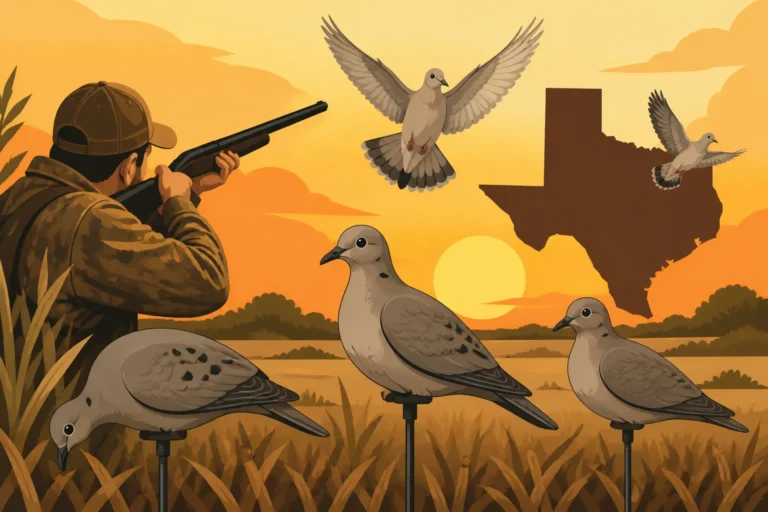
Dove hunting typically relies more heavily on decoys and strategic field placement, but a good dove coo call can definitely enhance your setup. Mimicking the soft, mournful coo of a dove can make passing birds feel more comfortable dropping into your field, especially if paired with realistic dove decoys. For waterfowl, especially ducks and geese, calling is an absolute art form. You need to replicate the distinctive quacks, greetings, feeding chuckles, and hails of various duck species (mallards, pintails, teal, etc.) and the honks and clucks of geese. Quality duck and goose calls are precision instruments, and mastering them takes dedication. Combining expert calling with well-placed Duck Hunting in Texas: Decoys & Blinds is a recipe for success on the Texas coast or inland reservoirs.
Mastering the Art: Techniques for Effective Calling
Having the best game calls money can buy won't do you much good if you don't know how to use them effectively. Game calling is much more than just making noise; it’s about rhythm, timing, and understanding the subtle cues that the animals themselves are giving you. It's a skill that combines learned techniques with an intuitive feel for the wild, and it truly comes alive with practice and experience in the field.
Reading the Response: When to Call and When to Shut Up
One of the biggest mistakes novice callers make is calling too much, or at the wrong times. The art of calling is a conversation, not a monologue. You need to listen just as much as you call, paying close attention to any responses the animal gives you. Is that distant gobble getting closer? Did that soft grunt cause the buck to lift its head? If an animal is actively heading your way, sometimes the best call is no call at all. Continuing to call might alert them to your exact position or make them wary.
Conversely, if an animal hangs up out of range or seems to lose interest, a soft, well-timed call can often be enough to pique their curiosity again and draw them those critical last few yards. For instance, with a dominant buck that's approaching but seems hesitant, a soft doe bleat or a light grunt might be just enough to seal the deal. Learning to read their body language – a flick of the ear, a raised head, a subtle change in direction – will guide your calling strategy. GoHunt provides excellent resources and tips on interpreting animal behavior, which is invaluable for timing your calls perfectly.
The Rhythm of the Wild: Cadence and Volume Control
Just as important as when to call is how you call. Cadence – the rhythm and sequence of your calls – is paramount. A turkey's yelps, for example, have a distinct rhythm and duration; a rapid-fire, unnatural series of yelps will sound fake. Similarly, a buck’s grunts aren't constant; they’re often in short bursts or sustained deep vocalizations depending on the situation. Your calls need to sound natural, like a real animal moving through its environment.
Volume control is another critical factor. Starting with loud, locator calls is often effective to get an animal's attention from a distance. However, as the animal gets closer, you generally want to decrease your volume. A deer coming within 50 yards will be instantly put off by a blaring, full-volume grunt right next to them. Soft, subtle calls become much more effective at close range, lending an air of realism and encouraging the animal to commit to your position. Think about the acoustic properties of your environment; a soft call in thick brush might not carry, but a loud call in an open field could spook everything for miles.
Environmental Factors: Wind, Terrain, and Cover
The Texas landscape plays a huge role in how sound travels and how effective your calls will be. Wind is perhaps the most significant factor. Calling directly into a strong wind means your sound will be dissipated quickly, and the animal might struggle to hear you. Calling with the wind, on the other hand, can carry your sounds much further. Always try to position yourself so that your scent isn't blowing towards where you expect the animal to come from, but also consider how the wind will carry your calls.
Terrain and cover also influence sound. In dense woods or thick South Texas brush, sound doesn't travel as far, so you might need slightly louder calls or to call more frequently. In open plains or rolling hills, sound carries a long way, and even subtle calls can be heard from a distance. Use natural features like ridges, draws, and dense thickets to your advantage, both to conceal yourself and to help funnel animals towards your calling. Understanding these environmental dynamics is a huge part of being a successful caller.
Selecting the Right Call for Your Texas Adventures
Choosing the right game call isn't about finding the most expensive or flashiest option; it's about selecting tools that are effective, reliable, and suit your specific hunting style and target species. With so many choices available, it can be tough to narrow it down, but focusing on a few key factors will help you build a versatile and productive calling arsenal for your Texas hunts. When considering your Best Gear for White-Tailed Deer Hunting in Texas or Best Gear for Feral Hog Hunting in Texas, game calls are a fundamental component.
Factors to Consider: Durability, Sound Quality, and Ease of Use
First and foremost, a game call needs to be durable. Texas hunting often means exposure to harsh sun, sudden downpours, dusty conditions, and plenty of bumps and scrapes as you move through rough terrain. Calls made from cheap plastic that crack easily or have flimsy components won’t last long. Look for calls constructed from high-quality materials like sturdy plastics, wood, or metal that can withstand the rigors of the outdoors.
Sound quality is non-negotiable. A call that sounds unnatural, even if loud, will spook more game than it attracts. Listen to recordings of actual animal vocalizations and compare them to the sounds produced by the call. Can you achieve the subtle inflections, the varied pitch, and the realism needed to fool a wary animal? Finally, consider ease of use. While some calls, like diaphragm calls, require considerable practice, others are relatively intuitive. If a call is too difficult for you to operate consistently and realistically under pressure in the field, it won't be effective, no matter how good it sounds in the store. For instance, a friction call might be easier for a beginner than a complex mouth call.
Building Your Core Calling Arsenal
You don't need every call under the sun, but a well-rounded arsenal will cover most of your Texas hunting needs. For deer, a good grunt tube and a rattling device (antlers or a bag) are essential. For turkeys, a versatile slate call and a hands-free diaphragm call are a fantastic combo. For hogs and predators, a high-quality electronic call or a couple of reliable hand-held distress calls are key. If you're into waterfowl, a good all-around duck call and a goose call are critical.
Think about the species you hunt most often and prioritize calls for those animals. Don't be afraid to experiment with different brands and styles to find what feels most comfortable and produces the most realistic sounds for you. Over time, you’ll develop a preference for certain calls and techniques that align with your hunting style. For example, some hunters swear by Knight & Hale deer calls, while others prefer Primos. It's a personal journey to discover your go-to gear.
Understanding Brand Options and Innovations
The game call market is robust, with many companies dedicated to producing high-quality and innovative products. Brands like Primos, Flextone, Zink, Echo, Foxpro, and Woodhaven are widely recognized for their excellence in various categories. Primos, for example, offers a huge range of calls for virtually every species, known for their user-friendly design and effective sounds. Foxpro leads the way in electronic predator calls, constantly updating their sound libraries and technology.
Innovation is also a constant in this space. Calls are becoming more ergonomic, easier to tune, and feature advanced materials that improve sound quality and durability. Some electronic calls now integrate with apps for enhanced control and sound management, and platforms like GoHunt often review and recommend the latest gear, helping hunters stay informed about what’s new and effective. Researching specific models, reading reviews, and even watching demonstration videos can help you make an informed decision when investing in new calls.
Here's a quick comparison of popular call types:
| Call Type | Pros | Cons | Best For | Texas Examples |
|---|---|---|---|---|
| Diaphragm/Mouth | Hands-free, versatile, subtle sounds | Takes practice, can be finicky | Turkey, Deer, Elk (not common in TX) | Turkey yelps, Deer bleats |
| Friction (Slate, Box, etc.) | Realistic, good volume, versatile tones | Requires hand movement, less hands-free | Turkey, Deer (rattling) | Turkey yelps/clucks, Deer rattling bags |
| Open/Closed Reed | Good volume, durable, relatively easy | Less versatile in tone than friction calls | Deer (grunt tubes), Predator, Waterfowl | Deer grunts, Coyote distress, Duck quacks |
| Electronic | Highly realistic, huge sound library, remote | Legal restrictions (deer, migratory birds), battery reliance | Predator, Hog, Varmint, Turkey (some states) | Coyote distress, Hog grunts |
Avoiding Common Calling Pitfalls in the Field
Even with the best calls and a good understanding of animal behavior, it’s easy to fall into common traps that can ruin a hunt. Being aware of these pitfalls and actively working to avoid them will significantly increase your success rate and make your calling efforts more productive. It’s all about attention to detail and respecting the keen senses of the animals you’re pursuing.
The Perils of Overcalling
This is arguably the most common mistake new and even experienced callers make: calling too much. When an animal is approaching or showing interest, a continuous barrage of calls can actually make them suspicious. They might wonder why that "hen" or "buck" isn't moving, or why the sound is coming from exactly the same spot without any variation. Real animals move, stop, and vary their vocalizations. If your calls are too frequent, too loud, or too static, it signals something unnatural.
The rule of thumb is often to call, listen, and wait. If you get a response, acknowledge it with a subtle call if needed, but then let the animal work. Let their curiosity and natural instincts draw them closer. If they hang up, then a soft, well-timed call can be effective. But resist the urge to constantly call, especially when they are within sight. Patience is a virtue, and silence can be just as powerful as sound when used correctly. GoHunt emphasizes the importance of reading animal behavior and adjusting calling strategies accordingly, rather than simply hitting a button repeatedly.
Overlooking Wind Direction and Scent Control
You can be the world's best caller, but if the wind carries your human scent directly to the animal you're calling, your hunt is over. Animals, especially deer and predators, rely heavily on their sense of smell for survival. Even if they hear your perfect call, a whiff of human odor will send them scattering. Always, always position yourself so that the wind is blowing your scent away from where you expect the game to approach. This often means calling across the wind or with the wind at your back, depending on the terrain and anticipated approach vectors.
Scent control goes hand-in-hand with understanding wind direction. Wearing scent-eliminating clothing, showering with scent-free soaps, and storing your hunting clothes in airtight containers can minimize your odor signature. While calls bring animals in, good scent control keeps them from busting you at the last minute. This is especially crucial for species like mature whitetail bucks, which are incredibly wary. No amount of perfect grunting will overcome a strong human scent directly in their path.
The Importance of Practice, Practice, Practice
Game calling is a perishable skill, and like any other skill, it requires consistent practice to maintain proficiency. Don't wait until opening morning to pull out your calls for the first time since last season. Spend time practicing at home, in your backyard, or even in your truck. Listen to recordings of real animal sounds and try to mimic them exactly. Record yourself and play it back to identify areas for improvement.
Practice with different volumes, cadences, and scenarios. Learn how to transition from loud locator calls to soft, subtle finishing calls. The more comfortable you are with your calls, the more natural and realistic your sounds will be when it matters most in the field. This familiarity will also reduce fumbling and awkward movements during those critical moments when game is approaching. Think of it like marksmanship; you wouldn't expect to hit a target without practicing your shot, and the same goes for hitting the right notes with your game calls.
Disclaimer
Please remember that hunting regulations, seasons, and licensing requirements can change. Always consult the latest Texas Parks and Wildlife Department (TPWD) Outdoor Annual or website for the most current and accurate information before heading into the field. This guide is for informational purposes only and does not supersede state or federal hunting laws. Ethical hunting practices and safety should always be your top priority.