Browning Defender Trail Camera Review
Many Texas hunters know the immense frustration of investing in a trail camera only to have it fail under our state's punishing weather, deliver blurry images, or chew through batteries faster than a hungry hog in a corn feeder. We've all been there, checking a card full of blurry deer butts or, worse, an empty card after weeks of anticipation. Finding a game camera that reliably performs, captures clear evidence, and stands up to everything from blistering sun to sudden cold snaps is crucial for effective scouting. This guide offers an in-depth review of the Browning Defender trail camera series, dissecting its features, real-world performance, and how it holds up to the unique demands of hunting season in the Lone Star State.
A Close Look at the Browning Defender Series Features and Design
When you're trying to pattern deer or keep tabs on feral hogs, your trail camera isn't just a gadget; it's an essential tool. The Browning Defender series has made a name for itself in the trail camera market, largely due to its commitment to user-friendly design and robust features built for the outdoors. Unlike some brands that seem to pack every imaginable bell and whistle into a clunky device, Browning tends to focus on what hunters truly need: reliability, image quality, and decent battery life.
Robust Build Quality and Weather Resistance
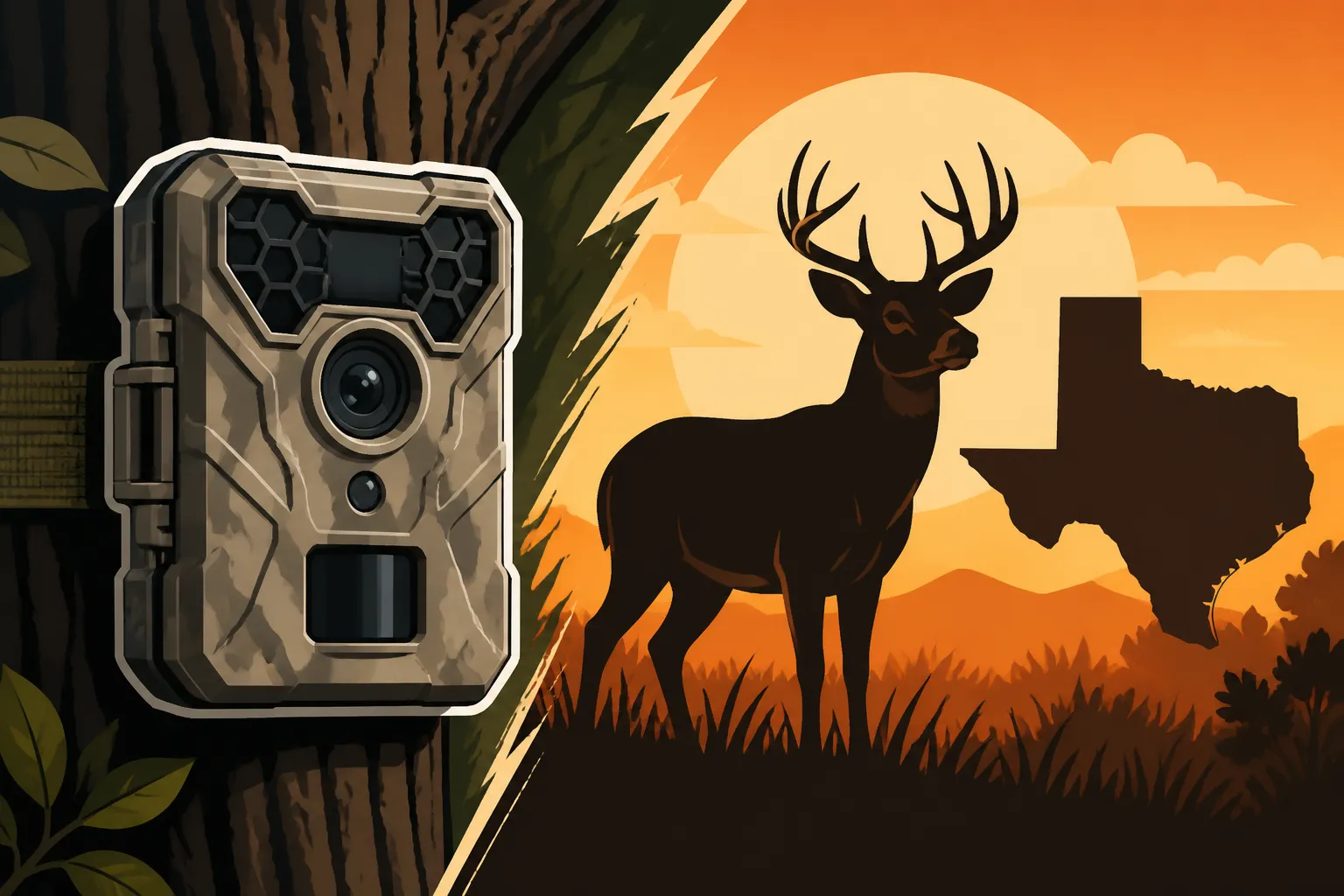
One of the first things you notice about a Browning Defender camera is its solid construction. These units are designed to take a beating, which is absolutely vital when you're hanging them out in the unforgiving Texas brush or up in a cedar tree in the Hill Country. They often feature a sturdy, camouflaged casing that blends well into natural environments, minimizing visibility to both game and potential thieves. This isn't just about aesthetics; it's about durability. Texas weather can swing wildly, from dust storms to torrential downpours, and the last thing you need is a camera that cracks, leaks, or malfunctions at the first sign of a summer shower. The Browning Defender cameras are built with seals and construction techniques meant to repel moisture and dust, ensuring they continue to operate even when the elements are doing their worst. I’ve personally had cameras from other brands succumb to humidity or an unexpected gully washer, so this level of build quality is something I always scrutinize, and Browning generally delivers here.
Image and Video Capabilities
At the heart of any trail camera is its ability to capture clear images and videos, and the Browning Defender series generally excels in this department. Depending on the specific model, you can expect impressive megapixel counts, often ranging from 20MP upwards, which translates to crisp, detailed photos that let you truly assess antler size or distinguish between individual animals. For many Texas hunters, especially those focusing on White-Tailed Deer Hunting in Texas: Complete Guide or even Mule Deer Hunting in Texas: Panhandle & Trans-Pecos, high-resolution images are non-negotiable for proper antler scoring and identifying target animals.
Beyond still photos, the video capabilities are often equally strong. Many Defender models offer full HD 1080p video with sound, which can be incredibly useful for observing animal behavior, understanding travel patterns, and getting a more complete picture of what's happening on your lease. Nighttime performance is particularly important, and Browning typically uses "Invisible" or "No-Glow" IR (Infrared) LEDs. This means the flash is imperceptible to both game and human eyes, preventing spooking animals and offering a stealthier operation. This is a huge advantage, especially when you're trying to get consistent photos of wary mature bucks or the nocturnal habits of feral hogs.
Connectivity and Data Management
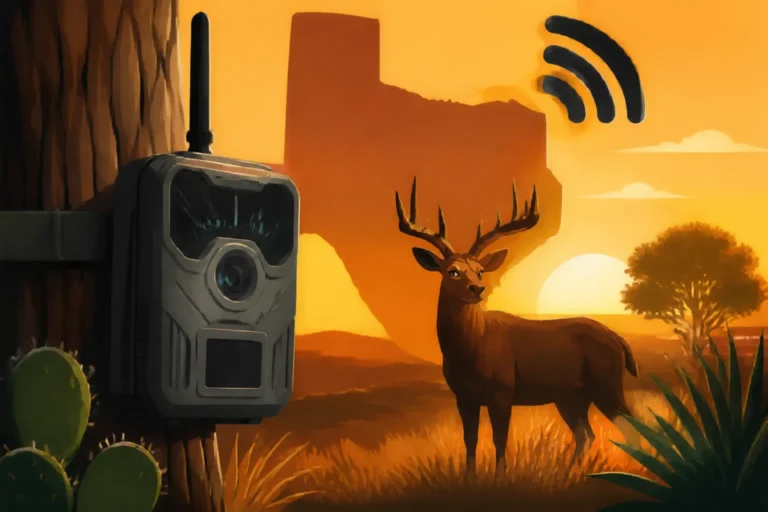
In today's fast-paced world, getting immediate alerts and images from your hunting property is a game-changer. The Browning Defender series often includes cellular models, a feature that many Texas hunters now consider indispensable. These cellular cameras allow you to receive images and videos directly to your smartphone or computer via a dedicated app, no matter where you are. Imagine getting a picture of a trophy buck walking past your feeder while you're at work – it certainly builds anticipation! The convenience of Best Cellular Trail Cameras for Texas (2027) is undeniable, as it drastically reduces the number of trips you need to make to your property, saving time, fuel, and minimizing disturbance to the wildlife.
Browning's cellular models typically work with major cellular carriers and offer various data plans to suit different needs, whether you're managing a small family lease or a sprawling ranch. The process usually involves activating a SIM card and connecting through their dedicated app, which allows for remote management of camera settings, monitoring battery life, and downloading images. For hunters who rely on detailed data for strategic planning, the ability to seamlessly integrate camera feeds with mapping tools like GoHunt can provide a comprehensive overview of animal movement and habitat usage. This digital approach to scouting is revolutionizing how we plan our hunts and keep track of activity even when we're miles away.
Real-World Performance for the Texas Hunter
Texas presents a unique proving ground for any piece of outdoor gear, and trail cameras are no exception. From the dense brush country of South Texas to the rocky terrain of the Hill Country and the wide-open spaces of the Panhandle, your camera needs to perform consistently. The Browning Defender series aims to meet these challenges head-on, and often succeeds.
Battery Life and Power Efficiency in Extreme Temperatures
One of the most frustrating aspects of many trail cameras is their notoriously short battery life, especially when operating in extreme temperatures. In Texas, we see it all: triple-digit summers that cook electronics and surprising winter freezes that drain batteries in a flash. The Browning Defender cameras generally boast impressive battery efficiency, often running on 8 AA batteries for several months or even up to a year under optimal conditions, depending on settings and cellular usage. This longevity is critical for minimizing disturbances to your hunting area. Who wants to trek out to a remote feeder location every other week just to swap batteries?
The power efficiency also ties into their ability to withstand temperature extremes. Browning designs these cameras to operate within wide temperature ranges, ensuring that the internal components don't seize up or malfunction when it's 105 degrees in August or 20 degrees in January. While no battery is immune to cold weather draining, the Defender series manages it better than many competitors. For those of us using feeders, understanding Best Deer Feeder Setup for Texas also involves minimizing human presence, and a long-lasting camera certainly helps achieve that goal.
Detection Range, Trigger Speed, and Recovery Time
What good is a trail camera if it misses the shot? For hunters, a camera's ability to quickly detect movement, snap a picture, and be ready for the next one is paramount. The Browning Defender series typically features fast trigger speeds, often as quick as 0.25 to 0.5 seconds. This rapid response time is crucial for capturing fast-moving game, ensuring you don't just get a picture of a deer's tail disappearing from the frame. When a big buck is cruising through, every fraction of a second counts.
Equally important is the detection range and recovery time. Browning Defender models usually offer a robust detection range, often up to 80-100 feet, allowing them to cover a substantial area. This means you can place your camera further from a game trail or a protein feeder and still capture activity. Their recovery time – how quickly the camera is ready to take another photo or video after the first – is also generally excellent, often as low as 0.6 seconds. This rapid cycling means you're more likely to capture a series of images or videos of the same animal, providing more data on its behavior and movement patterns. This is invaluable when you are trying to How to Pattern Bucks With Trail Cameras and understand their daily routines.
Cellular Reliability Across Texas Terrains
Texas is a massive state with incredibly varied terrain and cellular coverage. One of the biggest concerns with cellular trail cameras is whether they'll actually get a signal in your specific hunting spot. Browning Defender cellular cameras are designed to work across a range of networks, and many models offer "dual carrier" capability, meaning they can connect to either AT&T or Verizon networks, depending on which has stronger service in a given area. This flexibility is a huge advantage, especially when you're hunting in remote areas where cell service can be spotty at best.
Before deploying a cellular camera, it's always a good idea to check cell coverage at your exact location. GoHunt, or similar mapping applications, can sometimes provide basic signal estimations, but real-world testing is always best. A camera's antenna quality also plays a significant role here, and Browning generally outfits its Defender series with capable antennas to maximize signal acquisition. For hunters in the rugged Trans-Pecos or the sprawling South Texas brush, reliable cellular connectivity is what turns a good camera into a great scouting partner, allowing for crucial real-time updates without having to physically check the camera. This makes it a great choice for Best Trail Camera for Lease Monitoring.
Pros and Cons: Is the Browning Defender Right for Your Texas Lease?
Deciding on the right trail camera is a balance of features, performance, and budget. The Browning Defender series certainly brings a lot to the table, but like any piece of gear, it has its strengths and weaknesses when viewed through the lens of a Texas hunter.
Advantages for Remote Scouting and Security
The most significant advantage of the Browning Defender, particularly the cellular models, is the unparalleled ability to perform remote scouting. For those managing a Hunting Leases in Texas: Complete Guide (Cost & How to Find) or hunting larger properties, the thought of saving countless hours of driving and disturbance is incredibly appealing. Getting real-time photos and videos allows you to monitor game movements, identify new deer, track hog activity for Feral Hog Hunting in Texas: Year-Round Guide, and even keep an eye on your property for security purposes without ever setting foot on the land. This "set it and forget it" capability, combined with reliable performance, is what truly sets it apart.
Furthermore, the "No-Glow" infrared technology is a big plus for security and stealth. Not only does it keep animals from being spooked, but it also makes the camera less noticeable to anyone who might try to steal it. In areas where camera theft can be an issue, this added layer of discretion is invaluable. The ability to monitor multiple cameras across a large property from a single app also streamlines the entire scouting process, giving you a comprehensive overview of wildlife activity across your entire hunting domain. For example, if you're trying to figure out How to Scout for Deer Before Season in Texas, having eyes in multiple locations simultaneously can make a massive difference.
Potential Drawbacks and Considerations
While the Browning Defender series offers a lot to love, there are a few considerations to keep in mind. First, the initial cost for cellular models can be higher than non-cellular alternatives. This is an investment, and while the convenience often justifies it, it's a factor for hunters on a tighter budget. Additionally, cellular data plans add an ongoing monthly or annual expense, which needs to be factored into the overall cost of ownership. Different data plans vary in price and included features, so careful consideration of your anticipated usage is important.
Another potential drawback, common to all cellular trail cameras, is dependence on cellular service. While Browning does a commendable job with its multi-carrier options, there are still going to be those truly remote pockets in Texas where even the best cellular camera struggles to get a signal. In such scenarios, a traditional, non-cellular Browning camera might be a more reliable, albeit less convenient, choice. Finally, while the image and video quality are generally excellent, they might not always match the absolute top-tier cinematic quality of some specialized video cameras, but for scouting purposes, they are more than adequate.
User Experience and Interface
Browning has generally designed its cameras with the end-user in mind, aiming for an intuitive experience. The physical setup, from loading batteries and SD cards to mounting the camera with the included strap, is typically straightforward. The menu systems on the cameras themselves are usually logical and easy to navigate with the small onboard screen and buttons, allowing you to adjust settings for photo resolution, video length, delay, and operating modes without a complex instruction manual.
The accompanying mobile app for cellular models is also designed for ease of use. Through the app, you can remotely check battery levels, view signal strength, change settings, request HD images, and manage your data plan. This remote management capability is a huge benefit, allowing you to fine-tune your camera's operation without disturbing the area. GoHunt users, for instance, often appreciate tools that seamlessly integrate data, and a well-designed camera app helps in collating that information for better decision-making on the fly, offering immediate insights into Texas Hunting Seasons: Complete Calendar by Species activities.
Comparing the Browning Defender to Other Top Texas Trail Cams
In the competitive world of trail cameras, the Browning Defender series faces stiff competition from other reputable brands. Understanding where it stands in comparison can help solidify your decision.
Key Differentiators and Value Proposition
When stacked against other popular trail camera brands, the Browning Defender often stands out for its balanced performance, particularly its blend of reliable cellular connectivity, excellent battery life, and high-quality image capture, especially at night. While some brands might offer slightly faster trigger speeds or higher megapixel counts on paper, Browning's real-world consistency in challenging environments, like the varying climates across Texas, is a significant differentiator. It's often viewed as a workhorse camera that you can deploy and trust to do its job without constant tinkering.
Its robust build quality also contributes to its value proposition. You're not just buying a camera; you're investing in a durable piece of equipment that's built to last through multiple hunting seasons. For serious hunters and lease managers, reliability means fewer missed opportunities and less time wasted on maintenance. The integration with cellular networks offers a tremendous value in terms of efficiency and real-time information, which can significantly impact scouting strategies.
To give you a clearer picture, here's a quick comparison of some common features you'd look for in a trail camera suitable for Texas, highlighting where the Browning Defender generally sits:
| Feature | Browning Defender (Typical) | Competitor A (e.g., Moultrie Edge) | Competitor B (e.g., Tactacam Reveal) |
|---|---|---|---|
| Resolution (Max MP) | 20MP – 24MP | 33MP | 24MP |
| Video Quality | 1080p w/ Sound | 1080p w/ Sound | 1080p w/ Sound |
| Trigger Speed | 0.25 – 0.5 sec | 0.4 sec | 0.5 sec |
| Detection Range | 80 – 100 ft | 80 ft | 96 ft |
| IR Flash Type | "No-Glow" Invisible IR | "No-Glow" Invisible IR | "No-Glow" Invisible IR |
| Battery Life (Est.) | Excellent (6-12 months) | Good (6 months) | Good (3-6 months) |
| Cellular Carriers | Dual Carrier (AT&T/Verizon) | Single Carrier (AT&T/Verizon) | Single Carrier (AT&T/Verizon) |
| Build Quality | Very Robust, Weather-Sealed | Durable | Durable |
| Ease of Use | High (Intuitive App & Controls) | High (User-Friendly App) | High (Simple Setup) |
| Price Point (Cellular) | Mid-High | Mid | Low-Mid |
Note: Specific features and performance can vary by individual model within each series.
How GoHunt Integrates with Scouting Data
For the modern hunter utilizing advanced scouting methods, the ability to centralize and analyze data from various sources is key. While the Browning Defender cameras focus on capturing the raw imagery and video, platforms like GoHunt allow you to take that information and layer it with topographical maps, weather data, and even historical game movement patterns. Imagine importing the exact location where your Browning Defender just captured a photo of a mature buck, then seeing how that location relates to bedding areas, water sources, and prevailing winds on a detailed map.
This synergy between a reliable trail camera and an advanced scouting platform enhances your understanding of wildlife behavior far beyond what a single photo can tell you. It transforms individual observations into actionable intelligence, helping you refine your stand placement, predict animal movements during The Texas Rut: When Do Bucks Rut by Region?, and ultimately increase your chances of success. The clear, detailed images and videos from a Browning Defender feed directly into this analytical process, making your GoHunt mapping even more precise and valuable. This seamless flow of information from the field to your digital scouting tools represents the cutting edge of hunting preparation, truly optimizing your time and effort on any South Texas Deer Hunting: Brush Country Guide.
Disclaimer
Please remember that hunting regulations, license requirements, and season dates can change. Always consult the latest official Texas Parks and Wildlife Department (TPWD) Outdoor Annual or website for the most current and accurate information before planning any hunting activity. This guide is for informational purposes only and should not replace official sources.