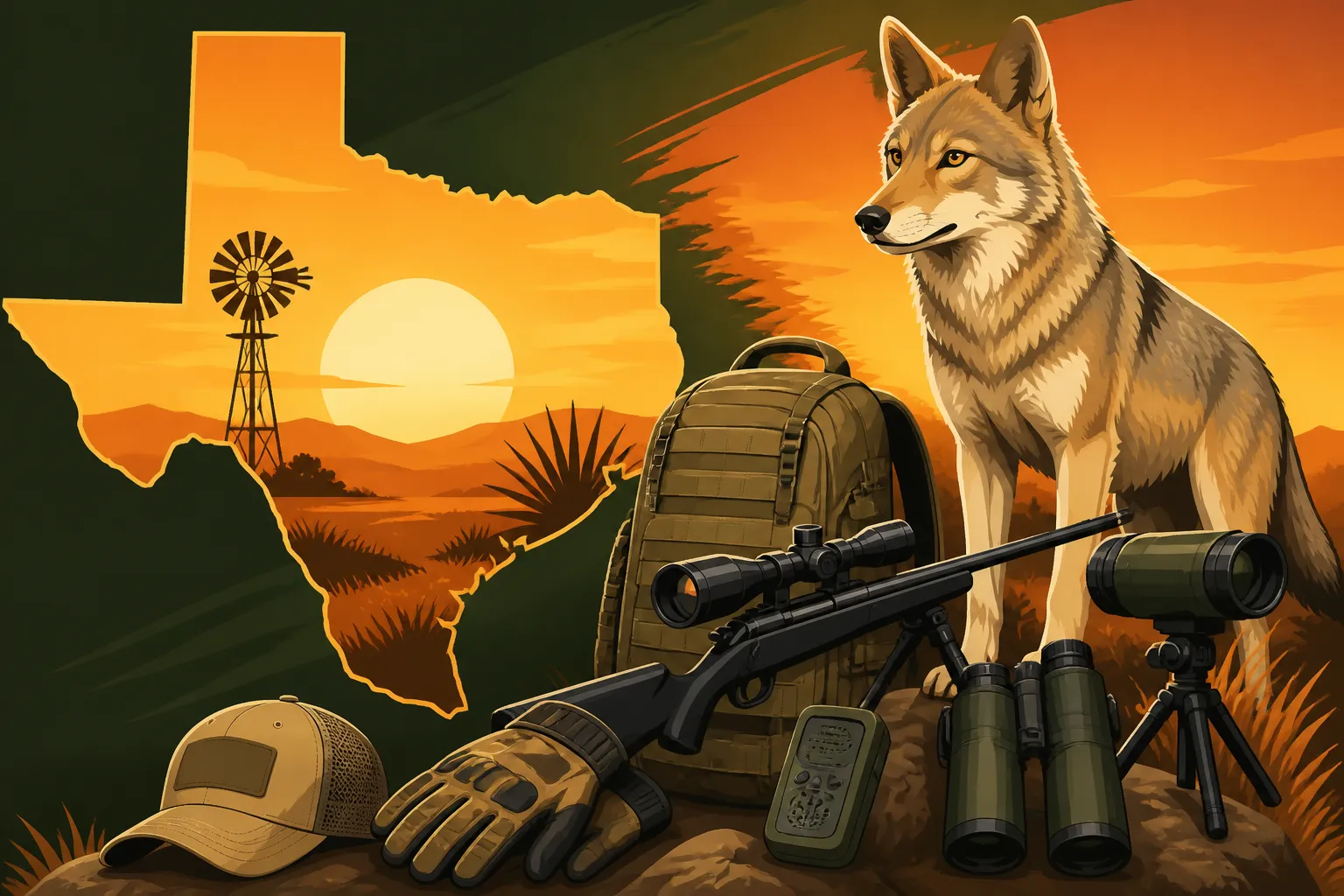
Best Gear for Coyote Hunting in Texas
If you've spent any time at all chasing coyotes in Texas, you know it's a game of wits, endurance, and often, frustration. These wily predators are incredibly intelligent and adaptable, making them one of the toughest animals to consistently harvest. That’s why having the right gear isn't just a luxury; it's absolutely essential for turning those close calls into successful hunts. This guide is all about helping you understand what gear truly matters for putting more coyotes in the back of your truck, from the Texas brush country to the wide-open plains.
Understanding Coyote Hunting in Texas
Hunting coyotes in Texas isn't just a pastime for many; it's a vital part of land management and often a year-round pursuit. These opportunistic predators thrive across the state, and understanding their habits and the diverse Texas landscape is the first step to choosing effective gear.
The Texas Coyote Landscape
Texas is a massive state, and its diverse ecosystems mean that what works in one region for coyote hunting might not be ideal in another. Think about it: the dense, thorny brush of South Texas is a completely different beast than the vast, open plains of the Panhandle or the rolling hills of the Edwards Plateau. Each environment presents unique challenges and opportunities. In the brush country, you might be dealing with shorter shooting lanes, requiring quick target acquisition and perhaps a more compact firearm. Out west, those long, flat expanses demand optics with excellent clarity and magnification, along with rifles capable of reaching out to extended ranges. Even the Pineywoods of East Texas, with their thick timber and swampy bottoms, call for gear that allows for quiet movement and often closer encounters. A hunter heading to a lease in Webb County will need different strategies and gear than someone targeting coyotes near Amarillo.
Why Coyotes Are Hunted
Coyotes are hunted for a multitude of reasons, and it's not just for sport, though the challenge is certainly a draw. For many landowners and ranchers, coyote control is crucial for protecting livestock, especially calves, goats, and sheep. Farmers also see them as a threat to poultry and even crops in some instances. Beyond agricultural concerns, coyotes can have a significant impact on local game populations, particularly deer fawns and turkey poults. Managing coyote numbers helps ensure healthier populations of desired game species, creating a more balanced ecosystem. Plus, with no closed season and no bag limits on private land in Texas, hunters have the opportunity to pursue them year-round, making it an excellent way to hone skills and spend time outdoors when other seasons are closed. For those looking to support game animals, understanding efficient strategies can make a big difference.
Common Hunting Scenarios
Coyote hunting can take many forms, and your gear selection will largely depend on how you plan to approach them. The most common method involves calling, where hunters use various vocalizations to lure coyotes into shooting range. This could be distress calls mimicking injured prey, challenge howls from rival coyotes, or even pup yips. Calling can be done during the day or night, each presenting its own set of challenges. Daytime calling often involves setting up in an elevated position or a concealed ground blind, relying on camouflage and careful entry/exit to avoid detection. Night hunting for coyotes has become increasingly popular and effective, especially with the advancements in thermal and night vision technology. This scenario requires specialized optics and lighting. Another approach is spot-and-stalk, particularly in open country where coyotes can be spotted from a distance, requiring careful movement and long-range shooting prowess. Knowing your preferred method helps you prioritize your gear investments.
Essential Gear for Successful Coyote Hunting
When you're out chasing these cunning critters, having the right tools for the job can make all the difference. We're talking about the core components of your setup – what you'll use to spot, call, and ultimately, harvest a coyote.
Firearms and Ammunition
Your choice of firearm and ammunition is paramount. For most Texas coyote hunters, a rifle chambered in a fast, flat-shooting caliber is the go-to. AR-15 platforms are incredibly popular due to their versatility, rapid follow-up shots, and wide array of aftermarket accessories. Calibers like .223 Remington/5.56 NATO are staples, offering good range, minimal recoil, and plenty of knockdown power for coyotes. Many also favor calibers like .22-250 Remington, known for its scorching velocity and flat trajectory, or .204 Ruger for even less recoil and impressive speed. If you prefer a bolt-action rifle, a .243 Winchester is another excellent choice, providing a bit more punch for longer shots or larger coyotes.
Don't overlook shotguns for close-range encounters, especially if you're hunting in thick cover like the South Texas brush where a coyote might charge into your setup. A 12-gauge shotgun loaded with buckshot (like #4 Buck) or even specialized predator loads can be devastatingly effective at 30-50 yards.
As for ammunition, you want bullets designed for rapid expansion and minimal pelt damage if you plan on salvaging the hides. Varmint-specific bullets like Hornady V-MAX, Nosler Ballistic Tip, or polymer-tipped rounds from manufacturers like Winchester are engineered to expand violently upon impact, delivering maximum energy to the target while often fragmenting, reducing exit wounds. Even a good soft point round can do the trick, but careful shot placement is always key.
Optics for Coyote Hunting
Optics are truly your eyes in the field, and the right ones can dramatically increase your success rate, especially when dealing with the often nocturnal habits of coyotes.
Day Optics
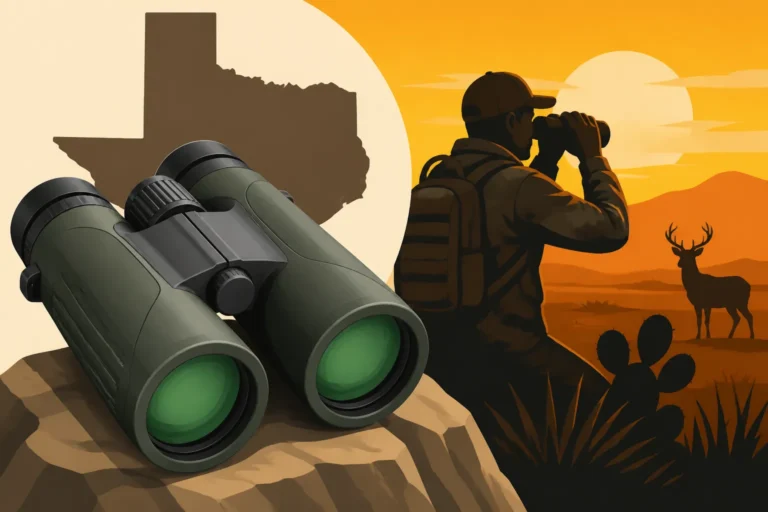
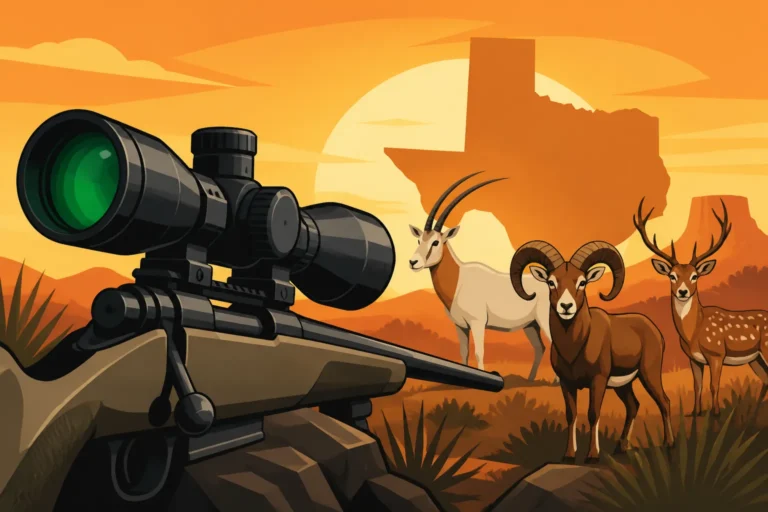
For daytime hunting, a quality rifle scope with variable magnification is essential. Something in the 3-9x40mm or 4-16x44mm range is perfect, allowing you to quickly acquire targets at closer ranges while having enough power to zoom in for precise shots at a distance. Look for scopes with good light transmission, a clear reticle, and reliable turrets for repeatable adjustments. Brands like Leupold, Vortex, and Bushnell offer excellent options for various budgets. Complementing your rifle scope with a good pair of binoculars is also non-negotiable. A 10x42mm binocular offers a great balance of magnification and field of view, helping you scan distant treelines or brush patches for movement without having to constantly raise your rifle. Knowing what to look for in good glass can be a game-changer; check out our guide on Best Hunting Optics for Texas: Scopes, Binos & Rangefinders for more in-depth advice.
Night Optics
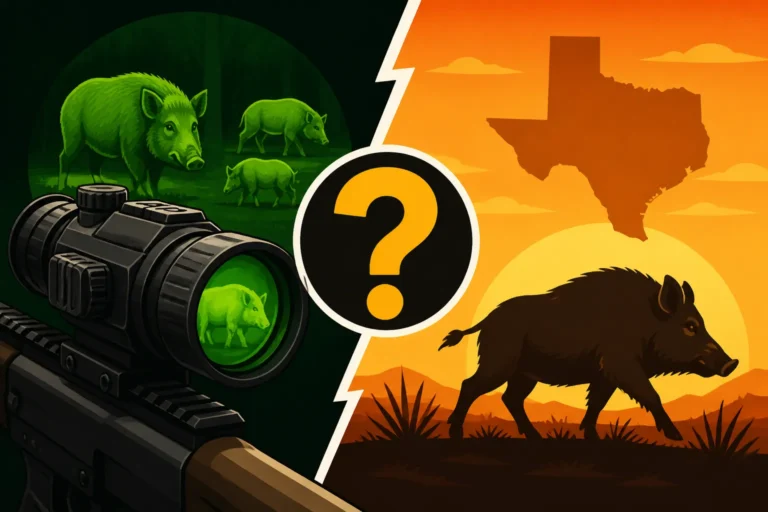
This is where coyote hunting has seen revolutionary changes. Thermal scopes and night vision devices have completely transformed how hunters approach nocturnal predators. A quality thermal scope, such as those from Pulsar or AGM, detects heat signatures, making coyotes glow against a cooler background, even in complete darkness or dense fog. This capability is unparalleled for locating animals that would otherwise be invisible. If you're serious about Coyote Hunting in Texas: Night & Thermal, a thermal optic is likely your best investment. Night vision devices, while different from thermal, also excel in low-light conditions by amplifying ambient light. While thermal shows heat, night vision provides a more traditional green-hued image of the environment. Each has its pros and cons, which we explore in detail in our comparison, Thermal Scope vs Night Vision for Hog Hunting, which is highly applicable to coyote hunting too. Beyond the rifle-mounted optics, a thermal monocular is invaluable for scanning the landscape, locating coyotes, and confirming their identity before you even consider raising your rifle. Companies like AGM and Pulsar offer excellent thermal monoculars perfect for hands-free scanning.
Rangefinders
Coyotes rarely stand perfectly still, and judging distance accurately in varied terrain can be tricky, especially under pressure. A reliable laser rangefinder is a critical tool for making ethical shots. Whether it’s a dedicated handheld unit or a rangefinding binocular, knowing the exact distance to your target ensures you compensate correctly for bullet drop, particularly when those coyotes hang up at the edge of your effective calling range. Look for models that can provide quick, accurate readings even on small, dark targets and have angle compensation for shots taken from elevated positions or steep terrain.
Calling Equipment
Coyote calling is an art and a science, and your equipment plays a huge role in drawing those wary canines in close.
Electronic Calls
Electronic calls have become the gold standard for many predator hunters. Brands like FOXPRO and Lucky Duck offer calls pre-loaded with a vast library of sounds, from rabbit distress to coyote howls, pup distress, and various bird calls. The key advantage here is the remote control, allowing you to place the caller away from your position, drawing the coyote's attention away from you. This gives you precious seconds to get into shooting position. Look for models with durable construction, good battery life, and a loud, clear speaker that can project sound across vast distances, especially in windy conditions. The ability to program custom call sequences and quickly switch sounds can be a huge asset when a coyote responds unexpectedly.
Mouth Calls
While electronic calls are great, don't underestimate the power and versatility of mouth calls. These can be incredibly effective, especially for experienced callers, and they offer a hands-on connection to the hunt. Open-reed calls are fantastic for producing a wide range of distress sounds, from rabbits and fawns to birds. Diaphragm calls, typically used for turkey hunting, can also be adapted to produce a variety of coyote vocalizations, like howls and yips, offering excellent hands-free operation. The biggest advantage of mouth calls is their simplicity, reliability (no batteries needed!), and the nuanced control a skilled caller can achieve. They are an indispensable tool for a complete coyote hunter's arsenal and are often used in conjunction with electronic calls. Learn more about mastering these sounds in our guide on Predator Calling for Coyotes in Texas.
Decoys
Adding a visual element to your calling setup can seal the deal, especially on hesitant coyotes. Motion decoys, often resembling a rabbit or a bird frantically flapping, are incredibly effective at diverting a coyote's attention away from your position and giving them something to focus on other than you. This allows you to shift, settle your scope, and take the shot without being detected. Placement is key: set the decoy downwind of your calling position and within easy shooting range, typically 50-75 yards. Battery-operated decoys from companies like Mojo or FOXPRO are lightweight, easy to deploy, and can make a significant difference in bringing coyotes the last few yards.
Supporting Gear for Texas Coyote Hunters
Beyond the core hunting tools, there's a whole host of supporting gear that can enhance your comfort, concealment, and safety, ultimately leading to more successful hunts.
Camouflage and Scent Control
Coyotes have incredible eyesight and an even more impressive nose. Ignoring either of these senses is a recipe for failure.
Camo Patterns
Choosing the right camouflage pattern is crucial for blending into the diverse Texas landscape. For the thick, thorny brush of South Texas or the Post Oak Savannah, patterns with a mix of greens, browns, and grays that mimic dense foliage work well. Brands like Mossy Oak's Brush or RealTree's Edge are excellent choices. If you're hunting the more arid, rocky terrain of West Texas or the sandy areas, patterns with more tans and lighter browns that break up your silhouette against open ground and scrub will be more effective. The key is to match your camo to the predominant vegetation of your hunting area. Even in the relatively open fields for Dove Hunting Tactics: Field Setup & Shooting, good camo can help. Investing in lightweight, breathable camo is also vital, given Texas's often sweltering temperatures, especially during early season hunts; consider our tips on Best Early-Season Camo for Texas Heat.
Scent Control
This might be the most overlooked aspect for many hunters, but it's vital for coyotes. Their sense of smell is legendary, capable of detecting human odor from incredible distances. Start with scent-free detergents for all your hunting clothes. Showering with scent-eliminating soap and using scent-free deodorant before a hunt can make a big difference. Field sprays are useful for a quick cover-up, but the real work happens beforehand. Some hunters even swear by ozone generators, like those from Scent Crusher, to "scrub" their gear of odors before heading into the field. Storing your hunting clothes in airtight containers or scent-control bags helps prevent them from picking up household odors. Remember, hunting into the wind or with a crosswind is your best scent control strategy, but every little bit helps.
Portable Blinds and Seating
Comfort and concealment go hand-in-hand, especially when you're calling coyotes and need to remain motionless for extended periods.
Ground Blinds
While not always necessary, a pop-up ground blind can be incredibly advantageous, especially in open country or when hunting with multiple people or new hunters. These blinds offer excellent concealment, breaking up your outline and allowing for slight movements without being detected. They also provide a barrier against the wind and sun, increasing your comfort. Look for blinds that are quick to set up and take down, lightweight for portability, and have shooting ports that align well with your seated or kneeling position. Even a simple camo netting draped over some brush can act as an effective improvised blind. For a more permanent solution on a lease, consider options like those discussed in Box Blind vs Tripod vs Ground Blind in Texas.
Shooting Sticks and Tripods
For stable, accurate shots, especially at longer distances or when free-handing isn't an option, shooting sticks or a tripod are indispensable. These provide a rock-solid rest for your rifle, dramatically improving your accuracy and confidence. Bipods attached directly to your rifle are also a great option. Whether it's a monopod, bipod, or tripod, ensure it's adjustable for height and can be deployed quickly and quietly. Primos and Bog-Pod are popular choices among predator hunters.
Comfortable Seating
Coyote hunting often involves long stretches of sitting still, waiting for a response to your calls. A comfortable, lightweight stool or chair can make a world of difference in your ability to remain motionless and alert. A simple folding stool, a small cushion, or even a specialized hunting seat with a backrest can alleviate discomfort and help you stay focused. Remember, any movement can alert a coyote, so being comfortable enough to sit still is key. Some hunters even use a small, low-profile chair inside their ground blinds.
Lighting and Safety Gear for Night Hunting
Night hunting for coyotes is thrilling, but it demands specific gear to ensure both success and safety.
Red and Green Lights
When using traditional rifle-mounted lights for night hunting (not thermal or NV), red or green lights are preferred over white light because coyotes are less sensitive to these wavelengths. A good tactical flashlight mounted on your rifle can illuminate your target without completely spooking the coyote. Ensure it has a tight beam to reach out to typical shooting distances. For scanning, a handheld red or green light can be used, but thermal monoculars are a superior alternative. For navigating to and from your stand, a low-intensity headlamp with a red light option is invaluable, preserving your night vision and minimizing disturbance.
Headlamps
Beyond the specific hunting lights, a reliable headlamp is crucial for general utility tasks in the dark. Field dressing a coyote, packing up your gear, or navigating treacherous terrain requires hands-free illumination. Look for headlamps with adjustable brightness settings, a red light mode to preserve night vision, and good battery life. Petzl and Black Diamond are well-regarded brands.
Safety Vests
Safety should always be your top priority, especially when hunting at night or with a group. Wearing an orange or reflective safety vest when moving to and from your stand, or when scouting in unfamiliar areas, significantly increases your visibility to other hunters or land users. Even when calling during the day, if hunting on public land or a busy lease, wearing a minimal amount of hunter orange is often required or strongly recommended by the Texas Parks and Wildlife Department. Always be aware of your surroundings and identify your target clearly before taking any shot.
Planning Your Hunt and Gear Checklist
Successful coyote hunting in Texas is about more than just showing up with a rifle; it's about meticulous preparation, understanding the land, and tailoring your gear to the specific challenges you'll face.
Pre-Hunt Scouting and Preparation
Before you even load a single piece of gear into your truck, effective scouting is critical. This isn't just about finding tracks; it's about understanding the entire ecosystem of your hunting area. Use mapping apps like onX Hunt or HuntStand to study terrain features, identify potential travel corridors, locate water sources, and mark previous coyote sightings or dens. These tools can also help you understand property lines, which is crucial when hunting on a lease. Remember, while these apps are powerful, nothing beats boots on the ground. Spend time observing game trails, looking for scat, and listening for coyote vocalizations. Pay close attention to wind patterns, as this will dictate your setup locations for scent control. A good pre-hunt scouting session will help you pinpoint the most promising areas and plan your approach, making your calling efforts much more effective. Tools like GoHunt can help you analyze hunting opportunities and plan your trips efficiently, even for predators.
Tailoring Your Gear to the Hunt
Every coyote hunt is a little different, and the truly successful hunters learn to adapt their gear to the specific scenario. Are you planning a morning stand in the wide-open plains of the Panhandle? You'll need those long-range optics and a flat-shooting rifle, perhaps with a bipod. Heading out for an evening hunt in the dense brush of the Hill Country? A shotgun might be more appropriate, or a rifle with a lower magnification scope for quicker target acquisition. For an all-night thermal hunt, your primary focus will be on battery life for your thermal optics and a comfortable, quiet setup that allows you to scan for hours.
Consider the weather: is it scorching hot? Lightweight, breathable camo and plenty of water are essential. Is it a rare cold snap? Layered clothing and hand warmers become critical. The time of day, the specific terrain, and even the expected coyote behavior (e.g., heavily pressured vs. unpressured animals) should all influence the specific items you bring along. For example, when you're specifically targeting coyotes at night, knowing How to Call Coyotes at Night in Texas will guide your thermal and lighting choices.
Essential Coyote Hunting Checklist
To help you get organized, here’s a comprehensive checklist of essential gear for your next Texas coyote hunt. Remember, this is a starting point, and you'll want to customize it based on your specific hunting plans and conditions.
| Category | Essential Gear Items | Notes |
|---|---|---|
| Firearms | Rifle (e.g., .223, .22-250, .243) | With sling, magazines, and scope rings |
| Ammunition | Enough for the hunt, plus a few extra | |
| Shotgun (optional, for close range) | Loaded with appropriate buckshot or predator loads | |
| Optics | Rifle Scope | Zeroed and ready for action |
| Binoculars (10x42mm recommended) | For scanning and spotting | |
| Laser Rangefinder | Accurate distance measurements are crucial | |
| Thermal Scope or Night Vision (for night hunting) | Charged batteries, mounted on rifle | |
| Thermal Monocular (for scanning at night) | Charged batteries, easily accessible | |
| Calling | Electronic Caller | Charged batteries, remote control, diverse sound library |
| Mouth Calls (distress, howls) | Open reed, diaphragm, for versatility or backup | |
| Motion Decoy | Charged batteries, for visual attraction | |
| Concealment | Camouflage Clothing (head-to-toe) | Matching environment, layered for comfort |
| Scent Control (spray, detergents, storage) | Pre-hunt treatment and in-field application | |
| Ground Blind (optional) or Camo Netting | For breaking up your silhouette | |
| Support Gear | Shooting Sticks/Tripod | For stable shooting platform |
| Comfortable Seat/Stool | For long periods of stillness | |
| Headlamp (with red light option) | For navigation and utility tasks | |
| Red/Green Rifle-mounted Light (if not using thermal/NV) | For target illumination at night | |
| Backpack | To carry all your gear comfortably | |
| Game Cart (optional) | For hauling larger coyotes or multiple animals | |
| Safety & Misc. | Hunter Orange Vest/Hat (if required or recommended) | For visibility, especially when moving |
| First-Aid Kit | For unexpected injuries | |
| Water and Snacks | Stay hydrated and fueled | |
| GPS/Mapping App (e.g., GoHunt, onX Hunt) | For navigation and property lines | |
| Knife (for field dressing) | Sharp and accessible | |
| Gloves | For protection and warmth | |
| Spare Batteries for all electronics | Crucial, don't leave home without them! | |
| Phone with portable charger | For emergencies or communication |
This list ensures you're prepared for most situations Texas coyotes will throw at you. Happy hunting!
Disclaimer
Hunting is an inherently dangerous activity. Always prioritize safety, adhere to all Texas Parks and Wildlife Department regulations, and ensure you have the appropriate licenses and permits. The information provided here is for educational purposes and should not replace professional guidance or personal judgment. Be aware of private property boundaries and obtain permission before hunting on any private land.