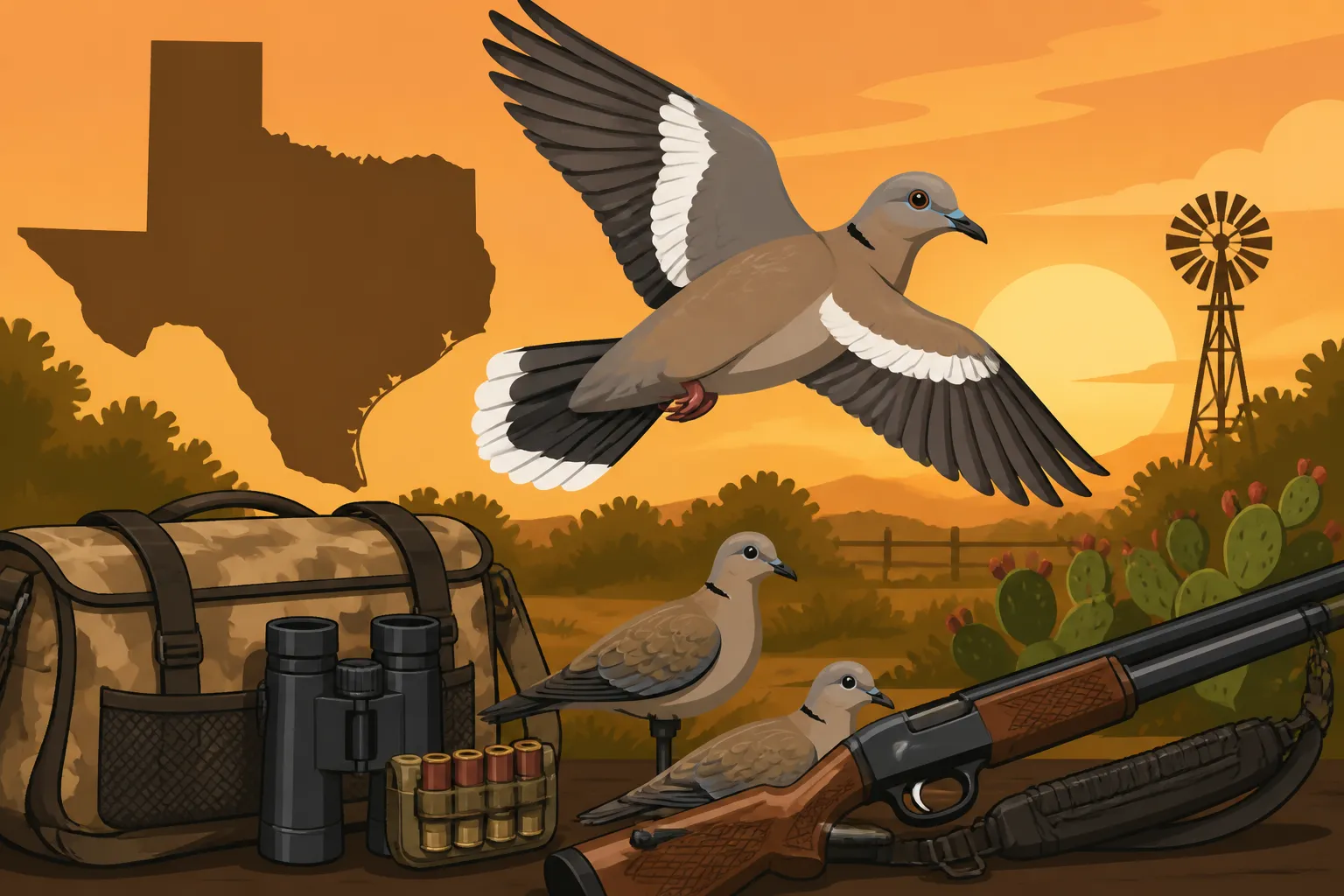
Best Gear for White-Winged Dove on a Texas Lease
Opening day of white-winged dove season in Texas is practically a holiday, but showing up to your lease unprepared can quickly turn excitement into frustration. From dealing with the relentless Texas heat to ensuring you have the right firepower and field essentials, there's a lot to consider. This guide is here to walk you through the very best gear for white-winged dove hunting on a Texas lease, making sure you're comfortable, effective, and ready to fill your limit.
Essential Shotguns for White-Winged Dove Hunting
When it comes to white-winged dove hunting, your shotgun isn't just a tool; it's the core of your experience. Texas dove fields can offer fast-paced shooting, requiring a reliable firearm that can keep up with the action and the sheer volume of birds that might come your way. Choosing the right shotgun involves considering the gauge, action type, and how well it stands up to the often dusty, hot conditions of a Texas September hunt.
Gauge and Choke Considerations
The classic gauges for dove hunting are the 12-gauge and 20-gauge, with both offering distinct advantages. The 12-gauge is a perennial favorite for its versatility and wider shot pattern, giving you a bit more forgiveness on those fast-flying white-wings. It allows for heavier loads, which can be beneficial when birds are flying high or you're trying to reach out a bit further. Many seasoned hunters swear by a 12-gauge with a modified choke for the bulk of their dove shooting, providing a good balance between spread and density at typical dove ranges. You might even consider an improved cylinder choke early in the day when birds are closer, then switch to modified or even full as they get warier and fly higher.
On the other hand, the 20-gauge is a fantastic option, particularly for lighter recoil, making it a favorite for younger hunters, those sensitive to recoil, or anyone planning on shooting a significant number of shells. While its payload is smaller, modern 20-gauge ammunition is incredibly effective, and with proper shot placement, you won't feel under-gunned. For a 20-gauge, an improved cylinder or modified choke is usually ideal. Some hunters even bring a .410 for a challenge, but for reliable limits, especially when you're targeting those quick white-wings, sticking with a 12- or 20-gauge is generally the most practical advice. The key is to find a choke that patterns well with your chosen ammunition at typical distances you expect to engage birds.
Action Types: Semi-Autos vs. Pumps
The debate between semi-automatic and pump-action shotguns is a lively one in the dove field. Semi-automatic shotguns, like the Benelli Super Black Eagle III or the Beretta A400, are highly prized for their rapid follow-up shots and reduced recoil, thanks to their gas or inertia operating systems. When white-wings are pouring into a field, being able to quickly send a second or third shot can make all the difference in connecting with a bird. The softer recoil means less fatigue over a long day of shooting, which is a huge plus when you're running through several boxes of shells.
Pump-action shotguns, such as the Remington 870 or Mossberg 500, offer unmatched reliability and ruggedness. They are often more affordable, making them a great choice for new hunters or those on a budget. While they require manual cycling, many hunters prefer the tactile feel and simplicity of a pump. They are also incredibly durable and can withstand the dusty, sometimes wet, conditions often found in Texas dove fields without missing a beat. Ultimately, the choice comes down to personal preference, budget, and how comfortable you are with each action type under pressure. Both can be incredibly effective in the hands of a skilled shooter.
Durability and Weather Resistance
Texas weather can be famously unpredictable, especially during the early dove season in September. One day you might be battling sweltering heat and dust, and the next, a sudden afternoon thunderstorm could roll through, drenching everything. This is why the durability and weather resistance of your shotgun are paramount. You want a firearm that can handle being bumped, dropped, or exposed to the elements without failing.
Look for shotguns with synthetic stocks and corrosion-resistant finishes on their metal components. Blued steel can look beautiful, but it's far more prone to rust if not meticulously cleaned and oiled after exposure to moisture. Many modern hunting shotguns come with matte or Cerakote finishes that offer excellent protection against the harsh Texas environment. Even if your lease offers covered blinds, you'll still be transporting your gun, walking through fields, and inevitably encountering dust and sweat. A robust, low-maintenance shotgun will save you headaches and ensure it performs when you need it most, allowing you to focus on the birds rather than worrying about your gear.
Ammunition Choices and Gear for Dove Fields
Beyond your shotgun, the right ammunition and supporting field gear are crucial for a successful white-winged dove hunt. From choosing the correct shot size to having comfortable seating and efficient ways to carry your birds, these elements significantly impact your overall experience and success rate.
Shot Size and Shell Selection
For white-winged doves, the most common and effective shot sizes are 7.5, 8, and sometimes 9. These smaller shot sizes create dense patterns, which are essential for taking down relatively small, fast-flying birds. While a 7.5 shot offers a bit more range and knockdown power, an 8 shot is often considered the sweet spot for general dove hunting, providing an excellent balance of pattern density and energy. Shot size 9 is great for very close-range shots, but its effectiveness diminishes quickly as distance increases. Given the potential for high-volume shooting, consider buying ammunition in bulk, especially if you're hosting multiple hunters on your lease.
When selecting shells, pay attention to the dram equivalent (which indicates powder charge) and the velocity. A good standard field load typically works wonders for doves. Avoid heavy magnum loads, as they often produce excessive recoil with little practical benefit for dove and can lead to unnecessary fatigue. Instead, focus on reliable, consistent loads from reputable brands like Winchester, Federal, or Rio. It's always a good idea to pattern your shotgun with your chosen ammunition before the season to ensure it throws a consistent, effective pattern. Remember, a clean kill is always the goal, and the right ammunition helps achieve that.
Decoys, Chairs, and Blinds
Setting up a comfortable and effective dove field requires more than just showing up with a shotgun. Decoys can dramatically increase your success, especially when birds are wary or pressured. Motion decoys, such as the Mojo Dove series, are particularly effective. The spinning wings catch the light and mimic landing birds, drawing white-wings directly into your kill zone. Static decoys, clipped onto fences or placed on stakes, can also add to the illusion of a feeding flock. Strategically placing decoys near water sources, isolated trees, or known flight paths on your lease can make a huge difference. For more detailed strategies, check out our guide on How to Use Decoys for Dove Hunting.
Comfort is king during a long dove hunt, especially under the Texas sun. A comfortable chair or stool is non-negotiable. Many hunters opt for a portable dove stool or a bucket with a padded swivel lid, providing both seating and storage for shells and empty hulls. If you're looking for something more substantial, a low-profile folding chair can also work well. For concealment, a simple ground blind or a portable pop-up blind can break up your silhouette and give you an edge. Even if you're just leaning against a mesquite tree, consider bringing some netting or natural vegetation to further blend into your surroundings. Our article on Dove Field Setup: Where to Stand offers more insights into optimal positioning.
Game Vests and Coolers
A good game vest is an indispensable piece of gear for dove hunting. It allows you to comfortably carry a substantial amount of ammunition, retrieve spent hulls (essential for leaving a clean lease), and, most importantly, provides a convenient place to store your harvested birds. Look for vests with plenty of pockets for shells, a water bottle, and any small personal items. The game pouch on the back should be large, easily accessible, and preferably mesh or well-ventilated to allow air circulation around your birds, helping them cool down quicker in the Texas heat.
Speaking of cooling, a reliable cooler is absolutely critical. After you harvest a white-winged dove, especially if you're taking your limit, those birds need to be cooled down as quickly as possible. The Texas heat can spoil game meat fast. Bring a high-quality cooler, like a Yeti or an RTIC, filled with plenty of ice. Some hunters even keep a separate small cooler just for drinks and snacks, and a larger one dedicated to birds. Once you've collected your limit, get them on ice right away. Many hunters breast out their birds in the field to save space and further aid in cooling. For more tips on post-hunt care in warm weather, our article on How to Field Dress a Deer in Hot Weather offers principles that apply to smaller game too.
Apparel and Protection for Texas Dove Hunting
Texas dove season kicks off in September, which means one thing: heat. Proper clothing and essential protective gear aren't just about comfort; they're about safety and endurance during those long, sunny days in the field.
Lightweight Clothing for the Texas Heat
The early dove season can see temperatures soaring into the 90s, sometimes even triple digits, with humidity to match. Wearing the wrong clothing can quickly lead to overheating and dehydration. Forget heavy denim or thick cotton. Instead, opt for lightweight, breathable fabrics designed to wick away moisture and promote airflow. Synthetic materials like polyester blends, often used in athletic wear, are excellent choices. Many hunting brands offer specialized "early season" or "hot weather" clothing lines that are perfect for this.
Light-colored clothing, or camouflage patterns designed for open fields and light brush, will also help reflect sunlight and keep you cooler. Brands like Sitka Gear or KUIU offer technical fabrics that excel in hot weather, though more budget-friendly options from Magellan Outdoors or Academy's own brand can also do the trick. A wide-brimmed hat is also non-negotiable for protecting your face and neck from the relentless sun. Don't forget to continuously hydrate throughout the day; no amount of advanced clothing can compensate for a lack of water. If you're looking for specific recommendations, our guide on Best Early-Season Camo for Texas Heat goes into more detail.
Eye and Ear Protection
This might sound like common sense, but it’s amazing how many hunters overlook crucial safety gear in the excitement of the hunt. Eye protection is absolutely mandatory when shooting. Not only do shooting glasses protect your eyes from stray shot, ricochets, or falling debris, but they can also enhance your vision. Look for ballistic-rated shooting glasses, not just sunglasses. Different lens tints (e.g., amber for cloudy days, grey for bright sun) can improve contrast and target acquisition.
Similarly, hearing protection is vital. The sound of a shotgun blast, especially repeated blasts over several hours, can cause permanent hearing damage. Foam earplugs are a simple, effective, and inexpensive option. However, many hunters prefer electronic hearing protection, which amplifies ambient sounds (like conversations or approaching birds) while simultaneously shutting down or reducing loud noises. This allows for normal communication and awareness in the field without sacrificing protection. Brands like Walker's or Howard Leight offer excellent electronic muffs that are well worth the investment for your long-term hearing health.
Footwear and Snake Protection
Walking through tall grass, mesquite brush, and dusty fields is part and parcel of Texas dove hunting. Your footwear needs to be comfortable, supportive, and protective. Lightweight, breathable hunting boots are generally a good choice. However, in many parts of Texas, particularly the brush country of South Texas where white-wings thrive, snake protection is not just an option—it's a necessity. Western diamondback rattlesnakes, copperheads, and cottonmouths are common, and an encounter can quickly turn a fun day into a medical emergency.
Snake boots, which are typically knee-high and reinforced with puncture-resistant materials, offer the best protection. Alternatively, snake gaiters worn over your regular boots can provide a similar level of safety. Brands like LaCrosse or Thorogood offer reliable snake boots. Make sure whatever option you choose is comfortable enough for walking, as you might be covering more ground than you anticipate while retrieving birds or repositioning. Prioritizing snake protection allows you to focus on the hunt with peace of mind.
Navigating Your Lease and Enhancing Your Hunt
Maximizing your success on a Texas white-winged dove lease goes beyond just shooting. Understanding your terrain, scouting effectively, and knowing how to handle your harvest after the shot are all part of a comprehensive strategy.
GPS and Mapping Apps
Even on a familiar lease, having a reliable way to navigate and understand property boundaries is invaluable. Accidental trespassing is a serious concern, and respecting your lease's boundaries, as well as those of neighboring properties, is paramount. GPS devices or, more commonly now, hunting apps on your smartphone, provide detailed satellite imagery, topographical maps, and crucially, property lines. Apps like onX Hunt or HuntStand are incredibly popular among Texas hunters for their accuracy and ease of use. They allow you to mark hot spots, plan routes, and verify your location with precision.
Before the season starts, spend time virtually scouting your lease with one of these apps. Identify potential flight paths, water sources, roosting areas, and areas with preferred food sources for white-wings, such as sunflower or milo fields. You can also use general hunting intelligence platforms like GoHunt, which, while focusing heavily on western big game, offers detailed mapping tools and information resources that can apply to understanding diverse hunting landscapes across Texas. Knowing your terrain intimately, down to every fence line and senderos, will make you a far more effective and responsible hunter.
Scouting Tools
While white-winged doves aren't typically "patterned" with trail cameras like deer, effective scouting is still critical. Before opening day, take some time to observe your lease during different times of the day. Where are the birds feeding? What are their primary flight paths between feeding and roosting areas, or between feeding and water? Binoculars are your best friend here. A good pair of 8×42 or 10×42 binoculars will help you spot birds from a distance without disturbing them, allowing you to identify key areas for setting up your blind or stand.
A rangefinder can also be useful for marking distances to known landmarks or potential shooting lanes, helping you judge shots more accurately when the action heats up. Pay attention to changes in crop rotations, recent rains, or new water sources, as these can drastically shift dove patterns. You might even consider using a drone for an aerial view of larger fields, provided you do so legally and respectfully, away from populated areas and other hunters. Effective scouting, whether with optics or by foot, is about understanding current bird behavior, which is dynamic, especially for migratory species like white-winged doves. For general scouting strategies that apply across species, consider reviewing tips from platforms like GoHunt that emphasize thorough pre-hunt preparation.
Post-Hunt Care for Your Harvest
Once you've dropped your white-winged doves, the work isn't over. Proper post-hunt care ensures you take home quality table fare. As mentioned earlier, cooling your birds quickly is paramount in the Texas heat. Many hunters immediately place their birds in a cooler filled with ice. If you have a high-volume shoot, breasting out birds in the field is a common and efficient practice. This reduces the bulk and allows the meat to cool even faster. Remember to keep a wing attached to the breast for identification purposes if required by game regulations.
A sharp, small game knife is excellent for breasting. Some hunters also use game shears for quicker processing. Have a designated area, perhaps a small table or a clean tailgate, for this task. Once breasted, place the meat directly onto ice or in sealed bags within your cooler. Ensuring your birds are properly cared for from field to freezer will make all the difference in the dining experience. There's nothing quite like grilled or fried white-winged dove, and starting with properly handled game is the first step to a delicious meal.
Here's a quick comparison of common shotgun gauges for dove hunting:
| Feature | 12-Gauge Shotgun | 20-Gauge Shotgun |
|---|---|---|
| Recoil | Moderate to heavy | Light to moderate |
| Payload | Larger (1 oz to 1 1/4 oz usually) | Smaller (3/4 oz to 1 oz usually) |
| Pattern | Wider and denser with appropriate choke | Tighter pattern, slightly less forgiving |
| Versatility | Highly versatile for various game and loads | Excellent for doves, upland birds, less recoil |
| Shell Cost | Generally more affordable and widely available | Slightly higher cost, but often still common |
| Hunter Suitability | Experienced hunters, high-volume shooting | Youth, recoil-sensitive, general dove hunting |
Disclaimer
Hunting is an inherently dangerous activity. Always prioritize safety, understand and follow all local, state, and federal hunting regulations, and ensure you have the appropriate licenses and permits. This guide is for informational purposes only and does not substitute for professional instruction or official game laws.